Wind Turbine Blades
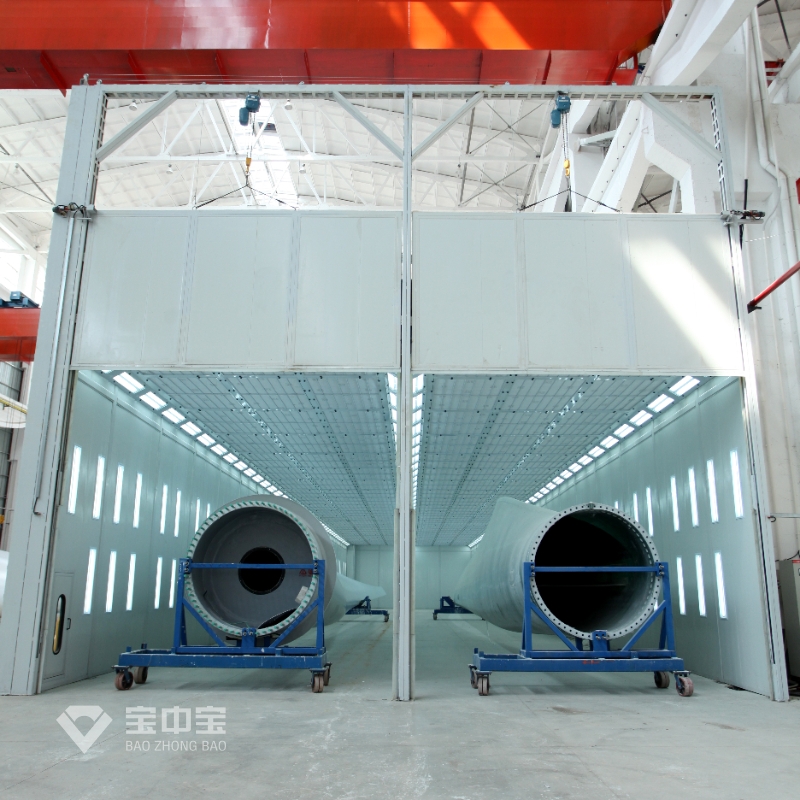
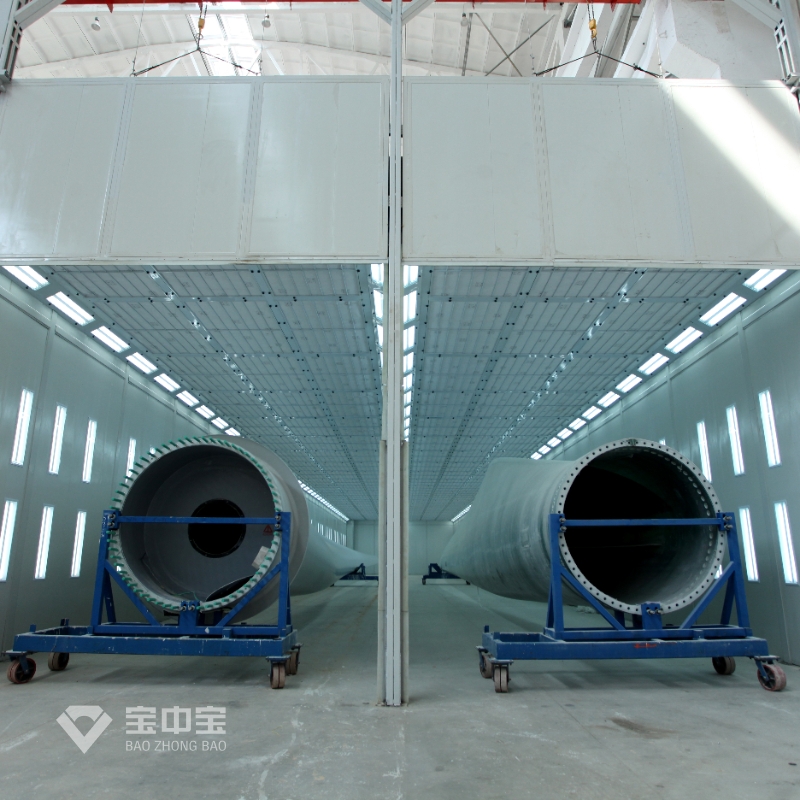

Wind turbine blades are exposed to a complex natural environment for extended periods, needing to withstand strong ultraviolet radiation, rain erosion, salt spray corrosion, and high-speed airflow. Therefore, coating is not only a cosmetic process but also a crucial functional protective technology.
Wind turbine blades are exposed to a complex natural environment for extended periods, needing to withstand strong ultraviolet radiation, rain erosion, salt spray corrosion, and high-speed airflow. Therefore, coating is not only a cosmetic process but also a crucial functional protective technology.
From a technical perspective, wind turbine blade coating must meet the following basic requirements:
First, it must have good anti-corrosion and anti-aging capabilities to delay the degradation of the composite matrix performance;
Second, the coating adhesion must be stable and able to adapt to the deformation of the blade under high-speed rotation and temperature difference changes;
Third, the coating surface must have high smoothness to reduce air resistance and improve aerodynamic performance;
And fourth, the process must be stable and controllable to ensure the consistency of the coating of different batches of blades.
These requirements dictate that wind turbine blade coating production lines must possess high system integration capabilities in their design and operation.
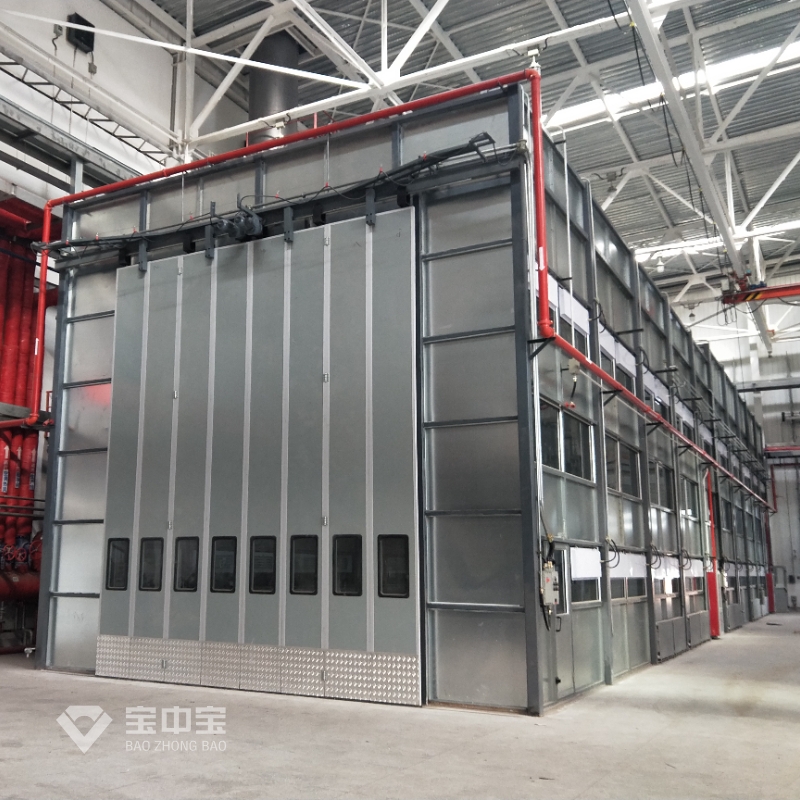
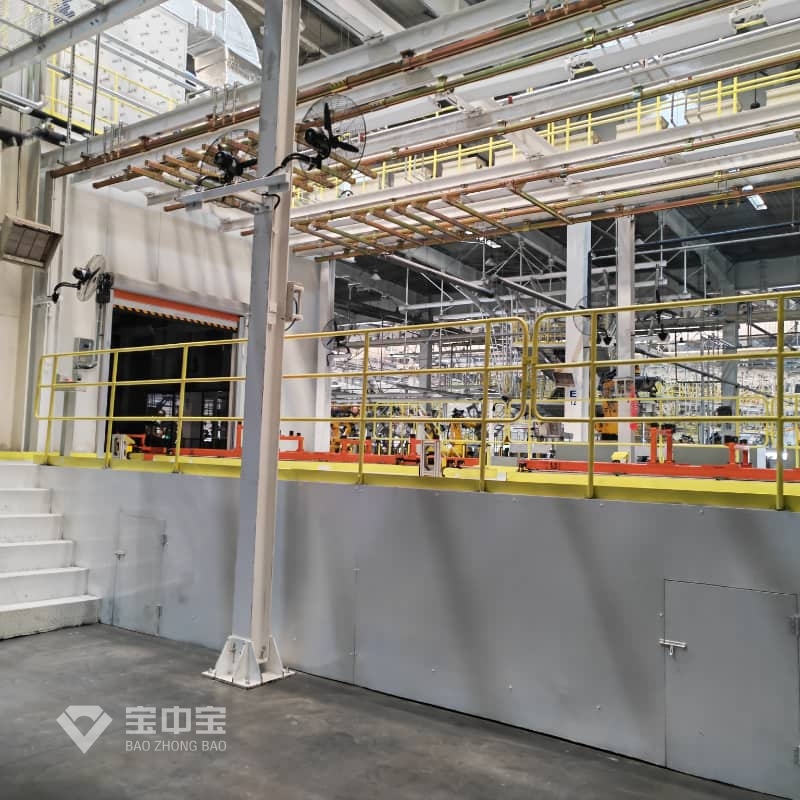
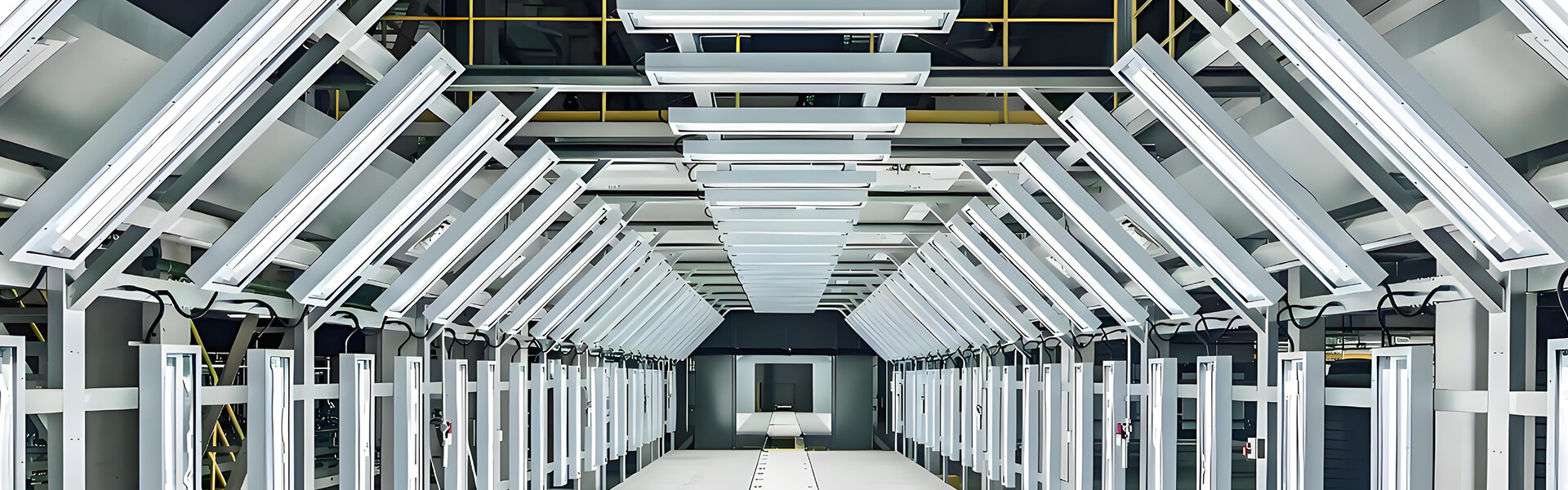
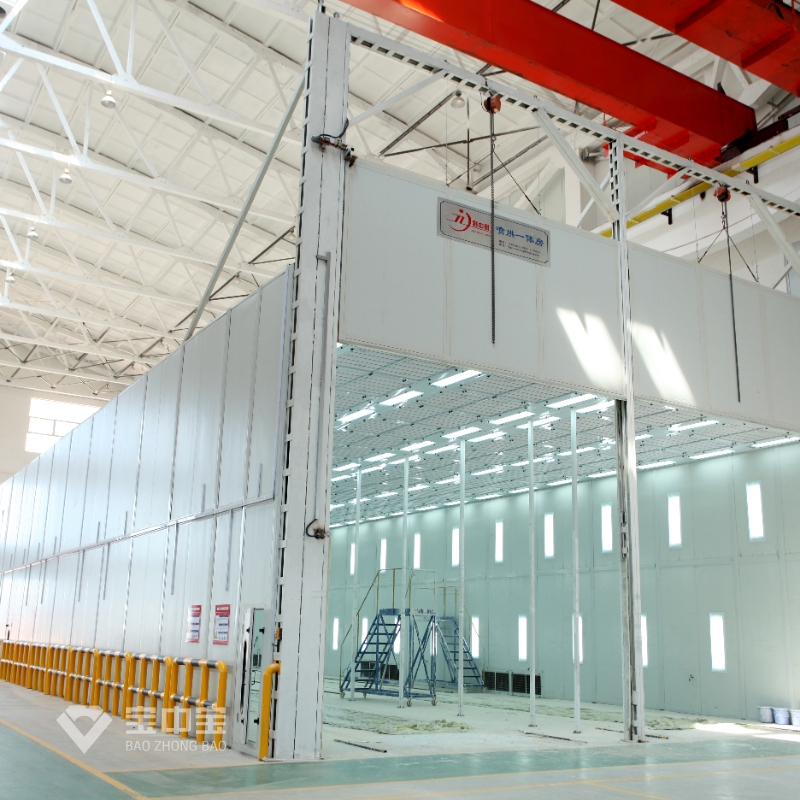
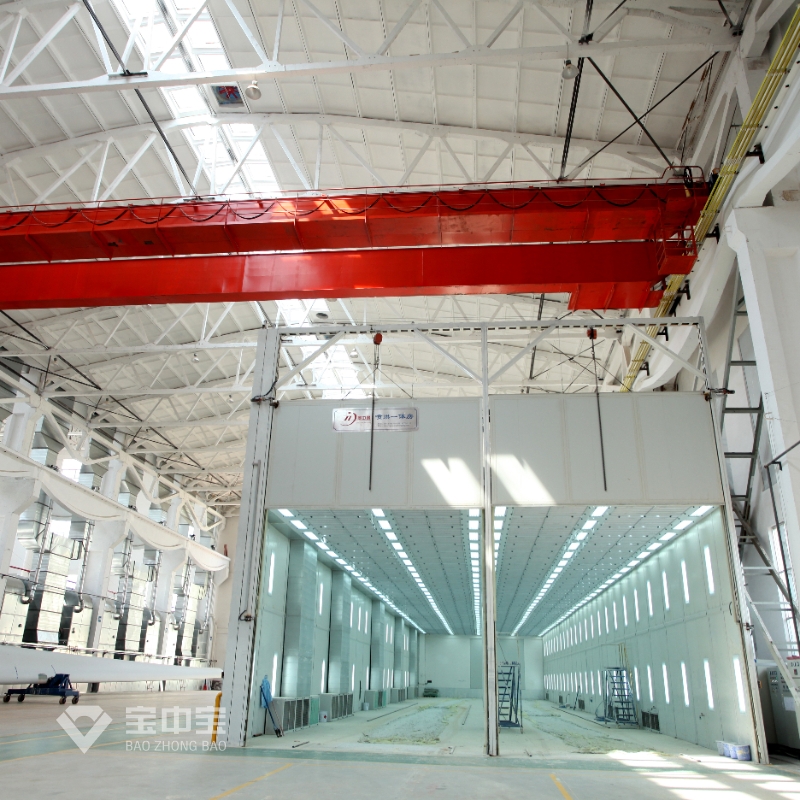
A complete wind turbine blade coating production line typically consists of multiple modules, including a pretreatment system, a spraying system, a curing system, and a conveying and control system. These modules are interconnected and operate continuously.
The pretreatment system mainly includes processes such as surface cleaning, grinding, and dust removal. Its purpose is to improve the cleanliness and roughness of the substrate surface, creating conditions for subsequent coating adhesion. Given the structural characteristics of ultra-long blades, the pretreatment equipment needs to be highly adaptable in terms of spatial layout and workstation changes.
The spraying system is the core unit of the entire production line, and it typically employs a combination of manual and automated spraying methods. For complex areas such as blade roots and edges, manual fine spraying remains irreplaceable; while for large areas, automated spraying equipment can improve efficiency and reduce paint waste.
The curing system is configured with either room temperature curing or heat curing methods according to the characteristics of the coating. Through precise control of temperature and time, the coating performance meets the design requirements.
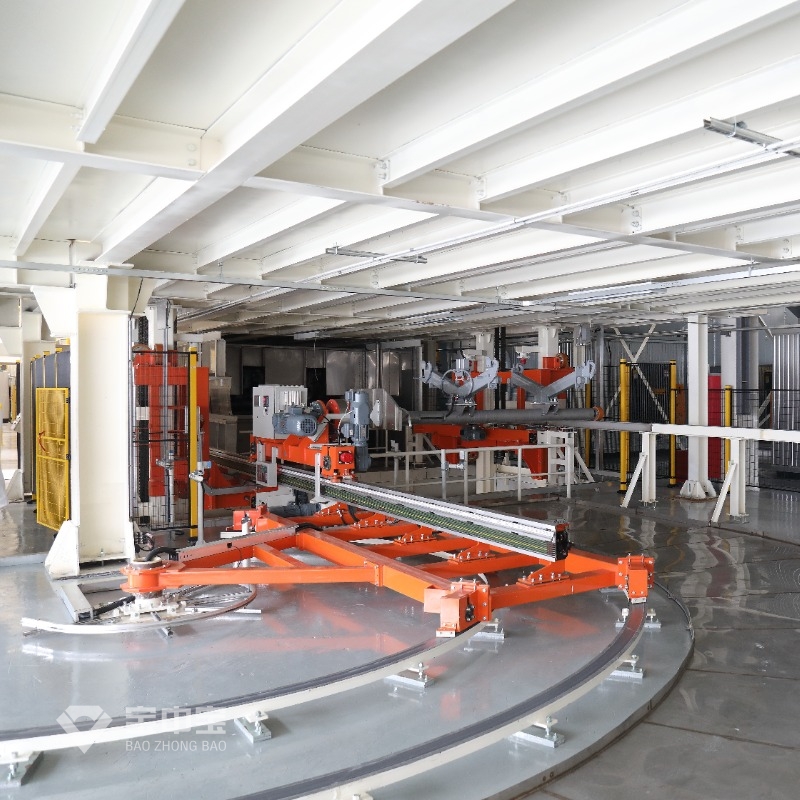
The conveying and control system is responsible for the smooth transfer of blades between various processes and for the centralized management of production cycle and process parameters. It is an important foundation for ensuring the stable operation of the entire production line.
As blade length continues to increase, the labor intensity and stability of manual operation are challenged, leading to a sustained increase in the application of automation technology in coating production lines. Automated painting robots, track-guided painting devices, and intelligent lifting platforms are gradually becoming mainstream configurations.
The introduction of automation systems can, on the one hand, standardize coating thickness and spraying path through programmed control, reducing human error; on the other hand, it can also help improve the working environment and reduce the impact of volatile organic compounds on operators.
In addition, some production lines have begun to introduce data acquisition and process traceability modules to record spraying parameters and curing conditions, providing a basis for subsequent quality analysis and equipment maintenance.
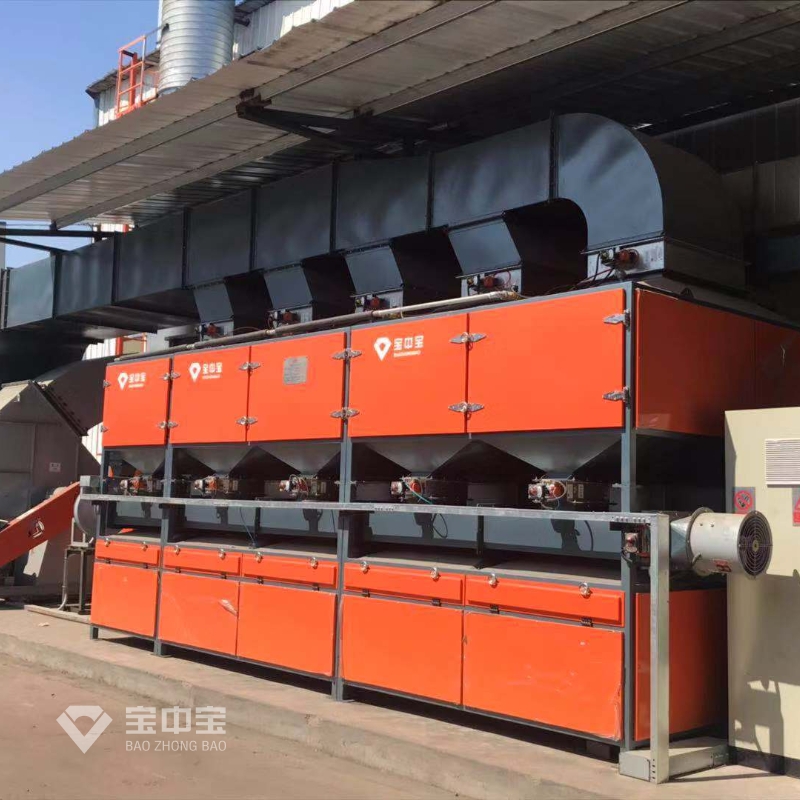
With the deepening of the concept of green manufacturing, the requirements for environmental protection and safety in wind turbine blade coating production lines are becoming increasingly stringent. The waste gas, dust, and solid residues generated during the coating atomization process need to be controlled through an effective collection and treatment system.
Currently, the application rate of water-based coatings and low-volatile formulations is continuously increasing, and the corresponding waste gas purification devices and filtration and recovery systems have become important components of the production line. These systems not only help reduce emissions but also improve coating utilization and lower operating costs.
In terms of safety, painting workshops need to focus on fire prevention, explosion prevention, and electrical safety, and reduce operational risks through reasonable zoning, intelligent monitoring, and standardized operating procedures.
Because different wind power companies have different blade specifications, production capacity plans, and factory conditions, coating production lines often need to be customized according to their specific circumstances. Parameters such as production cycle time, number of workstations, and degree of automation must all be rationally configured based on the actual project requirements.
Customization is not only reflected in equipment size and layout, but also in the matching of process flow and control logic. Through thorough process analysis and simulation in the early stages, the operating efficiency of the production line after commissioning can be effectively improved, and the adjustment costs in the later stages can be reduced.
We have representatives in over 100 countries around the world, They provide dedicated after-sales support to ensure complete customer satisfaction and long-term operational confidence.