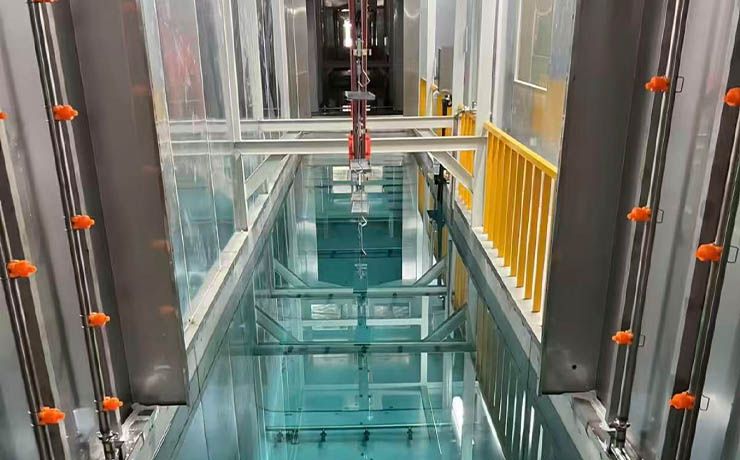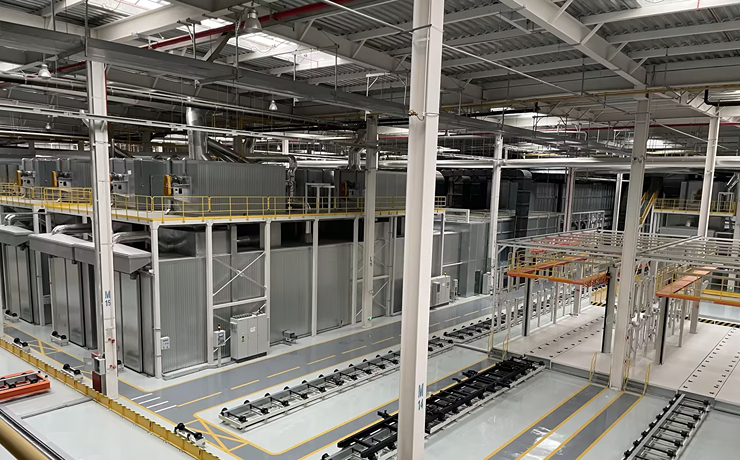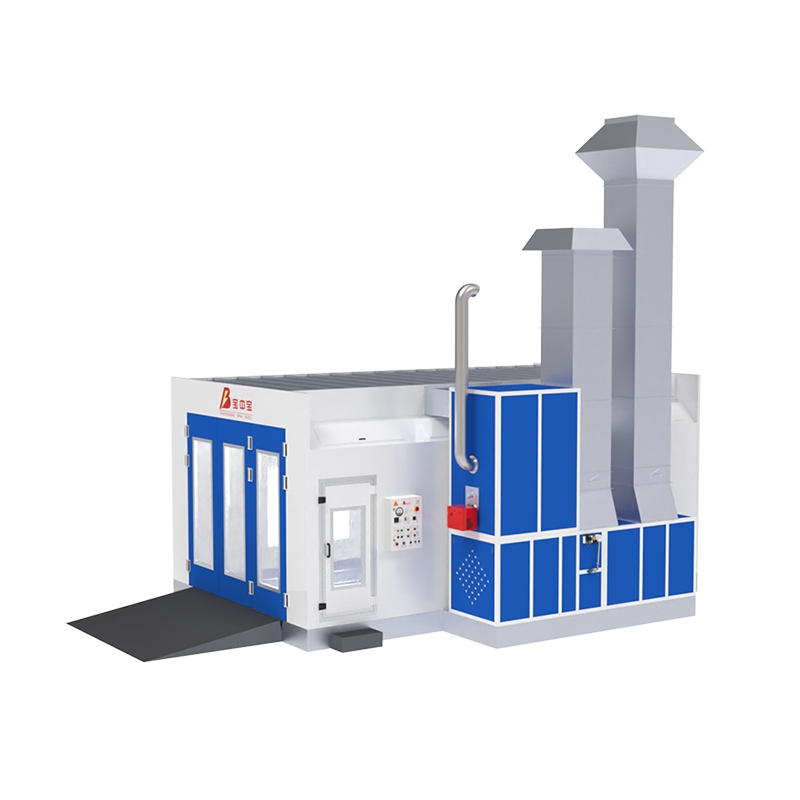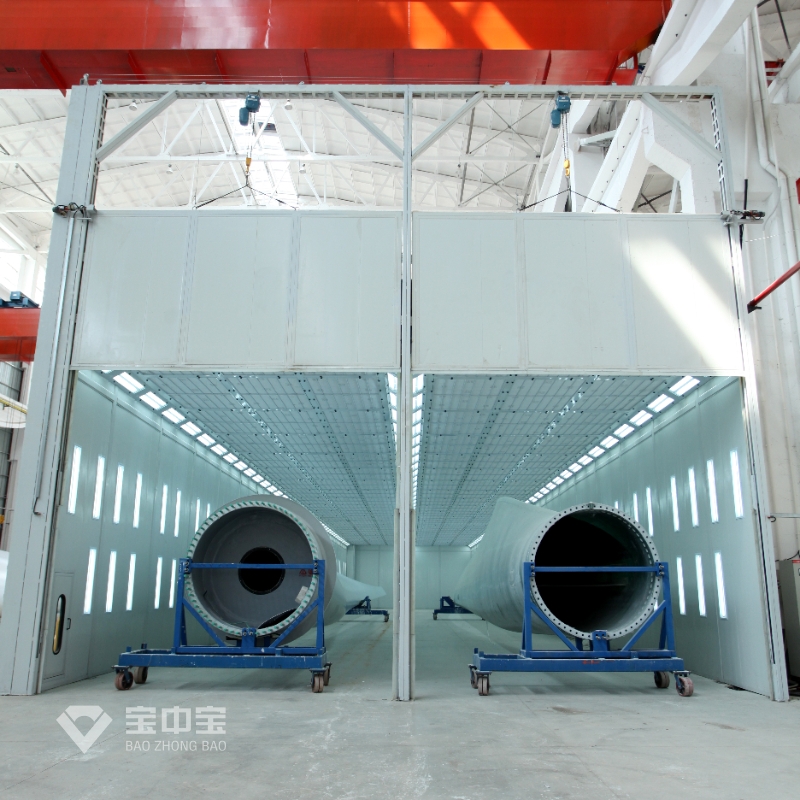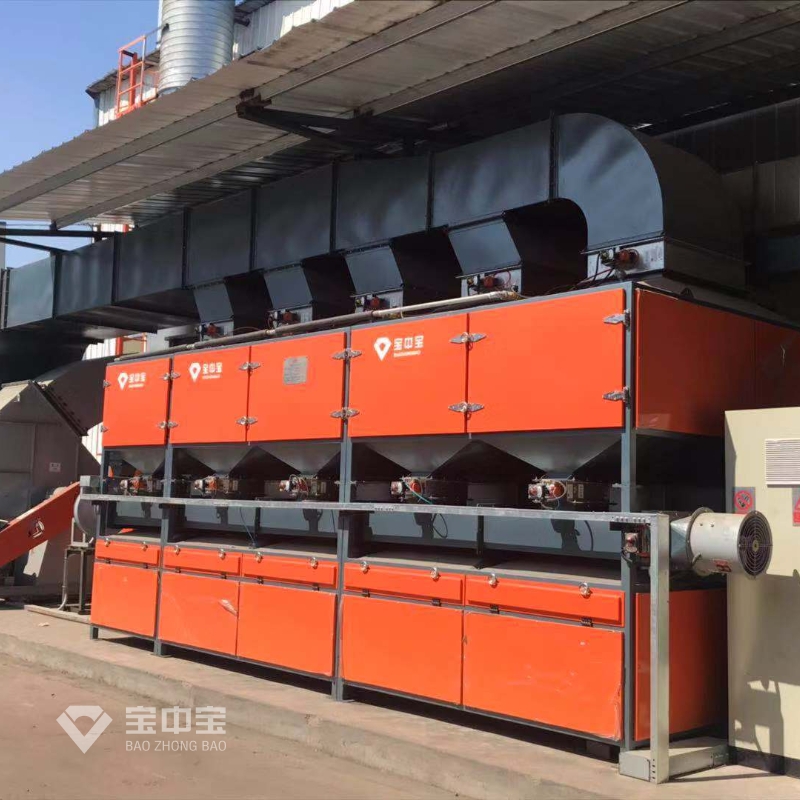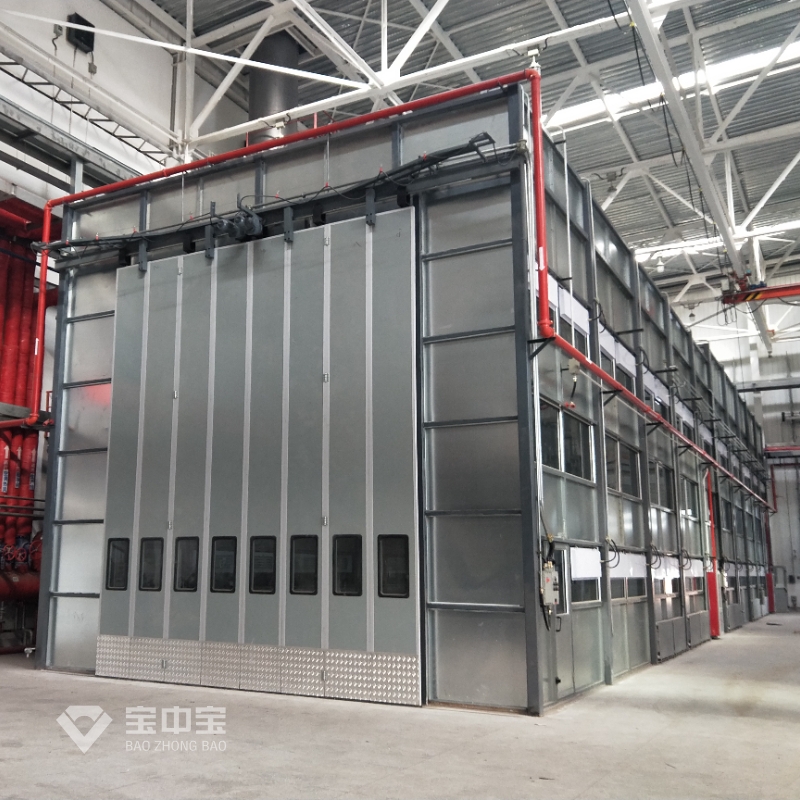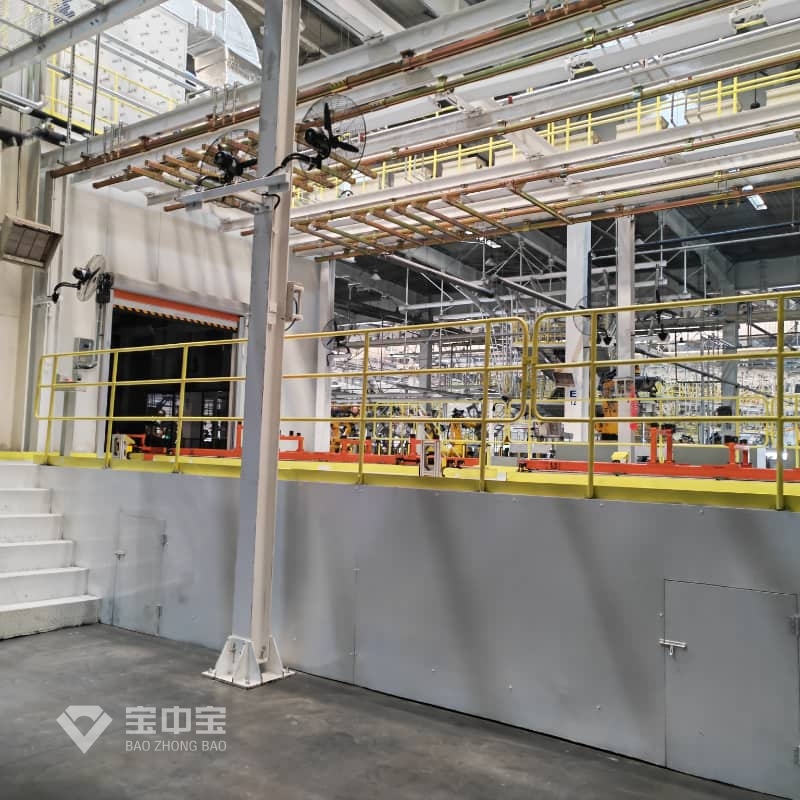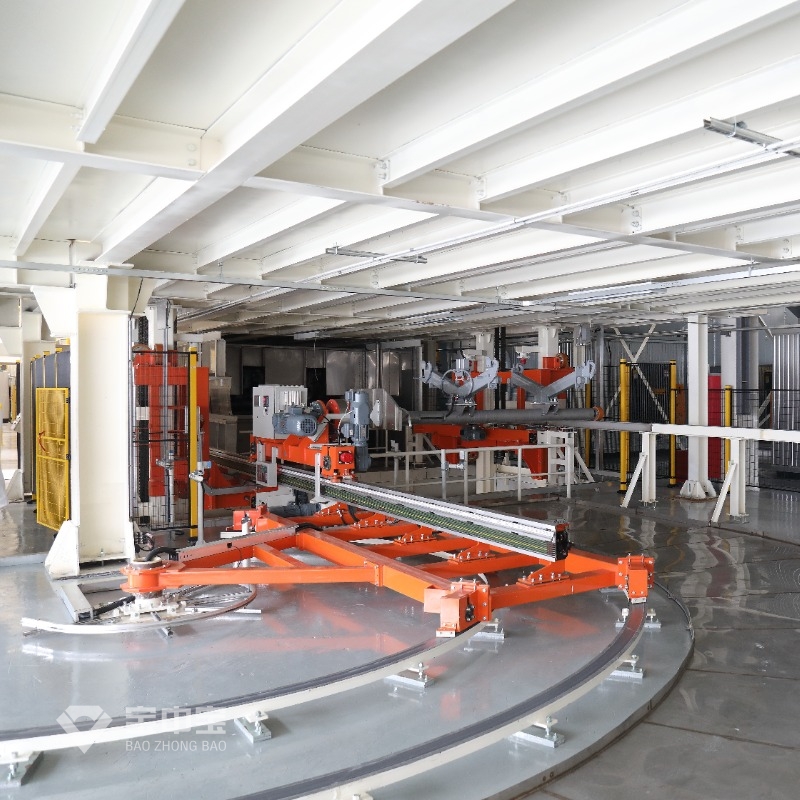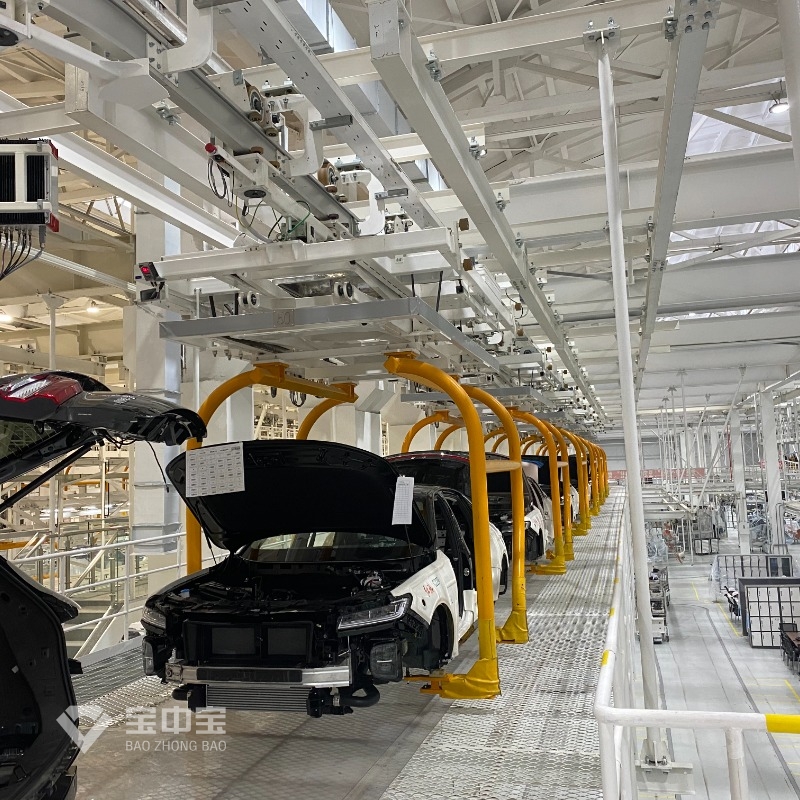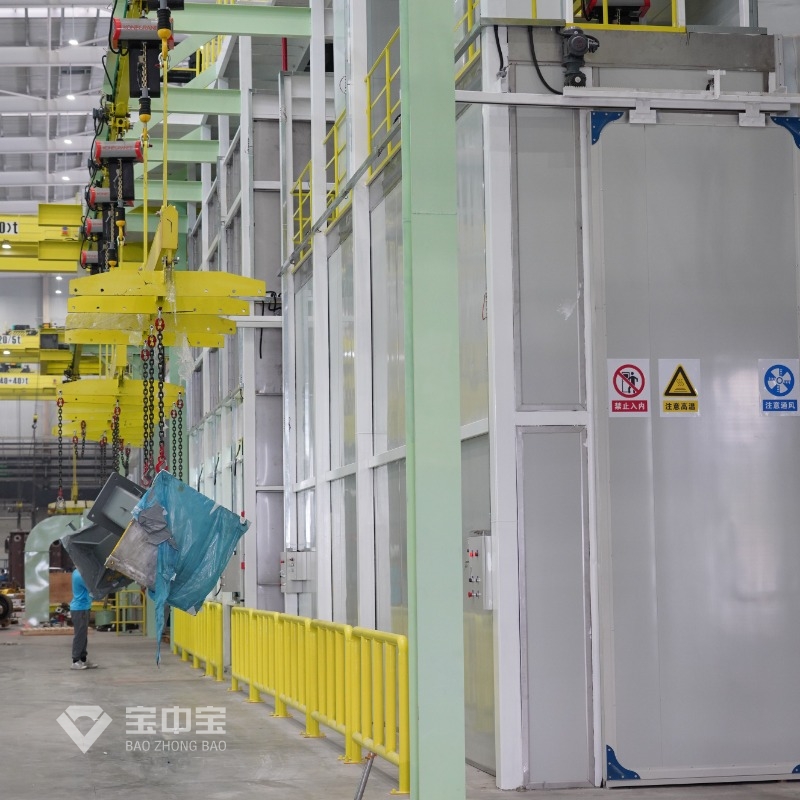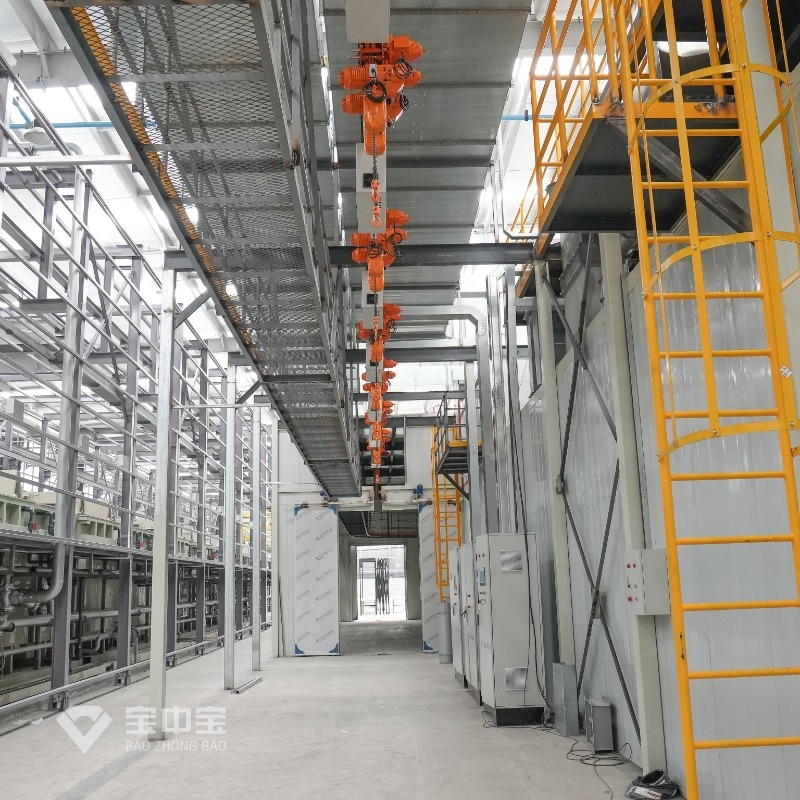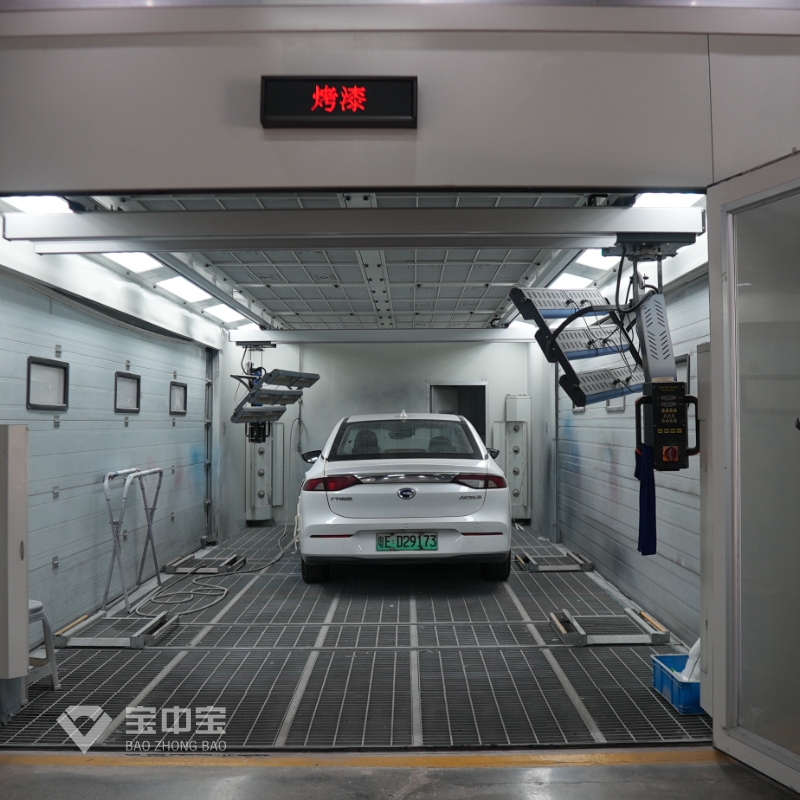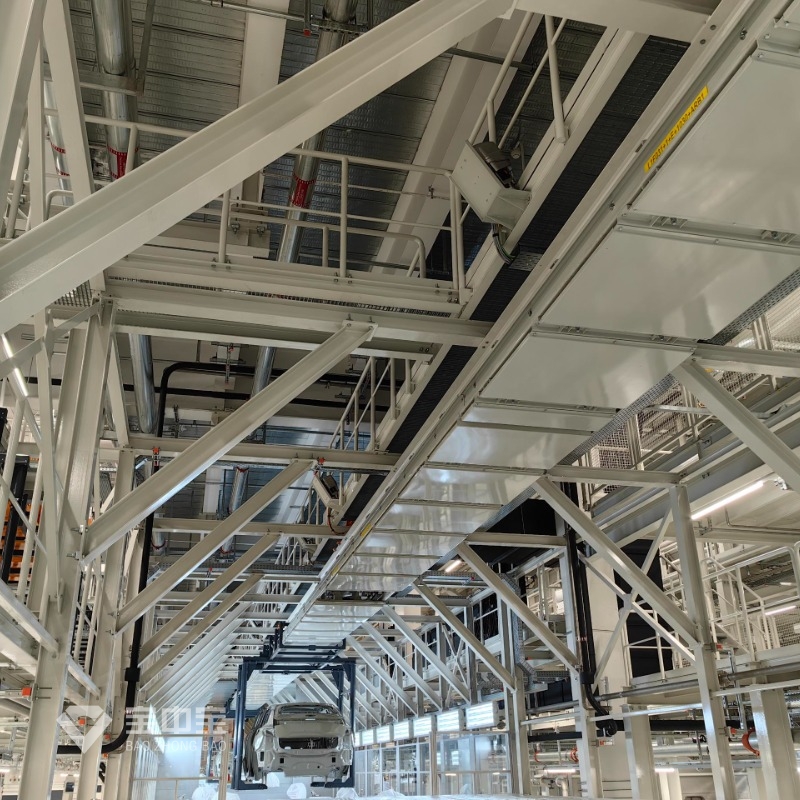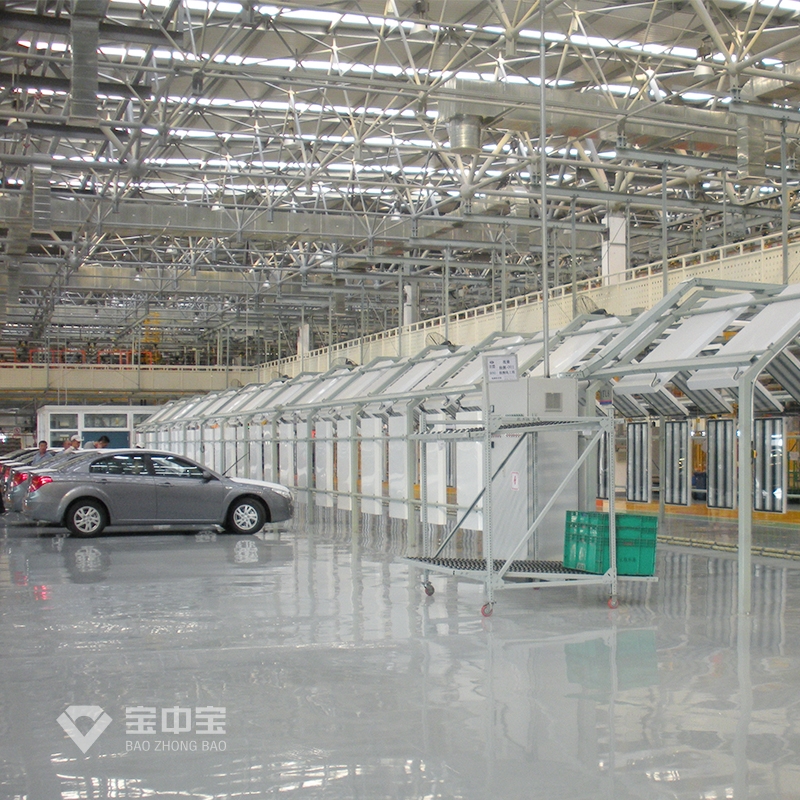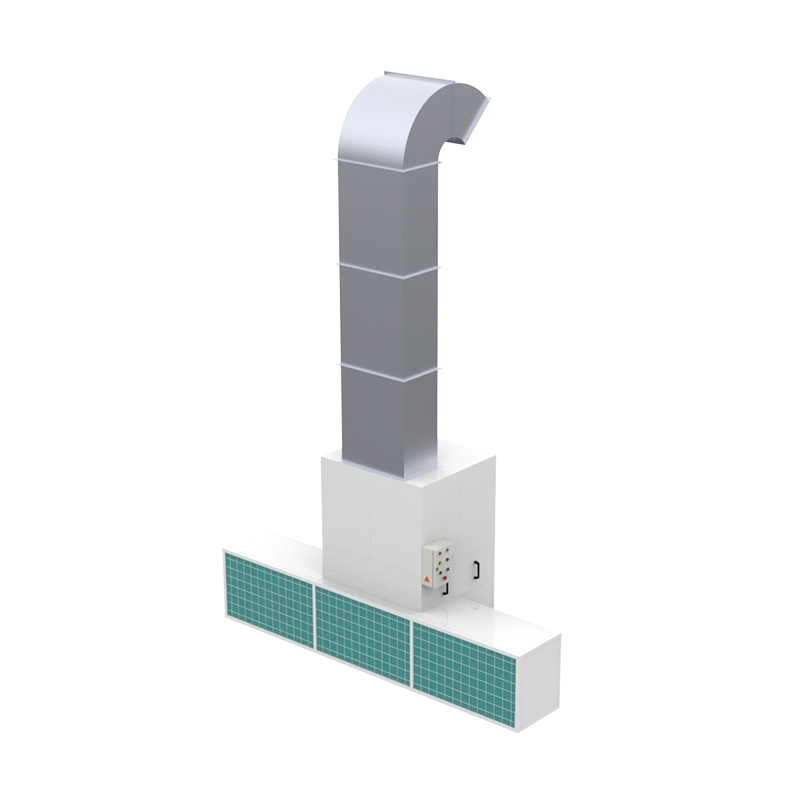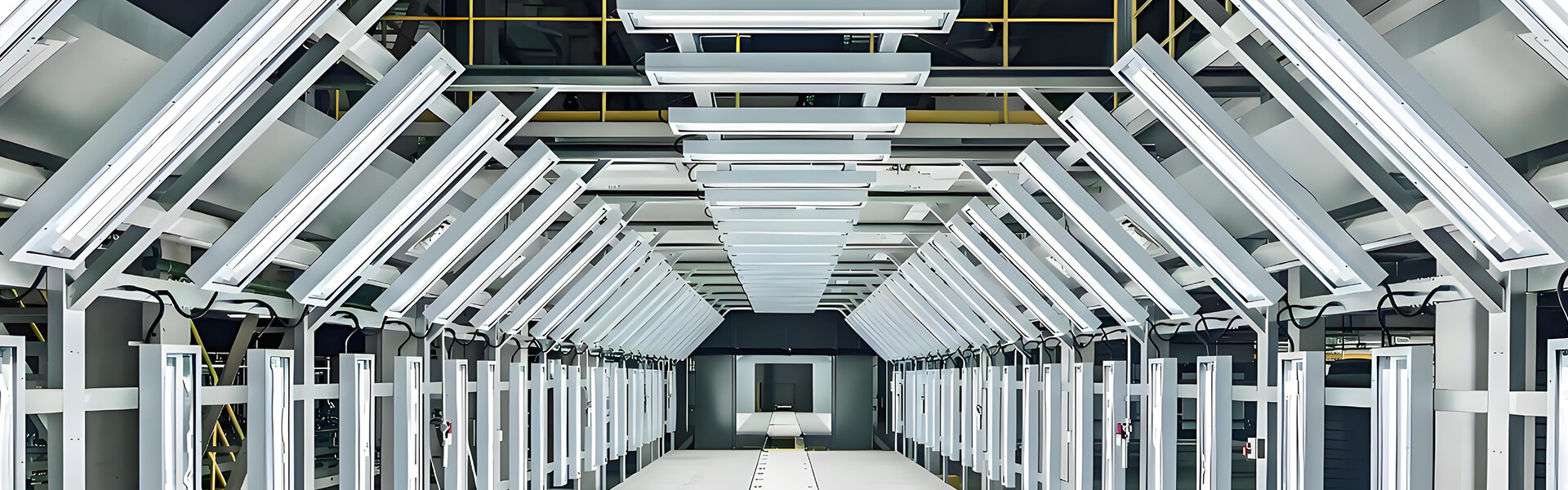

A Standard Spray Booth needs properly planned electrical power, exhaust and make-up air, compressed air, and—depending on its design—heating, water, drainage, and gas connections. These utilities support safe airflow, consistent coating application, and reliable production. Getting the requirements right helps a business avoid installation delays, finish defects, unplanned downtime, and preventable safety risks. The exact utility schedule depends on the booth type, coating process, site conditions, and locally adopted codes.

How spray booth utility needs developed
As industrial painting moved from open work areas into enclosed booths, manufacturers needed a controlled way to capture overspray and move paint vapors away from workers and equipment. Mechanical ventilation became central to booth design. Later, more consistent coating processes brought greater use of filtered make-up air, temperature control, compressed-air systems, and integrated electrical controls.
Today, a booth is part of a connected finishing system—not just an enclosure with a fan. Its utility plan must account for the booth, air-handling equipment, spray equipment, controls, and the building services that support them. Jingzhongjing Group can help customers consider these connections when planning a booth project, but final selections and installation should be confirmed against the specific project documents and local requirements.
What Utilities Are Required for a Standard Spray Booth? Start with the core systems
The following list covers common spray booth utility requirements. Not every booth uses every service. For example, a water-wash booth needs a water and sludge-management plan, while a dry-filter booth generally uses replaceable filter media instead.
| Utility or system | What it supports | What to confirm |
|---|---|---|
| Electrical power | Fans, pumps, lights, controls, heaters, and conveyors | Voltage, phase, frequency, full-load current, motor starting, disconnects, and electrical classification |
| Exhaust and make-up air | Contaminant capture, airflow, and pressure balance | Fan capacity, duct route, discharge location, filter loading, and replacement air |
| Compressed air | Spray guns, pneumatic controls, and some cleaning equipment | Required pressure and flow, air quality, regulator capacity, and moisture removal |
| Heating or fuel | Air tempering or curing, where the booth is designed for it | Heat source, burner requirements, fuel availability, controls, and interlocks |
| Water and drainage | Water-wash capture or cleaning, when specified | Supply capacity, recirculation, treatment, drain approvals, and waste handling |
| Grounding and bonding | Electrical safety and control of static charge | Continuity, bonding points, and inspection procedures |
Ventilation and make-up air are essential
Exhaust ventilation carries overspray and vapors out of the booth through a designed filter and duct path. Make-up air replaces the exhausted air and helps maintain the intended pressure balance. If exhaust and supply air are poorly matched, doors may be difficult to operate, contaminants may escape into surrounding work areas, or the finish may be affected by turbulent airflow.
Do not choose a fan based only on its nameplate airflow. The system must account for booth dimensions, filter resistance, duct layout, bends, discharge conditions, and the coating process. As filters collect overspray, their pressure drop changes; a maintenance plan should include checking filter condition and, where fitted, differential-pressure indicators.
Air velocity targets are design-specific, not universal. As an illustrative commissioning example only, a project team might measure airflow at several points across a defined opening and compare the results with the approved design specification. A reading such as 0.5 m/s should never be treated as a default requirement for every booth. The supplier, ventilation designer, and authority having jurisdiction should establish the correct acceptance criteria.
Electrical power, controls, and hazardous-area planning
Electrical loads can include exhaust and supply fans, lighting, pumps, heaters, conveyors, and control panels. Before installation, prepare a load schedule that identifies each device’s voltage, phase, frequency, rated current, starting characteristics, and required disconnect. A building’s available service may need review before equipment is ordered.
Paint vapors and combustible materials make electrical design a critical safety matter. The applicable electrical classification, equipment location, wiring method, and protective devices must be determined by qualified professionals under the locally adopted rules. NFPA 33 addresses spray application using flammable or combustible materials, while NFPA 70 (the National Electrical Code in the United States) may apply to electrical installation. Requirements vary by jurisdiction and edition, so confirm the rules adopted for the project rather than relying on a generic checklist.
Controls should also include the required operating interlocks. Depending on the system design, these may prevent spraying when ventilation is not proven or prevent heating from operating outside its permitted sequence. The equipment manufacturer’s instructions and approved control drawings should define the actual logic.
Compressed air, heating, water, and drainage
Compressed air for spray equipment
Spray guns and pneumatic devices need a stable supply of clean, dry compressed air. Confirm pressure and flow at the point of use—not just at the compressor. Undersized pipe, long runs, leaks, or a clogged filter can cause pressure drop and inconsistent atomization. Water and oil carryover can also create coating defects such as fisheyes or poor adhesion. A typical preparation plan identifies the compressor, receiver, dryer, particulate filtration, regulator, hose, and connection size required by the spray equipment manufacturer.
Heating and fuel connections
Some booths temper incoming air or provide a bake or cure cycle; others operate without process heating. The required utility may be electricity, natural gas, another approved fuel, or a separate heat source, depending on the design. Confirm burner capacity, ventilation sequence, temperature controls, fuel shutoffs, and interlocks with the system supplier and qualified installer. Never assume a booth includes a heater just because heating is common in a particular industry.
Water and wastewater provisions
Water-wash booths may require a water supply, recirculation pump, reservoir, and a method to manage paint sludge. Water use does not mean booth wastewater can be sent directly to a floor drain. Confirm local discharge rules, pretreatment needs, and waste disposal procedures before connecting plumbing. Dry-filter booths usually do not need process water, but they do need a safe plan for handling spent filters and collected coating waste.
Safety, grounding, and quality checks
Grounding and bonding help reduce electrical hazards and static-charge concerns when correctly designed and maintained. Include accessible bonding points and a documented inspection routine. Also plan for safe filter changes, fan and motor access, fire protection provisions where required, emergency shutdowns, and maintenance isolation.
Commissioning should be based on the approved design and equipment manuals. A practical handover may document airflow readings, fan rotation, electrical checks, control and interlock operation, compressed-air pressure at the point of use, and filter installation. Record actual measurements rather than relying on a verbal claim that the booth is ready.
For filter-media characterization, ASTM D737 describes a method for measuring air permeability of textile fabrics and may be relevant to certain media. It is not a spray-booth certification or a substitute for system-level airflow testing. Apply only standards that fit the material and test purpose; the project’s governing codes and equipment requirements remain controlling.
Common utility-planning mistakes to avoid
- Assuming every booth has the same requirements: A dry-filter booth, water-wash booth, and heated curing booth can have different utility schedules.
- Checking only the compressor pressure: Verify pressure and flow at the spray gun while the system is operating.
- Ignoring make-up air: Exhaust capacity without suitable replacement air can undermine booth performance and building pressure balance.
- Ordering equipment before confirming building capacity: Check the electrical service, fuel supply, duct route, ceiling height, and equipment access early.
- Treating a standard as a universal approval: ASTM or other test methods address specific measurements; they do not replace code review or installation approval.
- Forgetting ongoing utility costs: Fan energy, compressed air, heating, filter replacement, and waste handling all affect operating cost.
A practical planning example
Consider an automotive refinishing shop planning a heated, dry-filter booth. Its project team first confirms the booth dimensions and coating process. An electrician checks available power against the fan, lighting, heater, and control loads. A ventilation professional reviews the exhaust path and make-up air. The shop then verifies the spray gun’s air demand at the point of use, confirms fuel and burner provisions with the installer, and establishes a procedure for used-filter disposal.
At commissioning, the team records measured airflow at the locations required by the design, checks fan rotation and safety interlocks, and verifies spray-gun air pressure during operation. These results create a baseline for future maintenance. The example shows why answering What Utilities Are Required for a Standard Spray Booth? begins with the actual process and site—not a one-size-fits-all list.
Questions to ask before ordering a booth
- What are the booth’s electrical load, supply voltage, phase, and frequency?
- What exhaust and make-up air arrangements are included, and what site ductwork is required?
- What compressed-air pressure, flow, and air quality does the spray equipment need?
- Does the booth need heating, fuel, water, drainage, or wastewater treatment?
- Which local codes, permits, inspections, and electrical classifications apply?
- What measurements and functional checks will be included in commissioning and handover?
Plan utilities around the complete finishing process
In short, the core spray booth utility requirements are electrical power, correctly designed exhaust and make-up air, and clean compressed air. Heating, fuel, water, drainage, and additional process connections depend on the booth configuration. Confirm the equipment schedule, site capacity, applicable codes, and commissioning checks before installation.
Jingzhongjing Group can be part of the planning conversation when you are evaluating booth configurations and project requirements. Share the intended coating process, workpiece dimensions, available building services, and local project constraints with your booth supplier and qualified installers. A clear utility plan helps turn the question What Utilities Are Required for a Standard Spray Booth? into a safer, more dependable production setup.