News
Nov. 20, 2026
An Automotive Painting System RFQ, or request for quotation, is a structured document that tells equipment suppliers what a paint line must process, how it must perform, and what the supplier must deliver. For a manufacturer working with Jingzhongjing Group or evaluating other qualified suppliers, a complete RFQ can reduce design gaps, make bids easier to compare, and help control installation and operating costs.
In practical terms, What to Include in an Automotive Painting System RFQ comes down to clear production data, process requirements, technical limits, acceptance criteria, and commercial responsibilities. The more precise the requirements, the less room there is for assumptions that can cause delays or costly changes later.

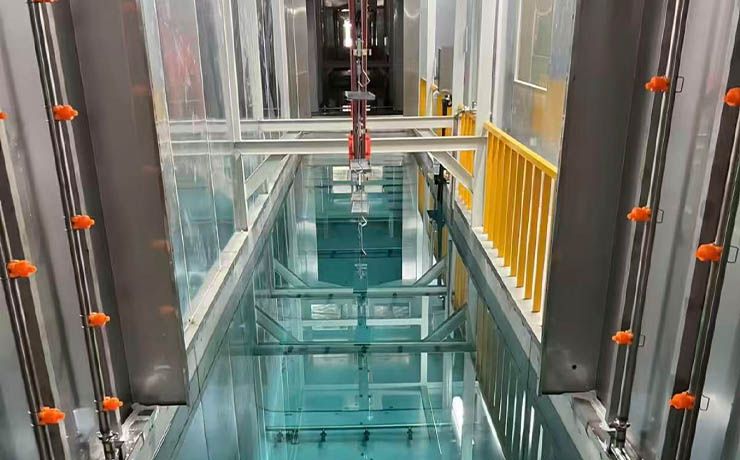
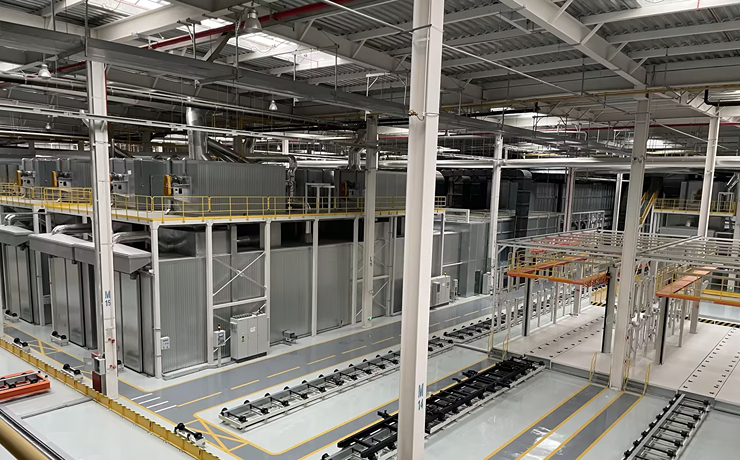
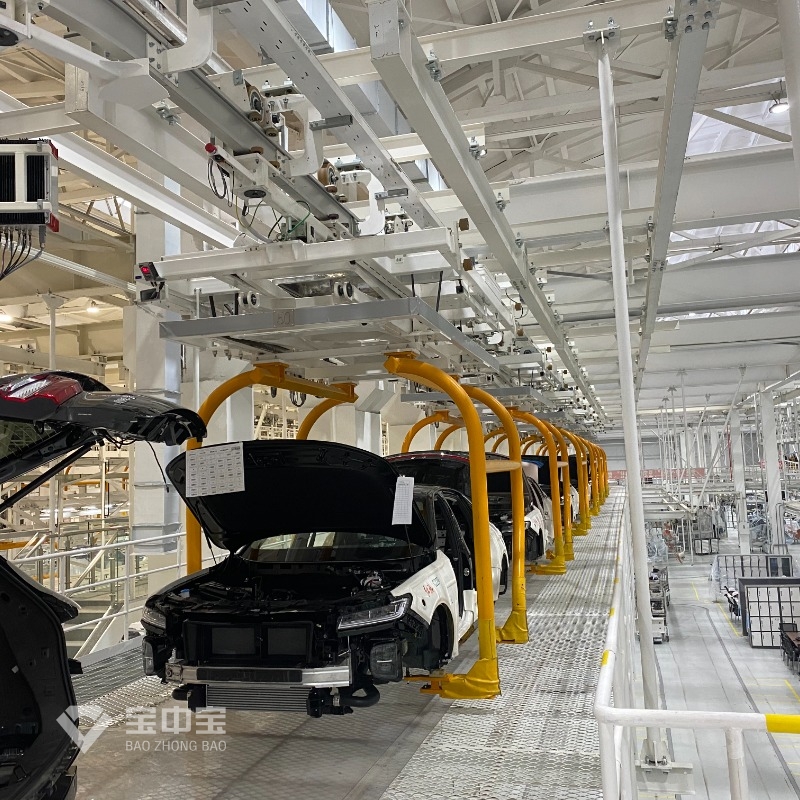
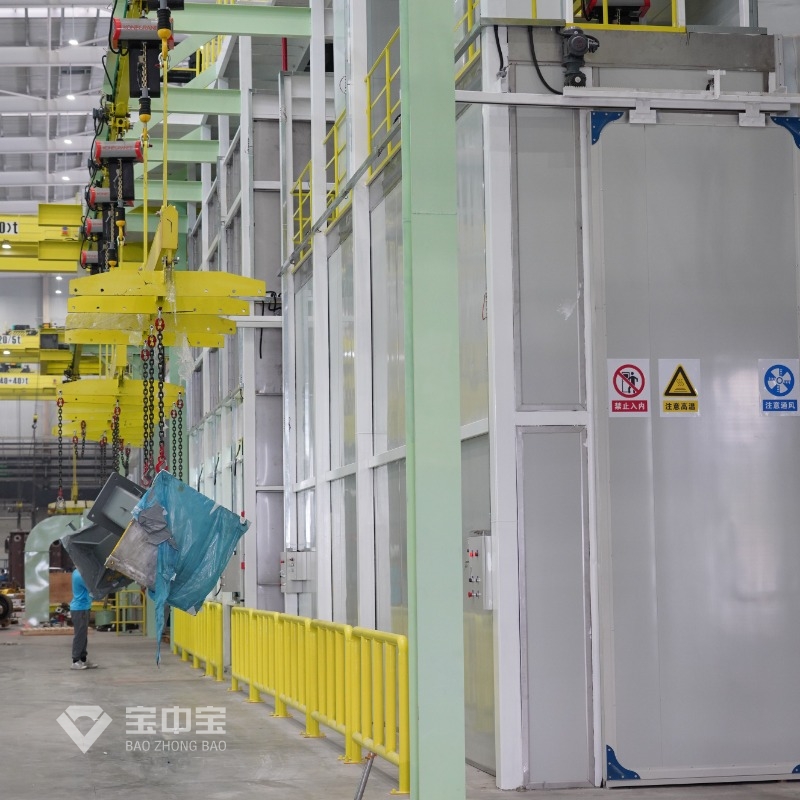
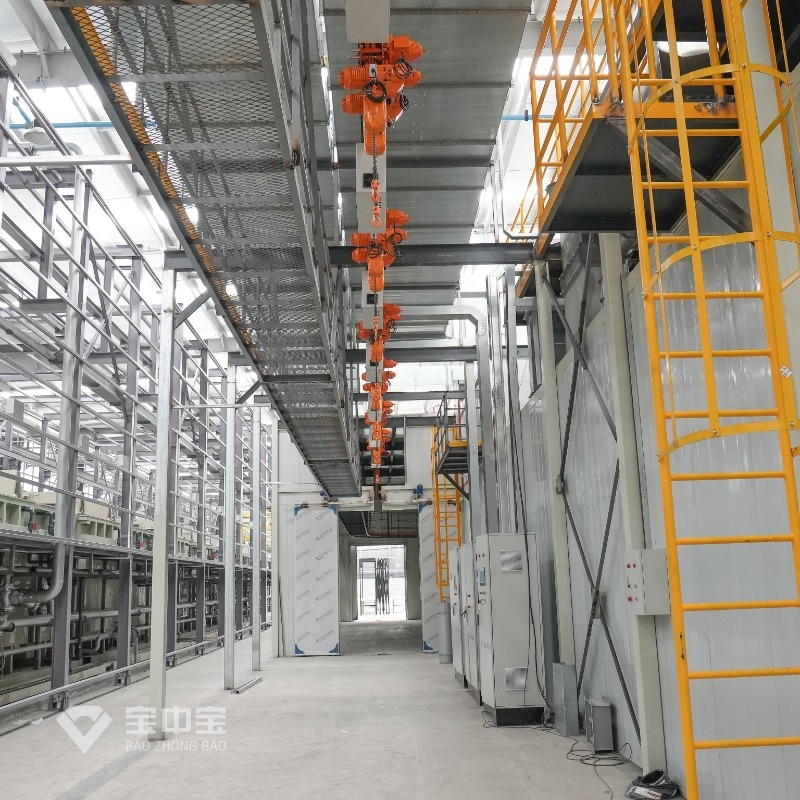
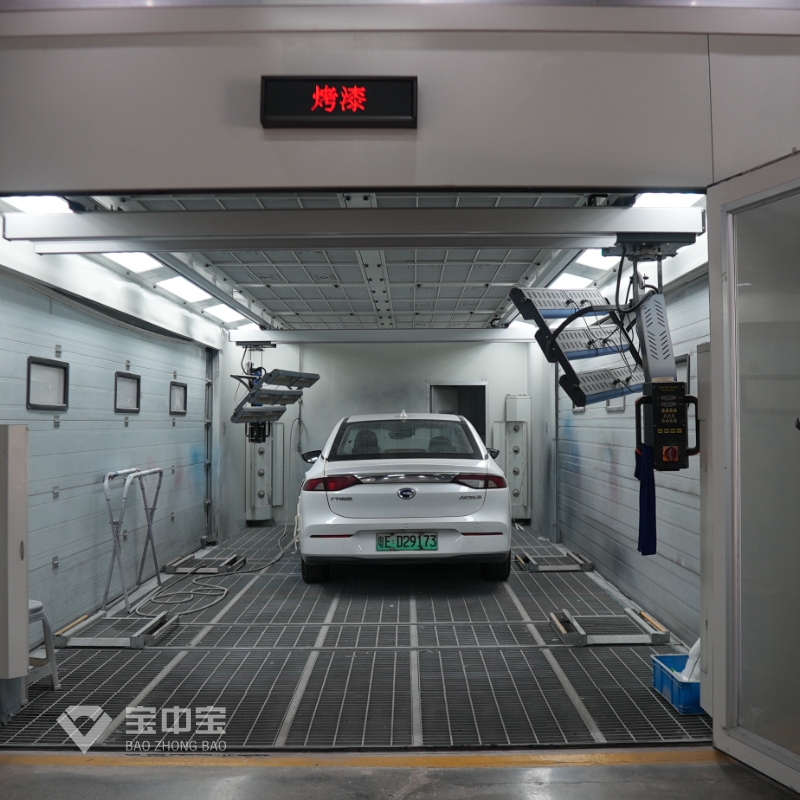
Automotive coating operations have developed from relatively simple spray areas into integrated production systems. Modern lines may combine pretreatment, electrodeposition coating, sealer application, primer, basecoat, clearcoat, flash-off, curing ovens, material handling, ventilation, and process controls. Each stage affects finish quality, throughput, energy use, safety, and environmental compliance.
As vehicle designs and coating materials have changed, so have the demands on paint shops. Buyers now need to define not only booth size, but also takt time, color-change strategy, humidity control, emissions requirements, traceability, and integration with the plant’s production control system. A vague request such as “supply a complete paint shop” does not tell bidders where the package begins or ends.
A well-prepared RFQ gives suppliers a common technical baseline. It also helps a buyer assess lifecycle value rather than comparing only the initial purchase price. For Jingzhongjing Group projects, as for any system procurement, the RFQ should make the intended scope and measurable outcomes explicit without assuming capabilities that have not been verified.
Start by defining exactly what the supplier is expected to engineer, manufacture, deliver, install, and commission. Identify battery limits—the physical and functional boundaries between the supplier’s package and the plant’s existing systems.
Ask bidders to list every assumption and exclusion in a separate schedule. This makes scope differences visible before commercial evaluation.
Suppliers need accurate information about the workpieces and planned output to size the line. Include representative part drawings or 3D models where available, along with the maximum envelope dimensions, material, mass, hanging points, and surface condition.
Do not give only an annual production target. Two plants with the same annual volume may need very different equipment if one runs continuously and the other has short, high-volume shifts.
Describe the required coating stack and the process sequence. Depending on the project, this may include cleaning and pretreatment, electrocoat, sealing, primer, basecoat, clearcoat, or a powder-coating stage. Identify the coating chemistry and whether materials are waterborne, solventborne, powder, or a combination.
State the finish requirements that can be measured or inspected, such as dry-film thickness ranges, color tolerance, gloss, appearance, adhesion, corrosion performance, and allowable surface defects. Set values with the coating supplier and product specification; there is no single film-thickness target that is correct for every vehicle part or coating system.
Where relevant, name the test method and acceptance rule. For example, ASTM D3359 can be specified for tape-test adhesion, ASTM D523 for specular gloss, and ISO 8501-1 for visual assessment of rust grades and surface preparation on steel. Define the applicable method, test location, sample size, conditioning, and pass/fail limits in the project specification. Do not assume a standard alone defines the acceptance threshold.
Provide the operating conditions the equipment must maintain. These are essential design inputs for airflow, filtration, heating, cooling, humidity control, and energy calculations.
Specify whether oven performance is measured by air temperature, part-metal temperature, or both. For a curing process, the part-metal-temperature profile and dwell time are often central to confirming that the coating receives the required cure.
Define the control architecture and required level of plant integration. Name the preferred PLC and HMI platform if standardization is important, and state the communication protocols, recipe management needs, alarms, data retention period, and production reporting requirements.
Include the applicable local building, electrical, fire, occupational safety, and environmental rules. NFPA 33 is a relevant reference for spray application using flammable or combustible materials in jurisdictions that adopt it; confirm the edition and local authority requirements for the project. The RFQ should also identify required interlocks, emergency stops, fire detection or suppression interfaces, and hazardous-area classifications.
Request a hazard assessment and a list of safety functions. A supplier proposal should explain how ventilation, loss of airflow, high oven temperature, and other defined fault conditions trigger alarms or safe shutdowns.
Turn general expectations into a testable acceptance plan. Define the test procedure, duration, operating conditions, measuring instruments, data format, and responsible parties before contract award.
| RFQ item | What to define | Example of a measurable requirement |
|---|---|---|
| Throughput | Product mix, operating window, and counting method | Demonstrate the agreed parts-per-hour rate during a defined production trial |
| Oven performance | Sensor placement, recipe, and temperature profile | Record part-metal temperature and dwell time for representative parts |
| Finish quality | Test method, sampling plan, and limits | Assess adhesion using the agreed ASTM D3359 method and project acceptance criteria |
| Inspection records | Inspection stages, records, and corrective-action process | Require 100% inspection of listed safety-critical functions before shipment or handover |
| Service response | Coverage hours, escalation route, and response definition | Set a 24-hour initial-response target for designated critical support requests, if required |
The figures above are examples of how to express measurable requirements, not universal industry limits or a guarantee of supplier performance. Set project-specific targets based on the product, process, and business case. Distinguish an initial response time from on-site repair time, and distinguish a factory acceptance test from a site acceptance test.
Paint-line equipment is a long-term production asset. Specify the documentation and support needed after delivery, not just the equipment list.
For comparable bids, give all suppliers the same pricing template. Request a breakdown for engineering, equipment, freight, installation, commissioning, training, optional items, and recommended spares. State the required delivery point, currency, taxes, payment milestones, quotation validity, and proposed schedule.
Ask each bidder to return a compliance matrix with three clear responses: compliant, exception, or clarification required. Require a deviations list, project schedule, utility-consumption estimate, and list of buyer-furnished items. A 24-hour clarification-response target may be useful during a short bid period, but it should be written as a project communication requirement rather than treated as a standard supplier capability.
Consider a hypothetical plant adding a coating line for metal components. Its first draft asks for a “high-quality automated paint system.” That wording leaves throughput, part dimensions, coating sequence, oven cure, and acceptance testing undefined.
The improved RFQ identifies the maximum component envelope and mass, provides a representative product mix, states the planned shift pattern, and defines the required parts-per-hour rate. It then specifies the coating stack, finish tests, utility conditions, booth cleanliness target, oven profile, PLC interfaces, and safety requirements. Finally, it asks bidders to price the same equipment scope and demonstrate agreed performance during FAT and SAT.
For example, the buyer might require documented inspection of 100% of designated safety interlocks and a production trial at the agreed operating rate. The exact duration, sampling plan, and pass criteria would be set in the contract. This example is illustrative; it is not a report of a Jingzhongjing Group installation or a guarantee of any supplier’s results.
A successful Automotive Painting System RFQ connects production needs to engineering requirements and verifiable acceptance tests. It should cover scope, parts, process, utilities, controls, safety, performance, lifecycle support, and commercial terms. Clear standards references—such as ASTM D3359, ASTM D523, ISO 8501-1, and applicable NFPA 33 requirements—help make quality and compliance discussions more precise when they are paired with project-specific test conditions and limits.
In short, What to Include in an Automotive Painting System RFQ is not just a list of machines: it is the shared technical and commercial basis for selecting, installing, and validating a production system. Use the checklist to identify missing inputs, invite suppliers such as Jingzhongjing Group to respond to the same defined scope, and resolve deviations before they become project changes. A carefully prepared automotive paint-line RFQ supports more reliable bids and a smoother path from design review to production acceptance.