News
Nov. 13, 2026
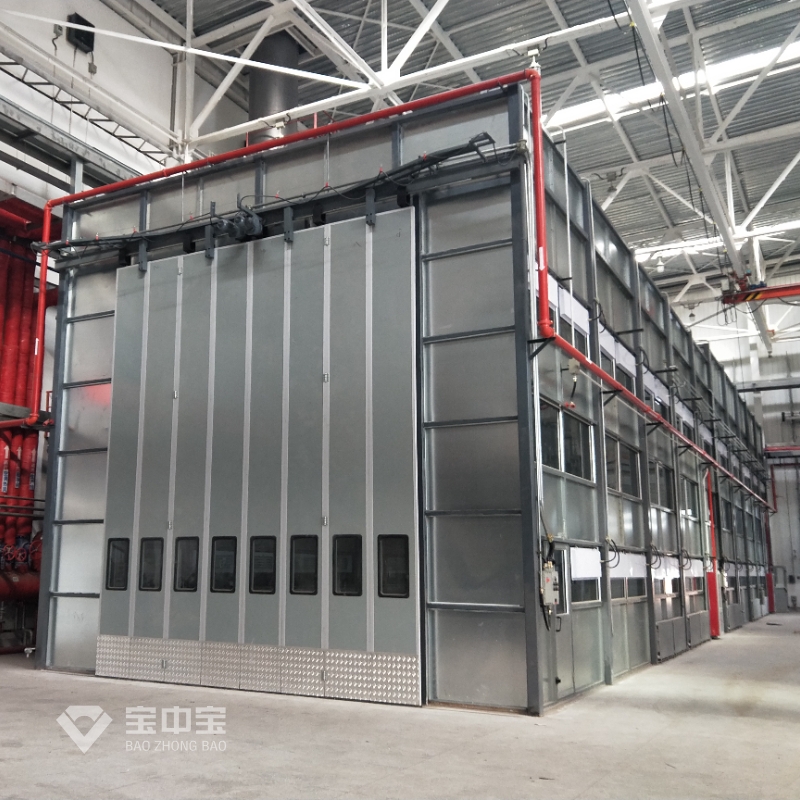
A Standard Spray Booth gives manufacturers a controlled space to apply paint, coatings, or finishes while managing overspray and directing contaminated air toward an exhaust system. Choosing one involves more than selecting a booth size: part dimensions, coating type, production rate, airflow, and local fire and building rules all affect the design. This guide covers how to choose a standard spray booth for industrial painting, compare standard spray booth specifications, and prepare a practical Standard Spray Booth RFQ checklist.

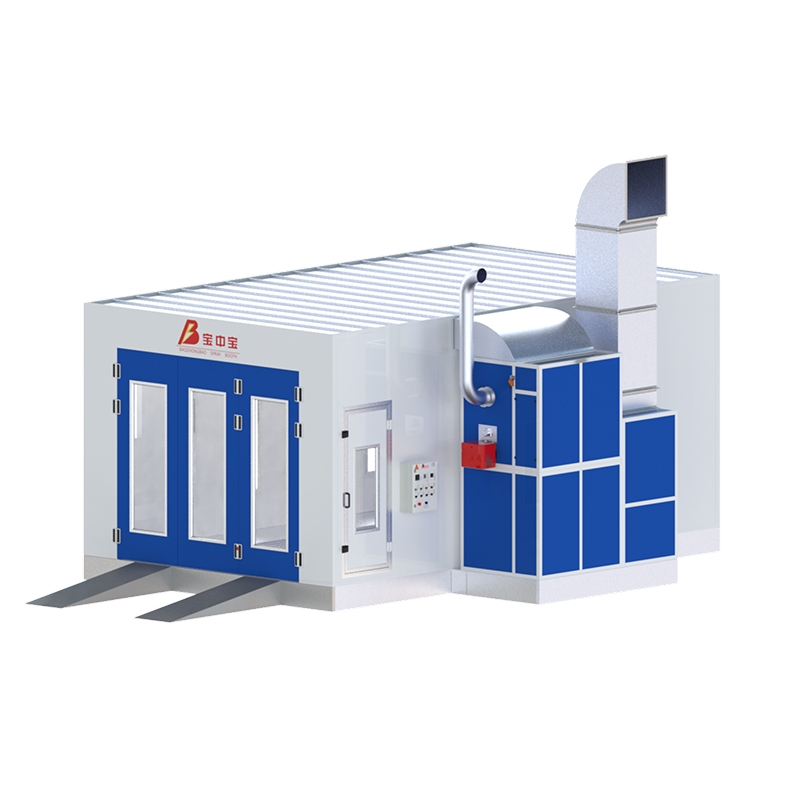
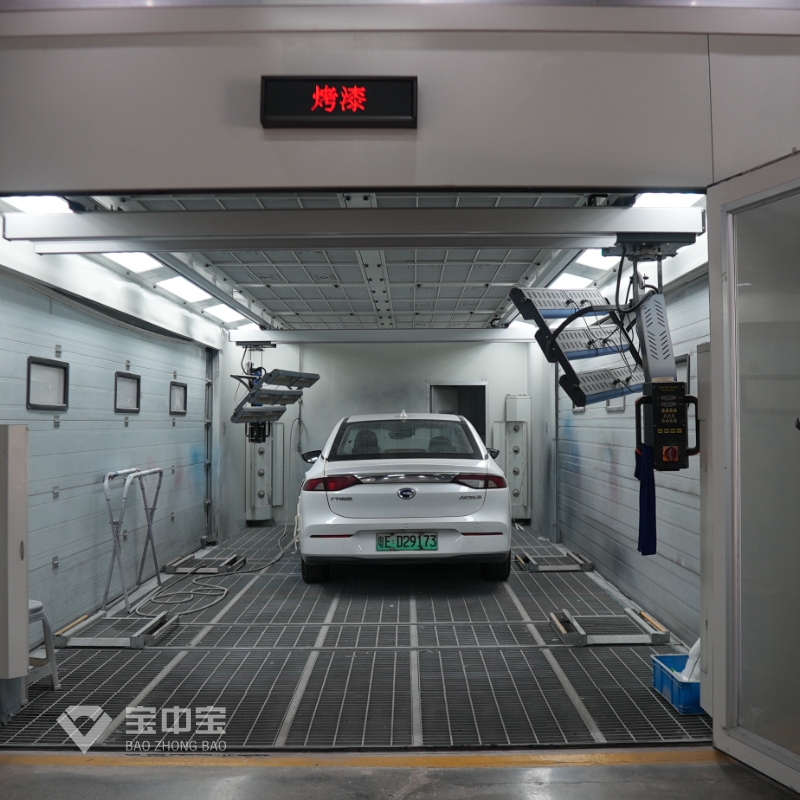
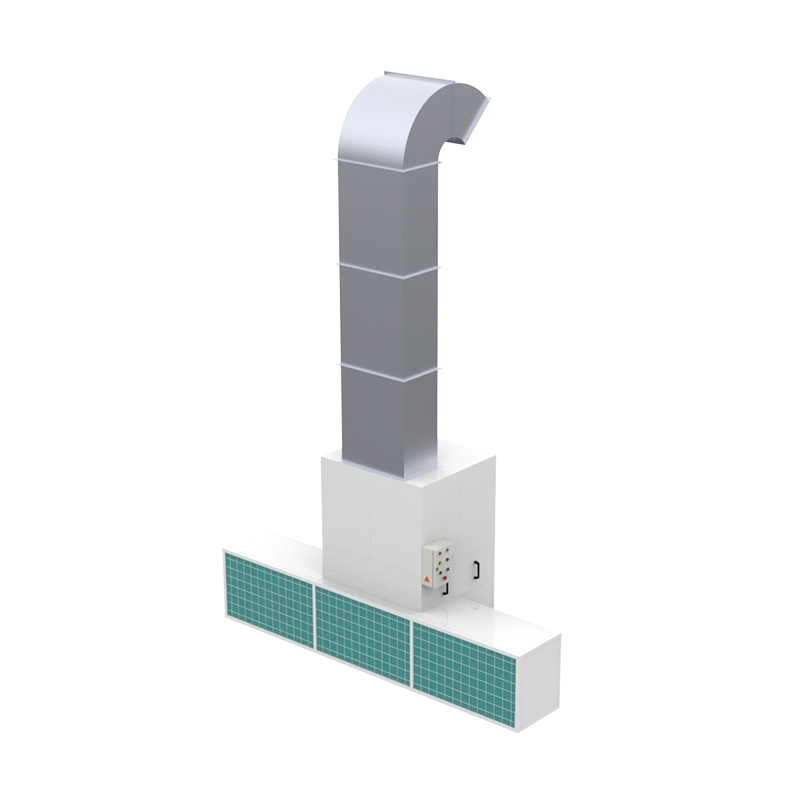
A Standard Spray Booth is an enclosed or partially enclosed, ventilated workspace built for spray application. It helps contain overspray and move airborne paint particles away from the operator and work area. Depending on the design, the booth may use dry filters or a water-wash system to capture overspray before exhaust air leaves the system.
“Standard” does not mean one universal size or configuration. It usually describes a commonly configured booth that can be adapted to a customer’s parts and process. A supplier should confirm the dimensions, airflow arrangement, filtration, heating, controls, and safety features in the quotation.
As a basic airflow estimate, multiply the booth’s open face area by the target face velocity. For example, a 10 ft by 8 ft opening has an area of 80 ft²; at an assumed 100 fpm, the simple estimate is 8,000 CFM. This is an illustration, not a design recommendation. Actual airflow requirements depend on the booth arrangement, coating, applicable codes, and a qualified engineering review.
Start with the job the booth must perform. A booth designed around small metal parts may not fit a vehicle body, a large cabinet, or a long structural component. Before requesting a quote, document the workpiece, coating, daily output, and available installation space.
For U.S. projects, OSHA’s spray-finishing requirements are addressed in 29 CFR 1910.107. NFPA 33 is also a key industry standard for spray application using flammable or combustible materials. Requirements can vary by process and location, so have the final design checked against the current editions adopted by the local authority having jurisdiction (AHJ). A supplier’s standard configuration does not replace that review.
A complete request for quotation (RFQ) helps suppliers price comparable equipment and identify missing design details early. Include the following information where available:
Ask each supplier to state the assumptions behind its proposal. For example, confirm whether the quoted airflow is a calculated design value or a measured commissioning result, and whether installation and code approvals are included. These details help prevent gaps between the equipment quote and the finished paint line.
Standard spray booths are used wherever a controlled spray area can support the coating process. Common applications include:
Some applications require a specialized booth, such as a large-object booth, a conveyorized system, a powder-coating booth, or a booth integrated with a curing oven. Confirm that the proposed system is suitable for the exact coating process rather than relying on the word “standard.”
A properly selected booth can make the painting process more controlled by containing overspray, supporting planned airflow, and providing a defined work area. These features can help protect nearby equipment and improve housekeeping. They do not guarantee a specific finish quality or productivity increase; results also depend on surface preparation, coating selection, operator technique, maintenance, and process controls.
Airflow and filter condition matter throughout the booth’s service life. Loaded filters can affect pressure drop and ventilation performance, so operators should follow the manufacturer’s inspection and replacement instructions. Keep records of filter changes, maintenance, and any required airflow checks. A commissioning report can provide a useful baseline for later inspections.
Safety is a design requirement, not an optional upgrade. Spray materials may create fire, health, or environmental risks. Review the product safety data, ventilation design, electrical equipment, fire protection, and waste handling with qualified professionals before operation. OSHA rules and applicable fire codes should be checked for the specific workplace and jurisdiction.
No. Booth design and filtration must match the coating and application method. Provide coating details and safety data sheets to the supplier, then verify the proposed setup against applicable safety requirements.
A preliminary estimate can be made by multiplying the booth opening area by a target face velocity. This does not replace an engineered design. The appropriate target depends on booth type, process, materials, and governing requirements; a qualified designer should confirm the final airflow.
A dry-filter booth captures overspray with replaceable filter media. A water-wash booth uses a water-based collection system. Each has different equipment, maintenance, water management, and waste-handling needs. Ask the supplier to explain which option suits your coating and operating conditions.
Not always. RFQs should specify whether the price includes shipping, installation, ductwork, electrical connection, fire-protection work, commissioning, training, and permits. Confirm responsibility for each item in writing.
Request an itemized scope, booth drawings, airflow and filtration assumptions, utility requirements, applicable safety documentation, delivery schedule, warranty terms, maintenance guidance, and a clear list of exclusions.
Before requesting a quote, collect part dimensions, coating information, production targets, site measurements, and local approval requirements. Use those details to complete a Standard Spray Booth RFQ checklist and ask suppliers to identify design assumptions in writing. For more guidance, review the equipment user guide and maintenance instructions before installation, and involve qualified safety and engineering professionals in the project review.
Jingzhongjing Group can be included in your supplier discussions when you compare booth configurations and project requirements. Share a complete RFQ, request a clear technical proposal, and confirm that the selected equipment fits your process and local requirements.