News
Nov. 24, 2026
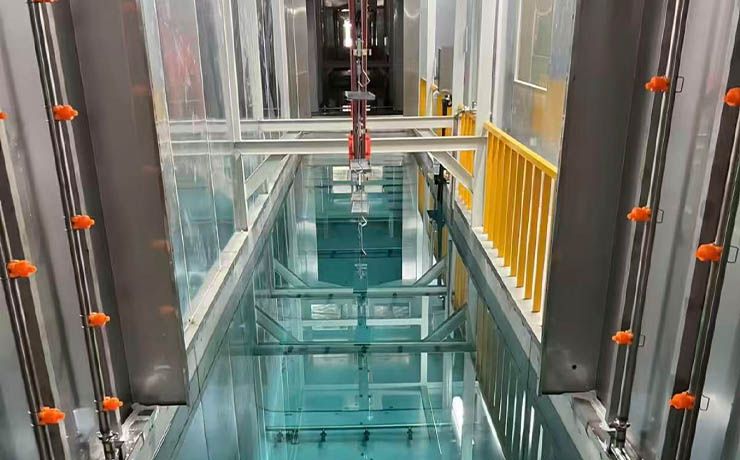
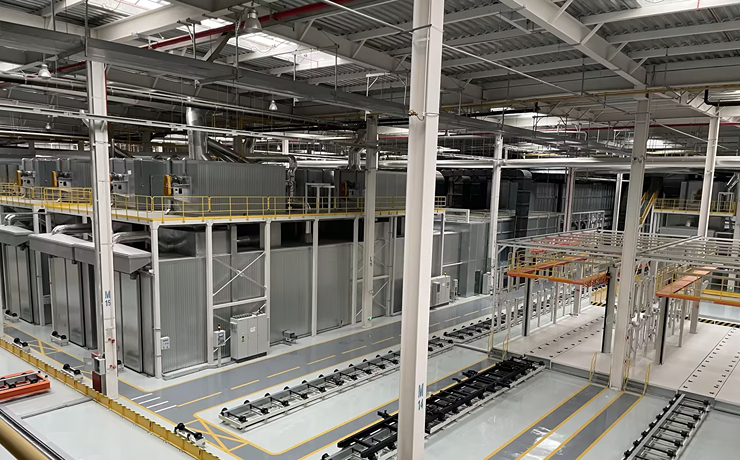
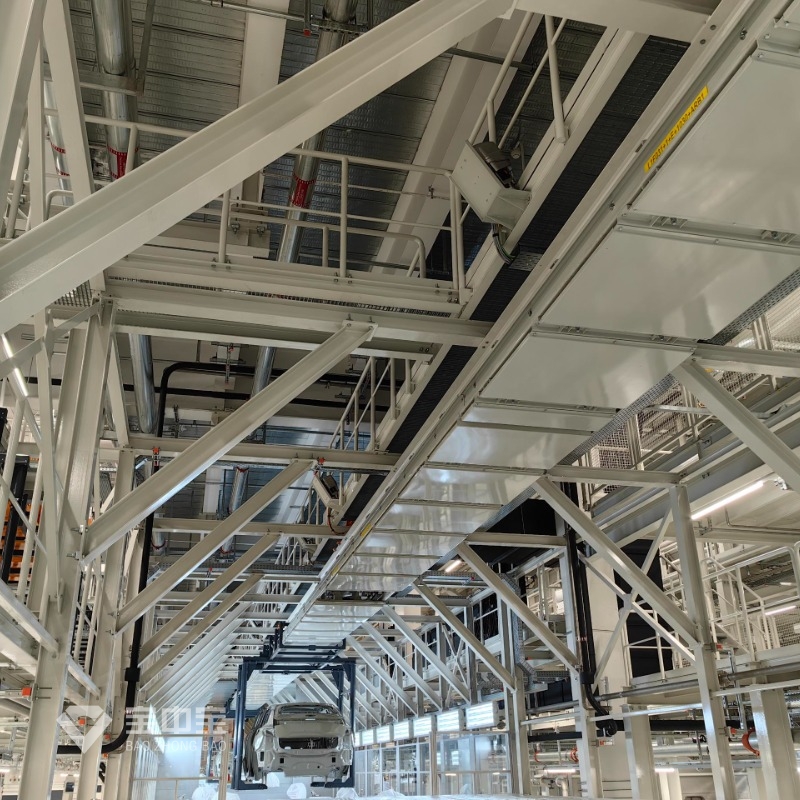
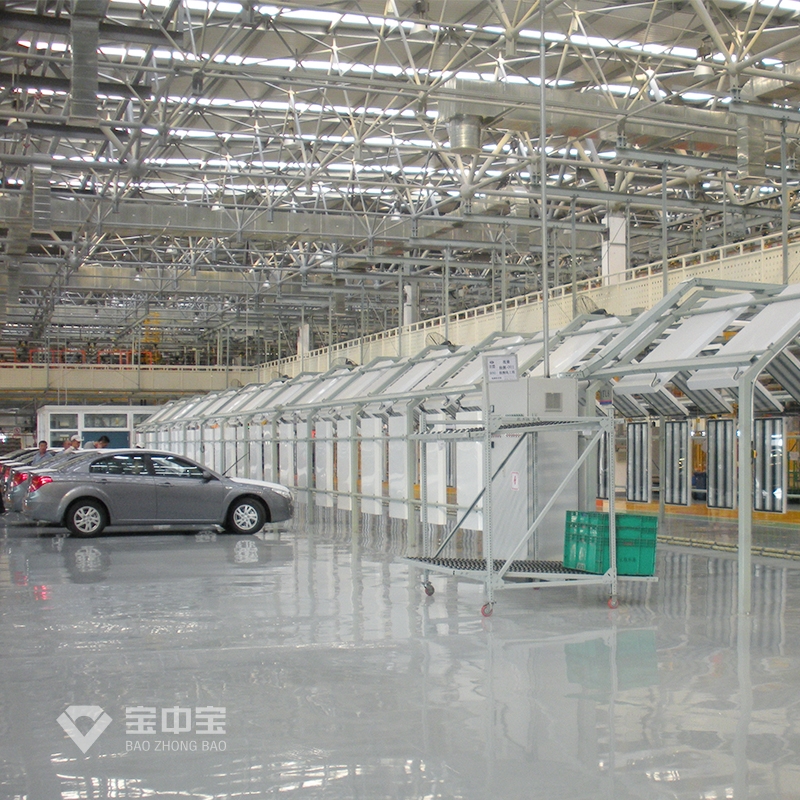
Automotive painting has moved from simple spray areas to coordinated systems that manage surface preparation, paint application, airflow, filtration, and curing. An Automotive Painting System must fit the building, the coating process, and local safety rules—not just the vehicle. This guide covers automotive paint booth installation requirements, explains the checks to make before equipment arrives, and helps readers plan an automotive spray booth ventilation review without relying on guesswork.

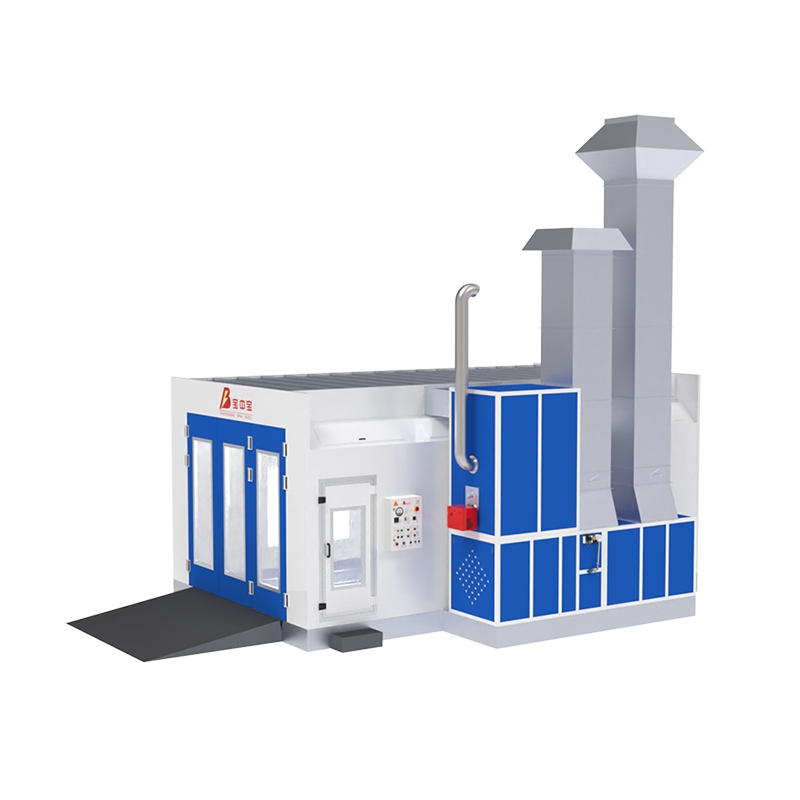
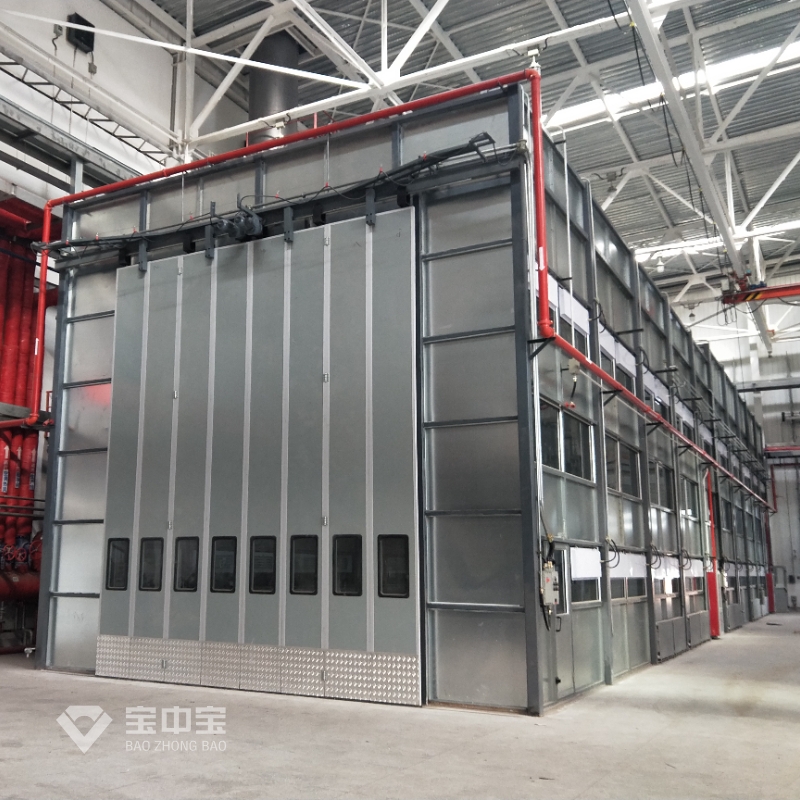
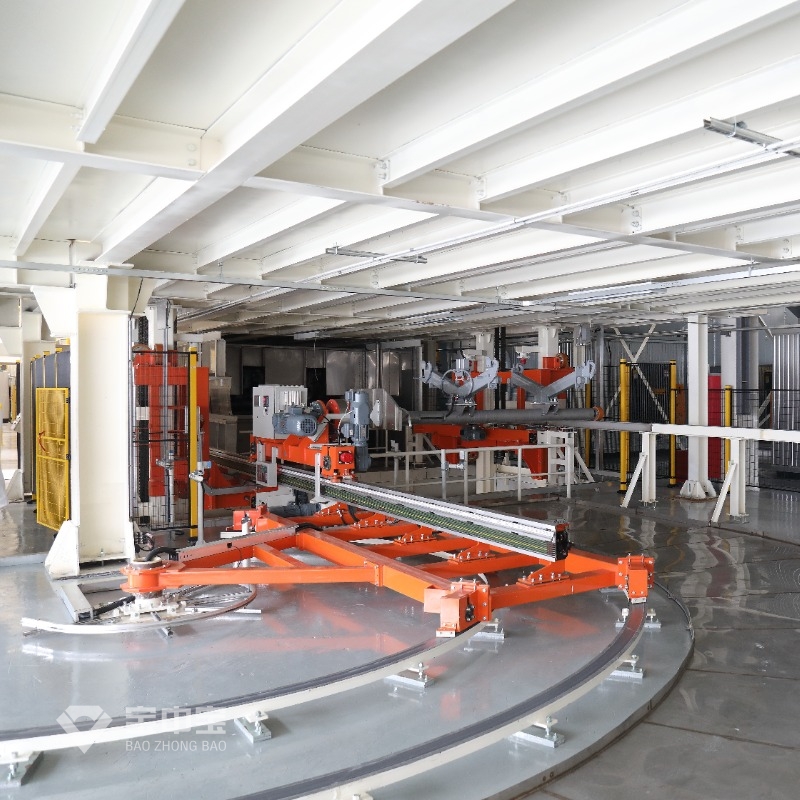
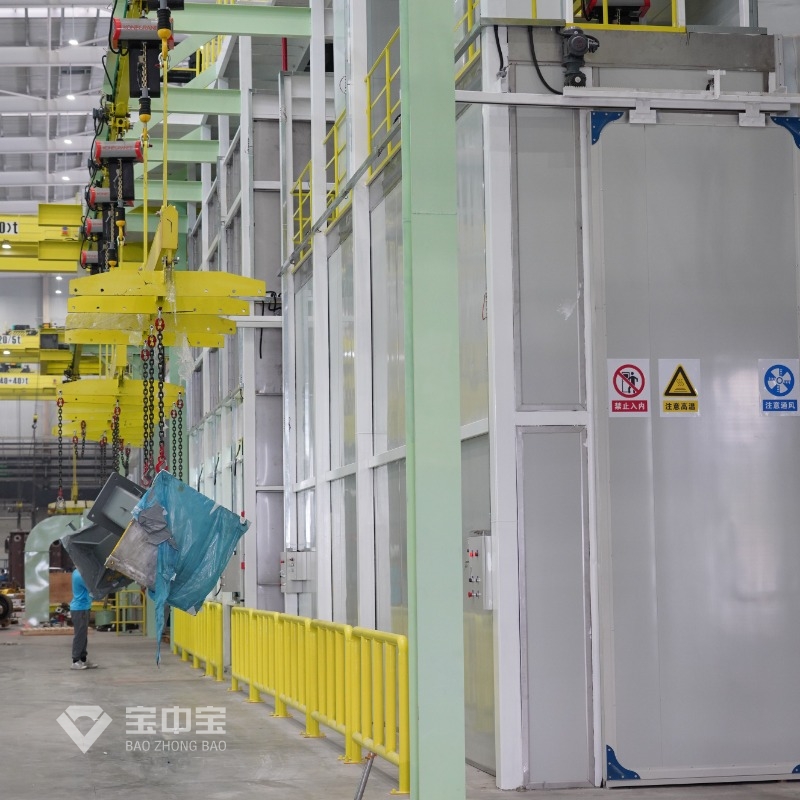
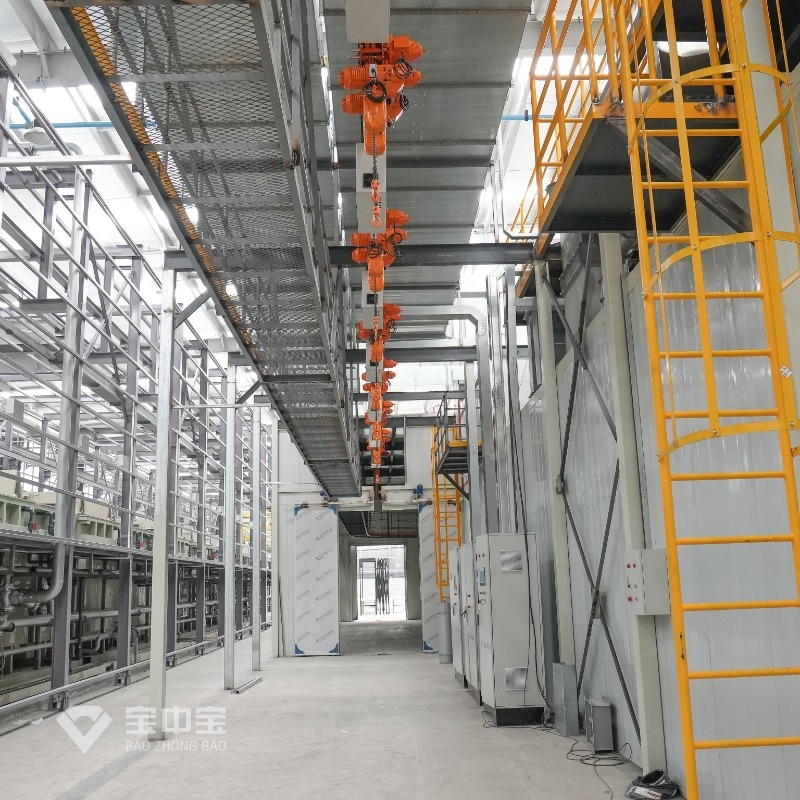
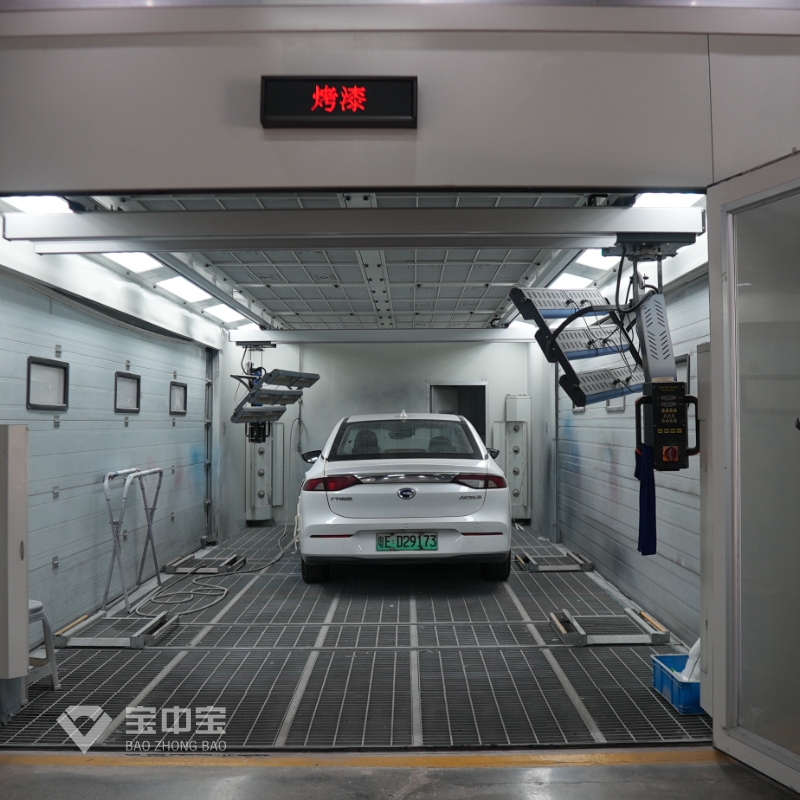
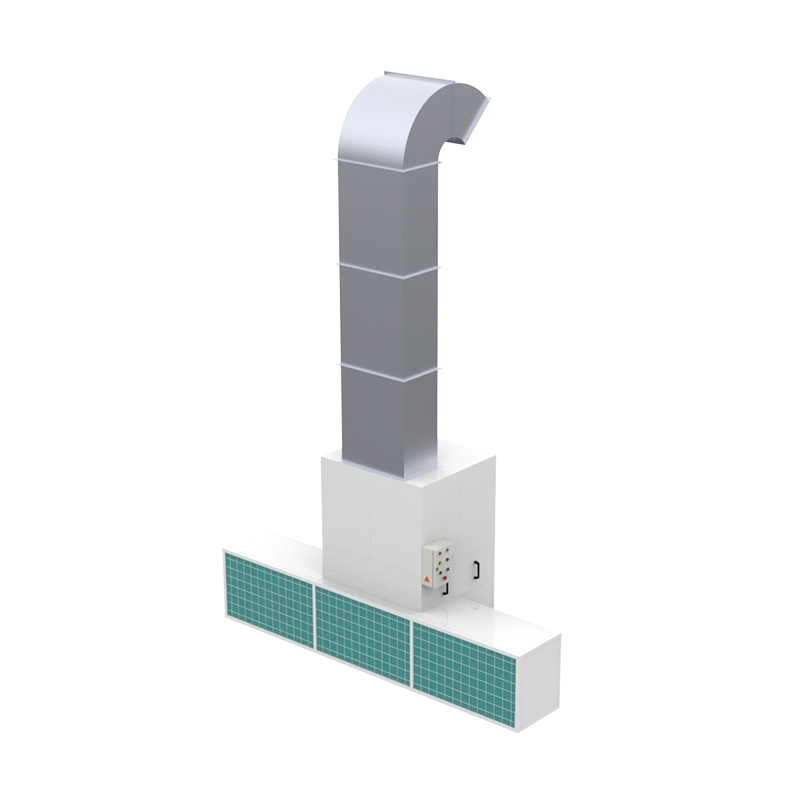
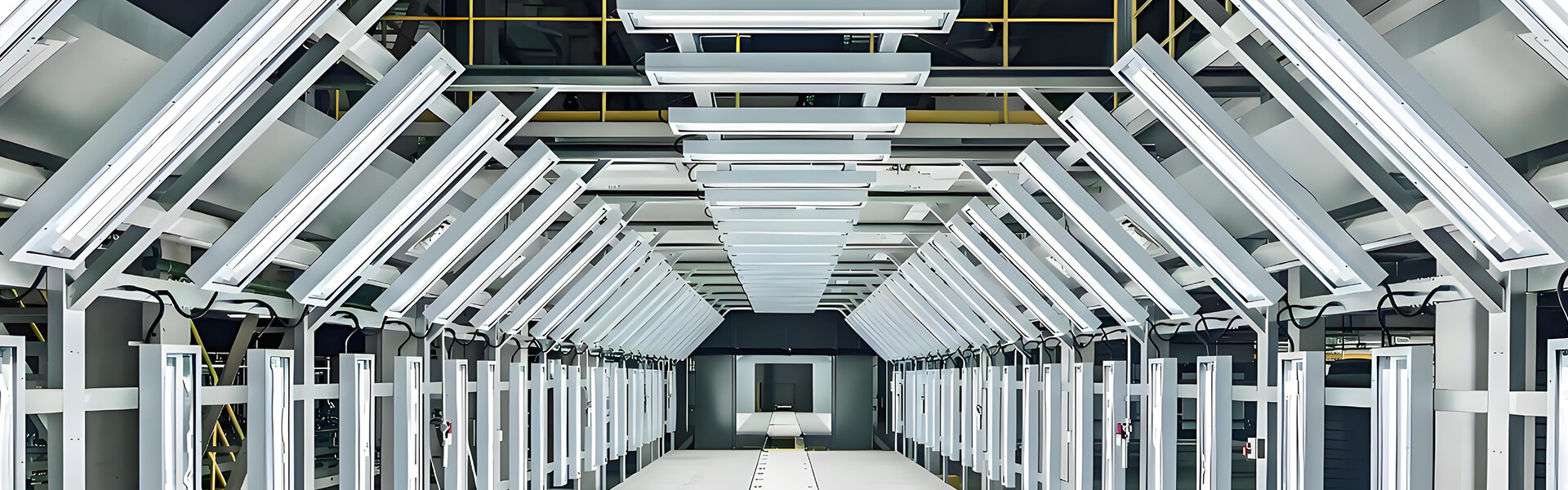
An Automotive Painting System is the equipment and controlled work area used to prepare, spray, and finish vehicle surfaces. Depending on the job, it may include a spray booth, air supply and exhaust equipment, filters, lighting, controls, a mixing area, and a heating or curing unit.
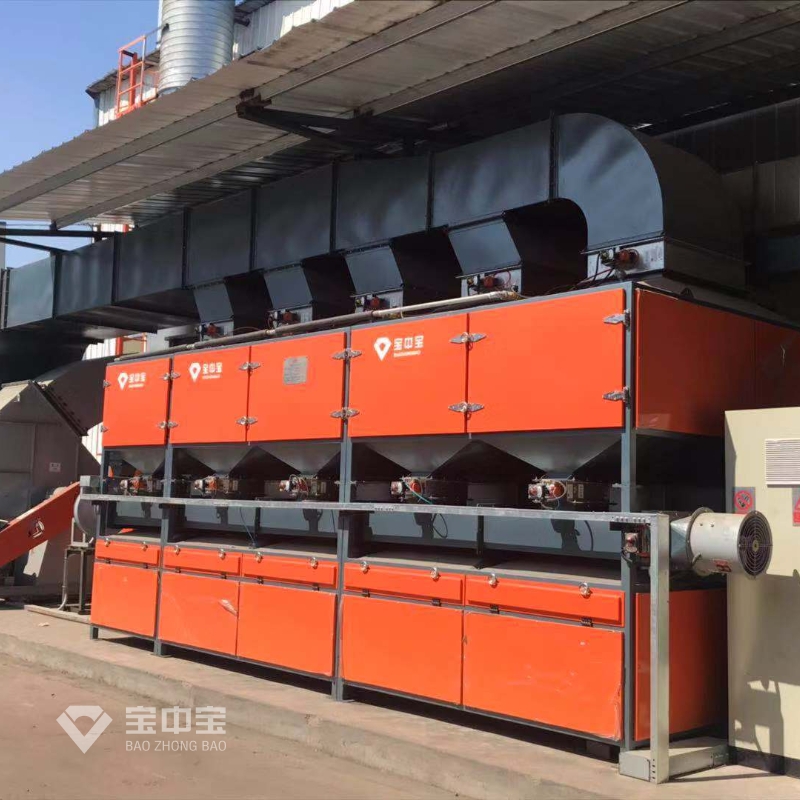
In industry terms, a spray booth is an enclosed or partly enclosed space designed to control overspray and move air through the work area. Make-up air is replacement air supplied to balance air exhausted from the booth. Overspray is paint or coating that does not land on the intended surface. The equipment must be selected and arranged as one system: changing a fan, filter, or duct can affect the others.
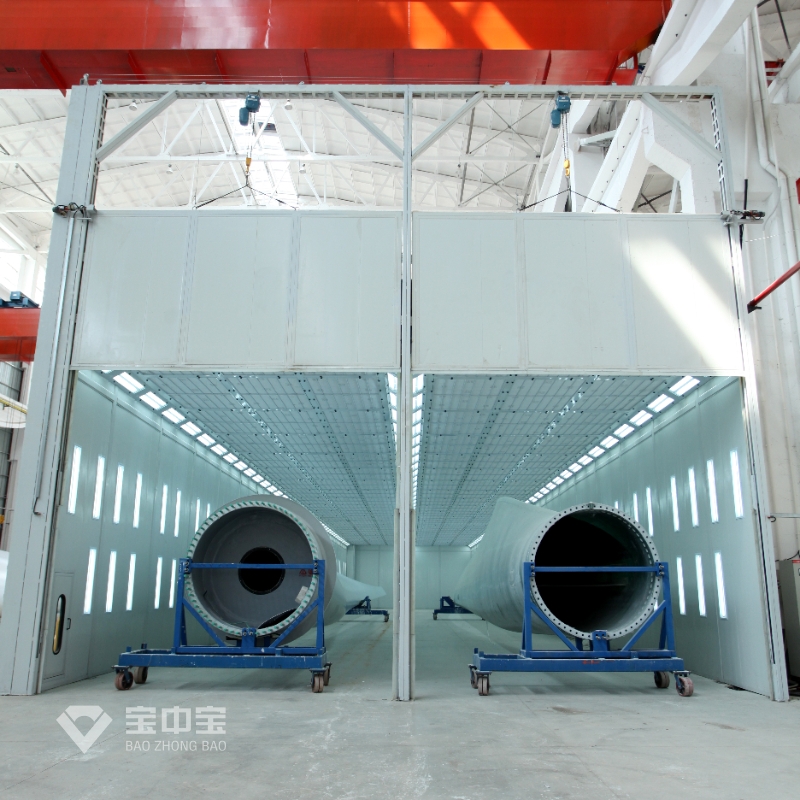
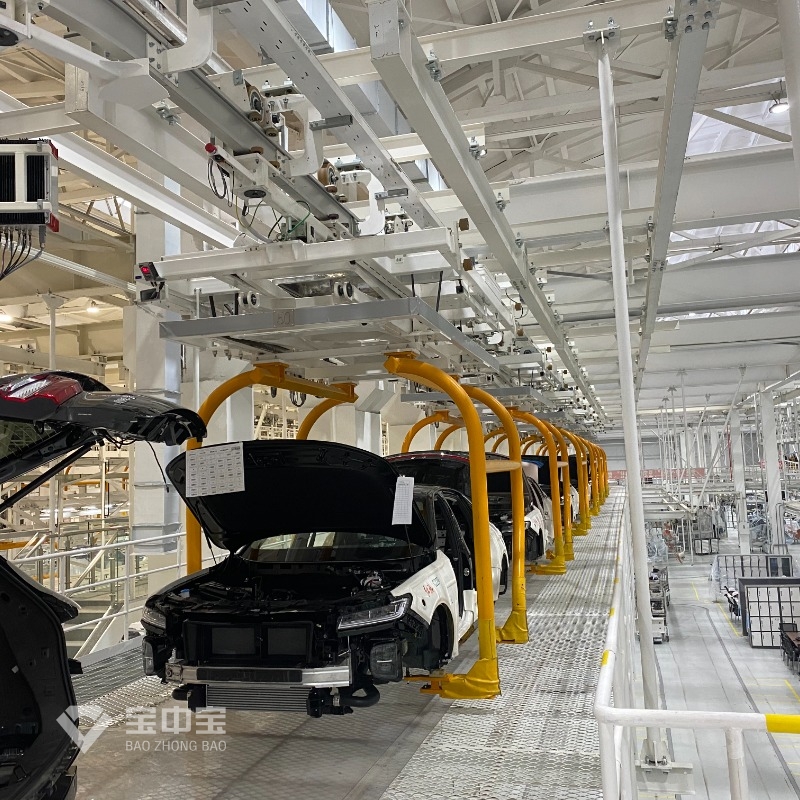
Automotive painting systems are used wherever vehicles or vehicle parts need coating work. Common settings include:
The right design depends on the vehicle dimensions, coating materials, production volume, and work sequence. A booth suitable for small parts may not provide the space or airflow needed for a full-size vehicle.
A well-planned system supports repeatable coating work and helps control paint mist, dust, and fumes. It can also make the work area easier to clean and help protect workers, nearby operations, and finished surfaces. These results depend on correct design, maintenance, and operation; equipment alone cannot guarantee a particular finish or productivity increase.
Installation planning also affects safety. Paints and solvents may be flammable, and spraying can release airborne substances. In the United States, OSHA’s spray-finishing requirements are addressed in 29 CFR 1910.107. NFPA 33, Standard for Spray Application Using Flammable or Combustible Materials, is another widely used reference for spray-application safety. Requirements differ by location, so confirm which codes and editions the local authority having jurisdiction applies.
Use this automotive paint booth setup checklist during the planning stage. Have qualified design and safety professionals review site-specific requirements before construction or equipment installation.
Record the required internal dimensions and clearances on the site plan. Do not rely only on the building’s outside measurements.
Ask the booth supplier or ventilation engineer for the design airflow, fan data, duct layout, and the method used to verify performance. Confirm where exhaust air will discharge and how replacement air will enter the building. Air movement must suit the booth design and the material being sprayed; a fan rating by itself does not prove that airflow across the working area is adequate.
OSHA 29 CFR 1910.107 includes requirements concerning mechanical ventilation for spray operations. A qualified professional should assess the actual booth, coating process, and applicable rules rather than applying a generic airflow figure to every installation.
Before installation, review the booth location, nearby ignition sources, electrical equipment, grounding and bonding needs, and fire-protection provisions with qualified professionals. Confirm that equipment selection and installation match the hazardous-area classification and local code requirements, where applicable.
Do not treat a general-purpose fan or light as suitable for a spray area without confirming its rating and installation requirements.
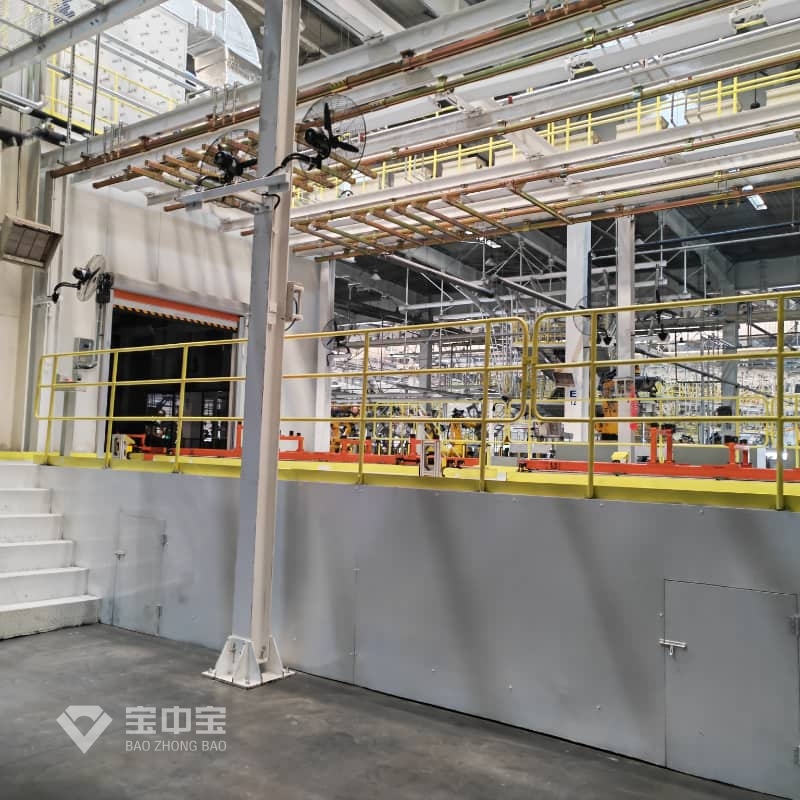
Compare the supplier’s equipment drawings with the building’s floor plan and structural information. Verify floor condition, equipment loads, ceiling height, door openings, and the route for bringing large components into the space.
Request a written utility schedule from the supplier and have it checked against the building’s available capacity before ordering equipment.
Filters help capture overspray, but they are not a substitute for correct ventilation or safe work practices. Ask which filter stages the system uses, how they are installed, how pressure drop or loading is checked, and how used filters must be handled. Follow the coating and filter manufacturers’ instructions and local waste rules.
Also identify the applicable air-permit, emissions, and waste requirements before work begins. These depend on the location, materials, and operation. In the United States, some surface-coating operations may fall under EPA rules such as the National Emission Standards for Hazardous Air Pollutants for Paint Stripping and Miscellaneous Surface Coating Operations; confirm applicability with the relevant environmental authority or a qualified adviser.
Write down the installation scope, schedule, acceptance criteria, and responsible parties. Before the system is put into service, commissioning should verify the installed equipment against the approved design and supplier instructions. Keep records of relevant airflow tests, safety checks, control tests, and operator training.
A system matched to the work can support more consistent process conditions, controlled overspray, an organized workflow, and safer handling of coating materials. It can also make routine checks clearer because airflow, filters, controls, and maintenance tasks are defined in advance. These are operational benefits, not guaranteed numerical results: actual coating quality, cycle time, and operating cost depend on the facility, materials, operator practices, and maintenance.
Start with the largest vehicle or part, the coating materials, expected workload, available floor and ceiling space, and applicable local rules. Then compare complete system designs, utility needs, service access, and supplier support—not just the booth price.
No. Airflow requirements depend on booth design, dimensions, application method, coating materials, and applicable regulations. Use the system’s engineering documents and have a qualified professional verify the design for the specific site.
Possibly, but the building must be checked for space, structural support, ventilation routes, electrical capacity, fire safety, access, and local approvals. A site assessment should happen before equipment is ordered.
There is no single interval for every system. Follow the filter and booth manufacturers’ guidance, inspect filters as specified, and use the system’s approved method for identifying loading or replacement needs.
Request equipment drawings, airflow and utility specifications, installation instructions, operating and maintenance manuals, filter information, commissioning requirements, and training materials. Ask which documents are needed for local permitting and acceptance.
Before placing an order, prepare a site plan, list the vehicles and coating materials involved, and collect the building’s utility information. Ask qualified professionals to review ventilation, fire safety, electrical work, and local approvals. Then read the equipment user guide and confirm the commissioning and training plan with the supplier. For further product guidance or a project discussion, contact Jingzhongjing Group and share your site dimensions, process needs, and installation location. A careful automotive paint booth installation requirements review is the practical next step toward a system that fits your operation.