News
Nov. 17, 2026
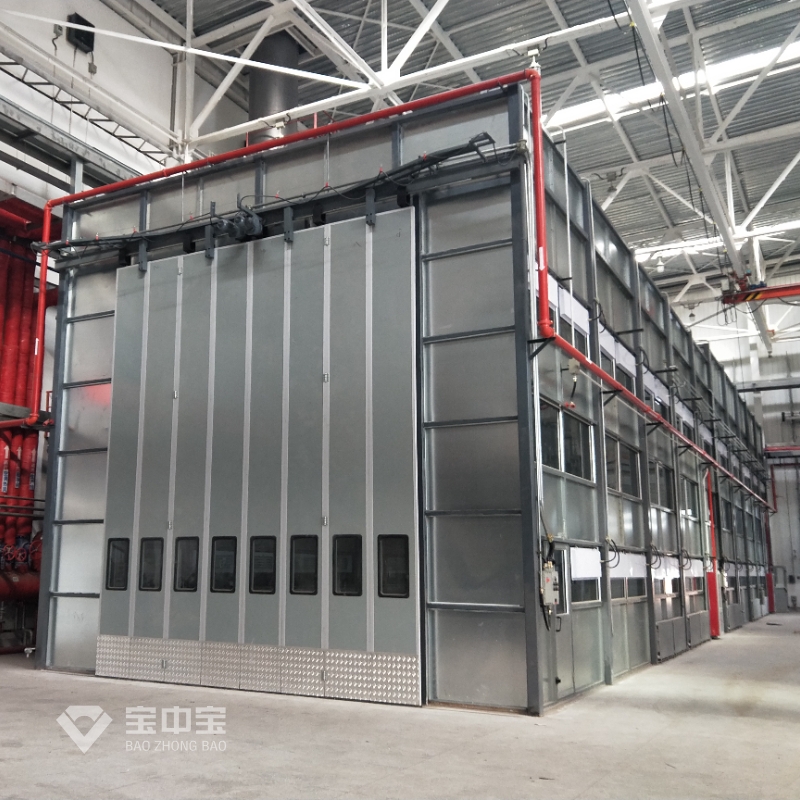
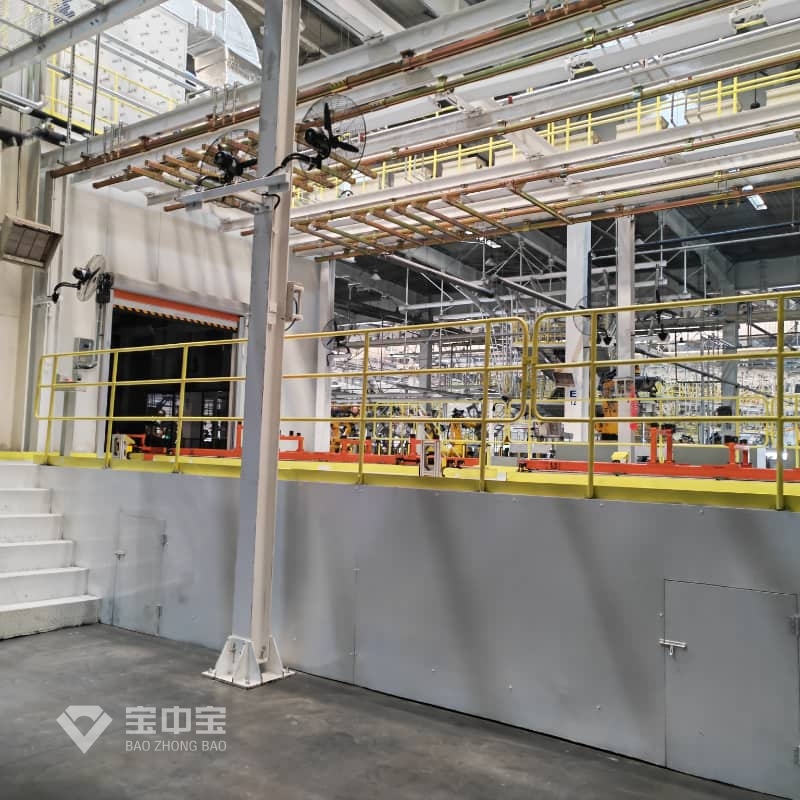
An Automotive Painting System is the connected equipment and controlled work area used to prepare, apply, flash off, and cure vehicle coatings. Its maintenance includes inspecting and servicing the spray booth, ventilation, filters, application equipment, conveyor, curing oven, controls, and safety devices. A planned maintenance program helps a business protect finish quality, reduce unplanned downtime, control energy use, and maintain a safer workplace.
In practical terms, the answer to “What Maintenance Does an Automotive Painting System Require?” is regular inspection, cleaning, measurement, and documented repair—not just changing filters when they look dirty. The exact schedule depends on the system design, coating materials, production volume, and the equipment manufacturer’s instructions.

Automotive finishing has evolved from labor-intensive, open-process painting toward enclosed spray booths, controlled airflow, automated application, and carefully managed bake cycles. Modern lines coordinate ventilation, temperature, humidity, filtration, material delivery, and conveyor movement. A fault in one area can affect the entire process: restricted exhaust may disturb atomization, a drifting oven temperature may change cure, and contaminated compressed air may create defects across multiple panels.
For a body shop or vehicle manufacturer, preventive maintenance is a production control. It can help prevent common coating defects such as orange peel, fisheyes, dry spray, dust inclusions, poor adhesion, and inconsistent gloss. It also helps keep equipment operating within its designed conditions. A maintenance log gives technicians a way to spot gradual changes before they become a line stoppage or rework problem.
Use the following schedule as a starting point, then adjust it to the OEM manual, operating hours, local safety rules, and coating supplier requirements. Record readings rather than relying only on visual checks.
| Frequency | Maintenance task | What to record or verify |
|---|---|---|
| Each shift or daily | Check booth cleanliness, floor condition, visible leaks, spray-gun condition, air supply, and alarm status. Inspect accessible filters and confirm that ventilation indicators are in the normal operating range. | Shift checklist, unusual noise or vibration, alarms, visible contamination, and any corrective action. |
| Weekly | Clean approved work surfaces and fixtures; inspect gun tips, hoses, regulators, and conveyor areas. Check filter condition and compare booth pressure differential with the commissioned baseline and manufacturer limits. | Pressure differential, filter condition, gun maintenance, and conveyor observations. |
| Monthly | Inspect fan belts, bearings, dampers, seals, duct access points, electrical enclosures, and oven door seals. Review temperature-control trends and check accessible safety devices according to the approved procedure. | Trend readings, wear, temperature variation, and open maintenance actions. |
| At the OEM interval or planned shutdown | Service burners, motors, bearings, sensors, exhaust and supply systems, conveyor drives, and control equipment. Replace filters and other consumables based on condition and the approved change interval. | Service report, calibration status, parts replaced, and return-to-service checks. |
For any service involving electrical, fuel, heat, or moving machinery, isolate energy sources and follow the site’s lockout/tagout procedure. Only trained, authorized personnel should work on those systems.
Automotive paint booth maintenance begins with clean surfaces and stable airflow. Check intake and exhaust filters for loading, damage, bypass gaps, or incorrect installation. Track pressure differential across filters using the method and limits specified for the booth. A rising reading can indicate restriction, but the correct replacement point is equipment-specific; visual appearance alone is not a reliable measurement.
Good airflow supports consistent atomization and contaminant control. If readings change suddenly, investigate filter loading, a damaged seal, a blocked duct, or a fan problem instead of simply increasing fan speed.
Spray gun maintenance helps preserve transfer efficiency and a consistent spray pattern. Clean fluid passages and air caps using the equipment maker’s approved tools. Inspect needles, nozzles, seals, fluid hoses, pumps, and regulators for wear, leaks, or dried coating. Avoid hard objects that can damage a precision orifice.
Check compressed air for moisture, oil, and particulate contamination. Drain or service air-treatment equipment according to its instructions, and verify that regulators and gauges function correctly. Poor air quality can cause defects even when the paint booth itself is clean.
Paint curing oven maintenance includes checking burners or heating elements, circulation fans, door seals, temperature sensors, and control alarms. Keep heat-transfer and circulation paths unobstructed. Compare displayed temperatures with calibrated instruments during planned verification, and document results against the coating process specification.
Do not assume that the setpoint equals the actual part temperature. The substrate’s time-temperature profile matters, and the required cure depends on the coating system. If cure is in doubt, consult the coating supplier and use an approved test method rather than making an unverified temperature adjustment.
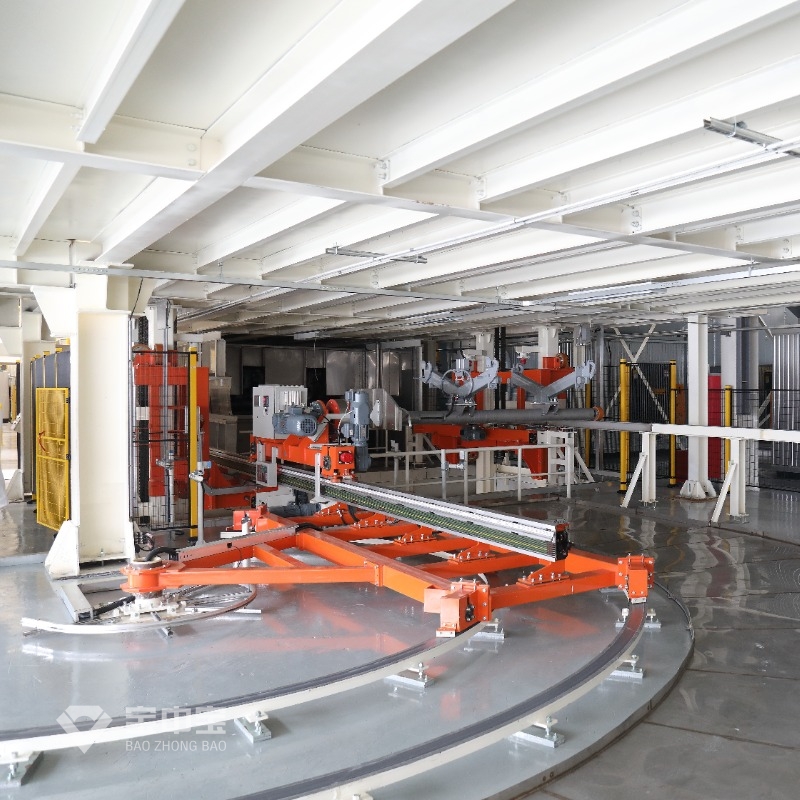
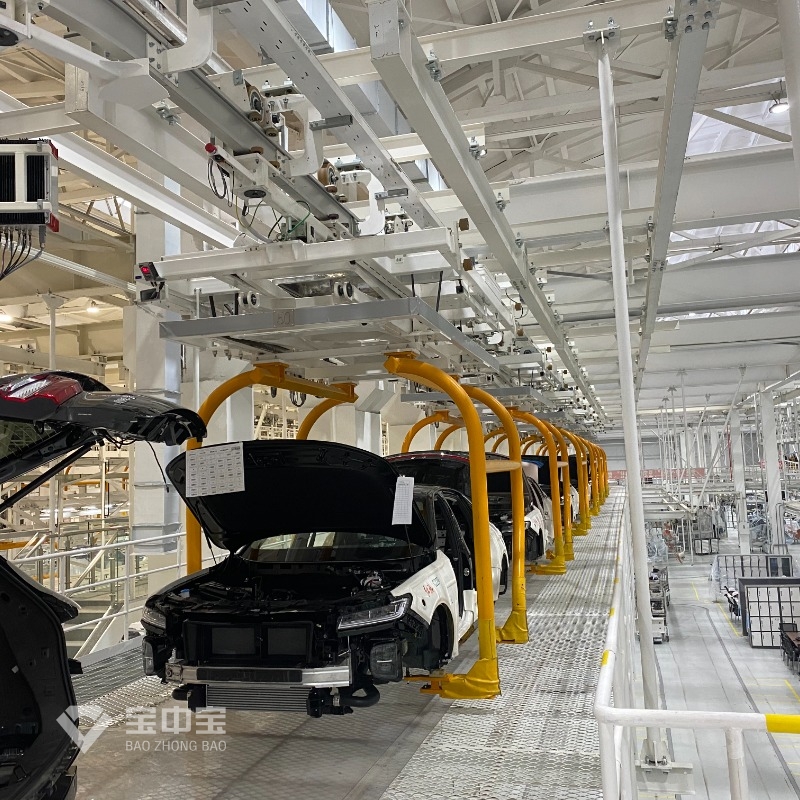
Inspect conveyor chains, rollers, lubrication points, guards, and drive components at the specified interval. Watch for uneven movement, abnormal vibration, or work carriers that do not track correctly. Review control-panel alarms and confirm that interlocks, emergency stops, and fire-protection interfaces are tested under the site’s approved safety procedure. Document completion for every required test; do not bypass an interlock to keep production running.
Equipment checks show whether the system is operating as intended; coating tests help confirm the finished result. Select methods that match the substrate, coating, and customer specification. For example, ASTM D3359 describes tape-test methods for assessing coating adhesion, while ASTM D523 covers measurement of specular gloss. ISO 8501-1 provides visual assessment grades for preparation of steel substrates before painting. These standards address particular test or preparation methods; they do not replace the equipment manufacturer’s maintenance instructions or the coating specification.
A quality plan may also include film-thickness readings, color and appearance checks, cure verification, and documented inspection of each defined production sample. Where a process requires 100% inspection of a particular feature, state that requirement in the control plan and record the results; do not treat 100% inspection as a substitute for preventive maintenance.
Consider a body shop that records booth filter pressure differential at the start of each shift. Over several weeks, the readings trend upward and the team begins to notice more dust inclusions. Instead of changing gun settings, the maintenance lead checks the filter frames, finds a poorly seated panel, corrects the seal, and replaces the loaded filter according to the booth specification. The team then records the new baseline and inspects a defined set of finished panels.
This is an illustrative example, not a reported customer result or universal pressure limit. Its lesson is practical: connect process symptoms to measured equipment conditions, correct the cause, and verify the coating outcome.
For an Automotive Painting System supplied or integrated by Jingzhongjing Group, begin with the project’s operating manuals, commissioning records, equipment list, and recommended service intervals. Confirm which tasks are handled by the site team and which require a qualified service technician. Keep a current record of filter specifications, control settings, calibration status, spare parts, and safety procedures so maintenance remains consistent across shifts.
When a fault persists, provide the service team with the equipment model, alarm code, recent trend readings, coating process, and steps already taken. This information helps narrow the cause without encouraging unsafe trial-and-error adjustments.
What Maintenance Does an Automotive Painting System Require? It requires a documented routine covering booth cleanliness and airflow, filter condition, spray equipment, compressed air, oven performance, conveyor components, controls, and safety systems. Use the OEM schedule as the authority, record measurements, and verify coating quality with methods appropriate to the specification.
What Maintenance Does an Automotive Painting System Require? The best answer is a plan matched to the actual equipment and production conditions—not a one-size-fits-all checklist. Review your current logs, identify missing baseline readings, and ask a qualified technician or Jingzhongjing Group for system-specific guidance when a task or limit is unclear.
At minimum, inspect the booth and system condition each shift, monitor filters and airflow regularly, maintain spray equipment and compressed air, service the oven and conveyor at scheduled intervals, test safety devices as required, and keep written records. Follow the equipment manual and site safety rules for exact intervals and limits.