News
Oct. 30, 2026

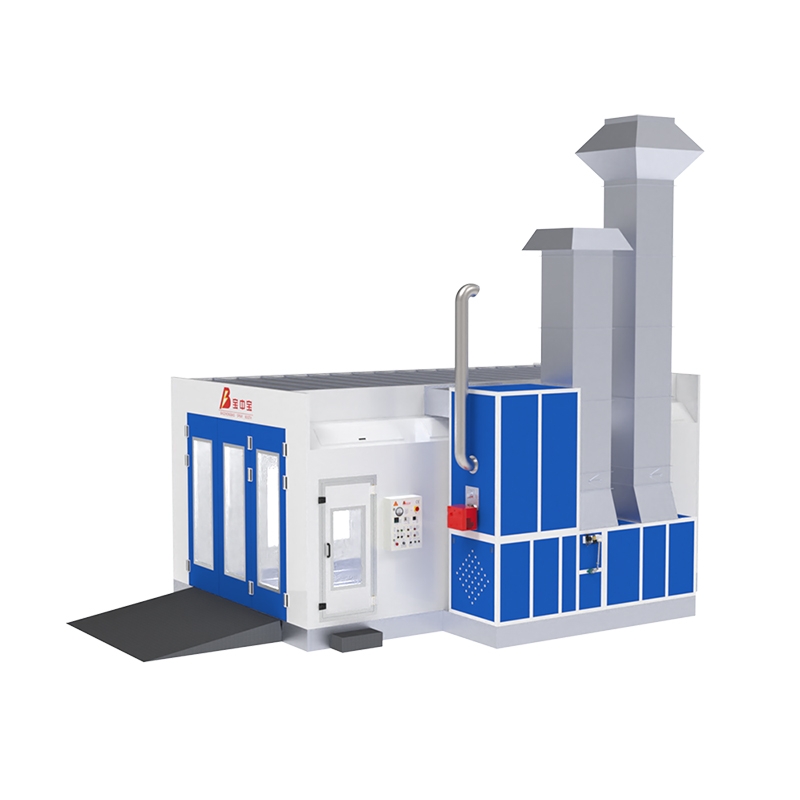
A Standard Spray Booth gives painters a controlled space to apply coatings while managing overspray and airborne contaminants. Good paint booth ventilation helps move air through the work area and toward an exhaust system. The right setup can improve finish quality and reduce the spread of paint mist. Spray booth airflow, filter selection, and regular maintenance all affect performance. Knowing how an industrial spray booth works can help you choose equipment that fits your work and facility.
Booth designs vary by the size of the parts, coating process, and local safety rules. This guide explains the main parts, operating steps, common airflow layouts, and checks to make before buying or using a booth.
A standard spray booth is an enclosed or partly enclosed work area with mechanical ventilation, filters, and controls for applying paint or other coatings. Its fan moves air through the booth, carries overspray away from the work, and sends the air through suitable filtration or exhaust equipment. The exact design depends on the coating, the workpiece, and applicable safety codes.
Process flow: Outside or make-up air - intake filter - spray area - overspray filter - exhaust fan and duct - approved discharge point.
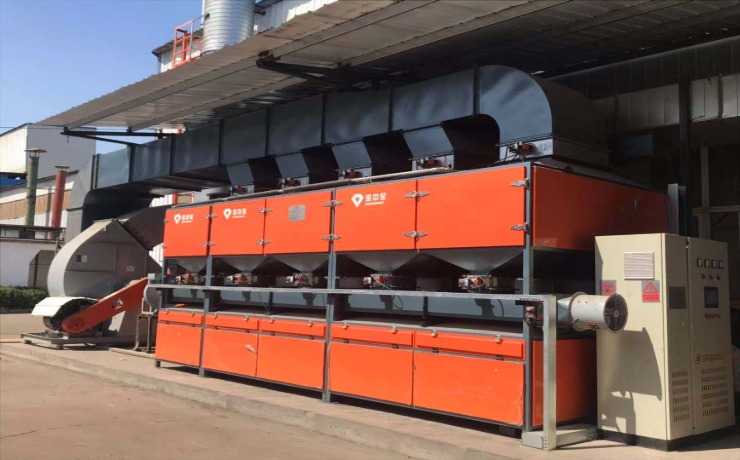
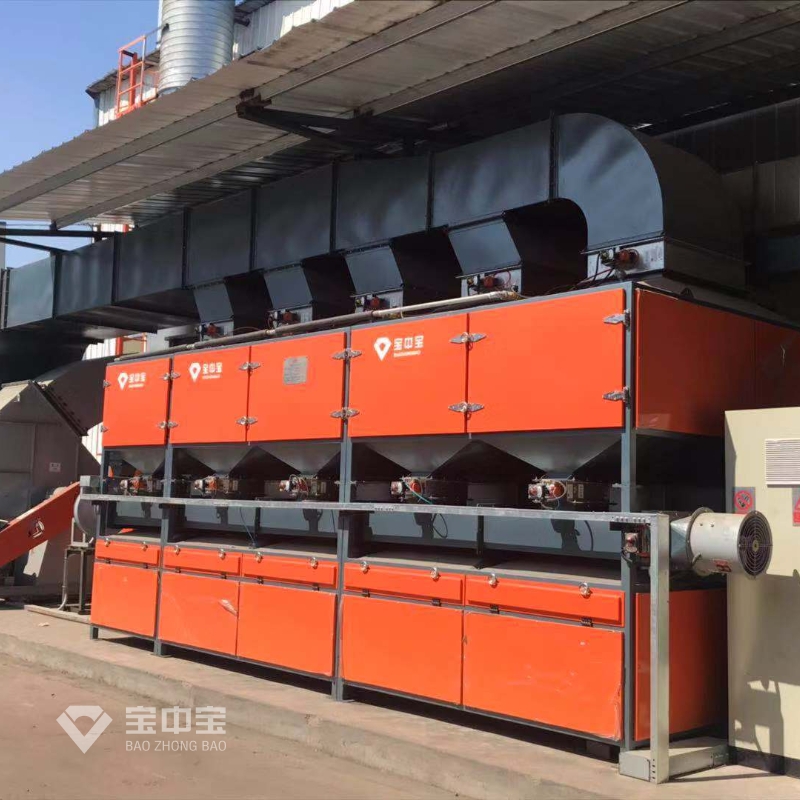
The booth does not make paint mist disappear. Airflow carries it toward the exhaust filters, where the filters capture particles. Filters need timely replacement because a loaded filter can raise pressure drop and change airflow. Follow the booth and filter manufacturers' instructions for inspection and replacement.
Airflow design affects how air travels around the painter and workpiece. The best choice depends on part size, production needs, available space, and coating requirements.
| Booth type | Airflow path | Common use | Points to consider |
|---|---|---|---|
| Crossdraft spray booth | Air generally moves from one end or side of the booth to the opposite exhaust side. | General finishing work and applications where a simpler layout is suitable. | Air may pass across the operator and workpiece, so layout and filter placement matter. |
| Downdraft spray booth | Air moves from the ceiling toward floor-level exhaust points or a pit. | Automotive refinishing and other work where a vertical airflow pattern is selected. | Often needs a suitable pit or floor exhaust design and more building work. |
| Semi-downdraft spray booth | Air enters near the ceiling and moves down and across toward an exhaust area. | Facilities seeking a compromise between layout and airflow design. | Actual airflow depends on the fan, booth dimensions, and filter arrangement. |
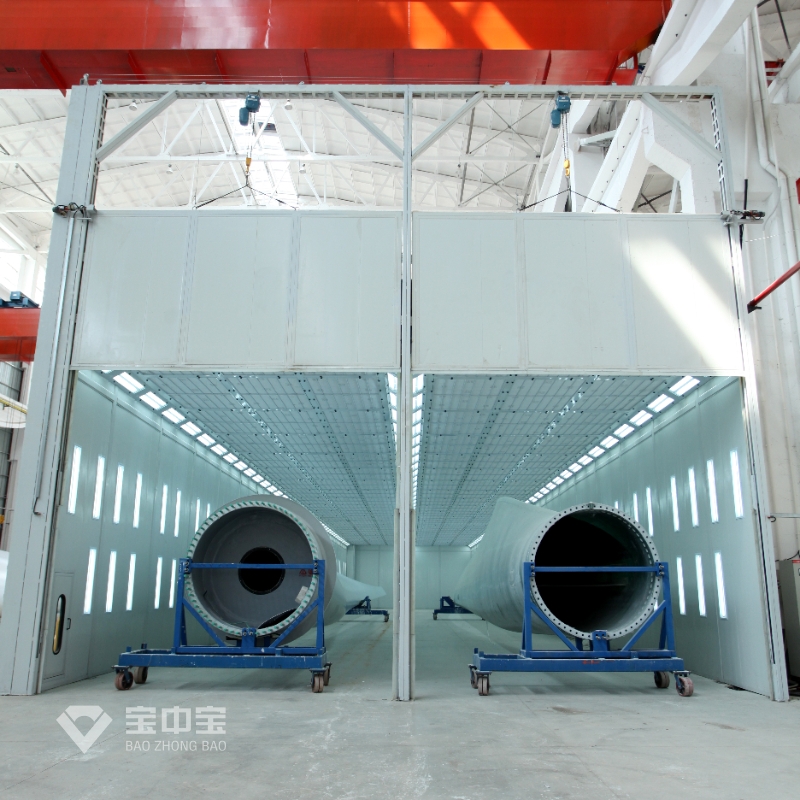
| Side-draft spray booth | Air moves from a supply wall across the work area to an exhaust wall. | Some industrial coating lines and large-part applications. | Part size and position can affect air movement and overspray capture. |
Do not select a booth by name alone. Ask for a layout that shows air supply, exhaust points, expected airflow, filter locations, and service access. A supplier should also explain how the proposed design fits the coating process and the rules that apply at your site.
There is no single set of dimensions or airflow values that defines every standard spray booth. Use the figures below as planning examples, not as universal code limits. Final design values should come from a qualified booth designer and the requirements for your location and process.
| Parameter | Why it matters | How to check it |
|---|---|---|
| Booth opening and work zone | The booth must fit the workpiece, operator movement, spray equipment, and safe access. | Measure the largest part and allow room for loading, turning, and maintenance. |
| Air velocity | Air movement helps carry overspray toward the exhaust filters. | Measure at multiple points with a suitable, calibrated anemometer and compare results with the approved design. |
| Air volume | The fan must move enough air for the booth's opening and intended airflow pattern. | Review fan data, duct design, and commissioning measurements together. |
| Filter pressure drop | A rising pressure drop can indicate loaded filters and reduced system performance. | Record readings and replace filters at the limit set by the booth or filter manufacturer. |
| Lighting | Good visibility helps painters see coverage and surface defects. | Confirm lighting levels and fixture suitability for the booth design and work task. |
| Temperature and humidity | These conditions can affect coating application and drying. | Follow the coating maker's product data and the booth system's operating limits. |
For a simple example, consider a booth opening that is 4 meters wide and 3 meters high. Its face area is 12 square meters. If a preliminary design uses an average face velocity of 0.3 meters per second, the estimated airflow is 12 x 0.3 = 3.6 cubic meters per second, or 12,960 cubic meters per hour.
This calculation is only a planning illustration. It does not establish a safe or code-compliant design. Real airflow depends on booth geometry, filter resistance, duct losses, the process, and local requirements. A qualified designer must set and verify the final values.
Operating flow: Inspect - start ventilation - verify airflow - prepare - spray - purge - clean and record.
Spray booths handle flammable coatings and airborne particles, so design and operation need a documented safety plan. In the United States, OSHA's 29 CFR 1910.107 addresses spray finishing using flammable and combustible materials. NFPA 33 covers spray application using flammable or combustible materials. The edition adopted by the local authority and the details of the process matter. Other countries and regions may use different rules.
Commissioning records should identify the test method, instrument, test date, measured values, and acceptance criteria. A number without its measurement method or design target is hard to use for maintenance or an audit.
When comparing manufacturers, including Jingzhongjing Group, base the decision on the proposed design, documented performance, service support, and fit with your site. Ask suppliers to provide verifiable figures for their research and development work or project experience rather than relying on broad claims.
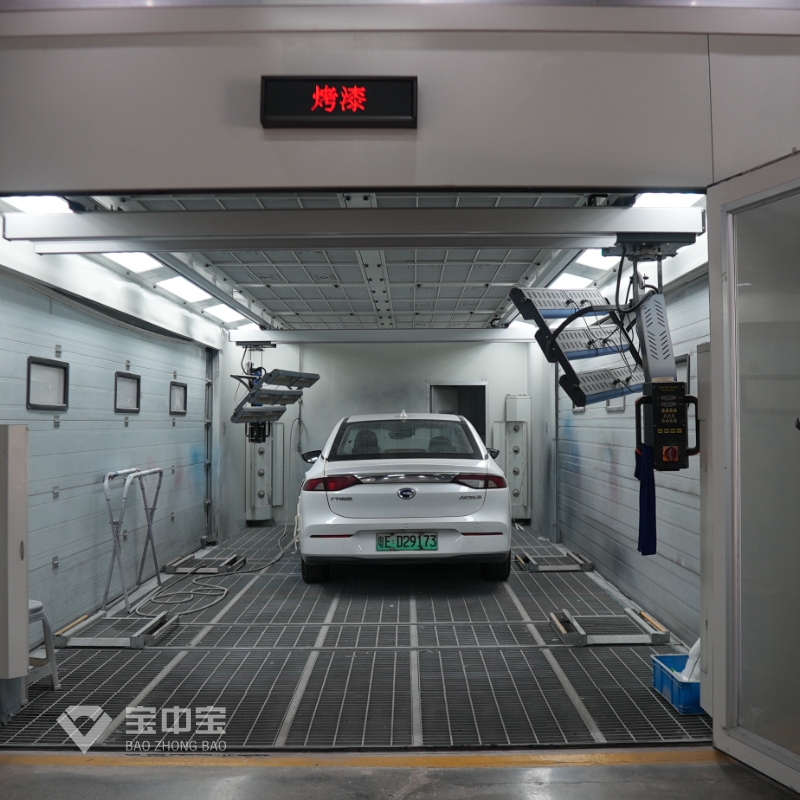
An automotive paint booth is one type of spray booth. A standard booth may serve automotive, furniture, metal, or other finishing work. The right configuration depends on the part, coating, and process.
No. Some coatings air-dry, while others need a controlled bake cycle. Confirm the coating's curing requirements and select separate or combined equipment designed for that purpose.
There is no single schedule for every booth. Filter life depends on paint use, operating hours, filter type, and system conditions. Follow the manufacturer's pressure-drop or replacement guidance and keep inspection records.
No. A hand test cannot confirm airflow performance. Use suitable measuring equipment, check multiple points, and compare the results with the approved design and applicable rules.
A standard spray booth is a ventilated work area that helps control overspray through planned airflow and filtration. Its performance depends on the right booth layout, suitable filters, a correctly designed exhaust system, and regular checks. Before purchasing an industrial spray booth or automotive paint booth, confirm the process requirements, local standards, and measurable commissioning criteria. A well-specified standard spray booth can support consistent coating work and a safer, cleaner workspace.