News
Nov. 02, 2026
A Standard Spray Booth helps control overspray and gives workers a defined space for applying coatings. But the quoted price can vary widely because a booth is more than an enclosure: its size, airflow, filters, safety equipment, and installation all affect the final figure. Understanding standard spray booth cost factors helps you compare proposals based on the same requirements, whether you run an auto body shop, a factory, or a woodworking operation.

There is no single price that fits every project. The term “standard” is not a universal technical specification, so two suppliers may use it for booths with different dimensions, airflow designs, or included equipment. Ask for a clear scope of supply before you compare prices.
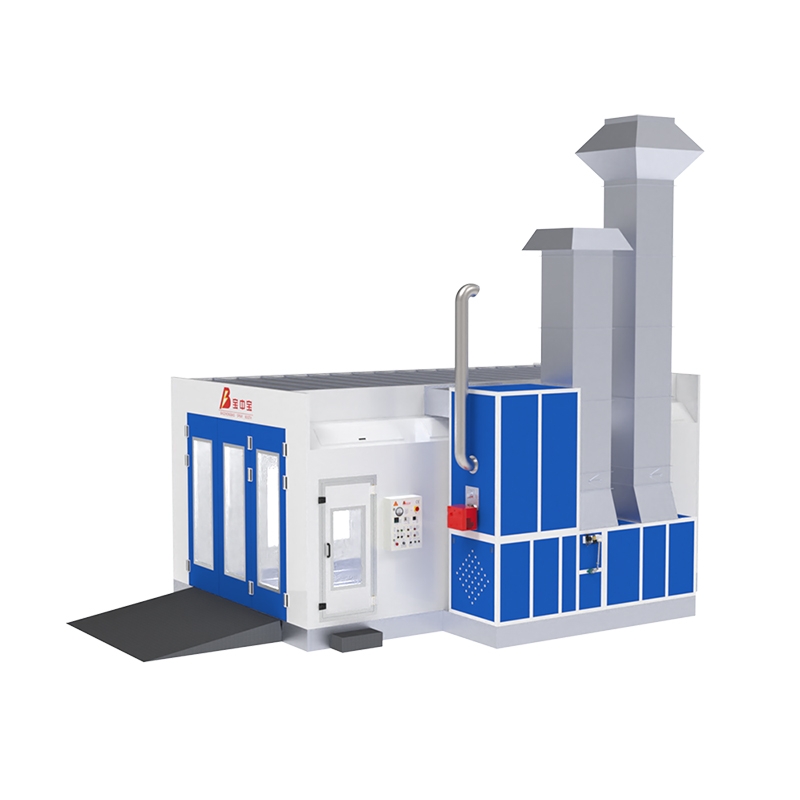
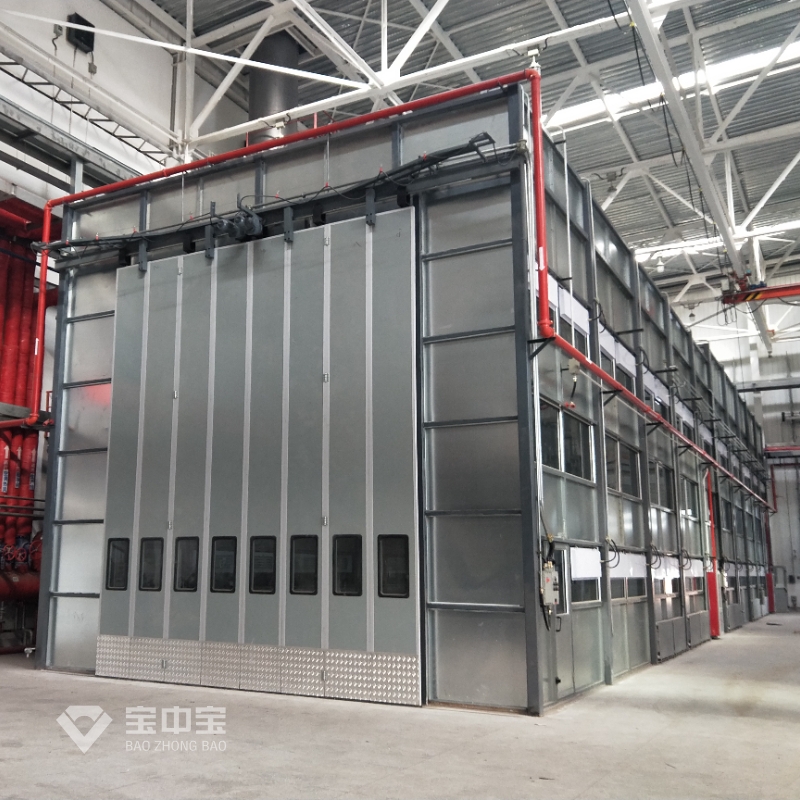
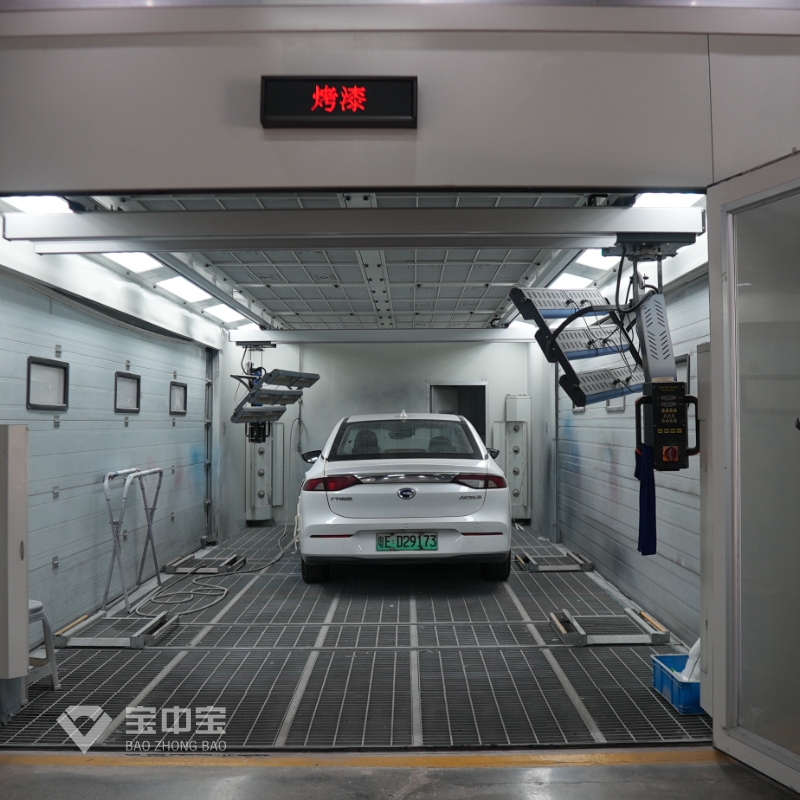
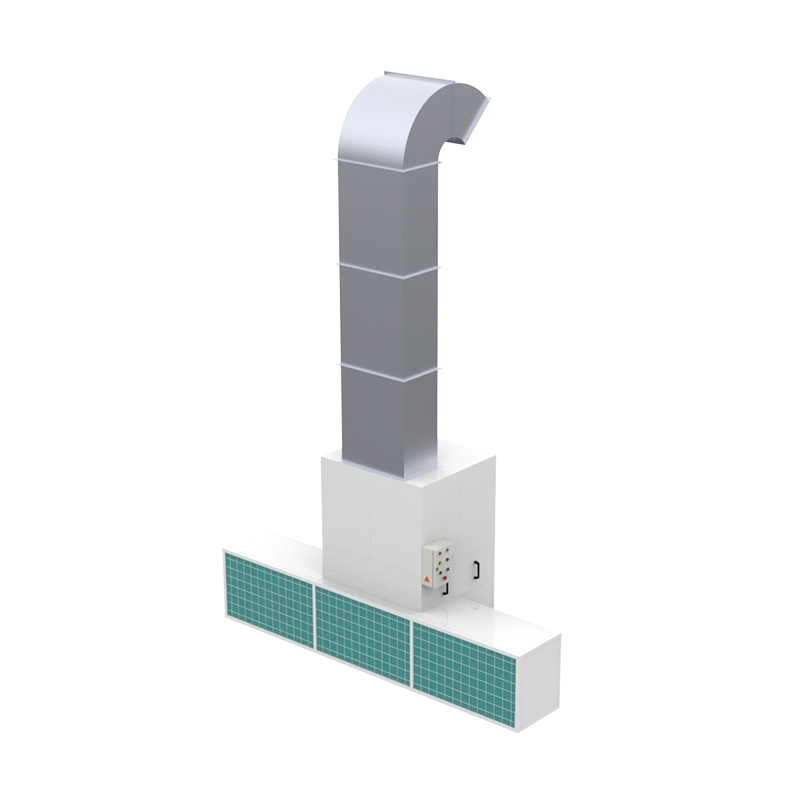
A spray booth is an enclosed or partly enclosed work area designed to manage coating application, overspray, and ventilation. Common components include booth panels, doors, lighting, a supply-air system, exhaust fans, ductwork, and filters. Depending on the design and process, it may also include heating, controls, a stack, fire-protection equipment, and monitoring devices.
In industry terms, airflow describes how air moves through the work area and carries overspray toward an exhaust point. Crossdraft booths move air horizontally across the booth, while downdraft designs move air from the ceiling toward a floor-level exhaust. A recirculating system returns some treated air to the space, where permitted and suitable for the process. These designs differ in equipment, building needs, and operating costs.
Requirements depend on the coating, workpiece, location, and local rules. In the United States, OSHA’s spray-finishing requirements in 29 CFR 1910.107 address subjects such as ventilation, electrical equipment, and fire prevention. NFPA 33 covers spray application using flammable or combustible materials. These standards do not mean every booth needs identical equipment; the applicable requirements should be reviewed with qualified professionals and the local authority having jurisdiction (AHJ).
Booth size affects the amount of panel material, the airflow capacity, the fan and motor selection, and the filter area. A booth must fit the largest workpiece and allow room for workers, doors, loading equipment, and safe movement. A booth that is too small can limit production; an oversized booth may require more air handling and energy than the process needs.
Also consider the building layout. A booth that needs a custom shape, special door arrangement, or nonstandard height may require additional engineering and fabrication. Ask the supplier to confirm the usable internal dimensions, not just the outside measurements.
Airflow requirements depend on the booth’s opening area, process, coating, and design. Higher airflow capacity can mean larger fans, motors, ducts, and filters. The design must provide the airflow needed for the intended operation without creating avoidable energy use or poor capture of overspray.
Request the design airflow, fan performance information, and the assumptions used to size the system. Do not compare fan horsepower alone: two systems with the same motor rating may perform differently because of duct layout, pressure losses, and filter loading.
Filter type, quantity, efficiency, and replacement frequency affect both the initial price and ongoing expense. The system may use intake filters, exhaust paint-arrestor filters, or additional treatment equipment, depending on the booth design and process. A more specialized filter can cost more to purchase, but choosing filters only by price may lead to poor performance or frequent changes.
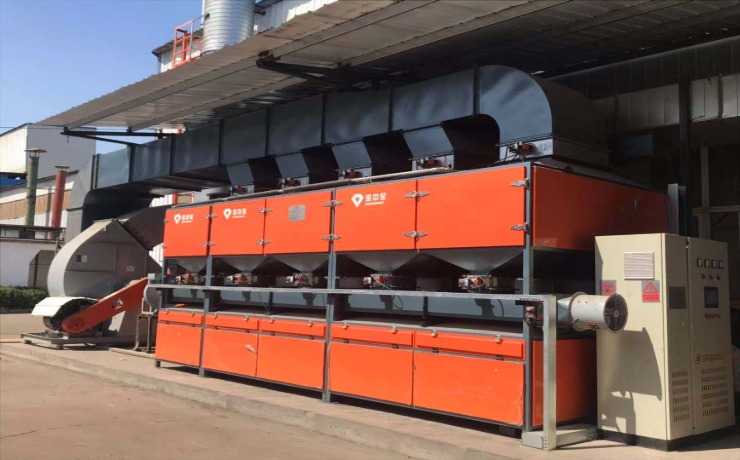
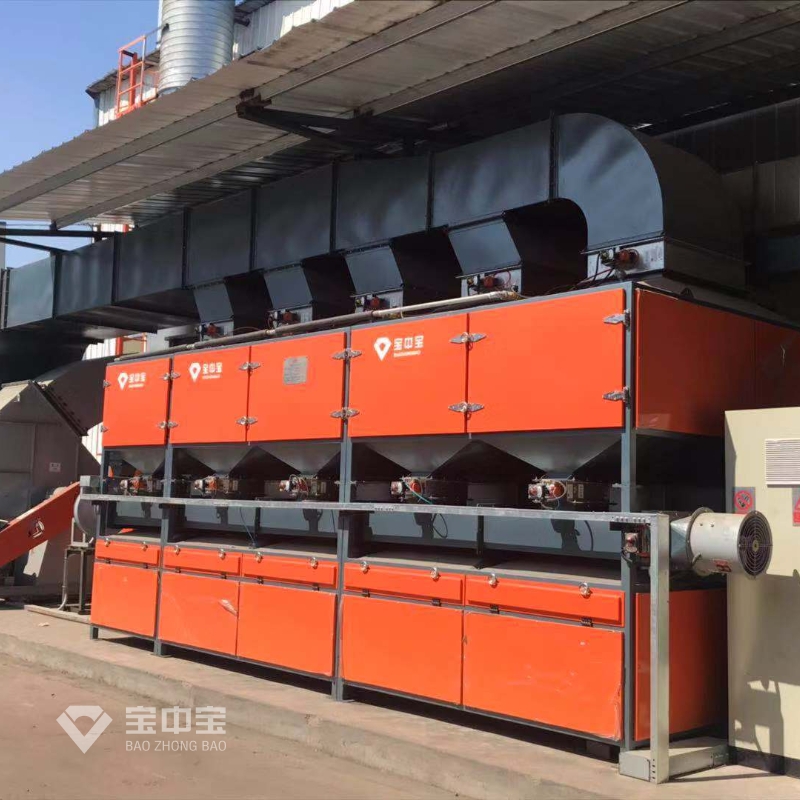
Exhaust ducts, roof penetrations, stacks, and air-treatment units can add substantial project work. If the site requires special emissions controls, the cost depends on the applicable permit and process requirements. For example, the U.S. Environmental Protection Agency’s Paint Stripping and Miscellaneous Surface Coating Operations rule, known as NESHAP 6H, applies to certain area sources and activities; it does not automatically apply to every coating operation. Confirm applicability with an environmental professional or regulator.
Some projects need heated supply air or temperature controls to support coating application and curing. Heating equipment, burners, heat exchangers, sensors, and control panels can increase the purchase and installation cost. The energy source and local utility rates also affect operating expenses.
Ask for the expected fuel or electricity use under stated operating conditions. Treat estimates as estimates, not guarantees: actual consumption changes with production hours, climate, set points, maintenance, and how often doors are opened.
Spray processes may involve flammable or combustible materials, so fire prevention and suitable electrical equipment are important design considerations. The required features depend on the materials, booth design, building, and applicable codes. Potential project items include fire-suppression interfaces, alarms, interlocks, grounding, and electrical components suitable for the classified area.
OSHA 29 CFR 1910.107 and NFPA 33 are useful references for U.S. spray-finishing projects, but a supplier quote alone does not confirm code compliance. Have the design reviewed for the specific site and jurisdiction before ordering.
The equipment price may not include delivery, unloading, assembly, electrical connections, duct installation, roof work, concrete or floor changes, or connection to existing utilities. These items can make standard spray booth installation cost very different from the booth’s purchase price.
Before requesting final bids, document the available floor area, ceiling height, access route, power supply, exhaust route, and any restrictions on roof or wall openings. Ask who is responsible for permits, engineering drawings, inspections, and coordination with contractors. Confirm whether production must stop during installation and include any expected downtime in your project budget.
Basic manual controls generally involve fewer components than systems with automated sequences, variable-speed fans, temperature regulation, alarms, or production-line integration. Options such as conveyors, specialized lighting, extra access doors, and monitoring systems may improve workflow but add to the project scope. Choose features based on a defined production need rather than adding options without a use case.
Shipping cost depends on the booth’s size, packaging, distance, and delivery conditions. Installation access may require special handling. Over the life of the booth, budget for filter replacement, inspections, repairs, and service availability. Ask the supplier which parts are consumables, how they are specified, and whether replacements are readily available.
Compare quotes line by line, using the same operating requirements for each supplier. A low equipment price may exclude installation, ductwork, electrical work, or safety components that another proposal includes. A written scope makes those differences visible.
A practical budget can be organized as: total project cost = booth equipment + delivery + installation + site work + permits and engineering + commissioning. For a longer-term view, add estimated energy, filters, maintenance, and repairs over the period you plan to operate the booth. Use supplier data and local contractor estimates rather than unsupported industry averages.
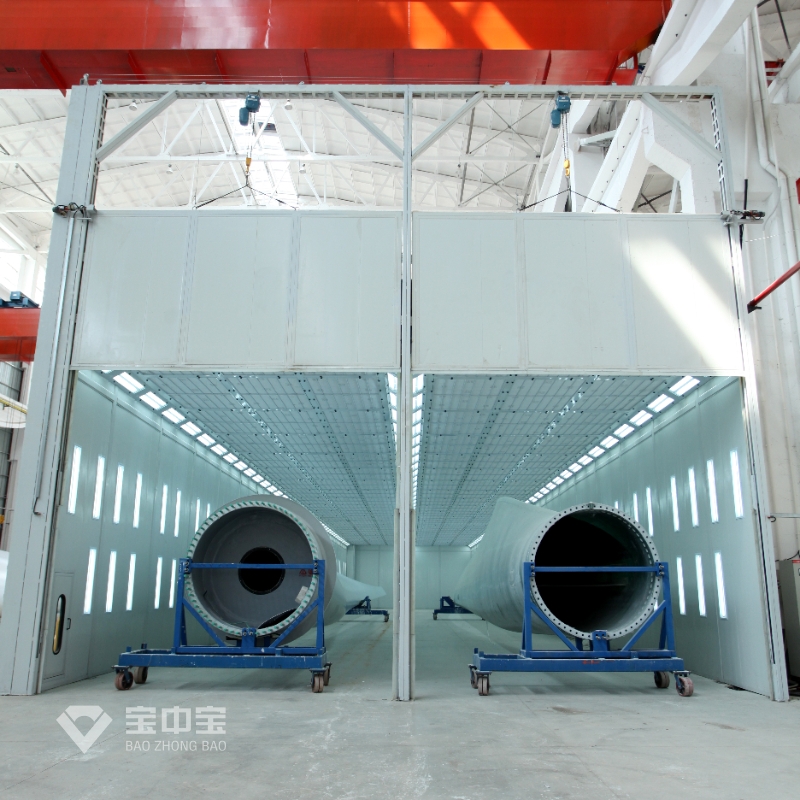
Standard spray booths are used in many settings, though the required configuration differs by work and coating:
Not every booth is suitable for every material. Check chemical compatibility, ventilation needs, fire risk, and emissions rules before using a booth for a new coating or process.
A correctly selected booth can help contain overspray, support a more controlled finishing area, and organize production work. Its ventilation and filtration design can also affect worker exposure, finish quality, energy use, and maintenance frequency. The benefits depend on proper sizing, installation, operation, and upkeep; buying a booth by price alone does not guarantee them.
For a useful comparison, look at total project scope and expected operating needs. A suitable design can help avoid paying for capacity you do not need while reducing the risk of missing equipment or site work that becomes expensive to add later.
There is no reliable single price without project details. Dimensions, airflow, heating, filtration, safety equipment, delivery, installation, and local requirements all change the quote. Request an itemized proposal based on your process and site.
Not always. Some proposals cover equipment only; others include assembly or selected installation work. Confirm in writing whether freight, unloading, ductwork, electrical connections, roof work, permits, commissioning, and building modifications are included.
There is no design that is least expensive for every project. Crossdraft, downdraft, and other configurations have different equipment and building needs. Compare options against workpiece size, finish requirements, available space, and applicable safety and environmental requirements.
Provide the largest workpiece dimensions, coating details, production rate, preferred booth layout, available building dimensions, utility information, exhaust options, and site location. Photos or drawings can help identify access and installation constraints.
Define the process accurately, select a booth sized for real production needs, compare complete scopes, and plan the exhaust route and utilities before ordering. Do not remove required safety features or controls to lower the initial price. Have qualified professionals verify the design for your process and location.
Before you buy, prepare a process and site checklist, compare itemized quotes, and review the proposed design with qualified safety, engineering, and environmental professionals. Read the equipment user guide to understand operation, inspections, filter changes, and maintenance. To continue researching how to budget for a standard spray booth, you can review relevant product information and discuss project requirements with Jingzhongjing Group.