News
Nov. 05, 2026
A Standard Spray Booth is more than an enclosed space for applying paint. Its ventilation, filtration, lighting, and safety systems work together to control overspray and help create a cleaner, more consistent work area. If you are comparing a standard spray booth equipment list, planning a new installation, or checking whether an existing booth suits your work, it helps to know what each part does. The exact setup depends on the coating, workpiece, booth design, and local safety rules.

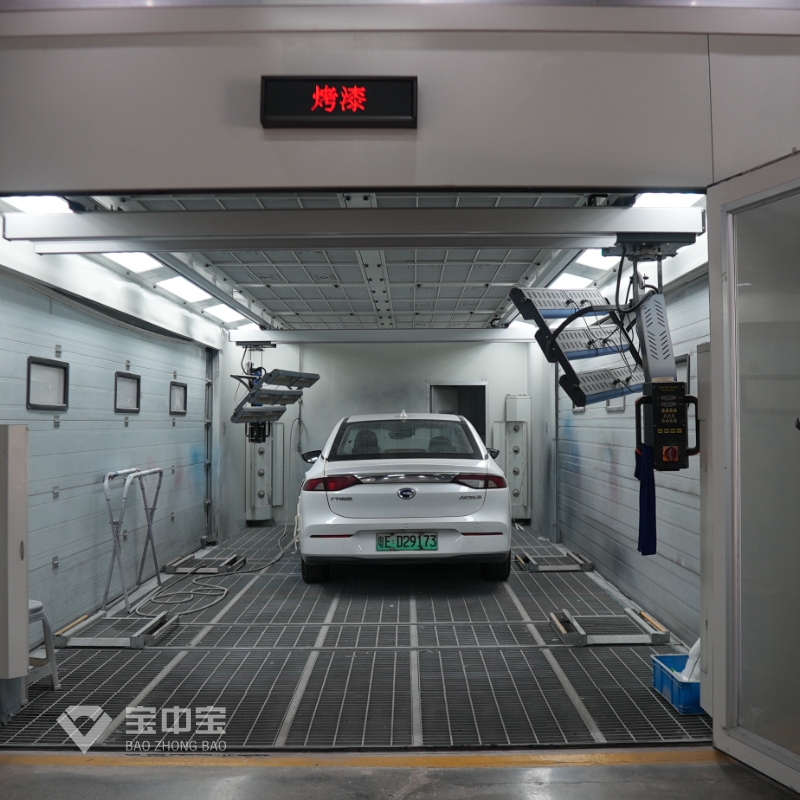
A spray booth is an enclosed or partly enclosed workspace designed to contain and remove paint mist, powder, or other coating material during application. In a liquid-paint booth, the ventilation system draws air through the work area and carries overspray toward filters or another approved collection system. A booth may use a crossdraft, downdraft, or semi-downdraft airflow design.
Crossdraft systems move air across the work area, often from front to rear. Downdraft systems move air from the ceiling toward floor-level exhaust points. The best layout depends on the product, process, building, and applicable codes. “Standard” does not mean that every booth has an identical equipment package. Always confirm the booth’s design specifications and intended use.
The following industrial spray booth components are common, but not every booth includes every item. Ask the supplier to identify what is included, what is optional, and what must be provided by the installer.
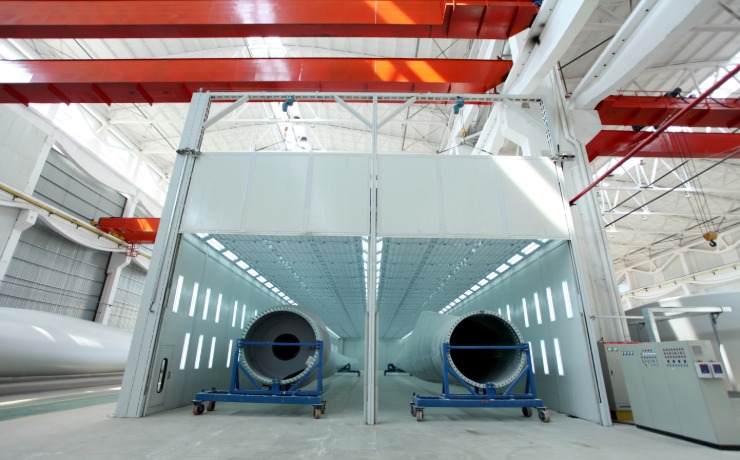
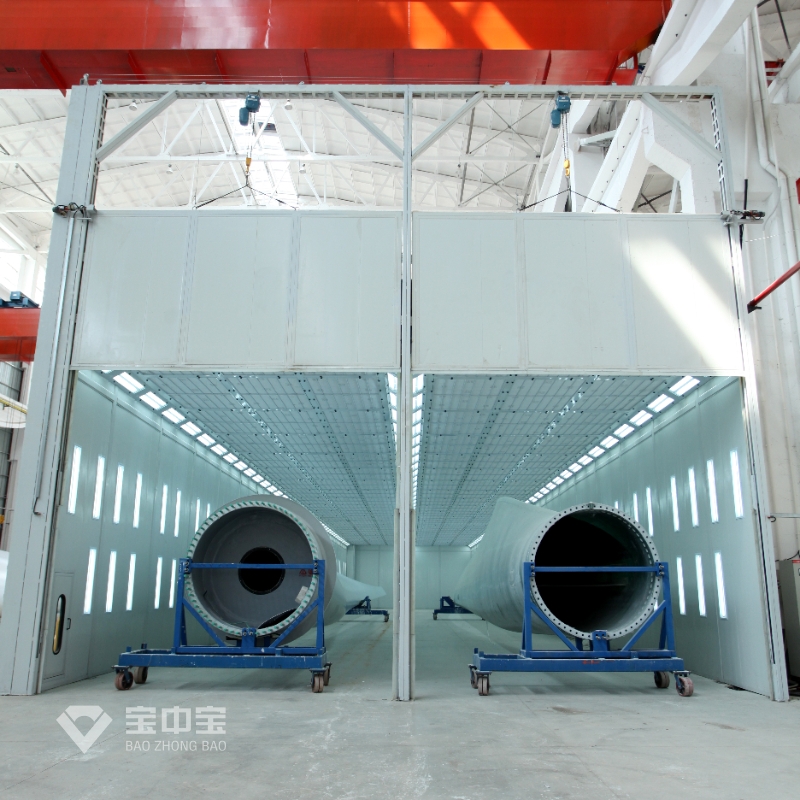
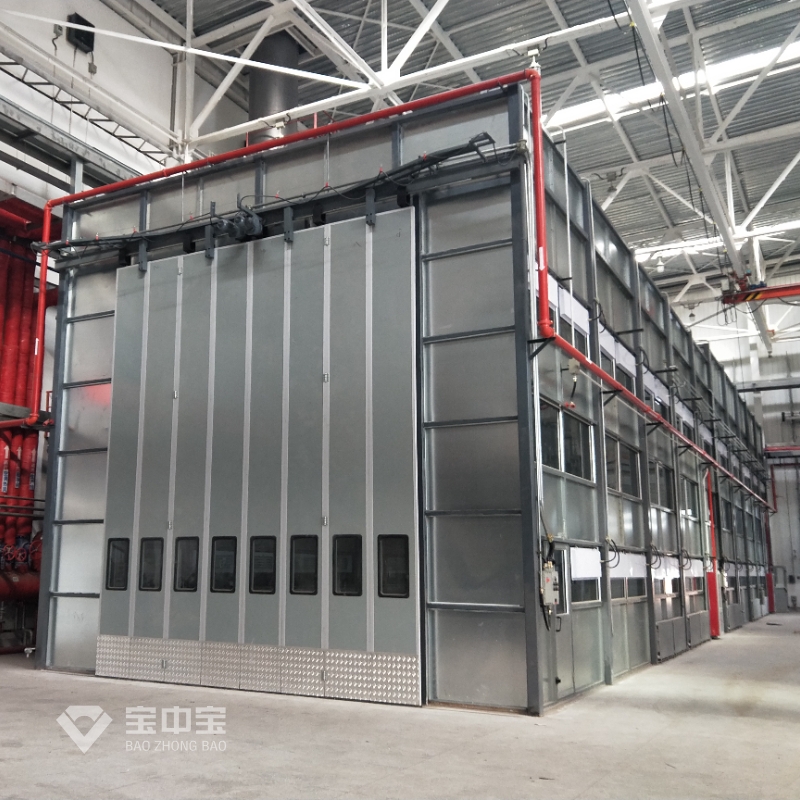
The enclosure forms the controlled work area. It is usually made from metal panels and includes doors or openings for loading parts and moving equipment. Check the usable interior dimensions, door clearance, panel finish, and access needed for cleaning and filter changes. The booth must be suitable for the materials and process specified by its manufacturer.
Fresh air enters through an intake, often passing through an intake filter before reaching the work area. A make-up air unit may condition and distribute replacement air, particularly in larger or heated systems. Properly balanced supply and exhaust airflow helps the booth operate as designed. A building’s heating, ventilation, and air-conditioning system should not be assumed to provide suitable booth make-up air without a qualified design review.
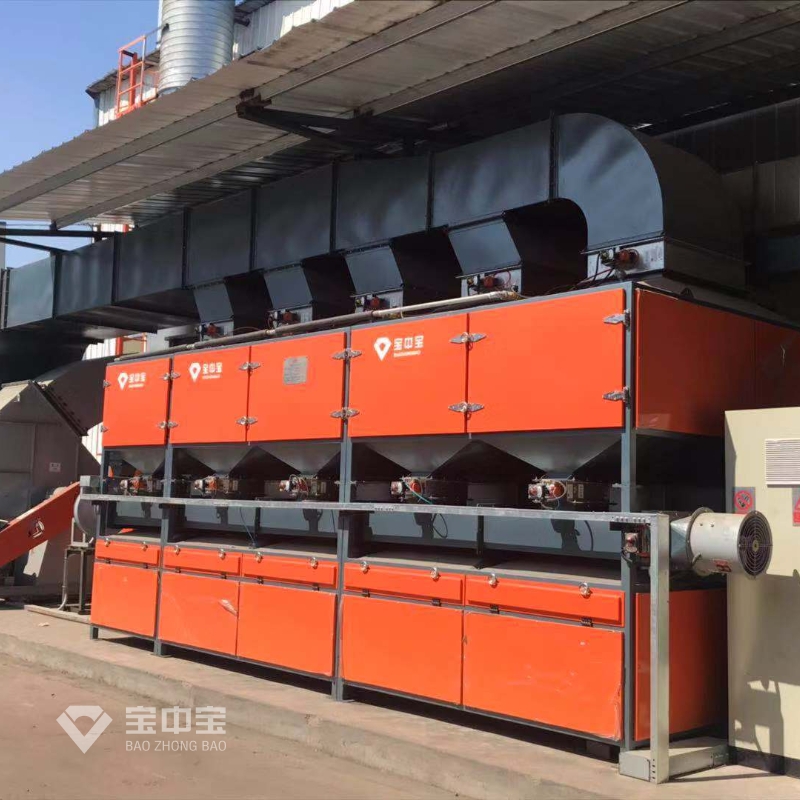
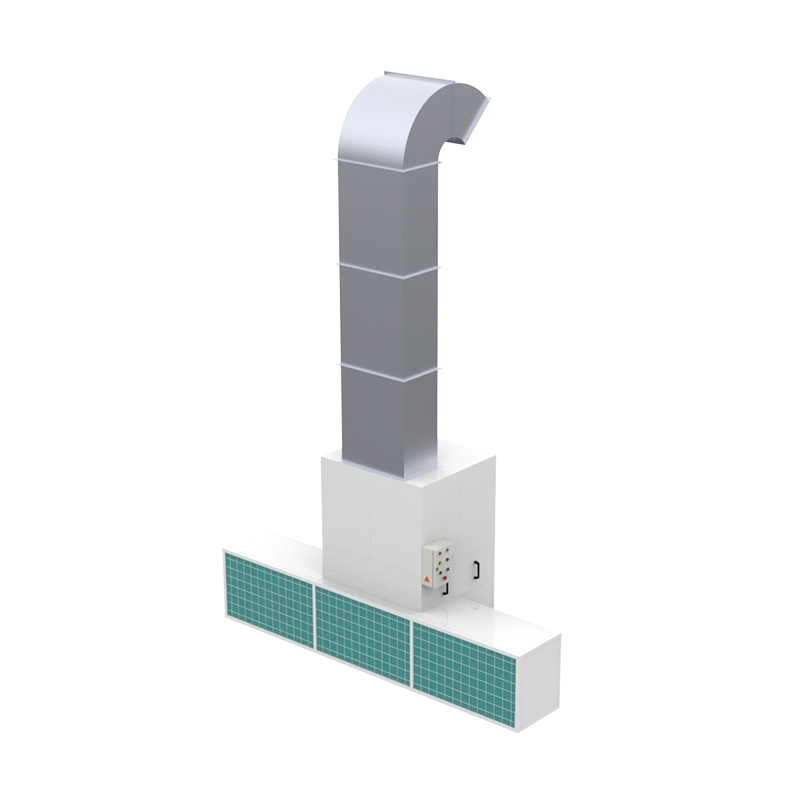
An exhaust fan moves contaminated air out of the booth through ductwork and a discharge point. Fan capacity and duct layout must match the booth’s design and the resistance created by filters and ducts. The fan, motor, electrical equipment, and installation must be suitable for the booth’s hazard classification and governing requirements. Do not change fan speed, ductwork, or filter type without checking the manufacturer’s instructions and having the system assessed.
Paint-arrestor filters capture airborne droplets and particles before exhaust air reaches the fan or discharge system. Some booths also include a water-wash system or other collection technology. Filters are not interchangeable by default: the correct type depends on the coating, airflow, booth design, and manufacturer’s specifications. A loaded or damaged filter can affect airflow and coating quality, so inspect and replace it on the schedule set by the manufacturer and site procedures.
Overspray filters do not necessarily remove all gases or volatile organic compounds (VOCs). The booth’s exhaust and any required emissions controls must be selected for the actual coating materials and local environmental rules.
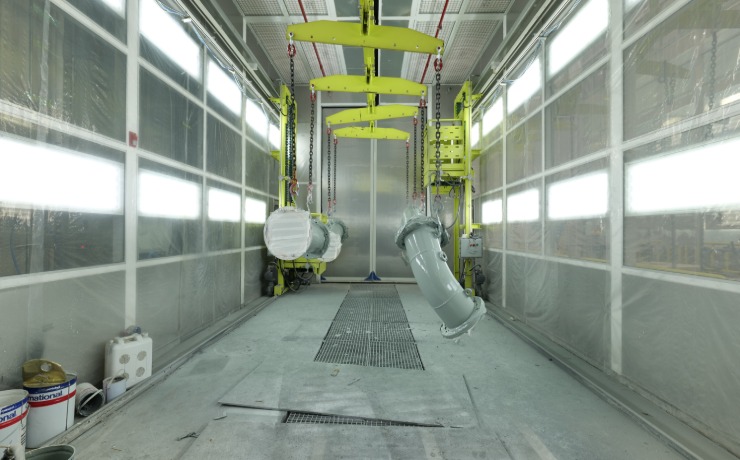
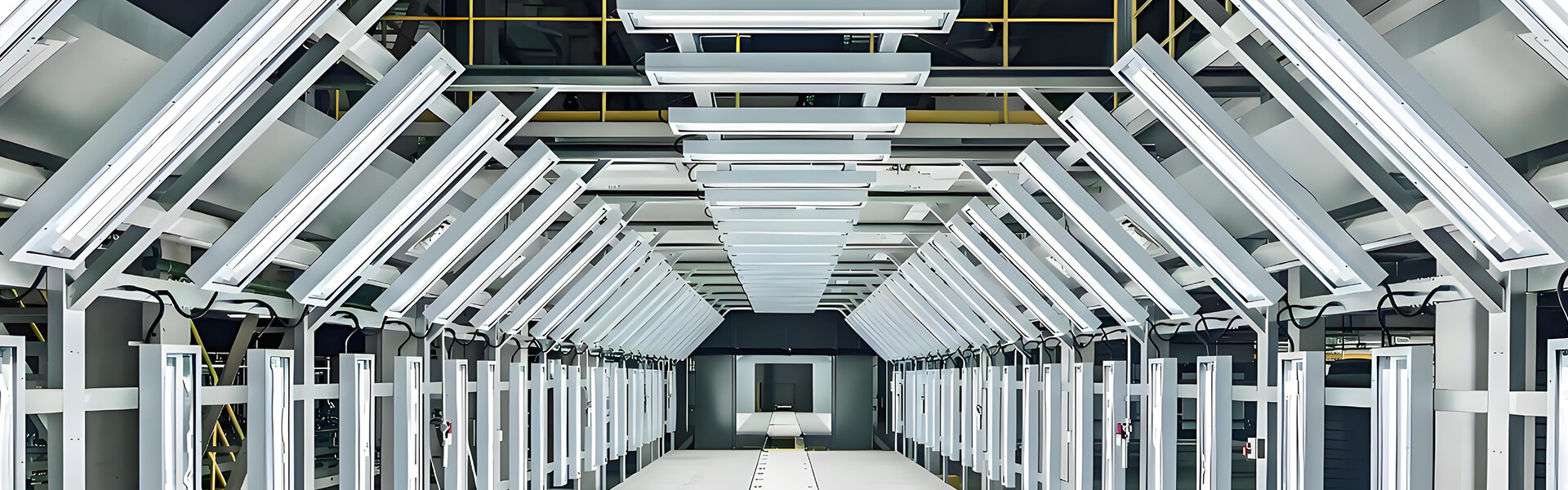
Booth lighting helps operators see coverage, surface defects, and color differences. Fixtures and wiring must be appropriate for the booth’s location and hazards. A viewing window can improve visibility from outside the work area, but it does not replace suitable booth lighting. Check the manufacturer’s lighting specification and keep lenses clean and intact.
A control panel may operate the fan, lights, heating equipment, or other installed functions. Depending on the design, the booth may also include airflow or filter-pressure indicators, alarms, and interlocks. These devices help operators notice a change in operating conditions; they do not replace regular inspection or maintenance. Make sure controls are clearly labeled and that workers know the correct startup and shutdown sequence.
Spray operations can involve flammable or combustible materials, so fire and electrical safety are essential parts of the design. Depending on the process and applicable rules, a booth installation may require approved fire-protection equipment, grounding and bonding, suitable electrical components, and controls for ignition sources. Requirements vary by location and coating. In the United States, OSHA’s spray-finishing rules in 29 CFR 1910.107 and NFPA 33 are important references for qualified designers and operators. Consult the current rules, the authority having jurisdiction, and the booth manufacturer before installation or changes.
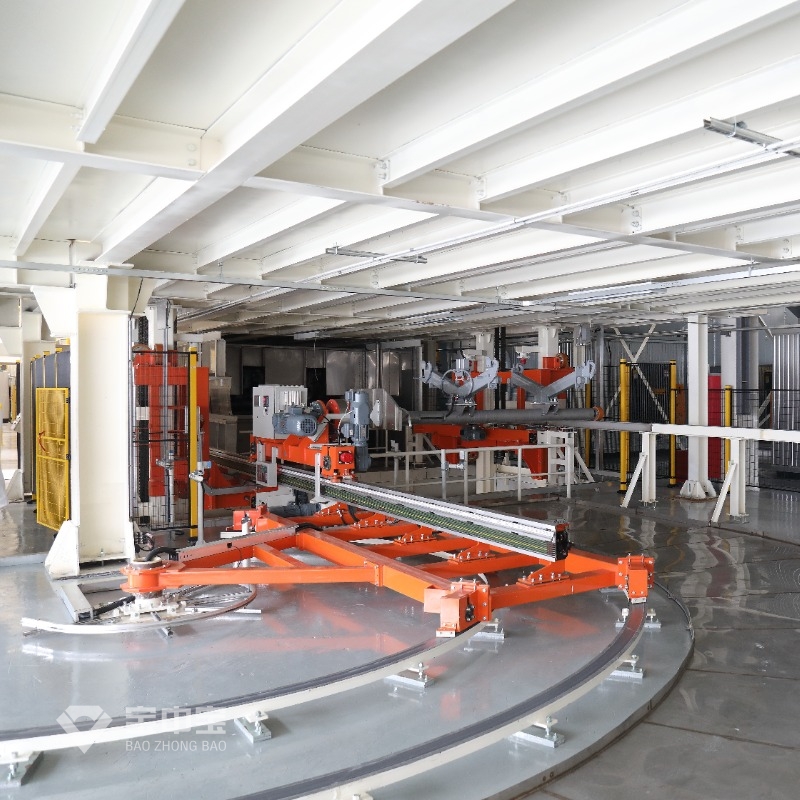
Spray guns, pumps, paint-mixing equipment, air compressors, hoses, turntables, racks, conveyors, and part lifts may be used with a booth. They are often separate from the booth itself and may need their own safety review. Confirm which items are included in a supplier’s quote. Also check that compressed air is clean and dry enough for the coating process and that hoses and connections are rated for their intended use.
Airflow direction, filter condition, and correct operation all affect performance. If smoke, dust, or coating mist behaves unexpectedly, stop and follow the site’s safety procedure rather than continuing to spray.
Not every booth is suitable for every coating or workpiece. Powder coating, solvent-based paint, water-based paint, and other processes may require different equipment, ventilation, fire protection, or emissions controls. Match the booth to the process rather than relying on its name alone.
Results depend on the booth design, coating, operator technique, maintenance, and facility conditions. Avoid relying on general claims such as a fixed percentage improvement unless they are supported by test data for the exact system and process.
Use the booth manufacturer’s manual and your workplace procedures as the primary maintenance references. A typical inspection plan may include:
Do not clean a booth or replace parts while the system is operating unless the manufacturer specifically permits the procedure. Follow lockout and hazardous-material procedures where required. If airflow readings change or the booth develops a fault, stop work as directed by site policy and arrange a qualified inspection.
No. A spray gun and related paint-delivery equipment are often sold separately. Confirm the supplier’s quote and check that the application equipment is compatible with the coating and booth process.
Not necessarily. Common overspray filters capture droplets or particles, but they may not remove coating vapors or all VOCs. Ask a qualified professional about the coating’s safety information, exhaust design, and any required emissions controls.
There is no single interval for all booths. Filter life depends on the coating, spray volume, filter type, and operating conditions. Follow the manufacturer’s guidance and site monitoring procedure, and replace filters when they reach the specified condition or limit.
Sometimes, but compatibility must be confirmed. Different coatings can have different fire, ventilation, contamination, and emissions requirements. Review the booth manual and coating documentation before changing materials or processes.
No. A suitable location depends on building layout, electrical and fire-safety conditions, ventilation, exhaust discharge, permits, and local codes. Have the site reviewed by qualified professionals before purchasing or installing equipment.
Before choosing a booth, write down your coating process and compare the supplier’s equipment list with the requirements of your facility. Read the user guide, confirm installation and maintenance responsibilities, and have qualified professionals review safety and compliance needs. For more information about booth options and spray booth ventilation and filtration systems, contact Jingzhongjing Group to discuss your application and request product details.