
A busy repair shop may need a dependable booth installed quickly, while a manufacturer with oversized parts may find that a stock model wastes floor space or misses production targets. Choosing between a Standard Spray Booth and a custom spray booth comes down to fit, workflow, compliance, and total cost—not simply the purchase price. This guide compares a standard spray booth vs. custom spray booth for automotive painting, explains spray booth airflow and filtration, and clarifies technical terms such as face velocity, air changes per hour, and static pressure so you can make a practical decision.

Standard spray booth vs. custom spray booth: what is the difference?
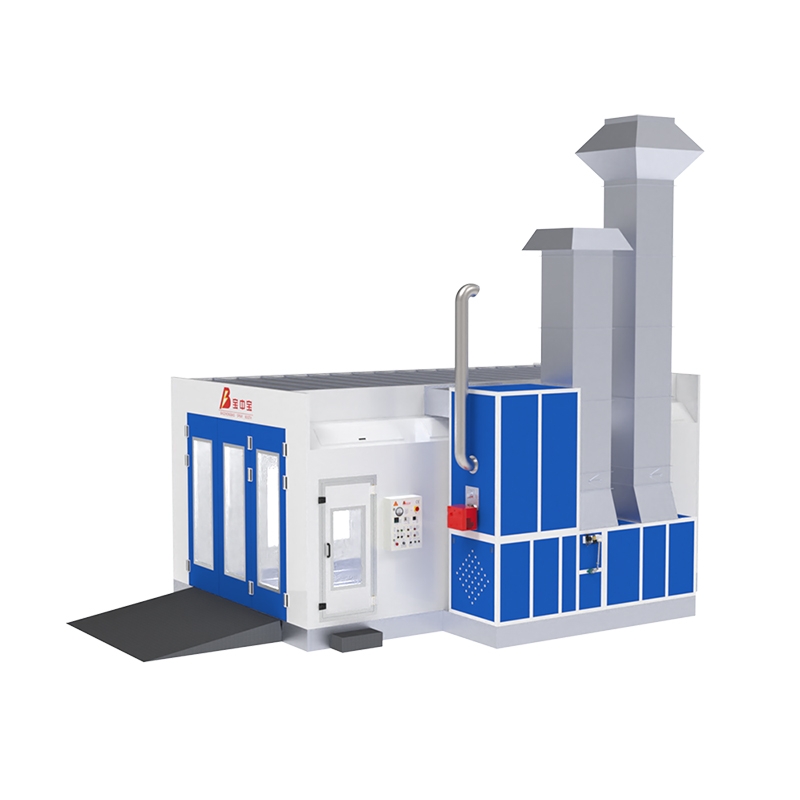
A standard booth is built around a manufacturer’s existing product range. Common dimensions, fan arrangements, filter sections, and control packages are selected from established configurations. That repeatable design can simplify budgeting, production, and replacement-part planning, provided the booth fits the building and the workpiece.
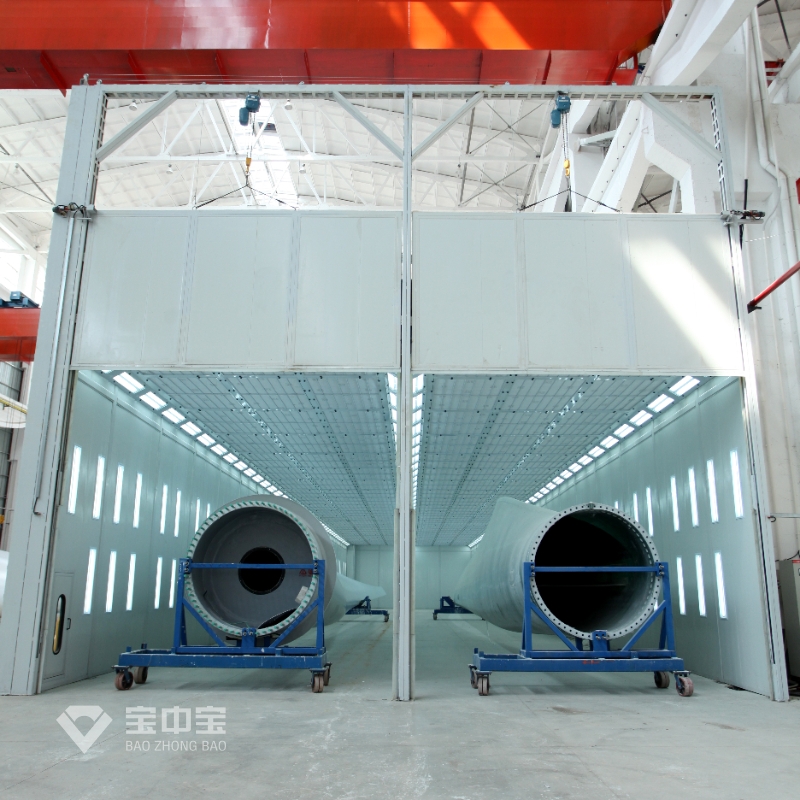
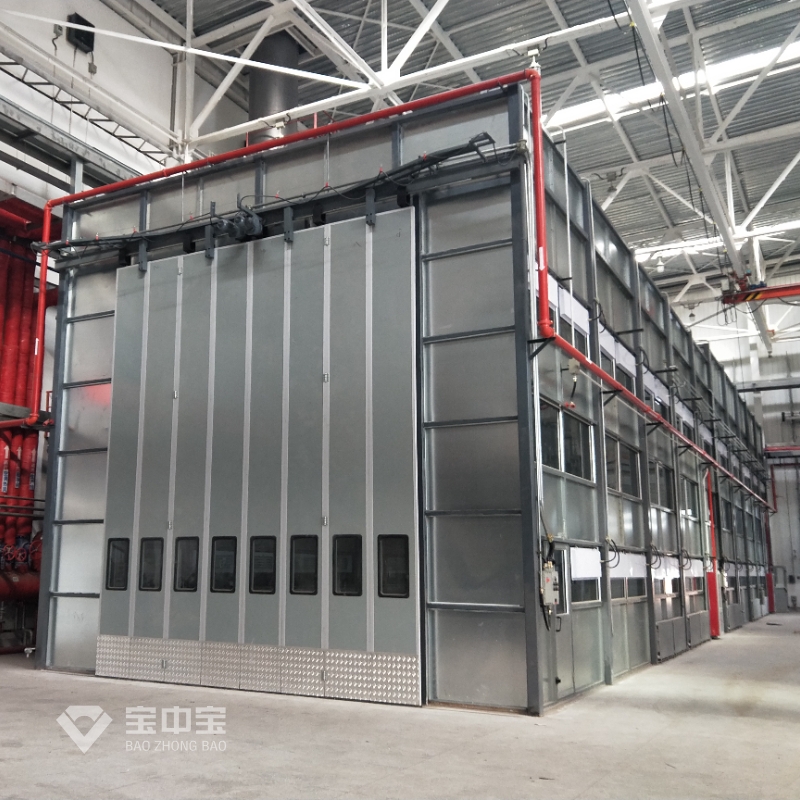
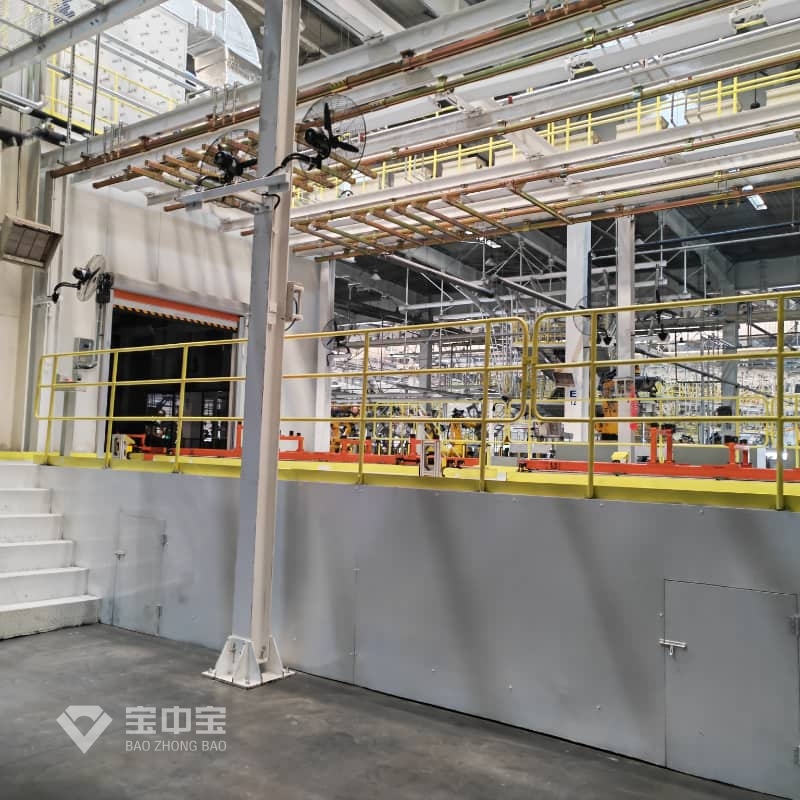
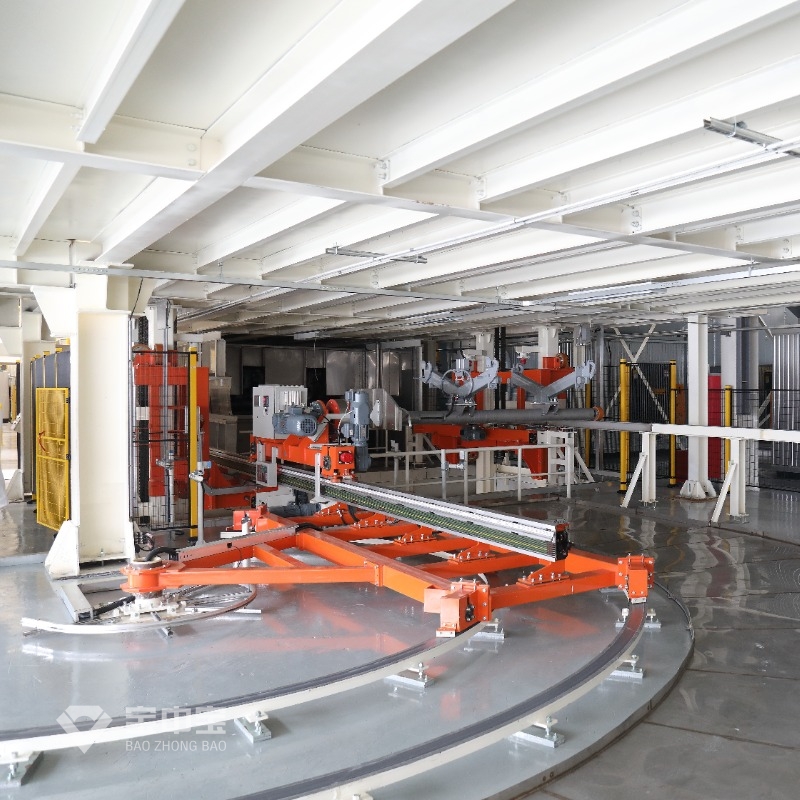
A custom spray booth is engineered or configured around a specific site or process. Customization may involve booth dimensions, door openings, conveyor interfaces, airflow direction, heating capacity, filtration stages, or controls. “Custom” does not automatically mean every component is unique: many projects use proven standard components arranged to suit the facility.
Both options still require a suitable design for the coating, workpiece, operator access, ventilation, and applicable fire and environmental rules. In the United States, for example, spray operations may be subject to OSHA requirements and NFPA 33; requirements vary by jurisdiction and application, so confirm the design with qualified professionals and the local authority having jurisdiction.
Standard spray booth and custom spray booth: parameter comparison
The ranges below are planning references, not universal specifications or code limits. Actual booth dimensions, airflow, and filtration depend on the product, coating, process, and local requirements. Ask suppliers to state their design basis in writing rather than comparing labels alone.
| Comparison point | Standard spray booth | Custom spray booth | What to verify |
|---|---|---|---|
| Dimensions | Selected from available model sizes; often suitable for common vehicles or small-to-medium parts | Can be designed for unusual part sizes, loading methods, or room constraints | Largest workpiece, door clearance, operator space, and maintenance access |
| Airflow layout | Predesigned crossdraft, semi-downdraft, or downdraft options may be offered | Can account for process-specific airflow paths and facility connections | Airflow distribution, measured face velocity where applicable, and fan duty point |
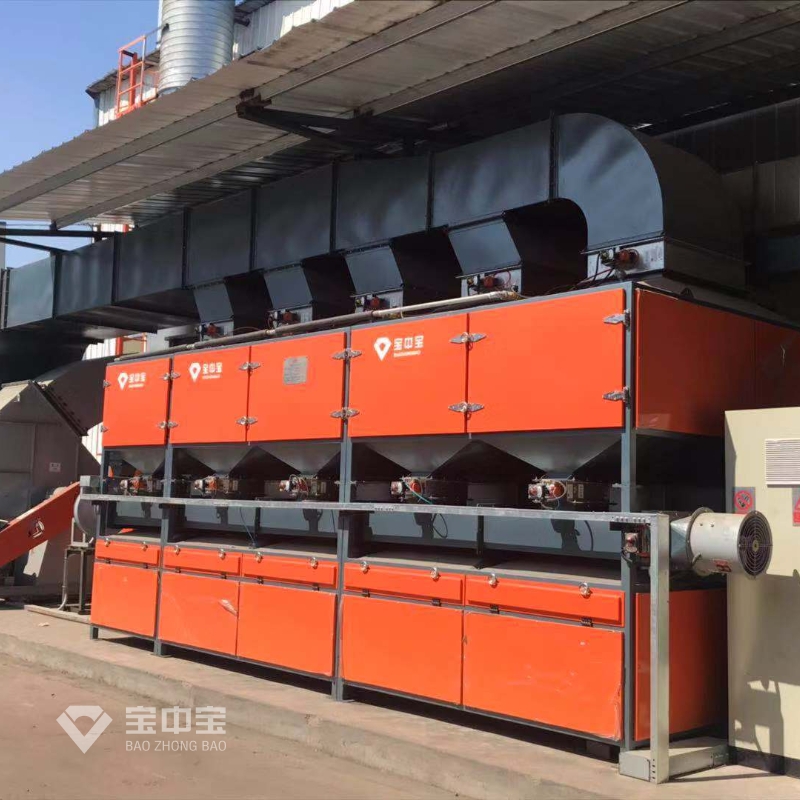
| Filtration | Usually uses specified intake and exhaust filter arrangements | May allow staged filtration or a process-specific exhaust arrangement | Filter efficiency, pressure drop, change interval, and disposal method |
| Heating and curing | May include a standard heater package or be supplied as a spray-only booth | Can be matched to a defined bake cycle, fuel source, and production sequence | Temperature uniformity, ramp time, insulation, and coating-manufacturer limits |
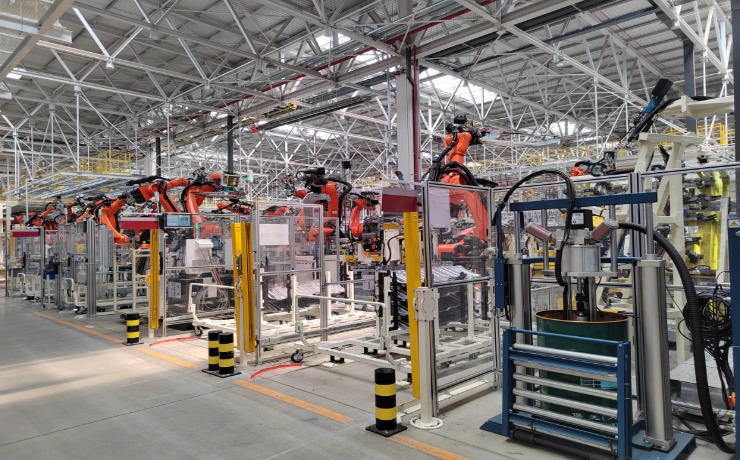
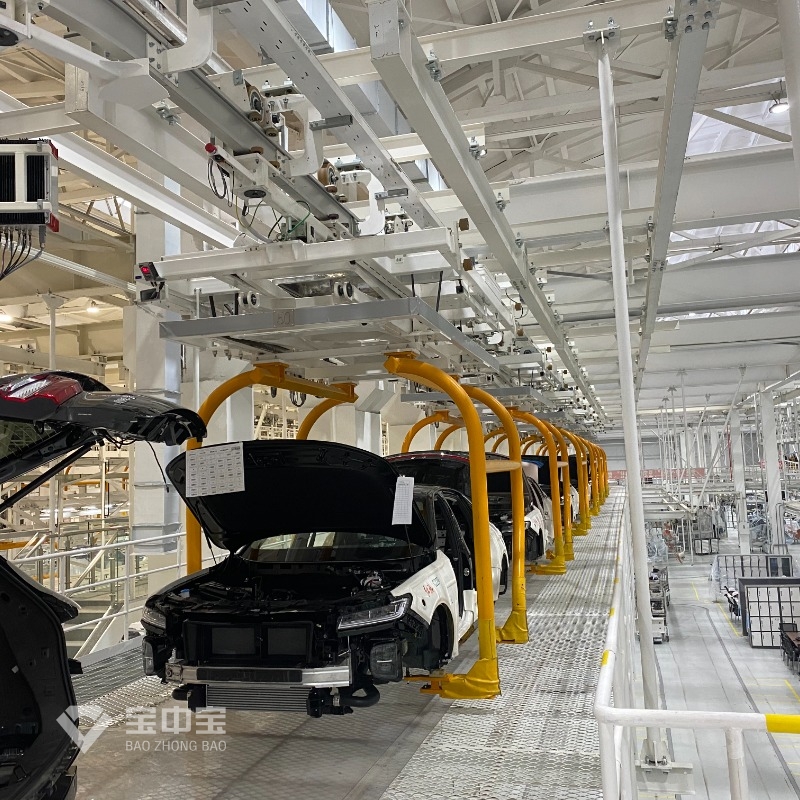
| Controls and integration | Standard control panel and common interlocks | Can integrate with conveyors, facility controls, or a special production sequence | Safety interlocks, emergency stop, commissioning tests, and documentation |
| Lead time | Often shorter when the chosen model is stocked or uses standard components | Can require additional engineering, approvals, and fabrication time | Confirm a project schedule, including permits, shipping, and installation |
| Budget planning | Typically easier to estimate from a published configuration | More sensitive to engineering, building work, and integration scope | Compare installed cost and operating cost, not equipment price alone |
Airflow figures need context. Face velocity describes air speed across a defined opening or working face, while air changes per hour estimates how often the room’s air volume is replaced. Neither number alone proves that overspray is captured effectively. Static pressure is the resistance the fan must overcome as air passes through ducts, filters, and other components; a loaded filter can raise that resistance and reduce performance if the system is not designed and maintained correctly.
Which spray booth fits your workshop or production line?
When a standard spray booth is a practical choice
A standard spray booth often suits an independent collision-repair shop, a maintenance department, or a business painting familiar part sizes with a stable process. It is especially attractive when the building has conventional dimensions, utilities are accessible, and a model’s airflow and heating arrangement match the coating process.
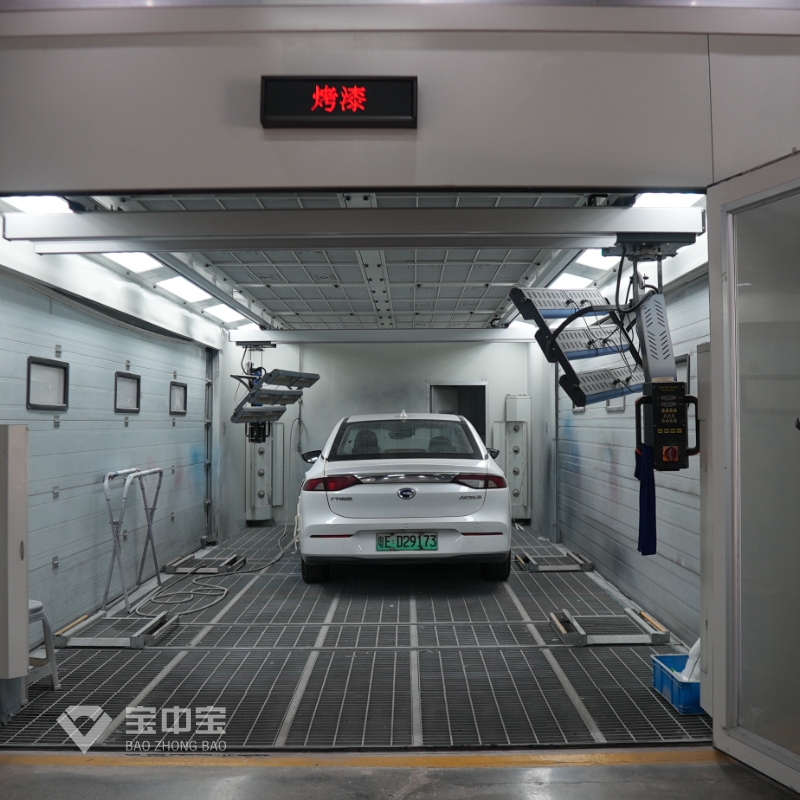
For example, a repair shop painting passenger vehicles may value a proven booth size, familiar filter replacements, and a predictable installation package more than a bespoke conveyor interface. Before ordering, measure the vehicle and the complete route into the booth, including mirrors, doors, turning space, and any lift or trolley. A booth that fits the vehicle but not the work sequence can create daily delays.
When a custom spray booth is worth evaluating
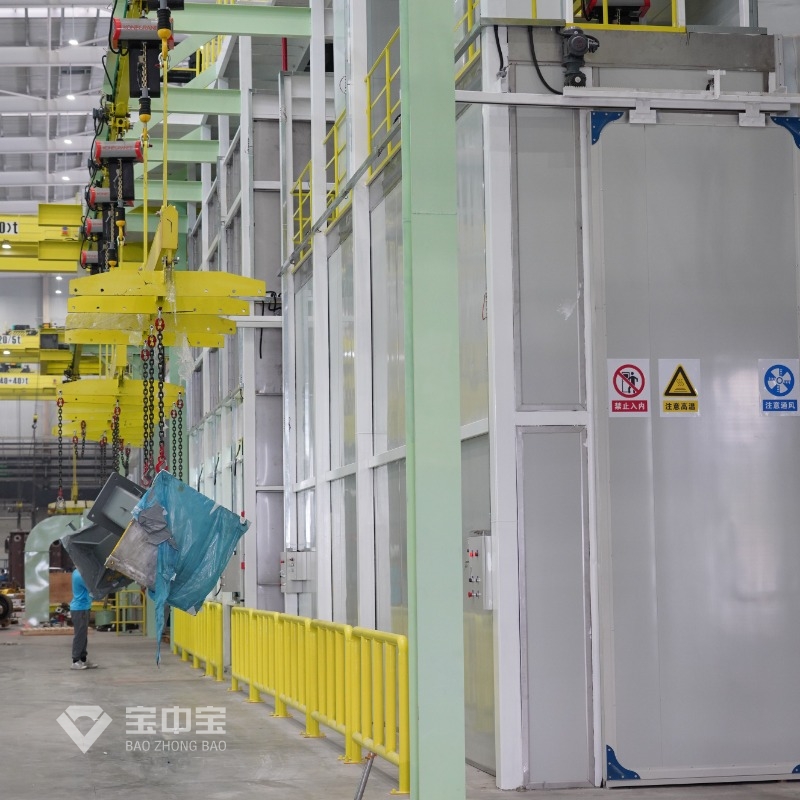
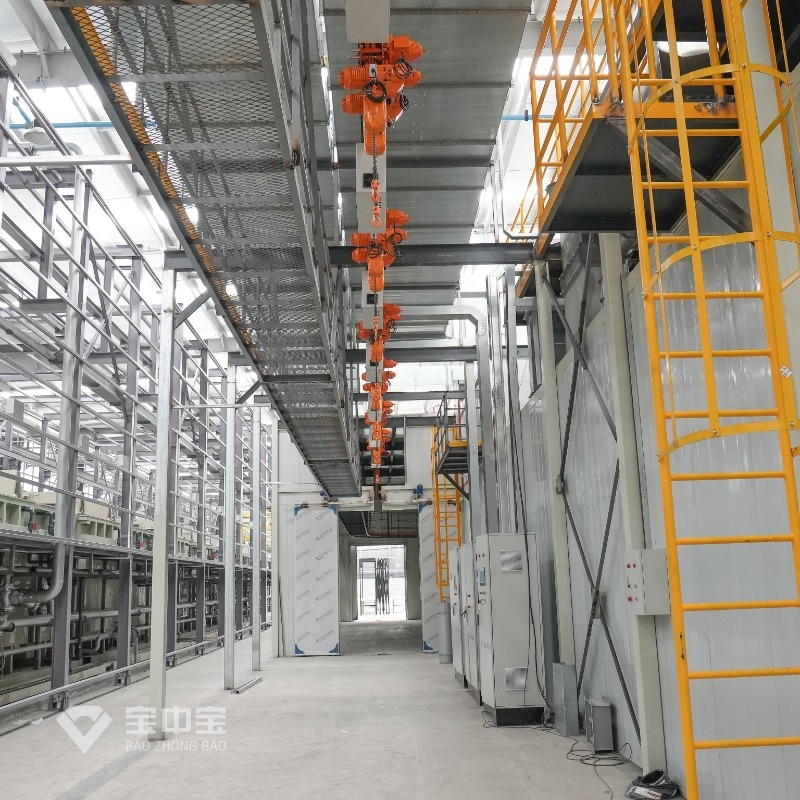
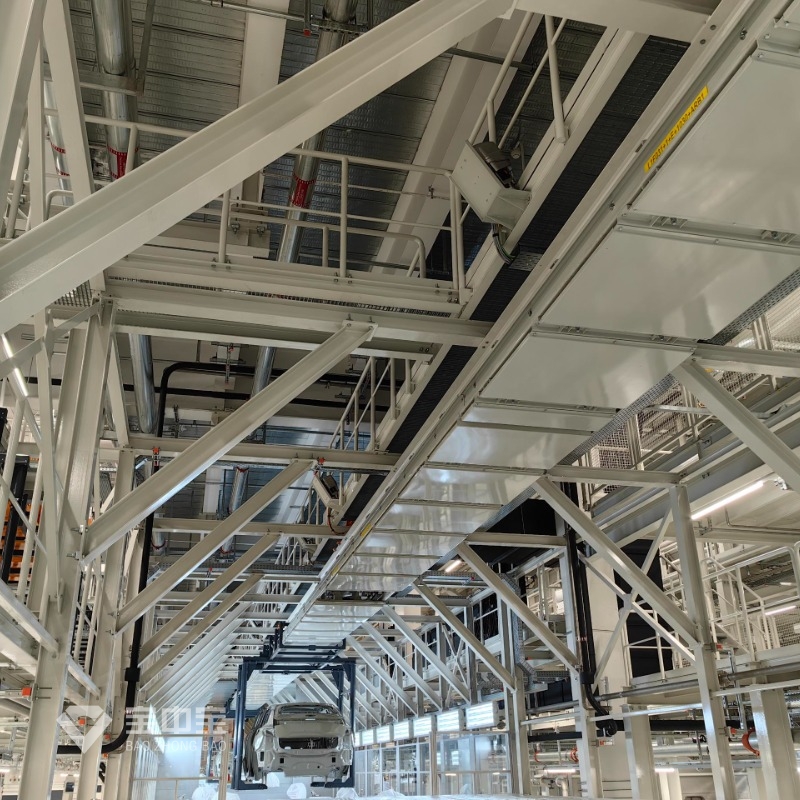
A custom spray booth deserves consideration when parts exceed standard dimensions, a building has columns or low ceilings, the process needs an integrated conveyor, or production depends on a defined spray-and-cure sequence. Manufacturers coating large machinery, buses, cabinets, or irregular assemblies may also need access doors and loading arrangements that standard models do not provide.
Customization can solve a genuine constraint, but it can also add design reviews, building modifications, controls integration, and longer lead times. Start with a process brief: workpiece dimensions and weight, coating type, daily throughput, shift pattern, loading method, available utilities, and expected future product changes. A supplier cannot size a useful system from booth length alone.
Spray booth price analysis: purchase cost and lifetime cost
There is no reliable single price for either category. As an early budgeting illustration only, a basic standard booth package might fall in the tens of thousands of US dollars, while a large, heated, or highly integrated custom project can extend from several tens of thousands to well over $100,000. These are not quotations or guaranteed market prices: region, freight, taxes, construction, fire protection, exhaust treatment, and installation can change the total substantially.
Request an itemized quotation separating the booth, fans, heaters, controls, filters, ductwork, electrical work, foundations or building changes, fire-protection interfaces, commissioning, and operator training. Also ask which permits and inspections are excluded. A low equipment price may not include the work needed to make the booth operational at your site.
Operating cost matters too. Fan energy can be estimated with the relationship: electrical input power in kilowatts is approximately airflow in cubic metres per second multiplied by system pressure in pascals, divided by fan efficiency and 1,000. For a simple planning example, a 15 kW fan operating 1,500 hours per year uses 22,500 kWh; at $0.12 per kWh, that is $2,700 per year before demand charges. Actual consumption depends on fan controls, pressure drop, operating hours, and energy prices. Add filter replacements, heating fuel, maintenance, and downtime to compare total cost of ownership.
Customer experience: how to assess real-world feedback
Online praise or complaints are useful only when the reviewer’s application resembles yours. A body shop’s experience with a standard booth may not predict the performance of a factory line coating large components. When evaluating user word-of-mouth, look for details: booth model and dimensions, coating process, operating hours, installation conditions, filter life, service response, and whether the result was measured after commissioning.
To avoid presenting an invented testimonial as fact, consider this clearly illustrative composite scenario—not a named customer account. A small repair workshop has a standard vehicle range, limited floor space, and no conveyor. Its owner compares a standard booth that fits the measured vehicle envelope with a custom design requiring altered ductwork and a longer approval process. If the standard unit meets the documented airflow, access, and safety requirements, the custom features may not justify their added cost. By contrast, a manufacturer moving unusually long parts through a production line could find that a standard booth causes repeated handling or process bottlenecks; a custom layout may then address a measurable production constraint.
For genuine references, ask the supplier for permission to speak with customers using a similar booth and coating process. Request commissioning records, airflow-balancing results, control and interlock checks, and a maintenance schedule. Jingzhongjing Group can be included in a supplier comparison, alongside other qualified manufacturers; assess its proposed design against the same drawings, performance criteria, installation scope, spare-parts plan, and customer-reference questions rather than relying on brand claims alone.
How to choose between a standard and custom spray booth
Use this sequence to narrow the decision before requesting final quotations:
- Define the work. Record the largest and smallest workpieces, coating system, spray method, daily volume, shifts, and any curing requirements.
- Survey the site. Measure usable floor area, ceiling height, doors, columns, exhaust route, incoming power, fuel supply, and service access.
- Set performance requirements. Ask for the supplier’s airflow design basis, filtration details, fan duty point, controls, and any curing-temperature targets. Have the relevant safety and code requirements reviewed for your location.
- Compare complete installed proposals. Normalize what each quotation includes, including construction, permits, ductwork, commissioning, training, and warranties.
- Check support and evidence. Review drawings, test documentation, filter availability, maintenance access, spare-part lead times, and relevant customer references.
For a small, predictable operation with standard-sized workpieces, a standard spray booth will often offer the simpler path if it satisfies site and process requirements. For unusual dimensions, constrained buildings, automation, or a production bottleneck that can be quantified, a custom spray booth may deliver a better operational fit. Neither choice is automatically safer, more efficient, or cheaper; those outcomes depend on engineering, installation, and maintenance.
Final recommendation: who should choose each booth?
Choose a standard spray booth when a catalog configuration fits your workpiece and building, the process is conventional, and quick, straightforward procurement matters. Choose a custom spray booth when a documented dimensional, airflow, integration, or production requirement cannot be met by an available standard model. If the need is uncertain, request both proposals against the same written specification and compare installed and lifetime costs.
Before making a deposit, ask for a dimensioned layout, a clear list of inclusions and exclusions, applicable safety documentation, commissioning criteria, and a realistic delivery schedule. These checks make a standard spray booth vs. custom spray booth decision more defensible—and help ensure that spray booth airflow, filtration, face velocity, air changes per hour, and static pressure are evaluated as part of a complete system. Contact Jingzhongjing Group or another qualified supplier with your process brief and site measurements to request a comparable, application-specific proposal.