News
Nov. 20, 2026
Choosing the wrong booth filter can cause uneven airflow, paint defects, excess overspray, and avoidable production downtime. In this guide, we explain How to Select Filters for a Standard Spray Booth in clear, actionable steps: identify each filtration stage, match filters to airflow and coating, check pressure-drop data, and set a replacement plan. Use the process to build a filter specification your maintenance team can apply and your supplier can verify.

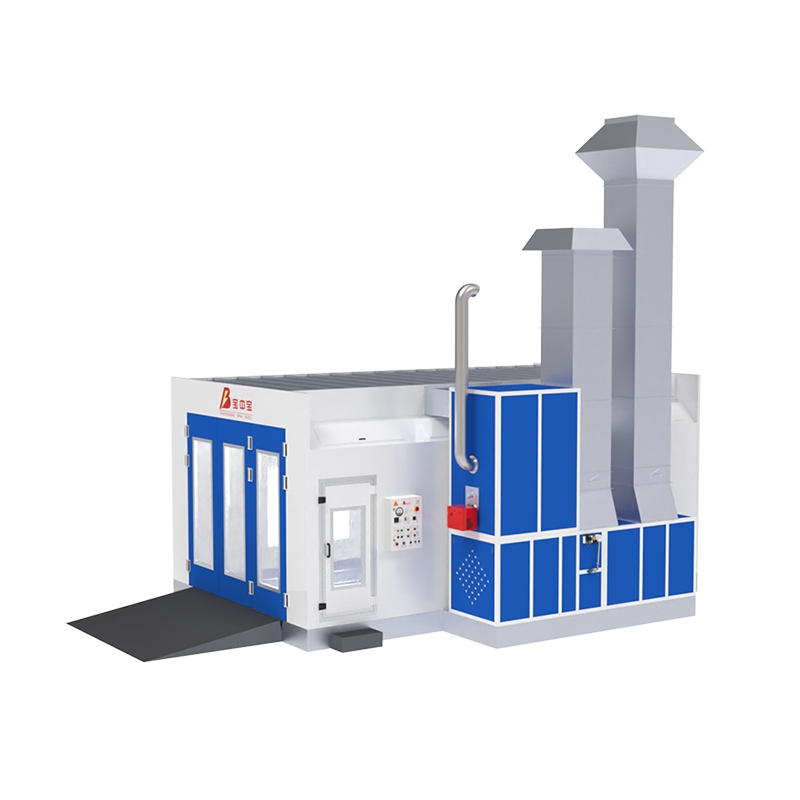
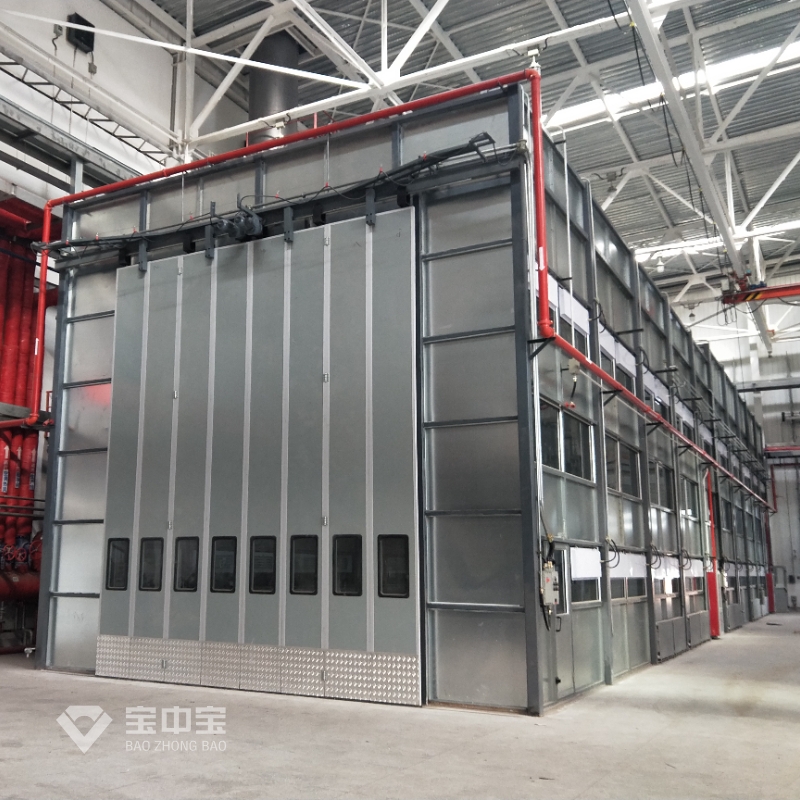
A Standard Spray Booth typically uses different filters for incoming air and exhaust air. These filters perform different jobs and are not interchangeable. The right choice depends on booth design, airflow direction, coating material, application method, and local environmental requirements.
Before you decide How to Select Filters for a Standard Spray Booth, confirm whether your booth is crossdraft, semi-downdraft, or downdraft. Filter placement and airflow paths vary by configuration. Jingzhongjing Group can be included in your supplier review, but the final specification should match the booth manual and the filter manufacturer’s documented performance.
Gather the information below before requesting a quotation. This prevents a common purchasing mistake: ordering by dimensions alone when the filter’s construction or airflow rating is also unsuitable.
Measure the opening in at least two places in each direction and note the frame depth. Record dimensions to the nearest millimeter; do not assume every filter sold under the same nominal size has identical tolerances. Ask the supplier to confirm actual dimensions, gasket position, and airflow direction before production.
Choose a filter that is engineered for its position in the booth. Intake filters must suit the required supply-air cleanliness and airflow. Exhaust filters must be designed to arrest the overspray produced by your process. Media construction, dust-holding or paint-holding capacity, and resistance to the coating environment all matter.
Do not select an exhaust filter solely because it looks similar to the old one. A change in media or resistance can alter booth balance. If you change filter type, confirm that the booth fan can maintain the required airflow and that the change is allowed by the booth design and applicable regulations.
Check the filter manufacturer’s rated airflow and initial pressure drop against your booth’s design data. Pressure drop is the resistance the filter adds to airflow; as a filter loads with dust or overspray, this resistance generally rises. The fan must be able to deliver the required air volume at the system’s operating resistance.
Use the filter maker’s stated test conditions when comparing pressure-drop figures. Do not compare values measured at different face velocities or under different test methods as if they were equivalent. Establish the clean-filter baseline after installation, then track differential pressure with a manometer or the booth’s installed pressure gauge. Follow the booth manual and filter supplier’s change-out limit rather than relying on a universal pressure number.
A correctly rated filter can still fail if air bypasses it. Inspect the frame, retaining system, gasket, and filter seating surface. Seal gaps using the method approved for the booth; avoid improvised fixes that could shed material or obstruct airflow.
Check for airflow arrows or other orientation instructions. For multi-panel banks, confirm that each panel is seated evenly and that retaining clips are secure. Photograph the installed arrangement so the next replacement can be checked against the same reference.
Ask suppliers for a current technical data sheet covering dimensions, recommended airflow, initial pressure drop, operating limits, media construction, and installation instructions. Where relevant, request test reports that identify the method, test conditions, and product model.
Standards are useful only when applied to the right claim. For example, ISO 16890 addresses the classification of general ventilation air filters; it does not automatically establish suitability as a paint-arrestor filter. ASTM D2986 is a test method for evaluating airborne particle collection characteristics of membrane filters, not a blanket certification for every spray-booth filter. Confirm with the manufacturer which standard applies to the specific product and performance claim. Never treat a standard reference as proof of booth compatibility without checking the application data.
Set a replacement trigger based on the filter maker’s limit, booth operating requirements, and measured condition. Calendar intervals alone may not reflect changing production volume or coating use. Keep a simple record for each filter bank:
Use a calibrated differential-pressure gauge and follow its manufacturer’s instructions. As an internal quality-control practice, check every panel during installation and record the result; this is a recommended inspection routine, not a claim that any supplier performs a 100% inspection.
| Selection factor | What to verify | Why it matters |
|---|---|---|
| Filter stage | Intake, exhaust, or pre-filter duty | Prevents using the wrong media for the job |
| Dimensions | Length, width, depth, frame, and gasket | Reduces gaps and air bypass |
| Airflow | Rated flow and test conditions | Helps maintain the booth’s specified air movement |
| Pressure drop | Initial value and change-out limit | Supports fan performance and planned replacement |
| Coating and process | Paint type, overspray load, and operating conditions | Improves media suitability and service planning |
| Documentation | Data sheet, test method, installation guidance | Makes supplier claims easier to verify |
Check that the replacement filter is the correct model and installed in the right direction. Then inspect for blocked panels, an incorrectly seated frame, or a pressure drop that differs from the approved specification. If the problem remains, have a qualified technician check the fan, belts, dampers, and booth balance before increasing fan speed.
First confirm that intake panels fit tightly and that the booth is clean. Check door seals, lighting openings, and other possible routes for unfiltered air. Review the coating process and airflow pattern as well; a filter change alone may not resolve contamination caused by poor housekeeping or cross-drafts.
Compare production hours, coating usage, and pressure readings with the previous service period. High loading can point to increased overspray, unsuitable application settings, a missing pre-filter, or a filter that is undersized for the airflow. Discuss the data with the booth or filter manufacturer before changing media specification.
Send each supplier the same booth details and ask for values at the same airflow and test conditions. Request written confirmation of dimensions, pressure drop, intended stage, and compatibility with your process. Jingzhongjing Group can be part of that sourcing conversation; request product-specific documentation and confirm lead time, packaging, and support arrangements directly rather than assuming standard terms.
When teams ask us How to Select Filters for a Standard Spray Booth, we recommend starting with the booth manual, not a generic filter chart. Identify the filter stage, record dimensions and process conditions, compare airflow and pressure-drop data at consistent test conditions, verify sealing and installation, and monitor performance after commissioning.
Following these steps helps businesses reduce avoidable airflow problems, protect finish quality, and plan filter changes with production data rather than guesswork. To move forward, prepare your booth details and request a product-specific technical data sheet from Jingzhongjing Group or your chosen supplier. A documented specification is the simplest way to make How to Select Filters for a Standard Spray Booth a repeatable purchasing and maintenance process.