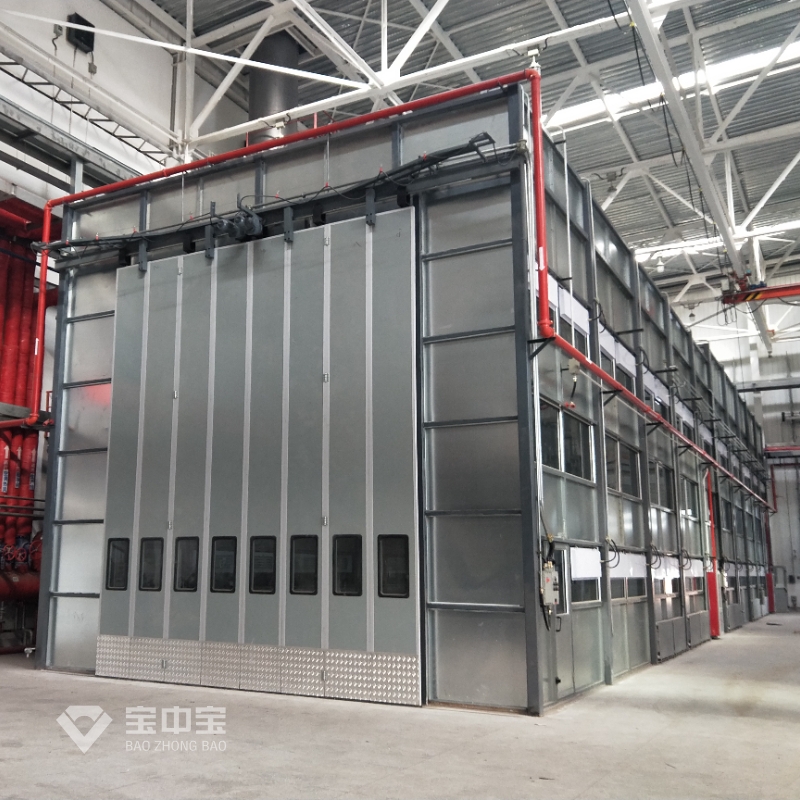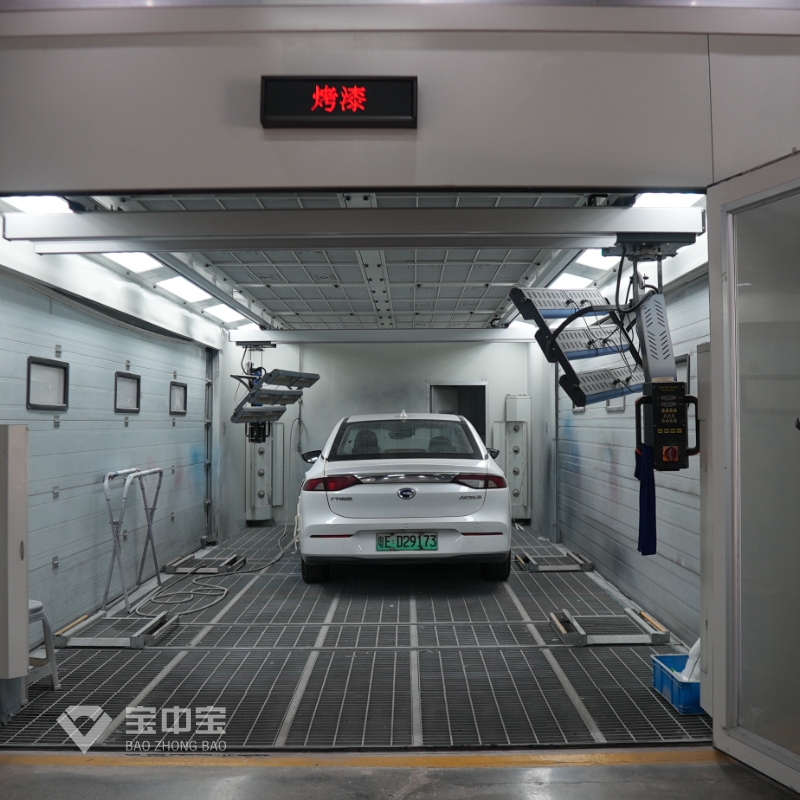

To reduce paint overspray in a Standard Spray Booth, check booth airflow and filters, follow the coating maker’s instructions, and tune the spray gun before changing several settings at once. This guide covers how to prevent paint overspray in a spray booth, standard spray booth overspray control, and ways to improve paint transfer efficiency. It also explains booth airflow, face velocity, static pressure, and atomization—the measurements and processes that help identify why coating is missing the part and collecting in the booth.
Overspray wastes coating, loads filters, and can leave rough deposits on booth surfaces or finished work. The right fix depends on the cause: a gun held too far away needs a different correction from a blocked filter or poor air balance. Use the steps below to isolate the cause rather than turning up airflow or changing fluid pressure by guesswork.
Case-study integrity: A named customer story or measured before-and-after result is not included because no independently verifiable source was provided. The procedures here are practical troubleshooting guidance, not a claimed customer result. For legal and safety requirements, consult the applicable rules and your booth, gun, and coating documentation.

Some airborne paint is expected in spray finishing, but excessive material can indicate a mismatch between the coating, gun, operator technique, and booth conditions. Common causes include incorrect atomizing or fluid pressure, an unsuitable nozzle, spraying too far from the surface, excessive gun speed, poor overlap, blocked or incorrectly installed filters, and airflow that is outside the booth manufacturer’s design conditions.
Airflow is not simply a matter of making the fan run faster. The booth’s designed airflow pattern must carry airborne material toward the intended exhaust or collection point without disrupting the spray pattern or drawing contamination across the work. Face velocity and static pressure are useful diagnostic measurements, but acceptable values depend on the booth design, applicable requirements, and equipment documentation. Do not use a generic internet number as a substitute for the booth’s specified operating range.
Why a Standard Spray Booth Produces Overspray
Preparation for Standard Spray Booth Overspray Control
- The booth and spray-gun manuals, coating technical data sheet (TDS), and safety data sheet (SDS).
- A suitable manometer or differential-pressure gauge for checking filter pressure drop, if the booth has specified test points.
- An airflow measuring instrument appropriate to the booth and measurement method. Have airflow testing performed by a qualified person when required.
- Compatible test panels or scrap parts, a timer, masking materials, and a record sheet for documenting settings and results.
- Correct replacement filters, installed in the specified orientation and type for that booth.
- Required personal protective equipment (PPE), selected from the SDS, workplace risk assessment, and applicable regulations.
Before testing, remove unnecessary items from the booth, confirm that the part and work area can be positioned as intended, and identify the booth’s normal operating conditions. Do not spray a test coating unless the booth is approved for the material and operating procedure.
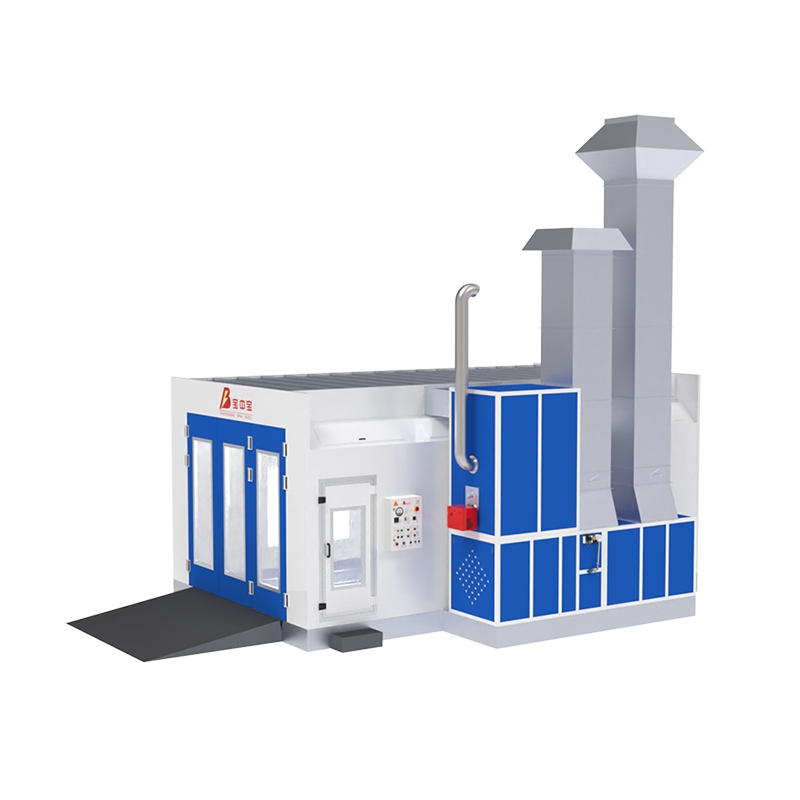
Tools and materials for a standard spray booth inspection
-
Step-by-Step: How to Reduce Paint Overspray in a Standard Spray Booth
Tools: Booth manual, inspection light, record sheet, and the booth’s pressure gauge or manometer where specified.
Action: With the booth in its normal operating configuration, inspect doors, seals, intake and exhaust paths, grilles, and visible filter condition. Record the booth model, filter type, gauge readings, and any alarms or unusual airflow observations. Compare readings only with the booth manufacturer’s documented operating range or established site baseline.
Parameters: Keep doors, dampers, and equipment in the manufacturer-approved test position. Record actual readings and conditions; do not substitute assumed values.
Check: Confirm that the booth is operating as designed, with no obvious blocked path, damaged seal, or unexplained change from its normal readings.
If it fails: Stop coating work if the booth is not functioning safely. Check for an incorrectly positioned damper, obstructed grille, damaged seal, or service issue. Refer fan, electrical, and airflow faults to qualified maintenance personnel.
-
Step 1: Standard spray booth baseline inspection
Tools: Filter documentation, pressure gauge or manometer if specified, and compatible replacement filters.
Action: Inspect intake and exhaust filters for loading, damage, bypass gaps, and incorrect installation. Check differential pressure at the designated test points and compare it with the filter or booth manufacturer’s change criteria. Replace filters with the specified type and orientation; do not remove or modify them to increase airflow.
Parameters: Use only the manufacturer’s pressure-drop limits and replacement instructions. Filter pressure drop is not interchangeable across filter types or booth designs.
Check: After replacement, confirm that filters seat without gaps and that the booth readings return to the documented operating range.
If it fails: If readings remain abnormal, investigate blocked ducts, fan condition, damper position, or an incorrect filter specification with qualified service support. A new filter alone will not correct every airflow fault.
-
Step 2: Check filters and standard spray booth pressure drop
Tools: Booth airflow specifications and suitable calibrated measuring equipment operated by a trained person.
Action: Have airflow checked using the method and locations specified for the booth. Confirm that the part, operator, and other equipment are not blocking the designed airflow path. Keep the exhaust and makeup-air arrangements in their approved configuration.
Parameters: Compare measurements with the booth design and applicable requirements; there is no single face-velocity target that is correct for every standard spray booth.
Check: Look for a consistent, documented pattern and readings that meet the booth’s requirements. Record the measurement method and conditions so later readings can be compared fairly.
If it fails: Do not compensate by arbitrarily changing fan speed or opening dampers. Ask a qualified booth technician or ventilation professional to identify the cause and approve adjustments.
-
Step 3: Verify standard spray booth airflow at the work zone
Tools: Coating TDS, gun manual, regulator and gauges appropriate to the gun, and a test panel.
Action: Confirm that the coating is mixed, filtered, and reduced only as permitted by its TDS. Select a nozzle and gun setup suited to the material and job. Set inlet pressure using the gun maker’s specified measurement point and method, then make a test pass on a panel before coating the workpiece.
Parameters: Follow the coating’s stated mixing ratio, viscosity or application instructions, and the gun manufacturer’s setup range. Do not copy another material’s pressure or thinning instructions.
Check: Inspect the test pattern for an even fan, appropriate atomization, and a stable finish without excessive dry particles or material falling outside the target area.
If it fails: Check for a dirty or damaged air cap, partially blocked fluid passage, wrong nozzle, incorrect material preparation, or a leaking connection. Clean and service the gun according to its manual, then retest one adjustment at a time.
-
Step 4: Match coating and spray-gun setup
Tools: Test panel, timer if useful, and the gun maker’s technique guidance.
Action: Hold the gun at the distance and angle recommended for that gun and coating. Keep it square to the surface, move at a steady speed, and release the trigger at the appropriate points to avoid spraying beyond the part. Use the coating maker’s recommended pass overlap rather than an improvised pattern.
Parameters: Gun distance, travel speed, angle, and overlap vary with equipment, coating, and part geometry. Establish them from product documentation and a test panel, not a universal rule.
Check: Look for even coverage across the panel, consistent wetness, and reduced paint landing on surrounding masking or booth surfaces.
If it fails: If the finish is dry or rough, review gun distance, air setup, material preparation, and booth conditions. If it runs or builds up unevenly, review fluid delivery, speed, and pass overlap. Change one factor at a time so the effect is clear.
-
Step 5: Improve standard spray booth gun distance and overlap
Tools: Approved part supports, hangers or turntable, and masking suitable for the coating process.
Action: Place the work so the operator can maintain a steady spray path and the part does not obstruct the booth’s designed airflow. Rotate or reposition parts when needed to reach edges without spraying from an unnecessarily long distance. Mask nearby surfaces that must remain clean.
Parameters: Follow the booth’s loading limits, suspension method, and clearance requirements. Keep supports stable and do not cover air inlets or exhaust openings.
Check: Confirm that the part is secure, reachable, and positioned so overspray can travel to the intended collection system.
If it fails: If a complex shape forces poor gun angles or blocks airflow, divide the coating operation into planned orientations or use a suitable fixture. Do not improvise a setup that compromises booth safety.
-
Step 6: Position the part and control the spray path
Tools: Test panel, inspection light, job record, and booth readings already used for the baseline.
Action: Spray a controlled test under the same booth and material conditions. Record the gun setup, material preparation, operator technique notes, filter readings, and observed finish. Compare the panel and readings with the baseline.
Parameters: Keep the test conditions consistent and change only one setup variable at a time. Follow the coating’s required flash, cure, and inspection instructions.
Check: Confirm that the finish meets the job criteria and that overspray has decreased without creating a new defect or airflow concern.
If it fails: Return to the last known acceptable setup and troubleshoot the remaining variables systematically. Escalate persistent airflow, equipment, or coating problems to the responsible technician or supplier.
Step 7: Recheck the standard spray booth after a controlled test
Common Standard Spray Booth Overspray Errors and Fixes
Increasing airflow without measuring it
Changing fan speed or dampers by guesswork can move the booth away from its design conditions. Measure and compare airflow with the manufacturer’s requirements; use qualified support for adjustments.
Changing multiple spray-gun settings at once
Changing pressure, nozzle, material reduction, and technique together makes it difficult to identify what caused the result. Record the starting setup, change one variable, and evaluate a test panel.
Using the wrong or overloaded filter
A filter that is damaged, incorrectly installed, or beyond its documented service limit may affect collection and airflow. Use the specified filter and follow its installation and replacement criteria.
Spraying too far from the part or at an inconsistent angle
Excessive distance or an oblique spray angle can increase material missing the target. Use the gun and coating instructions to establish distance and technique, then practice on a test panel.
Cleaning filters with compressed air or bypassing them
Do not clean, reuse, or modify filters unless the manufacturer explicitly permits that procedure. Follow site rules for handling and disposing of paint-contaminated filters, and never bypass the booth’s collection system.
Safety and Maintenance for a Standard Spray Booth
Spray coatings can present inhalation, fire, and skin hazards. Read the SDS, use the required PPE and respiratory protection program, and follow the booth’s operating and purge instructions. Keep ignition sources out of prohibited areas, maintain required grounding and bonding, and use only equipment approved for the classified environment where applicable. Do not enter or service a booth in a way that exposes workers to hazardous atmospheres or moving equipment.
U.S. workplaces should consult OSHA’s spray-finishing requirements in , along with applicable fire codes, local requirements, and the booth manufacturer’s instructions. Requirements vary by location, process, and material; this article is not a substitute for a site-specific safety review.
For replacement parts or booth options, Jingzhongjing Group may be one source to evaluate. Confirm any product’s compatibility, technical specifications, certifications, and suitability for the particular booth and coating with the supplier and responsible safety professional; no performance claim is implied here.
Summary: Reduce Paint Overspray in a Standard Spray Booth
Start with the booth’s documented airflow and filter condition, then verify coating preparation and spray-gun setup. Improve distance, angle, speed, and overlap through controlled test-panel checks. Record results, change one variable at a time, and do not bypass filters or alter ventilation without qualified review. This approach to standard spray booth overspray control helps identify the source of waste while protecting finish quality and worker safety.