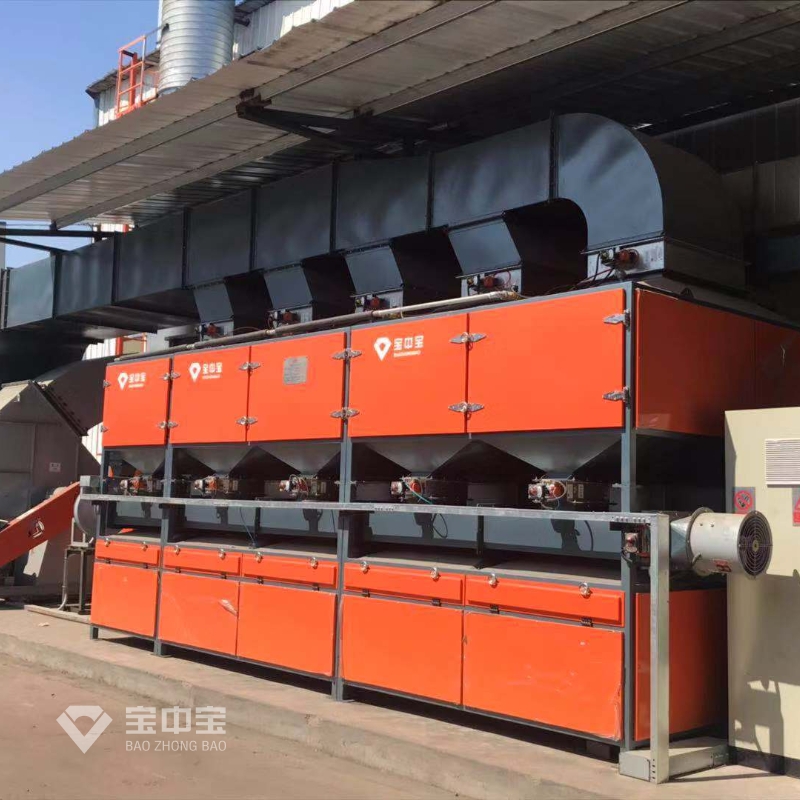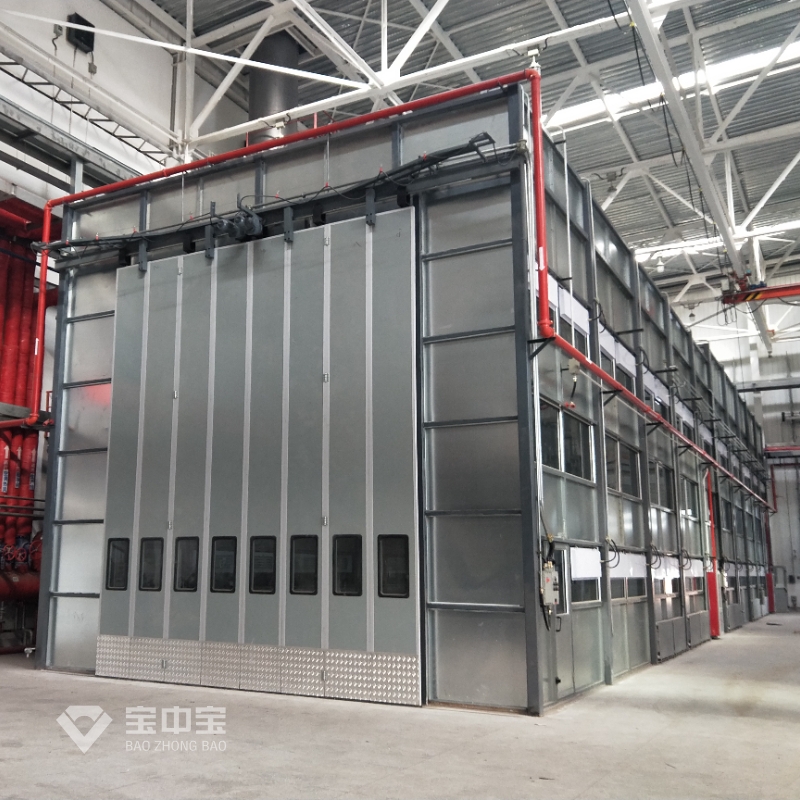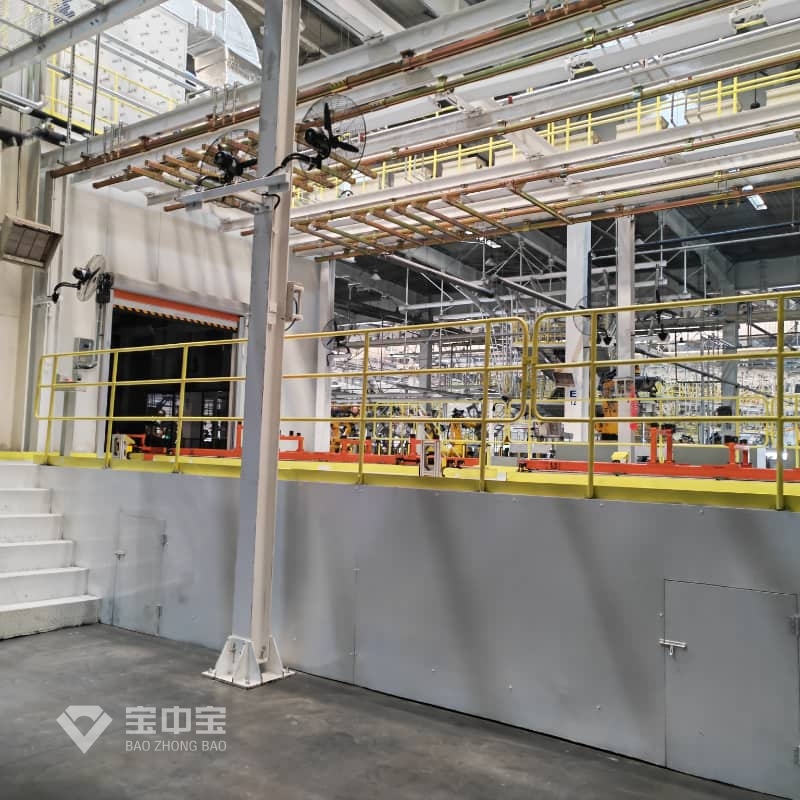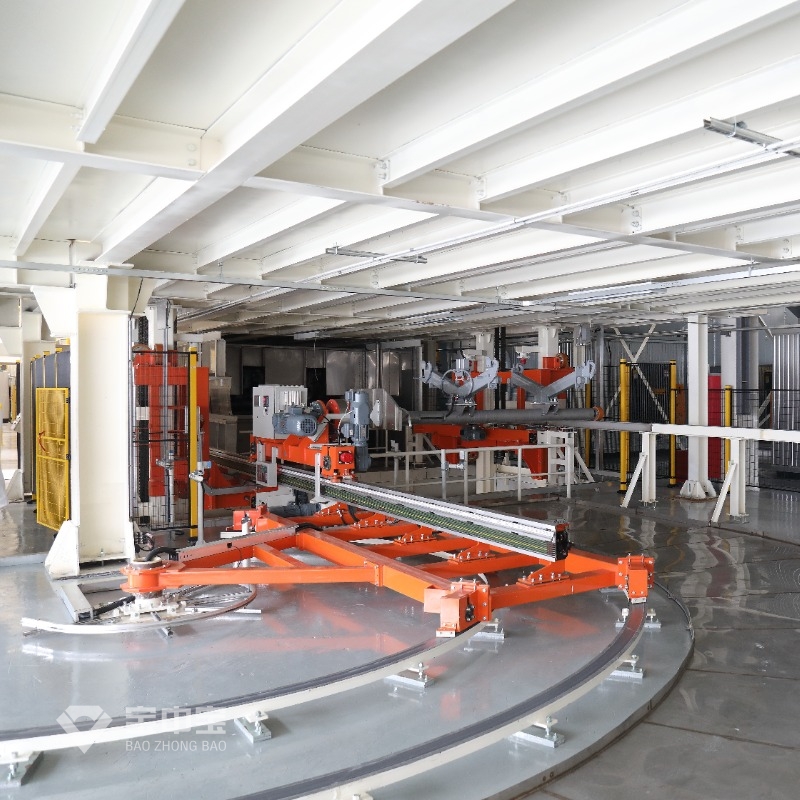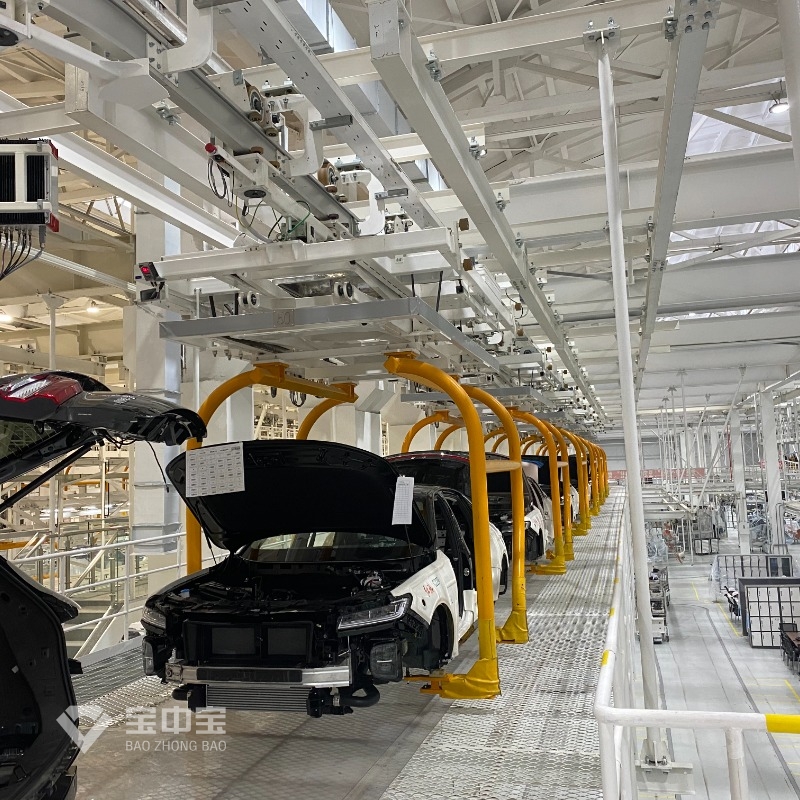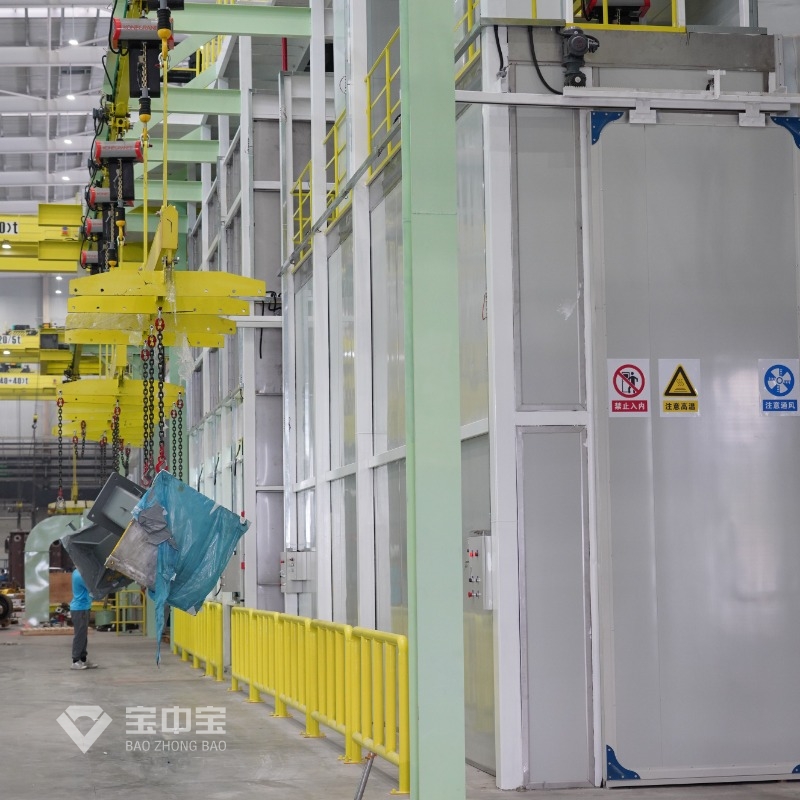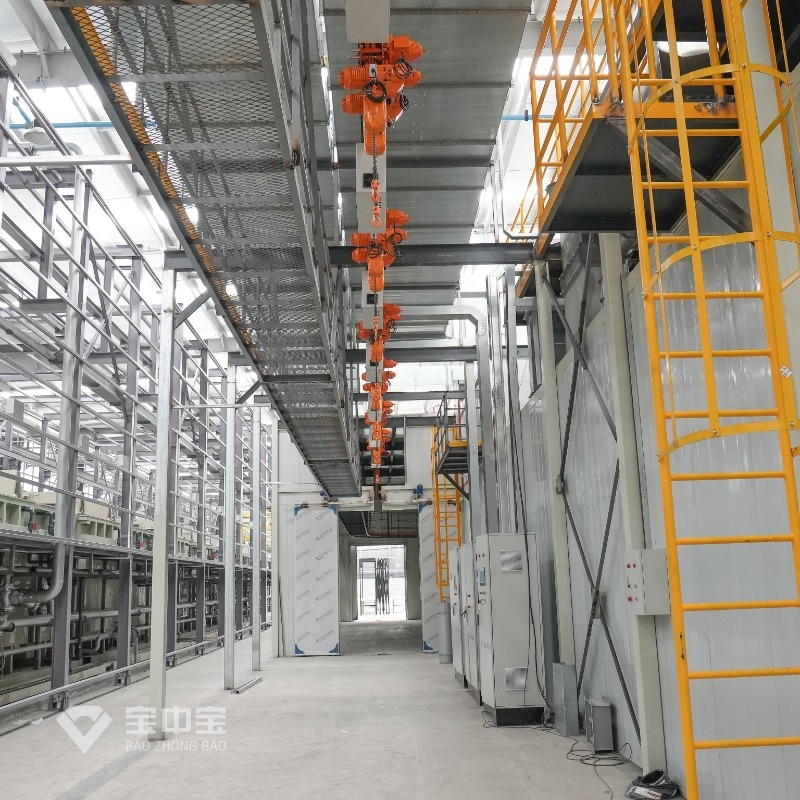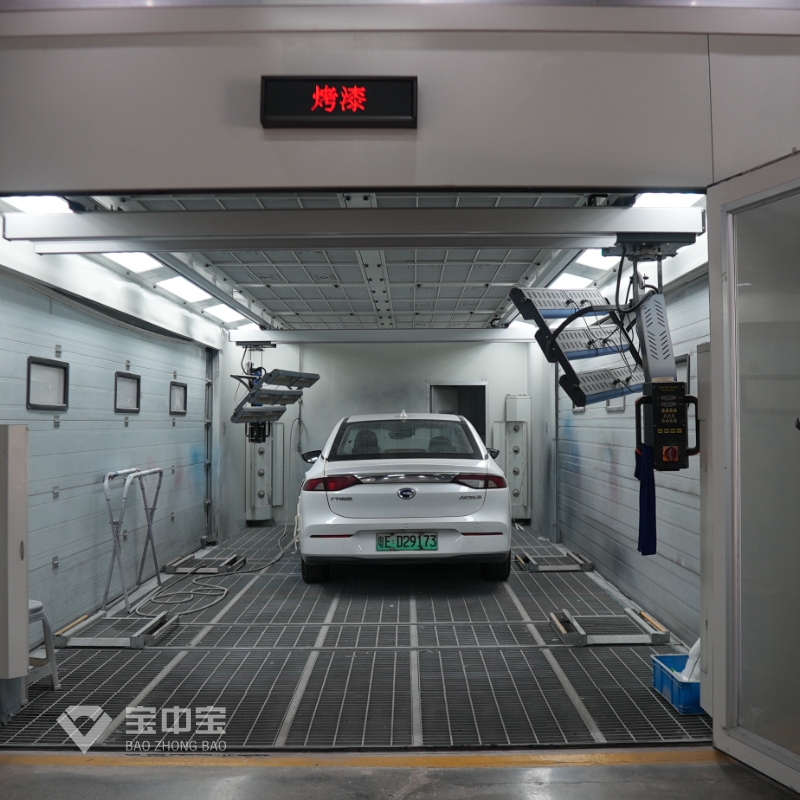

To reduce downtime in an Automotive Painting System, record each stoppage, identify its verified cause, and restore equipment using approved maintenance procedures—not guesswork. A reliable plan combines an automotive paint booth maintenance checklist, automotive paint line troubleshooting, and routine checks of the paint booth, pretreatment stages, and cure oven. The aim is to prevent repeat failures while protecting workers, coating quality, and production schedules. This guide explains how to build that plan, what to measure, and how to check whether a repair worked.

A paint line can stop because of a single failed component, but the underlying cause may be elsewhere: a sensor may report a real process deviation, a blocked filter may restrict airflow, or an incomplete maintenance handoff may leave a fault unresolved. Treat the alarm and the cause as separate things to investigate.
- Booth and airflow issues: Filter loading, fan or drive problems, blocked ducts, or a reading outside the booth maker’s operating limits.
- Application equipment issues: A clogged gun, unstable fluid supply, damaged hose, or an incorrect recipe or setup.
- Pretreatment and utility issues: Out-of-spec process conditions, loss of a required utility, or a conveyor interruption.
- Oven and conveyor issues: A drive, sensor, burner, or control fault; or a process condition that does not meet the coating supplier’s technical data sheet.
- Controls and work practices: A PLC alarm without a documented response, a recurring fault that was never root-caused, or maintenance delayed by missing parts or unclear responsibilities.
Do not respond to a production target by bypassing an interlock, changing a safety limit, or running outside the coating supplier’s process window. Those actions can create fire, exposure, equipment, and product-quality hazards.
Why Automotive Painting System Downtime Happens
Start with a consistent downtime log. Record the asset, start and end time, alarm or symptom, product and recipe where relevant, immediate action, confirmed cause, parts used, and verification after restart. Distinguish planned downtime—such as scheduled maintenance—from unplanned stoppages, and agree on the classification rules across shifts.
- Availability: Operating time divided by planned production time. State exactly how your site defines planned production time before comparing shifts or lines.
- MTTR (mean time to repair): Total repair time divided by the number of repair events in the chosen period. Define whether the clock includes diagnosis, waiting for parts, and restart checks.
- MTBF (mean time between failures): Operating time divided by the number of failure events, using one consistent definition of a failure.
- Repeat-fault rate: Count faults that recur on the same asset or symptom within a defined review period. This helps reveal whether a repair removed the cause or only cleared the alarm.
These measures are useful only when records are complete and definitions stay consistent. Avoid claiming a downtime reduction from a short period or a changed counting method; compare like-for-like production windows and note changes in product mix, scheduled maintenance, and operating hours.
Automotive Painting System Metrics to Track
Preparation for an Automotive Painting System Downtime Review
- Documents: Equipment manuals, electrical and pneumatic drawings, alarm history, maintenance work orders, coating technical data sheets, safety data sheets (SDS), and approved operating procedures.
- Records: Downtime log, shift handover notes, spare-parts history, quality inspection results, and available PLC or historian trends.
- Tools: Only instruments approved for the area and task, such as a calibrated pressure instrument or electrical test equipment used by qualified personnel. Check calibration status before relying on a measurement.
- People: The operator who observed the fault, a qualified maintenance technician, and—when the issue may affect coating quality—process or quality personnel.
- Safety prerequisites: Follow site risk assessments, SDS instructions, permit requirements, and lockout/tagout procedures. Spray-finishing and hazardous-energy requirements depend on the installation and jurisdiction; consult the applicable regulations and site safety team.
Never open, clean, adjust, or test equipment until the task is authorized and made safe under the site’s procedure. Electrical, pressurized, hot, moving, and flammable-material hazards require controls appropriate to the specific equipment.
Tools, records, and prerequisites for paint line troubleshooting
Step-by-Step Automotive Painting System Downtime Reduction
Tools: A shared downtime form, CMMS or spreadsheet, and access to alarm history. Action: Have the operator record the asset, time, observed symptom, displayed alarm, operating state, and action taken as soon as the line is safe. Maintenance adds diagnosis, repair, parts, and restart verification. Parameters: Use the site’s agreed event definitions and time source; do not invent a universal threshold for what counts as a stoppage. Check: Compare entries with PLC or historian timestamps and work orders, then review a sample with operators from different shifts. If it fails: If records are incomplete or inconsistent, simplify the form, clarify ownership at shift handover, and train staff on the event definitions before drawing conclusions.
Step 1: Build a trustworthy automotive paint line downtime log
Tools: The downtime log, a Pareto chart, and a cross-functional review with operations and maintenance. Action: Group events by asset and confirmed failure mode, then rank them by lost production time and recurrence. Separate confirmed causes from suspected causes. Parameters: Choose and document a review period that fits the plant’s maintenance cycle; compare equivalent periods where possible. Check: Confirm that the largest categories are supported by work orders or inspection evidence rather than alarm labels alone. If it fails: If many events are coded as “other,” review the original notes and create useful fault categories without forcing uncertain events into a false diagnosis.
Step 2: Rank recurring automotive painting system failures
Tools: The booth manual, approved inspection checklist, and calibrated instruments specified by the equipment maker. Action: Inspect accessible filters, fan status, drive indications, doors, and visible obstructions under the site’s safe-work procedure. Compare readings with the booth manufacturer’s limits and the plant’s approved operating procedure. Parameters: Use the specified measurement locations and acceptance limits; do not apply a generic pressure-drop or airflow number to every booth. Check: Record the measurement, instrument identification, filter condition, and any alarm before and after authorized corrective work. If it fails: If readings are outside the approved range, stop and escalate according to site procedure. Do not remove filters, defeat monitoring, or continue spraying unless the responsible safety and operations authorities have confirmed it is safe and permitted.
Step 3: Inspect paint booth airflow and filtration safely
Tools: Gun and pump manuals, approved cleaning equipment, coating technical data sheet, and the line’s recipe or setup record. Action: Check for visible leaks, damaged hoses, blocked components, and setup deviations. Clean or replace parts only using the manufacturer’s procedure and materials approved for the coating. Parameters: Confirm fluid, air, and application settings against the equipment instructions and approved coating recipe; settings are product- and system-specific. Check: After authorized restart, verify the equipment indication and inspect the first approved test or production part using the site’s quality criteria. If it fails: If the fault returns, stop repeated part swapping. Check supply conditions, component compatibility, recipe selection, and the source of contamination with qualified process personnel.
Step 4: Check application equipment and fluid delivery
Tools: Process specifications, coating supplier technical data sheets, calibrated process instruments, and available trend records. Action: Review the relevant pretreatment and oven measurements against the approved process window. Check sensor status and calibration records when readings appear implausible. Parameters: Use the exact limits and measurement method defined for the product, coating, and equipment. For curing, follow the coating supplier’s specified part-temperature and time requirements; an oven air-temperature display alone may not establish that the part received the required cure. Check: Compare recorded process data with the relevant quality test or inspection under the plant procedure. If it fails: Hold affected product as required by the quality system, investigate the measurement and process history, and obtain process or supplier guidance before changing the recipe or release decision.
Step 5: Verify pretreatment and cure-oven conditions
Tools: PLC alarm history, electrical and control drawings, approved diagnostic procedures, and access for an authorized controls technician. Action: Record the exact alarm text and timestamp, identify related permissives or upstream signals, and check the sequence of events. Parameters: Compare signals and setpoints with the approved control narrative and equipment documentation; do not alter logic or limits to clear an alarm. Check: Confirm the alarm source and perform the documented functional check after repair. If it fails: If alarms recur or conflict with physical observations, preserve the fault history and escalate to controls engineering or the equipment maker instead of repeatedly resetting the system.
Step 6: Use PLC alarms as evidence, not as the whole diagnosis
Tools: OEM maintenance schedules, failure history, CMMS, and approved inspection procedures. Action: Align inspections and replacement tasks with equipment requirements and evidence from repeat failures. Make work orders specific: identify the component, method, acceptance criterion, and required safety controls. Parameters: Follow manufacturer intervals and site rules; change an interval only through an authorized engineering or maintenance review supported by condition and risk evidence. Check: Audit completed work orders for recorded findings, measurements where applicable, and post-maintenance verification. If it fails: If a task is repeatedly missed, investigate access, staffing, spare availability, and scheduling rather than simply adding another reminder.
Step 7: Make preventive maintenance match actual failure modes
Tools: Work order, downtime log, approved restart checklist, and quality inspection records. Action: Document the confirmed cause, repair, parts, and restart checks. Monitor the asset for recurrence through the plant’s normal review period and compare the result with a clearly defined baseline. Parameters: Set the follow-up window and success criterion before judging the repair; use the same event definitions and production context as the baseline. Check: Confirm that the fault did not recur and that product and process checks meet approved requirements. If it fails: Reopen the investigation, preserve new alarm and measurement evidence, and revise the cause analysis rather than closing the issue as fixed after a reset.
Step 8: Verify each repair and preserve the learning
Common Automotive Painting System Downtime Mistakes and Fixes
- Clearing alarms without recording them: Save the alarm text and timestamp first, then diagnose the cause. Repeated resets erase useful context and do not prove the fault is resolved.
- Changing several settings at once: Change only what an authorized procedure permits, document it, and verify the result. Multiple simultaneous changes make cause-and-effect difficult to establish.
- Using generic process limits: Confirm booth, application, pretreatment, and cure requirements from the relevant OEM documentation, approved process specification, and coating technical data sheet.
- Replacing a component without checking the system: Inspect the relevant supply, wiring, signal, contamination source, and operating conditions. A replacement part may fail again if the original cause remains.
- Counting downtime inconsistently: Define when an event starts and ends and how planned stops are handled. Otherwise, availability and MTTR comparisons can mislead.
- Restarting without quality verification: Follow the restart and product-disposition procedure. A running line is not, by itself, proof that coating requirements are met.
- Working around safety controls: Never bypass interlocks or ignore lockout/tagout. Stop and involve the responsible safety and engineering personnel when the approved procedure does not address the condition.
Evidence, Real-World Cases, and Supplier Coordination
A plant-specific success story should be supported by maintenance records, production context, and a defined before-and-after measurement. No verifiable operator interview, plant log, or public case record was provided for this article, so it does not present an invented personal story or claim a percentage reduction. To publish a real case, obtain permission and record the site context, the documented fault, the intervention, the measurement period, the metric definition, and any production changes that could affect the result.
If Jingzhongjing Group is your equipment or project contact, share the alarm history, equipment identification, process conditions, and completed checks when requesting technical support. Confirm responsibilities and recommendations against the contract, equipment documentation, and site procedures; the brand name alone does not establish a specific service capability or performance result.
Summary: A Practical Automotive Painting System Downtime Plan
Begin with accurate event records, rank repeat failures, and investigate the relevant booth, application, pretreatment, oven, conveyor, or control system using approved limits and qualified personnel. Verify repairs against both equipment requirements and coating-quality checks, then review recurrence using consistent availability, MTTR, and MTBF definitions. A disciplined automotive paint booth maintenance checklist and evidence-based automotive paint line troubleshooting help teams reduce downtime in an automotive painting system without trading safe operation or coating quality for short-term production.