News
Nov. 02, 2026
To improve corrosion resistance without adding unnecessary process complexity, we recommend a step-by-step approach: inspect the substrate, stabilize pretreatment, verify electrocoat coverage, seal vulnerable joints, and validate the finished coating. This guide to How to Improve Corrosion Protection in an Automotive Painting System gives manufacturers actionable controls, inspection points, and troubleshooting steps to help reduce rust risk and costly rework with support from Jingzhongjing Group.

Corrosion protection is not created by one coating alone. It comes from the combined performance of the substrate, pretreatment conversion layer, cathodic electrocoat (e-coat), seam sealer, primer, basecoat, and clearcoat. A weakness at any interface can allow moisture and salts to reach the metal.
In practice, recurring rust near edges, welds, cavities, or stone-chip damage often points to a process issue rather than simply an inadequate topcoat. The first step in How to Improve Corrosion Protection in an Automotive Painting System is therefore to identify where the protection chain is breaking.
Before changing chemistry or adding film build, inspect failed parts and trace the defect to a process stage. Record the vehicle or part location, substrate type, pretreatment line, coating batch, oven conditions, and time of failure.
Use a defect map and photographs to compare good and failed areas. This makes corrective action evidence-based and helps prevent a local defect from being mistaken for a system-wide coating problem.
Even a well-designed Automotive Painting System cannot compensate for oil, dirt, weld residue, or unstable pretreatment. Confirm that parts are clean before coating and that the pretreatment stages are operating within the chemical supplier’s and OEM’s approved process windows.
A calibrated pH meter that records readings to 0.01 pH units can improve trend visibility, but measurement resolution is not the same as process accuracy. Calibrate instruments at the required frequency and record actual readings, limits, and corrective actions.
Cathodic e-coat provides broad corrosion protection, including on complex geometries, but coverage depends on part design, electrical contact, bath condition, voltage settings, line speed, and drainage. Verify film thickness and coverage at representative locations—not only on easy-to-reach exterior panels.
Sealers must form a continuous barrier without blocking designed drainage or creating pockets that retain water. If corrosion repeatedly appears in a seam, review the joint design, application path, cure, and material compatibility together rather than simply increasing sealer volume.
Primer and topcoat layers add barrier protection and durability, but excessive or insufficient film build can create defects. Establish measurement locations and acceptance limits from the customer or OEM specification. Use a calibrated dry-film thickness (DFT) gauge and document readings by part and coating layer where the process allows.
For a pilot run or corrective-action trial, we suggest defining a practical control plan that includes:
These are process-management targets, not universal OEM requirements. Agree on limits and inspection frequency with the customer, coating supplier, and plant quality team before implementation.
Testing should reflect the part’s intended use and the customer’s validation plan. Common references include ASTM B117 or ISO 9227 for salt-spray exposure, ASTM D3359 or ISO 2409 for cross-cut adhesion, and ASTM D7091 for nondestructive dry-film thickness measurement. Use the exact edition, specimen preparation, rating method, and acceptance criteria specified by the customer.
Salt-spray results are useful for comparative screening and process checks, but they do not directly predict years of field service. Combine laboratory results with coating-thickness records, adhesion checks, cyclic-corrosion requirements where specified, and field-return analysis. This evidence-led approach is central to How to Improve Corrosion Protection in an Automotive Painting System.
| Control point | Useful check | What it can reveal |
|---|---|---|
| Pretreatment | Bath analysis and rinse monitoring | Contamination, drift, or carryover |
| E-coat and topcoat | DFT readings and visual inspection | Thin areas, misses, or inconsistent build |
| Adhesion | ASTM D3359 or ISO 2409, as specified | Bonding concerns between coating and substrate |
| Corrosion resistance | ASTM B117 or ISO 9227, as specified | Comparative corrosion behavior under defined exposure |
Standardize sampling location, timing, instrument calibration, and operator training. Trend results by shift and link replenishment records to laboratory readings. A written control plan is more reliable than adjusting chemistry based on visual judgment alone.
Panels may not reproduce part geometry, drainage, welds, or electrical contact. Add representative production parts and difficult-to-coat locations to the validation plan, then compare their process history with the test panels.
Use a controlled trial to isolate one change at a time. Compare defect rate, rework hours, material use, and line downtime before and after the change. This helps businesses target root causes instead of increasing coating consumption across the entire line.
For an efficient corrosion-control program, we recommend maintaining a shared set of calibrated tools and records:
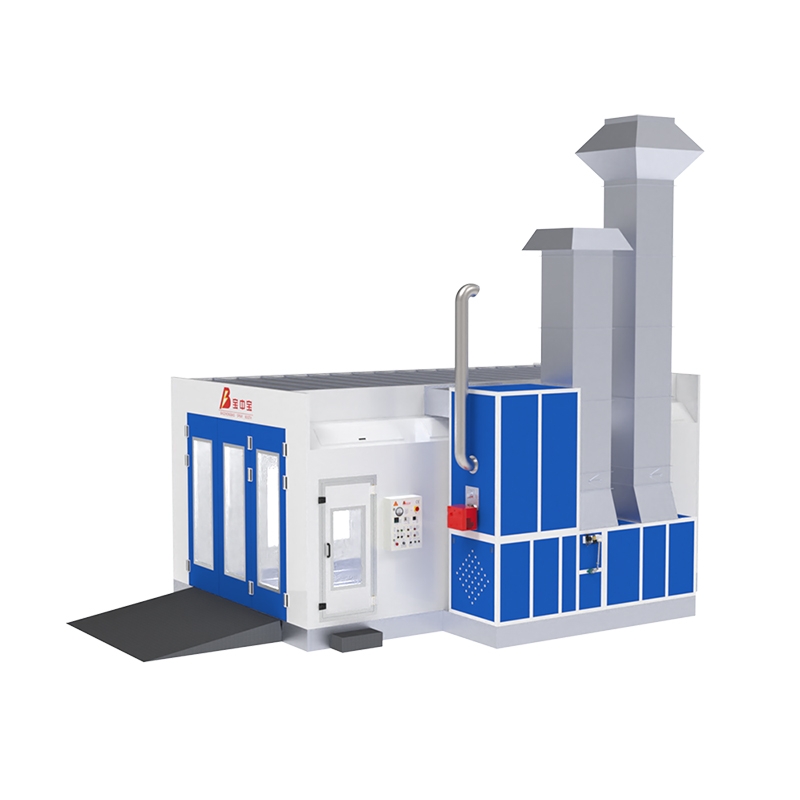
Jingzhongjing Group can be included in equipment and process discussions when a plant is reviewing its Automotive Painting System layout, line controls, or upgrade requirements. Confirm the required configuration, performance criteria, and service scope against your project specification rather than assuming one standard setup fits every factory.
To apply How to Improve Corrosion Protection in an Automotive Painting System, start with a documented defect map, bring pretreatment and e-coat parameters back within approved windows, inspect seams and cavities, and validate changes with representative parts and the customer’s specified tests. Then review the data routinely and assign an owner to every out-of-control condition.
These steps help manufacturers reduce avoidable corrosion, limit rework, and make coating performance more consistent. Work with Jingzhongjing Group and your coating suppliers to review the line against actual part geometry and OEM requirements, then take the first action today: audit one high-risk area and record its process conditions.