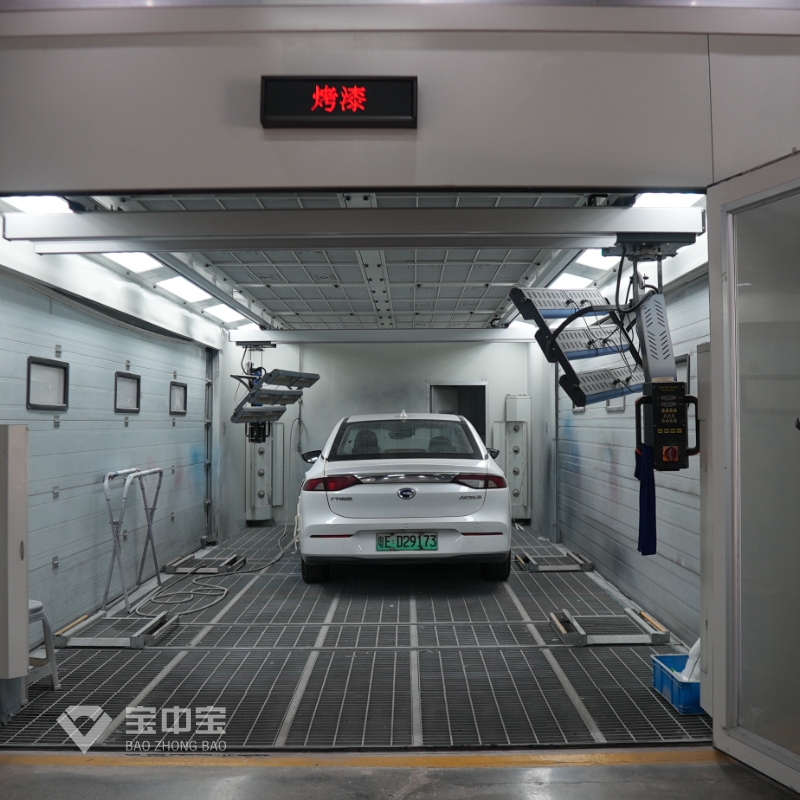

If overspray hangs in the booth, finishes turn dusty or uneven, or odors linger after spraying, the cause may be restricted or unbalanced ventilation. To improve airflow in a Standard Spray Booth, inspect the filters, supply-air path, exhaust fan, and ducts, then compare measured airflow with the booth manufacturer’s specifications and applicable code. This guide covers standard spray booth airflow troubleshooting, spray booth airflow requirements, crossdraft and downdraft behavior, face velocity, static pressure, and practical checks for a safer, more consistent work area.
About case examples: A shop-specific personal story should be supported by a verifiable source or documented measurements. No independently verifiable shop case was provided for this article, so it does not invent a technician’s experience or promise a particular performance gain. Use the measurement log in this guide to build a reliable before-and-after record for your own booth.

A spray booth needs a planned path for air to enter, move through the work area, and leave through the exhaust system. A clogged intake or exhaust filter can add resistance. A closed damper, obstructed grille, damaged duct, slipping belt, or incorrect fan rotation can also reduce flow. In some booths, the exhaust system works but the supply air cannot keep up, creating pressure imbalance and inconsistent movement across the work zone.
Airflow problems can affect both finish quality and worker protection. Air that moves poorly may fail to carry overspray toward the intended collection point. Air that moves unevenly can disturb the spray pattern or carry contaminants across the part. Do not treat an apparently clear booth or a strong draft at one spot as proof that ventilation is adequate: use the measurement method and acceptance limits specified for the booth and the applicable regulations.
Why airflow problems occur in a standard spray booth
There is no single airflow or pressure value that is correct for every standard spray booth. The required value depends on the booth design, opening dimensions, spray process, coating, filter arrangement, and local rules. Consult the booth nameplate, installation and operation manual, commissioning report, and qualified ventilation professional before changing fan speed, dampers, or system components.
In the United States, OSHA’s spray-finishing requirements are in . The rule addresses ventilation, spray booths, and fire and explosion hazards. Check the current regulation and your local fire, building, and environmental requirements; do not substitute a general online airflow target for the requirements that apply to your equipment and process. NFPA 33 may also apply, depending on the jurisdiction and installation.
Spray areas can contain flammable vapors and combustible deposits. Do not install an ordinary fan, alter electrical equipment, bypass an interlock, or remove a filter to increase airflow. Stop spraying before inspection, follow the site’s lockout/tagout procedure when servicing equipment, and use qualified personnel for electrical, fan, duct, or code-related work.
Standard spray booth airflow requirements and safety limits
Preparation for standard spray booth airflow troubleshooting
- Booth documents: Operating manual, filter specifications, fan data, maintenance records, and the original commissioning or balance report, if available.
- Airflow instrument: A calibrated anemometer suitable for the measurement location and airspeed range. Use the booth maker’s specified method and sampling points.
- Pressure instrument: A differential manometer or the installed filter-pressure gauge, with suitable tubing and a measurement range for the system.
- Inspection supplies: Flashlight, inspection mirror, approved replacement filters, and a log sheet. Use only filters compatible with the booth and coating process.
- Safety controls: Required personal protective equipment, site-approved isolation and lockout/tagout procedures, and a qualified technician where the task involves hazardous-area equipment or electrical components.
Record the booth model, filter type, operating state, instrument identification, and the location of each reading. Measure under repeatable conditions. A reading taken with doors open, filters removed, or the fan in a different operating mode cannot be fairly compared with a normal production reading.
Tools and documents for a standard spray booth inspection
Step-by-step: improve airflow in a standard spray booth
- Tools: Booth manual, inspection checklist, and the required safety equipment.
- Action: Stop spraying and follow the site procedure for making the booth safe. Identify the booth’s normal operating mode and confirm which doors, dampers, and access panels must be in their normal positions for measurement. Do not open electrical enclosures or reach into moving equipment.
- Parameters: Use the manufacturer’s specified operating condition, measurement locations, and acceptance limits. If these are missing, ask the booth supplier or a qualified ventilation contractor to establish them; do not choose a target by guesswork.
- Check: Note alarms, unusual noise, visible filter damage, and any difference from the booth’s normal operating state. Record existing gauge readings before making adjustments.
- If it fails: If the booth has an alarm, damaged component, burning smell, unusual vibration, or suspected electrical fault, keep it out of service and have qualified personnel investigate before spraying resumes.
Step 1: Establish a safe baseline for standard spray booth airflow
- Tools: Flashlight, filter specifications, pressure gauge or manometer, and approved replacement filters.
- Action: With the system made safe, inspect intake and exhaust filters for loading, tears, gaps, incorrect orientation, poor seating, or bypass around the frame. Check that the filter type and dimensions match the booth documentation. Replace filters according to the manufacturer’s instructions.
- Parameters: Compare the filter differential pressure with the maker’s clean-filter and change limits, if supplied. Filter pressure drop is not interchangeable across filter types, so do not apply a generic replacement threshold.
- Check: Confirm the filter is seated, the retaining hardware is secure, and the pressure reading is recorded under the same fan and damper conditions as the baseline.
- If it fails: Replace a damaged, incorrectly installed, or service-limit filter with the approved type. Do not run without required filters or shake, blow out, or reuse disposable filters unless the manufacturer explicitly permits that procedure.
Step 2: Inspect standard spray booth intake and exhaust filters
- Tools: Flashlight, booth layout or manual, and anemometer if the manufacturer specifies supply-air measurements.
- Action: Inspect the outdoor-air intake, supply filters, louvers, dampers, plenums, and grilles for blockage or unintended closure. Look for stored materials, plastic sheeting, or temporary barriers that obstruct the air path.
- Parameters: Put dampers and doors in the documented operating positions. Do not change damper settings until you know their intended position and have a way to verify the system balance.
- Check: Look for even, unobstructed supply across the locations identified in the booth manual. Compare readings at the same points and operating state used in the baseline.
- If it fails: Remove only nonmechanical obstructions that can be safely cleared. Have a qualified technician inspect stuck dampers, blocked plenums, failed actuators, or supply-fan problems.
Step 3: Check the supply-air path in a standard spray booth
- Tools: Fan and duct documentation, flashlight, maintenance log, and a qualified service technician for mechanical or electrical inspection.
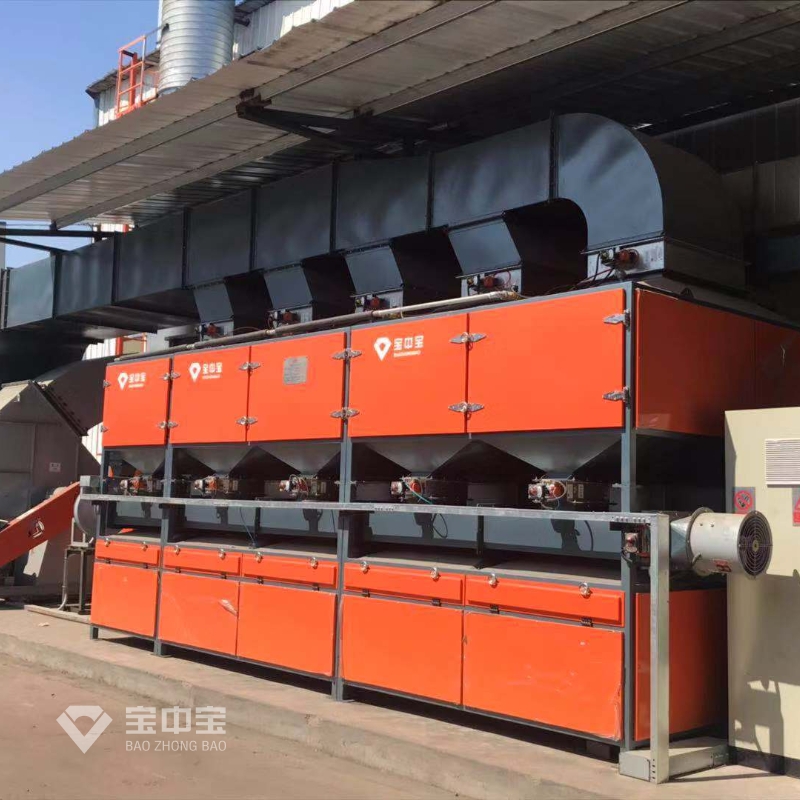
- Action: Check accessible duct sections and exhaust openings for visible buildup, collapsed flexible connections, loose access panels, or obstructions. Have a qualified technician inspect fan rotation, belt condition and tension, bearings, impeller condition, and motor operation.
- Parameters: Compare fan speed, motor data, and system settings with the manufacturer’s specifications. Do not increase speed, change a pulley, or alter a motor drive without confirming the fan’s rated limits and the booth’s approved design.
- Check: Record abnormal vibration, noise, belt dust, or a fan-speed difference from the approved setting. Confirm that access doors and duct connections are secure after service.
- If it fails: Keep the booth out of spray service if a fan fault, duct damage, or unsafe electrical condition is suspected. Arrange repair and a ventilation check rather than compensating by removing filters or opening unapproved paths.
Step 4: Inspect the exhaust fan and ductwork for standard spray booth airflow
- Tools: Calibrated anemometer, measurement grid from the booth supplier or ventilation report, and a log sheet.
- Action: Measure at the specified face, opening, or work-zone points with the booth in its normal documented configuration. Take readings consistently; avoid placing the instrument against a grille or in a highly turbulent spot unless the method calls for it.
- Parameters: Use the manufacturer’s sampling pattern and acceptance criteria. If calculating volumetric flow, the basic relationship is Q = average velocity × open area, with consistent units and a measurement method appropriate to the opening. This calculation does not replace a required code or commissioning test.
- Check: Compare both the average and the distribution of readings with the approved baseline or design criteria. A single reading cannot establish that airflow is uniform or that the booth meets its requirements.
- If it fails: Repeat the measurement after confirming instrument setup and operating conditions. If readings remain outside the documented criteria, investigate filters, supply balance, dampers, fan performance, and duct resistance; have a ventilation professional rebalance the system if needed.
Step 5: Measure standard spray booth airflow across the work area
- Tools: Differential manometer or installed pressure indicator, tubing, and the booth’s pressure reference points.
- Action: Measure pressure at the designated points while the booth runs in its normal mode. Check the filter differential pressure separately from room-to-booth pressure; they describe different conditions.
- Parameters: Compare readings with the manufacturer’s specified range and the commissioning report. There is no universal pressure target that applies to every booth.
- Check: Record readings with doors and dampers in their specified positions. Note whether pressure changes when a building door or another ventilation system operates, because building air balance can affect booth performance.
- If it fails: Check for a blocked filter, unintended open door, closed damper, or supply/exhaust imbalance. Do not adjust the fan or damper based on pressure alone; use the booth’s balancing procedure and qualified service support.
Step 6: Check booth pressure and air balance in a standard spray booth
- Tools: The same calibrated instruments, original log sheet, and current booth acceptance criteria.
- Action: After maintenance, repeat the original measurements using the same operating mode, instrument, and sampling locations. Record parts replaced and adjustments made.
- Parameters: Compare results with the booth maker’s requirements, commissioning data, and applicable rules. Do not declare the booth compliant solely because the reading improved.
- Check: Confirm that airflow distribution, pressure readings, alarms, and fan operation meet the documented criteria. Retain the measurement record with maintenance files.
- If it fails: Do not continue to make undocumented adjustments. Restore approved settings where possible and ask the booth supplier or a qualified ventilation professional to diagnose and rebalance the system.
Step 7: Verify the repair and document standard spray booth airflow
Common standard spray booth airflow mistakes and fixes
- Removing a filter to make the fan feel stronger: This can defeat the booth’s filtration and create unsafe conditions. Install the correct replacement filter and investigate the cause of excessive resistance.
- Changing fan speed without checking its rating: An adjustment can exceed equipment limits or disrupt system balance. Confirm approved settings with the manufacturer or a qualified ventilation technician.
- Using one reading as proof of adequate ventilation: Air can vary across the opening or work area. Use the required grid and compare the distribution as well as the average.
- Confusing filter pressure drop with room pressure: These measurements have different reference points. Label each instrument connection and record each value separately.
- Ignoring supply air: A capable exhaust fan cannot compensate reliably for a blocked or poorly balanced supply path. Inspect both sides of the airflow system.
- Using an uncalibrated instrument or changing test conditions: The comparison may be misleading. Use a suitable calibrated instrument and repeat measurements under the same operating conditions.
- Cleaning or modifying equipment while it is operating: Spray-booth hazards include moving machinery, electrical energy, and flammable materials. Follow site isolation procedures and use qualified personnel.
Verified case practice for standard spray booth airflow
Because a verified shop case was not available for this guide, the responsible approach is to document your own evidence rather than borrow an unverified success story. For each inspection, record the date, booth operating mode, filter model and condition, pressure readings, airflow sampling locations, instrument details, maintenance performed, and repeat-test results. A before-and-after log can show whether a filter change or repair corrected the measured problem; it cannot by itself establish regulatory compliance unless the test method and acceptance criteria are appropriate.
Jingzhongjing Group can be mentioned as a supplier or service contact only where its specific role, equipment, and claims have been independently confirmed. Brand mention is not a substitute for a booth manual, qualified assessment, or documented airflow test.
Summary: maintain airflow in a standard spray booth
To improve airflow in a standard spray booth, start with a safe baseline, check compatible filters and clear air paths, inspect the fan and ducts, and measure airflow and pressure using the booth’s approved method. Correct faults without bypassing filters or changing equipment beyond its rated design. Verify the repair against documented criteria and keep the results. Consistent standard spray booth airflow troubleshooting—supported by crossdraft or downdraft layout knowledge, face-velocity measurements, and static-pressure checks—helps identify the actual cause instead of masking it.