News
Nov. 12, 2026
Controlling VOC emissions in an Automotive Painting System takes more than installing an exhaust treatment unit. A reliable plan starts by locating emission sources, checking applicable permit requirements, reducing solvent use where practical, capturing fumes at the source, and verifying that control equipment works under real production conditions. Buyers and plant teams also need to understand operating costs, process compatibility, maintenance needs, and the evidence required to demonstrate performance.
Searchers commonly want practical answers to questions about VOC sources, control technologies, compliance, implementation steps, and equipment selection. The guide below brings those needs together. Exact requirements depend on the facility, location, coating materials, production rate, and permit conditions, so confirm decisions with qualified environmental and process professionals.

Begin with a process map from coating preparation through final curing. Include primer, basecoat, clearcoat, touch-up, gun cleaning, mixing, flash-off, drying, and waste handling. VOCs may be released from spray booths, ovens, mixing rooms, coating containers, cleaning stations, and uncaptured work areas. Record when each source operates, which materials it uses, and whether emissions are continuous, intermittent, or associated with a specific production step.
Gather coating and solvent purchase records, safety data sheets, coating usage, production volumes, transfer efficiency information, booth and oven operating schedules, existing air permits, and previous emissions calculations. Reconcile purchased material with material used and waste generated. Where required, use approved testing or monitoring methods and qualified personnel to establish emissions and capture performance. A baseline helps compare options and prevents a supplier proposal from relying on assumptions that do not match actual operations.
Review whether lower-VOC or higher-solids coatings, waterborne coatings, improved application efficiency, or alternative cleaning practices are technically suitable. Test candidate materials against finish quality, color match, adhesion, cure time, corrosion performance, line speed, and customer specifications. A material change can reduce the VOC load sent to downstream equipment, but it may require adjustments to application settings, flash-off conditions, oven profiles, or operator procedures.
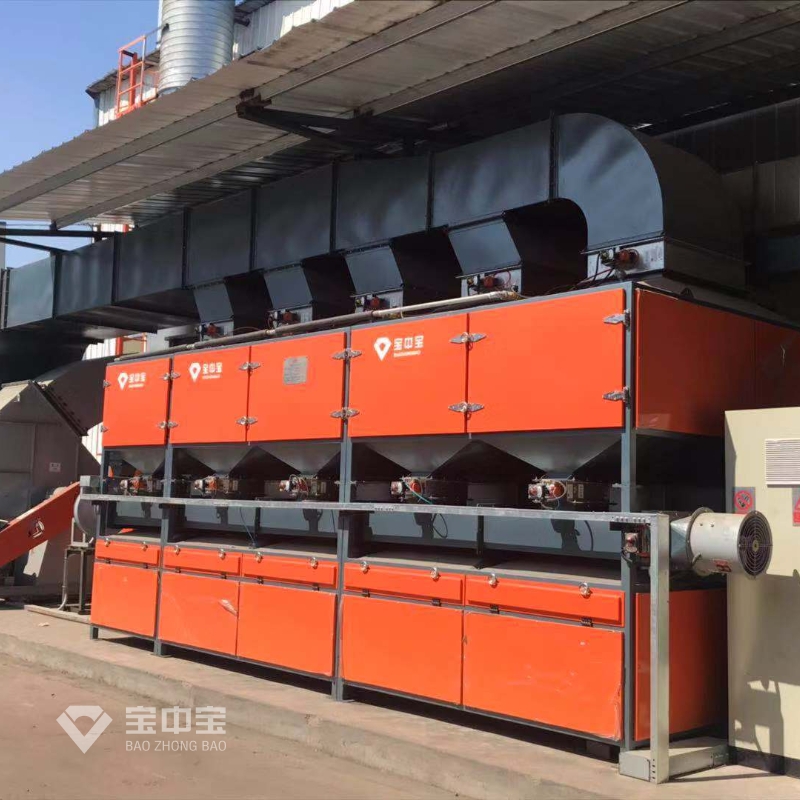
Common options include enclosure and ventilation improvements, adsorption systems, oxidation systems, and combinations of capture and treatment. Suitability depends on exhaust flow, VOC concentration, coating chemistry, temperature, production variation, fire and explosion risks, available utilities, space, and local permit conditions. Ask suppliers to explain the design basis, expected operating range, performance guarantees, testing method, consumables, maintenance access, and what happens during startup, shutdown, or equipment failure.
Use approved coating mixes and documented mixing ratios. Keep spray equipment maintained, verify fluid delivery and atomization settings, and train operators to apply material consistently without excessive overspray. Use the application method approved for the coating and part geometry. Track coating use against production so that unusual increases can prompt an investigation into transfer efficiency, rework, leaks, or changes in product mix.
Keep coating, thinner, and cleaning containers closed when not in active use. Dispense only the quantity needed, label secondary containers, and collect used solvent in sealed, compatible containers. Use a documented gun-cleaning procedure and review whether an enclosed cleaning device or solvent recovery is suitable. Separate incompatible wastes and follow applicable storage, fire safety, and waste rules. Do not treat waste handling as a substitute for controlling process emissions.
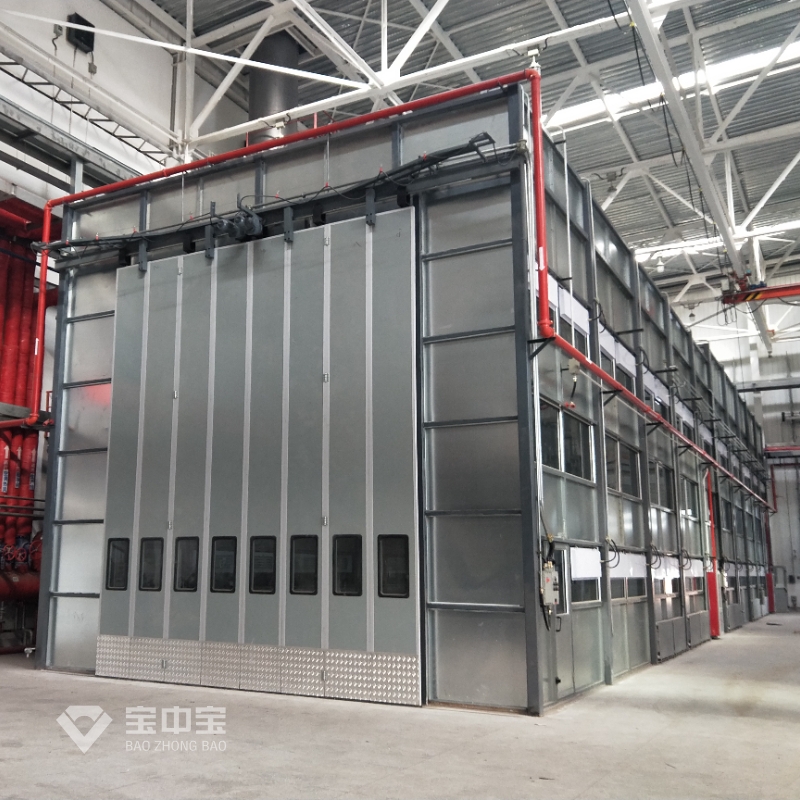
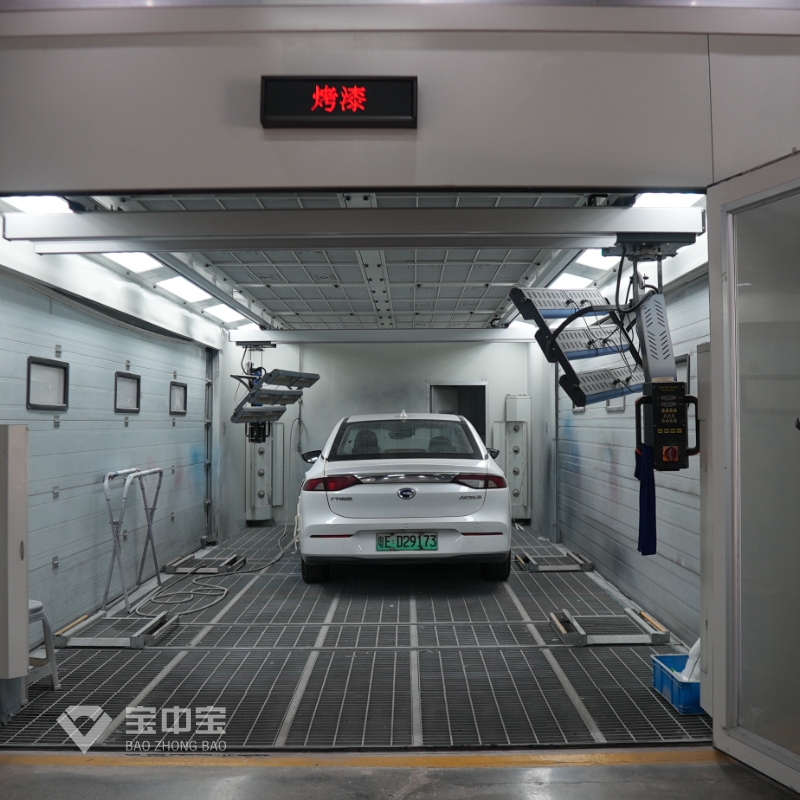
Inspect doors, seals, openings, and work practices that could allow fumes to escape the intended capture area. Verify that parts, racks, and operator positions do not block airflow. Confirm booth pressure and airflow distribution using the facility's approved procedures, and compare results with equipment specifications and permit requirements. Capture performance can change with filter loading, damaged seals, open access points, or altered production layouts.
Review exhaust flow, duct routing, balancing, fan capacity, filter arrangement, and access for inspection. Avoid assuming that a larger fan alone will solve poor capture; excessive or poorly distributed airflow can increase energy use or disrupt application conditions. Check that exhaust from different processes is combined only when the design, safety review, and control equipment are appropriate for the combined stream. Document design conditions so future modifications can be evaluated against them.
Before requesting quotations, prepare a design package that includes:
Ask each bidder to state assumptions clearly. Compare capital cost with energy, replacement media, catalyst or other consumables, inspections, maintenance labor, downtime, and expected equipment life. Confirm who is responsible for ductwork, controls, commissioning, operator training, emissions testing, and permit documentation.
Have qualified engineers and safety professionals review the proposed system for process compatibility, safe operating limits, alarms, interlocks, bypass arrangements, and emergency response. Confirm how performance will be demonstrated at representative operating conditions and what records the supplier will provide. Do not compare equipment using a removal percentage alone: the result depends on capture, inlet conditions, operating state, measurement method, and the applicable compliance basis.
Identify the applicable permits, emission limits, testing obligations, reporting deadlines, and production constraints with the responsible environmental lead or qualified consultant. Set project objectives for emissions, finish quality, throughput, worker safety, availability, and operating cost. Record the assumptions and assign an owner for each requirement.
Walk the process with production, maintenance, environmental, and safety staff. Map sources, collect material and operating records, inspect existing ventilation and controls, and identify data gaps. Arrange measurements or testing when needed. Use the findings to rank sources by emissions, compliance risk, and practical improvement potential.
Evaluate material substitution, improved application practices, reduced overspray, better container control, and cleaning changes. Conduct controlled trials with quality approval before changing production recipes or procedures. Record both emissions-related results and production impacts, including rework, cure behavior, and customer acceptance.
Prepare a consistent design basis for vendors and compare options using the same process conditions. Review capture design, treatment capacity, utilities, safety features, maintenance access, performance evidence, installation scope, and lifecycle cost. Document why the selected option fits both current production and realistic future changes.
Plan installation around production and permit obligations. Before startup, verify equipment installation, instruments, alarms, interlocks, airflow, and control-system signals. Commission the system across representative operating modes and document deficiencies and corrective actions. Coordinate required testing and approvals before relying on the new system for compliance.
Train operators and maintenance staff on normal operation, alarm response, inspection routines, recordkeeping, and escalation procedures. Compare actual operating data with the design basis and acceptance criteria. Review performance after changes in coating, production rate, equipment, or ventilation, because these changes can alter emissions and control effectiveness.
Set a written monitoring schedule based on permit conditions, supplier instructions, and the facility's risk assessment. Depending on the system, useful indicators may include exhaust flow, pressure drop, temperature, fan status, filter condition, alarm history, coating use, and maintenance events. Keep calibration, inspection, testing, and repair records in a format that can be reviewed during audits and compliance reporting.
Investigate unexpected changes in emissions calculations, airflow, pressure, temperature, material use, finish quality, or control equipment alarms. A successful test at one operating condition does not automatically demonstrate performance under every production condition. Repeat verification when required and reassess the system after material substitutions, line modifications, significant downtime, or changes in throughput.
Before approving an Automotive Painting System VOC control project, confirm that the proposal includes a documented design basis, defined process limits, capture and treatment scope, utility requirements, safety review, commissioning plan, performance verification approach, maintenance schedule, operator training, spare parts strategy, lifecycle cost estimate, and a clear division of supplier and facility responsibilities. Confirm that proposed claims are tied to stated test conditions and that the project team has a plan for permit review and required approvals.
The strongest VOC program combines source reduction, effective capture, appropriately selected treatment, trained staff, and consistent verification. Review results with environmental, engineering, production, purchasing, and maintenance teams so that changes in materials or output do not undermine control performance. Jingzhongjing Group provides information about coating solutions at . Use qualified technical and environmental advisers to confirm that any proposed solution fits your facility and applicable requirements.
With a measured baseline, a clear implementation sequence, and a realistic maintenance plan, an Automotive Painting System can control VOC emissions while protecting finish quality and production reliability.