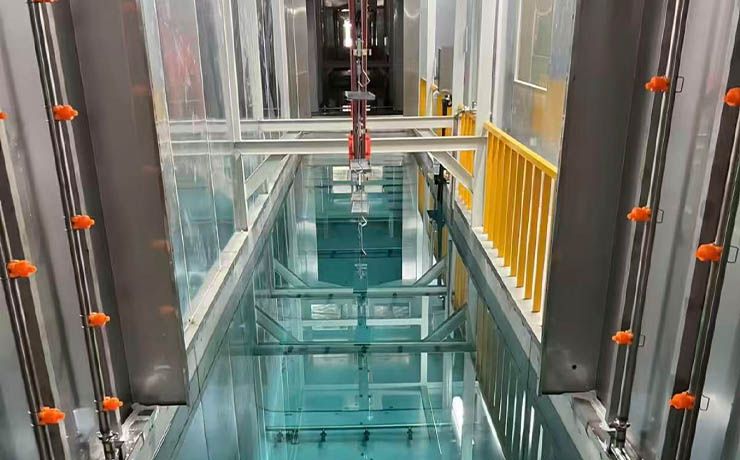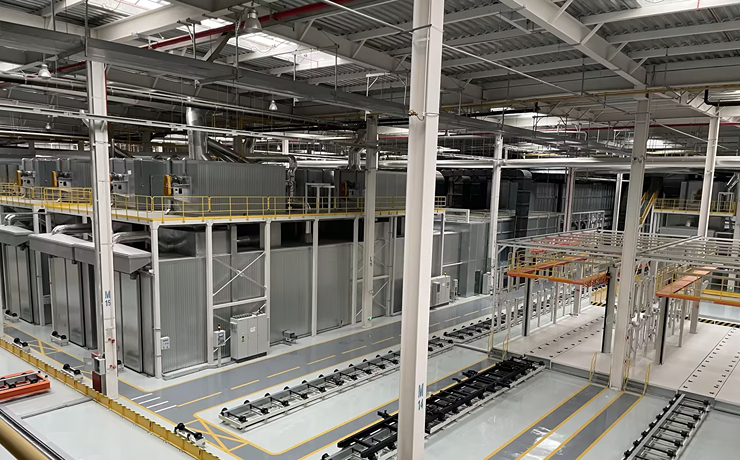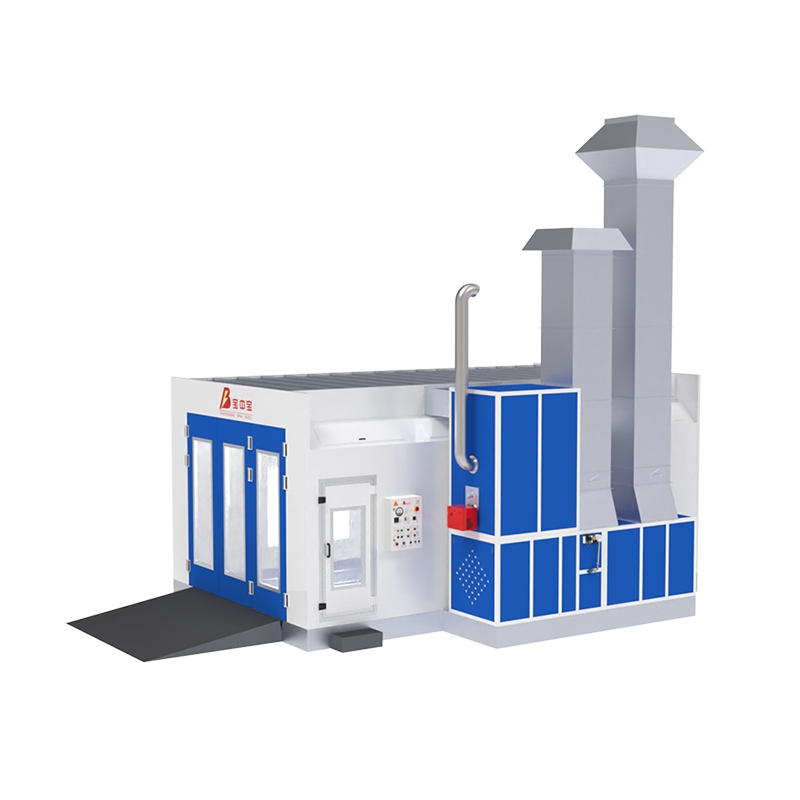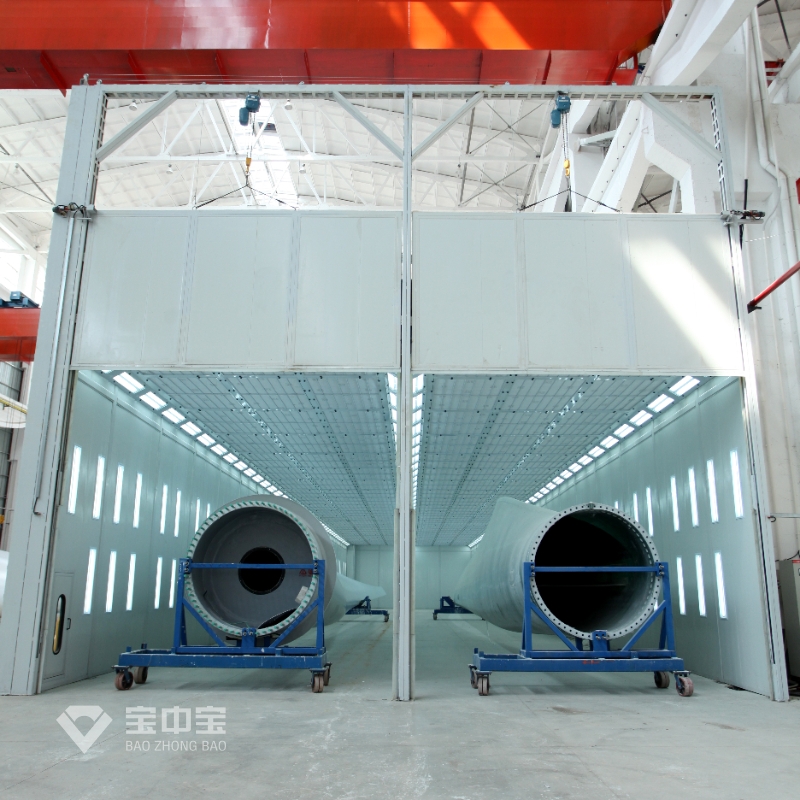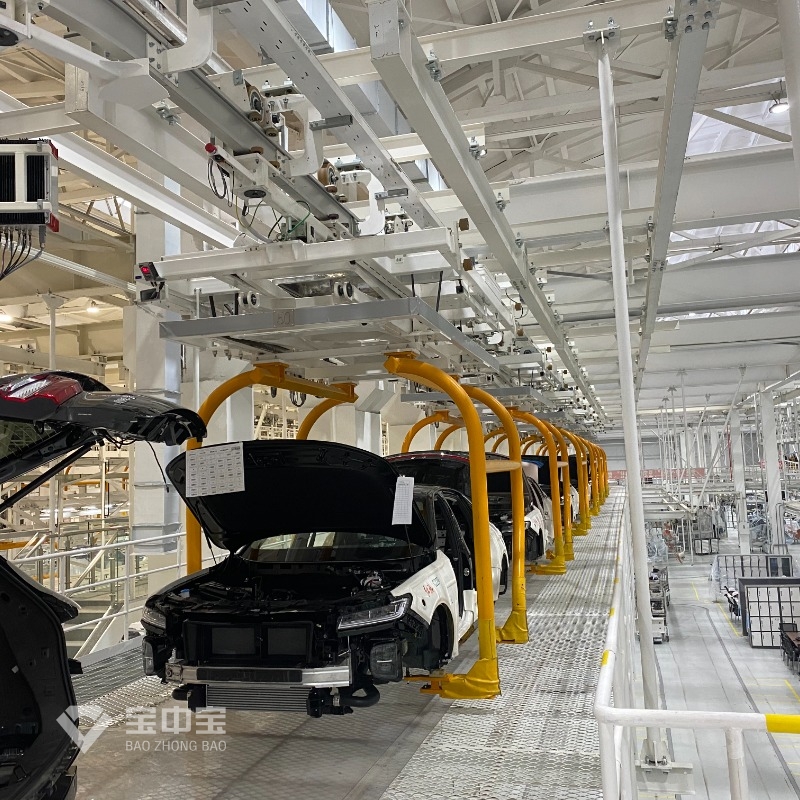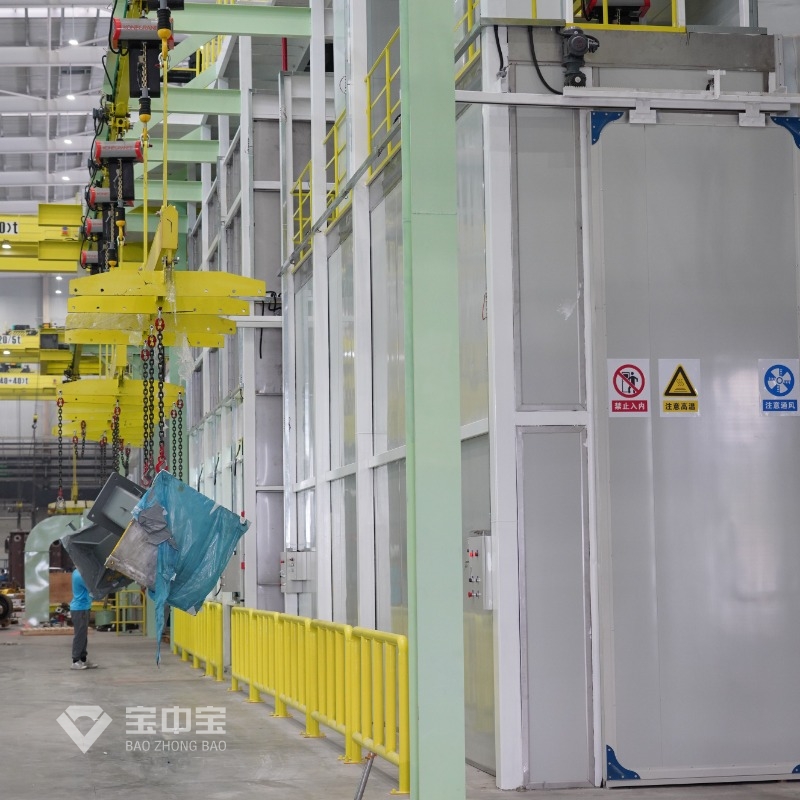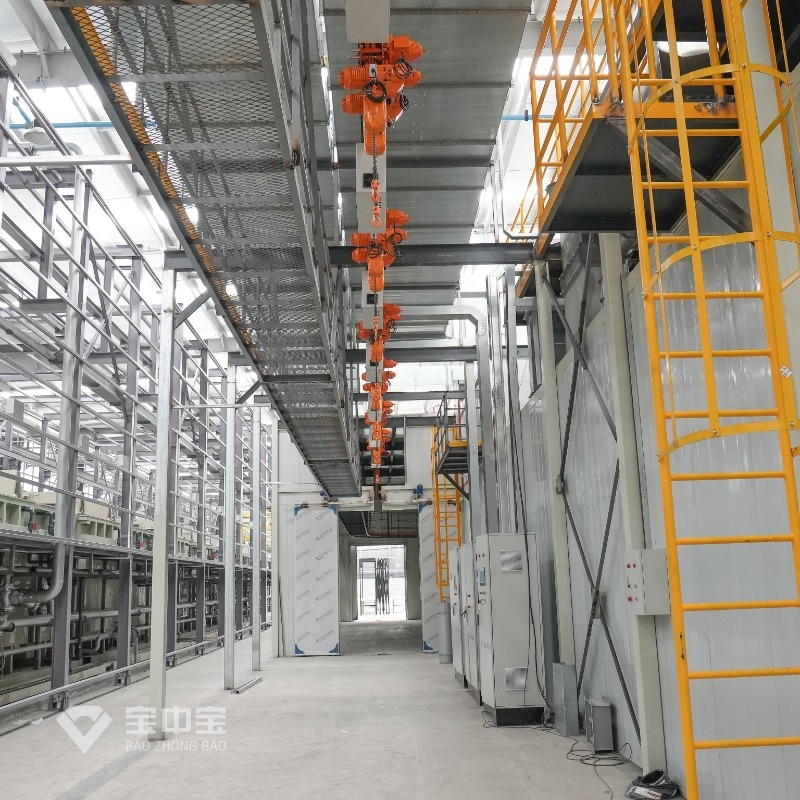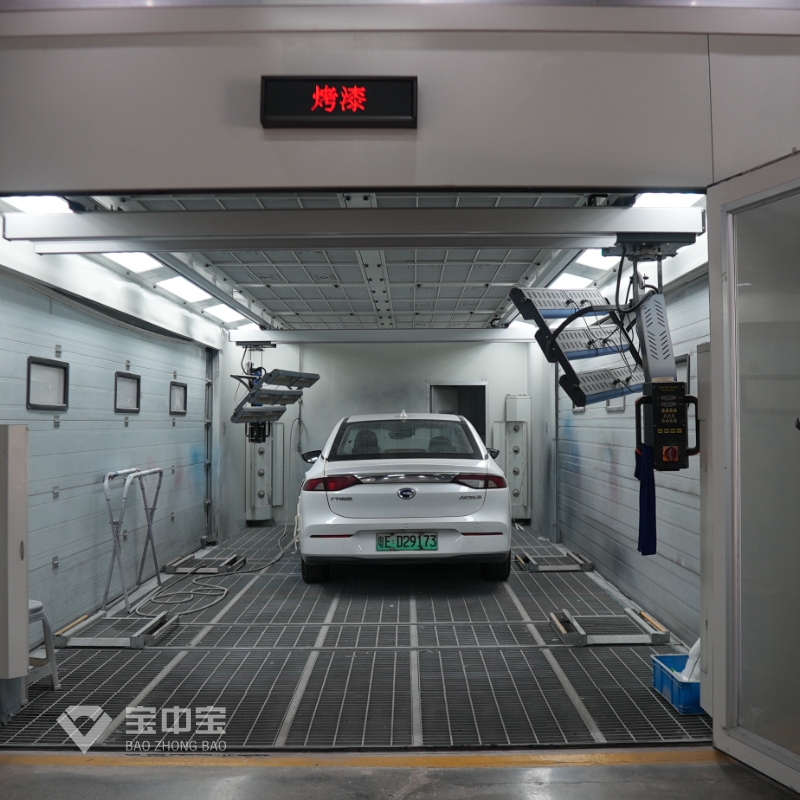

To compare Automotive Painting System quotes, line up the equipment, building work, installation, compliance support, and warranty included in each offer—then compare the total cost of ownership, not just the purchase price. If you are trying to compare automotive paint booth quotes or estimate automotive paint system installation cost, ask each supplier to price the same production requirements. Check the paint booth, spray booth airflow, curing oven, VOC controls, utilities, and commissioning criteria before signing.
A low headline price can leave you responsible for ductwork, electrical upgrades, permits, or commissioning that another supplier included. This guide gives you a practical review process and a way to document your decision. Safety and permitting requirements depend on the equipment, materials, site, and jurisdiction, so have qualified professionals confirm the applicable codes.
What an automotive painting system quote should cover
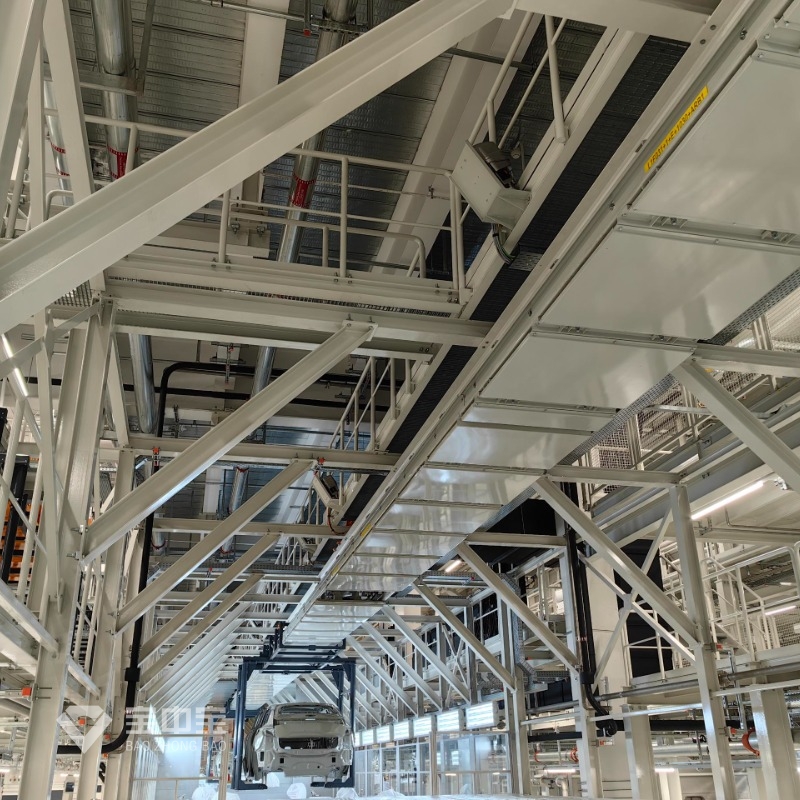
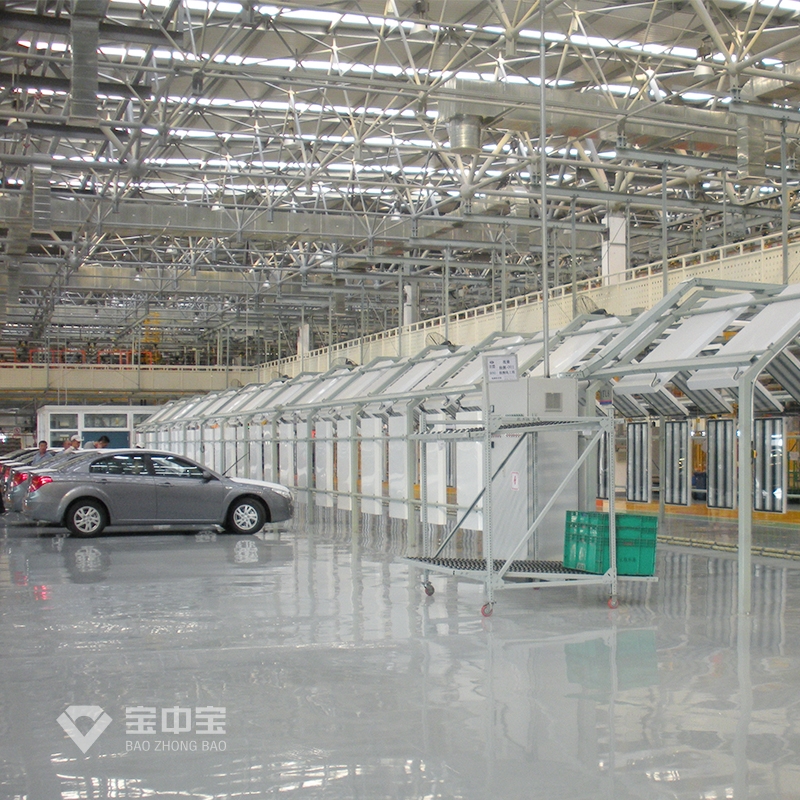
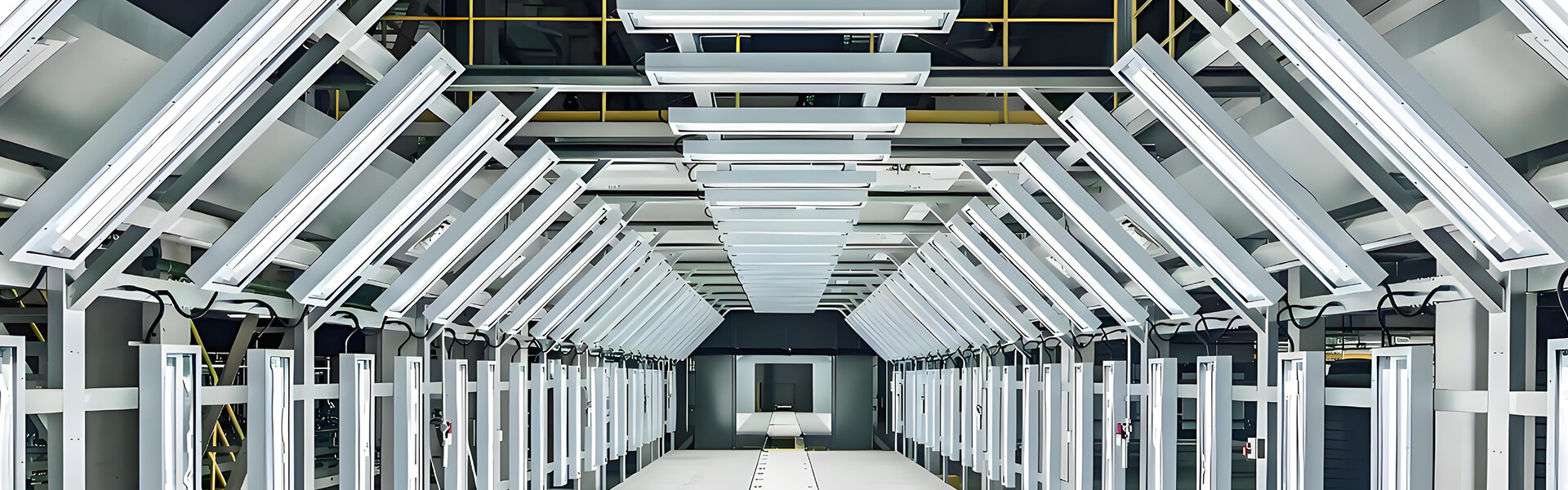
An automotive painting system may include surface preparation, spray application, flash-off, curing, material handling, ventilation, controls, and emissions-related equipment. The quote should identify what is included, what is excluded, and who is responsible for each interface. A proposal that says only “paint booth package” is not detailed enough to compare reliably.
- Process and capacity: vehicle or part types, dimensions, expected production pattern, coating process, and the supplier’s stated design assumptions.
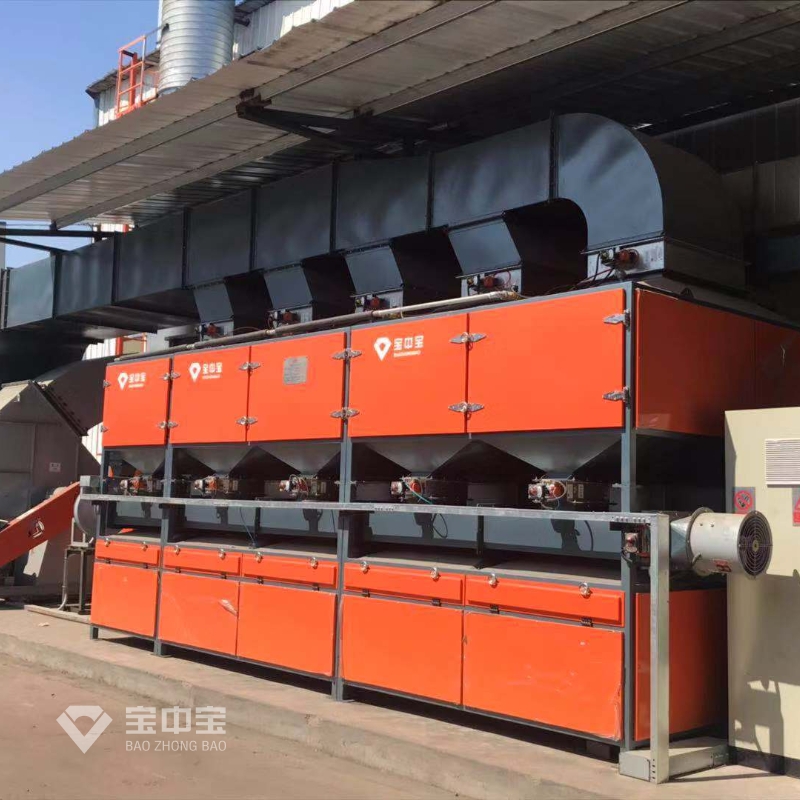
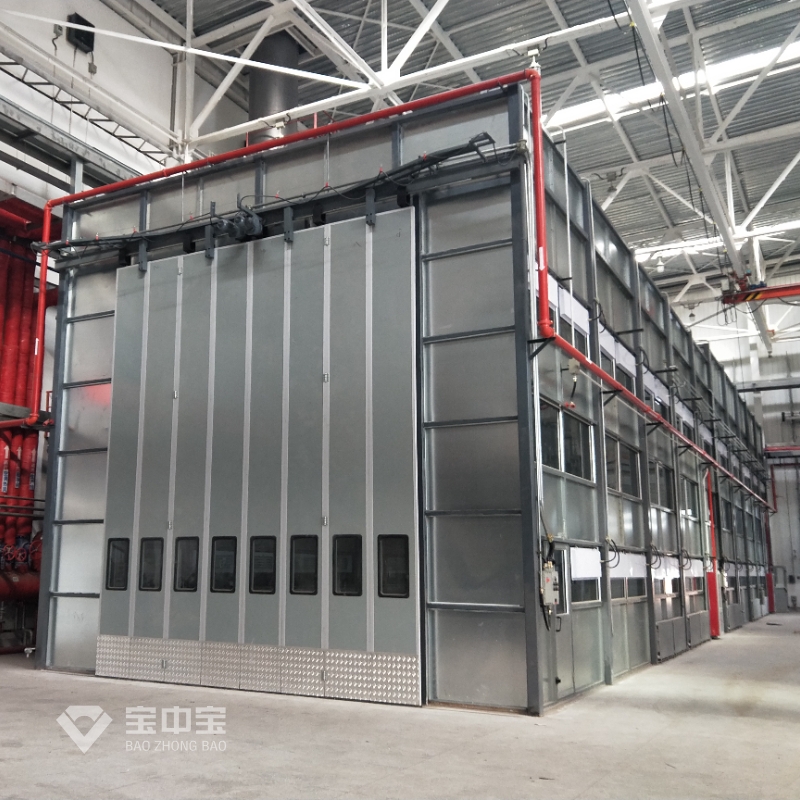
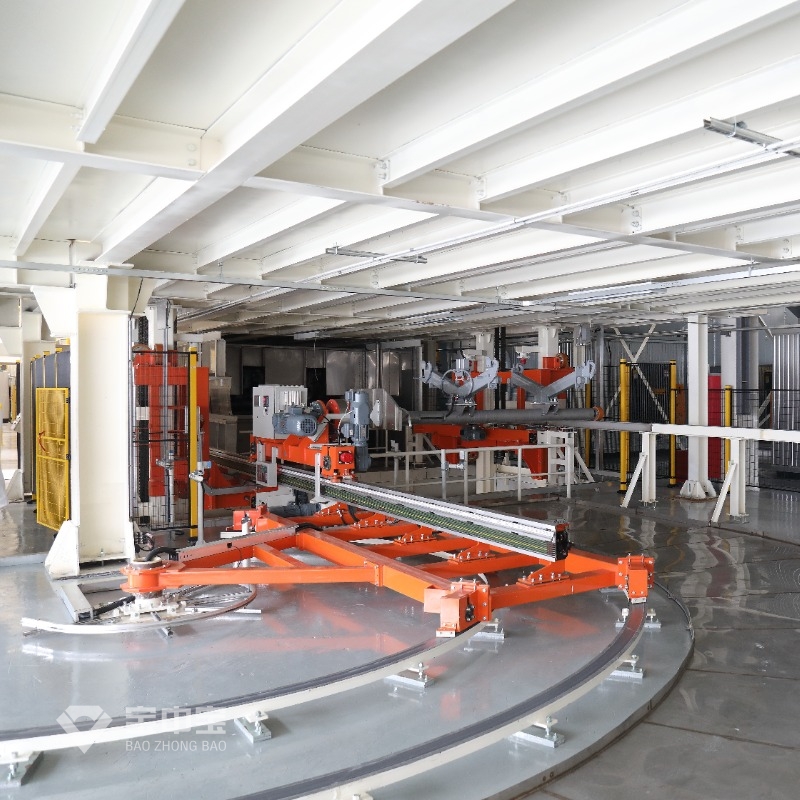
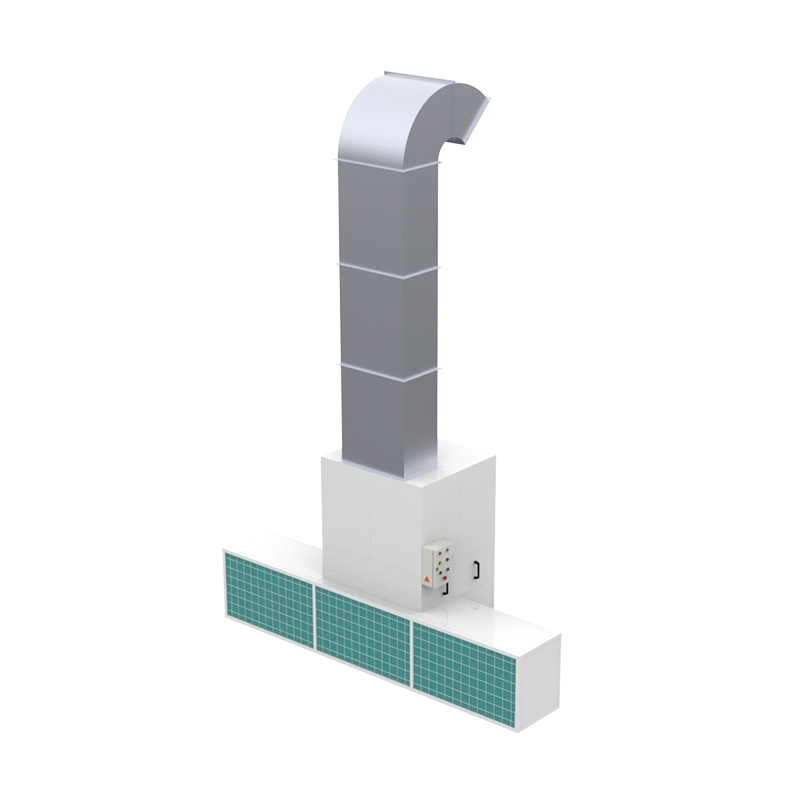
- Equipment: booth or enclosure, air-handling equipment, filters, heating or curing equipment, controls, conveyors or other material handling, and any specified emissions-control equipment.
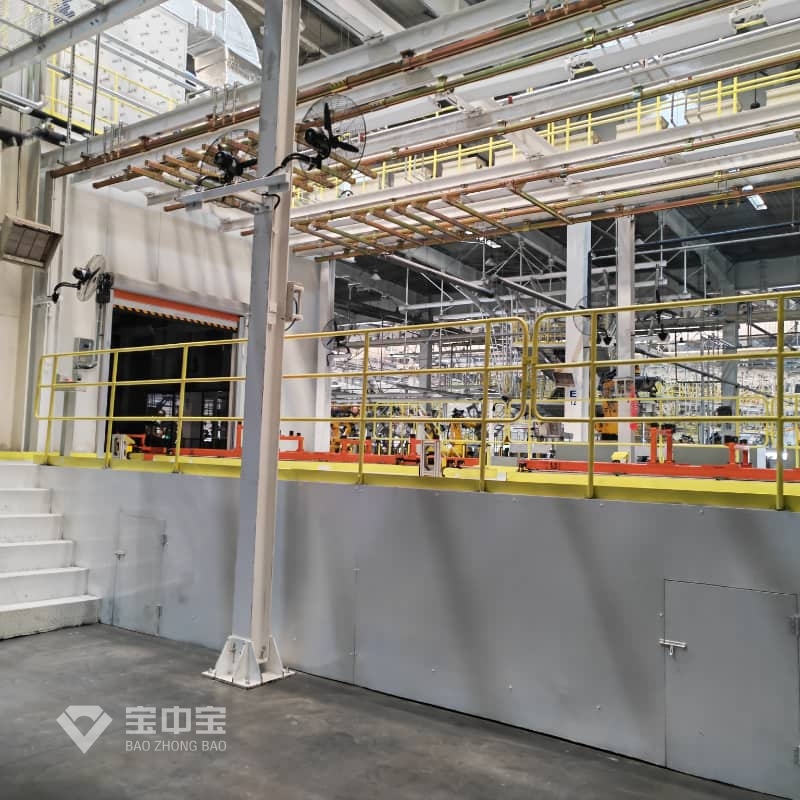
- Building and site work: foundations, openings, roof penetrations, structural support, duct routing, fire protection interfaces, and restoration work.
- Utilities: electrical supply, fuel or other heat source, compressed air, exhaust discharge, and any required connections or upgrades. Confirm who designs and installs each connection.
- Services: engineering, drawings, permitting assistance, freight, offloading, installation, training, commissioning, and documentation.
- Commercial terms: price basis, exclusions, payment milestones, delivery assumptions, warranty, spare parts, and change-order process.
Ask suppliers to distinguish equipment supply from site construction and owner-provided work. This is especially important when comparing a turnkey proposal with an equipment-only quote.
Prepare before requesting automotive painting system quotes
Good comparisons start with a consistent request for quotation (RFQ). Give every supplier the same process information and ask them to list assumptions where information is missing. Do not guess at ventilation, heating, or hazardous-area requirements; have the supplier’s qualified design team and your local professionals review them.
Automotive paint system quote preparation checklist
- Process brief: describe the products, coating steps, operating pattern, and any known production constraints.
- Site information: provide available building drawings, clear heights, access limitations, site location, and known utility capacities. Flag information that has not been verified.
- Coating information: share product technical data and safety data sheets with the design team. Include expected materials and any known solvent or waterborne coating requirements.
- Compliance contacts: identify the authority having jurisdiction, environmental permitting contact, fire-protection reviewer, and site safety representative, where applicable.
- Comparison worksheet: use a spreadsheet with columns for each supplier and rows for scope, exclusions, design assumptions, price, schedule, warranty, and acceptance tests.
- Review team: include operations, maintenance, facilities, environmental health and safety, procurement, and a qualified engineering reviewer as appropriate.
Keep a record of the RFQ revision and all clarifications. If one supplier prices a different production duty or building scope, ask for a revised offer rather than trying to correct the difference mentally.
Step-by-step: how to compare automotive painting system quotes
Step 1: Normalize the production and design basis
Tools: RFQ, process-flow diagram, product drawings, coating technical data, and a written list of operating assumptions.
Action: Check that every proposal refers to the same products, process stages, operating pattern, and required output. Ask suppliers to state their assumptions about the workpiece, coating materials, and operating conditions.
Parameters: Record the specific design inputs and units stated in each proposal, such as workpiece dimensions, operating schedule, and stated design capacity. Do not substitute a supplier’s assumption for a confirmed site requirement.
Check: Compare the design-basis pages side by side. Mark every blank, conflicting value, or undefined term for clarification.
If it fails: Return a single written clarification request to all bidders or ask the outlier to re-quote on the common basis. Do not compare prices until the scope basis is understood.
Step 2: Compare equipment and process scope
Tools: equipment schedules, general-arrangement drawings, process descriptions, and the comparison worksheet.
Action: List each system component and mark it as included, excluded, optional, or owner-supplied. Check the spray booth, air handling, filters, curing equipment, controls, material handling, and any exhaust or emissions-control equipment specified for the project.
Parameters: Record model or configuration, stated duty, materials of construction where specified, control functions, and required interfaces. Treat unpriced options separately from the base offer.
Check: Look for scope gaps at transitions between process stages and at interfaces with the building, utilities, fire protection, and environmental systems.
If it fails: Ask the supplier to identify the responsible party and provide a priced option or an explicit owner-scope note. Avoid assuming that an item is included because it appears in a drawing.
Step 3: Compare safety, code, and permitting responsibilities
Tools: applicable regulations and standards, safety data sheets, site hazard information, and written supplier compliance statements.
Action: Ask the supplier to identify the codes and standards used as the design basis and to explain the scope of its compliance support. In the United States, OSHA’s spray-finishing requirements are addressed in 29 CFR 1910.107, and NFPA 33 is a standard concerning spray application using flammable or combustible materials. Applicability and adopted editions vary; neither reference replaces a site-specific review.
Parameters: Record the jurisdiction, adopted code editions if confirmed, permitting roles, required submittals, and any assumptions about coating materials and ventilation.
Check: Confirm who prepares permit documents, who reviews fire-protection interfaces, and who is responsible for final approval. Have the authority having jurisdiction and qualified professionals resolve open questions.
If it fails: Pause the commercial comparison on the affected scope. Request a written compliance matrix and resolve the design responsibility before treating the price as complete. Do not rely on a sales statement as proof of approval.
Step 4: Compare installation and site costs
Tools: site drawings, utility information, installation scope, freight terms, and a list of owner-provided work.
Action: Separate equipment price from freight, unloading, rigging, installation, ductwork, electrical work, building modifications, fire-protection work, and commissioning. Ask suppliers to state whether they have visited the site or based the offer on drawings alone.
Parameters: Note the location and extent of each work package, stated schedule assumptions, and exclusions. For costs not included in the quote, record the source of your estimate rather than presenting an unverified allowance as a firm price.
Check: Review the installation boundary with facilities and the supplier. Confirm that each connection and construction task has an assigned party.
If it fails: Request a site survey or a clearly qualified budgetary estimate. Keep unknown site costs visible in the comparison instead of treating them as zero.
Step 5: Evaluate operating and lifecycle costs
Tools: supplier energy and maintenance data, utility tariffs, operating assumptions, and maintenance records from comparable equipment if available.
Action: Compare expected energy use, filter and consumable requirements, preventive maintenance, spare parts, service availability, and any emissions-control operating requirements that apply to the quoted design.
Parameters: Use the same operating schedule, local energy rates, analysis period, and cost categories for every option. Label supplier figures as estimates and preserve their stated assumptions.
Check: Ask whether energy figures are guaranteed, modeled, or indicative, and what operating conditions they assume. Check that maintenance items are not omitted from one supplier’s estimate.
If it fails: Ask for the calculation method and a revised estimate on a common basis. If dependable data are unavailable, show the cost as unknown or run a sensitivity analysis rather than inventing a saving.
A useful comparison is total ownership cost: purchase price plus installation, expected utilities, maintenance, consumables, and other applicable operating costs over the period you choose. State the period and assumptions; do not present the result as a guaranteed saving.
Step 6: Review schedule, warranty, and support
Tools: project schedule, warranty documents, service terms, training plan, and spare-parts list.
Action: Compare delivery assumptions, drawing approvals, site readiness requirements, installation sequence, commissioning, training, and post-installation support. Read the warranty for coverage, exclusions, start date, and claim process.
Parameters: Record the supplier’s stated durations and dependencies exactly as quoted. Confirm whether warranty coverage depends on specified maintenance, materials, or operating practices.
Check: Ask who attends commissioning, what documentation is handed over, and how service requests and replacement parts are handled.
If it fails: Request written clarification and revise the project schedule to reflect unresolved dependencies. Do not treat an informal delivery estimate as a contractual commitment.
Step 7: Set acceptance criteria before placing the order
Tools: contract, equipment specifications, commissioning plan, and acceptance-test checklist.
Action: Define what will be inspected or demonstrated at delivery and commissioning. Tie each test to a documented requirement, responsible party, measurement method, and record.
Parameters: Use the values and test methods agreed in the final design documents and applicable requirements. Do not invent airflow, temperature, coating-quality, or emissions limits; have the project’s qualified designers and reviewers specify them.
Check: Make sure the acceptance plan covers the complete system and its interfaces, not just individual equipment startup.
If it fails: Resolve missing or ambiguous criteria in the contract documents before purchase. An undefined acceptance test can turn a technical disagreement into a payment or schedule dispute.
Automotive painting system quote comparison worksheet
Use a table like this and attach the proposal page or drawing reference that supports each entry.
| Review item | Supplier A | Supplier B | Supplier C |
|---|---|---|---|
| Design basis and stated assumptions | Record value and reference | Record value and reference | Record value and reference |
| Equipment included and options | List scope and exclusions | List scope and exclusions | List scope and exclusions |
| Installation and site work | Identify owner and supplier work | Identify owner and supplier work | Identify owner and supplier work |
| Permitting and compliance support | State responsibility and limits | State responsibility and limits | State responsibility and limits |
| Utilities and operating data | Record assumptions and evidence | Record assumptions and evidence | Record assumptions and evidence |
| Warranty, service, and training | Attach terms | Attach terms | Attach terms |
| Price, exclusions, and commercial terms | Separate base and optional costs | Separate base and optional costs | Separate base and optional costs |
| Open questions and risk owner | Assign action and owner | Assign action and owner | Assign action and owner |
Do not use a single weighted score unless your team agrees on the criteria and weights in advance. A scoring model can help organize a decision, but it cannot make missing scope or unsupported assumptions disappear.
Illustration: a transparent automotive paint booth quote review
No independently verified purchaser case was available for this guide, so this example is a review method, not a real customer story or a claim about project savings. Imagine a buyer receives one low equipment-only price and another proposal that includes installation and commissioning. The buyer records the first offer’s excluded site work as unresolved, asks both suppliers to confirm the same process basis, and obtains comparable installation and acceptance scopes before deciding. The lesson is practical: an apparent price difference is not meaningful until scope and assumptions are aligned.
For an actual project, document the decision with the RFQ, clarification log, revised quotations, technical review, and approval record. If you have a verified project case, include permission to publish it and retain source documentation for every result claimed.
Common automotive painting system quote mistakes and fixes
- Choosing the lowest purchase price: Compare installation, utilities, maintenance, and exclusions alongside equipment price.
- Assuming a turnkey label means everything is included: Request a written scope boundary and owner-responsibility list.
- Comparing different production assumptions: Standardize the RFQ basis and ask bidders to disclose deviations.
- Accepting unsubstantiated energy or performance claims: Request the calculation method, conditions, and evidence; label estimates clearly.
- Leaving compliance until after purchase: Identify jurisdictional reviews and permitting responsibilities early, then confirm them with qualified professionals.
- Ignoring building interfaces: Check drawings, access, structural needs, duct routes, utilities, and fire-protection coordination.
- Leaving commissioning vague: Agree on documented test methods, acceptance criteria, records, and responsible parties before contract award.
- Treating an option as included: Mark every option and allowance separately, including its price and effect on scope.
How to assess an automotive painting system supplier
Ask for relevant project references that match your process and site conditions, and contact them with the supplier’s permission. Ask what was supplied, what was outside the contract, how commissioning was handled, and how service requests were addressed. Verify any claimed certifications or approvals with the issuing organization or applicable authority rather than relying on a logo in a proposal.
Jingzhongjing Group may be included in your supplier review alongside other bidders. Apply the same RFQ, documentation, safety review, and commercial checks to every company. This article does not verify any particular supplier’s capabilities, certifications, project history, or performance; confirm those items directly with current documents and references.
Summary: choosing between automotive painting system quotes
The most reliable way to compare automotive painting system quotes is to standardize the design basis, expose scope gaps, verify installation and compliance responsibilities, and evaluate lifecycle costs using documented assumptions. Confirm safety and permitting requirements with qualified professionals and the relevant authorities. Before award, resolve open questions, agree on commissioning criteria, and retain the final scope and commercial terms in writing. A careful comparison helps you choose on evidence—not on a headline price alone.