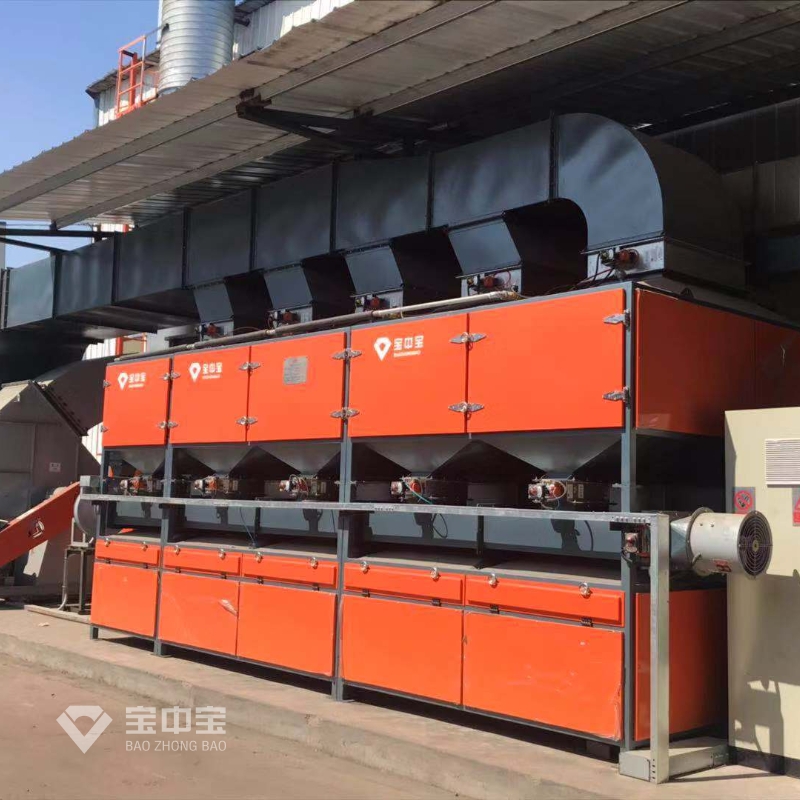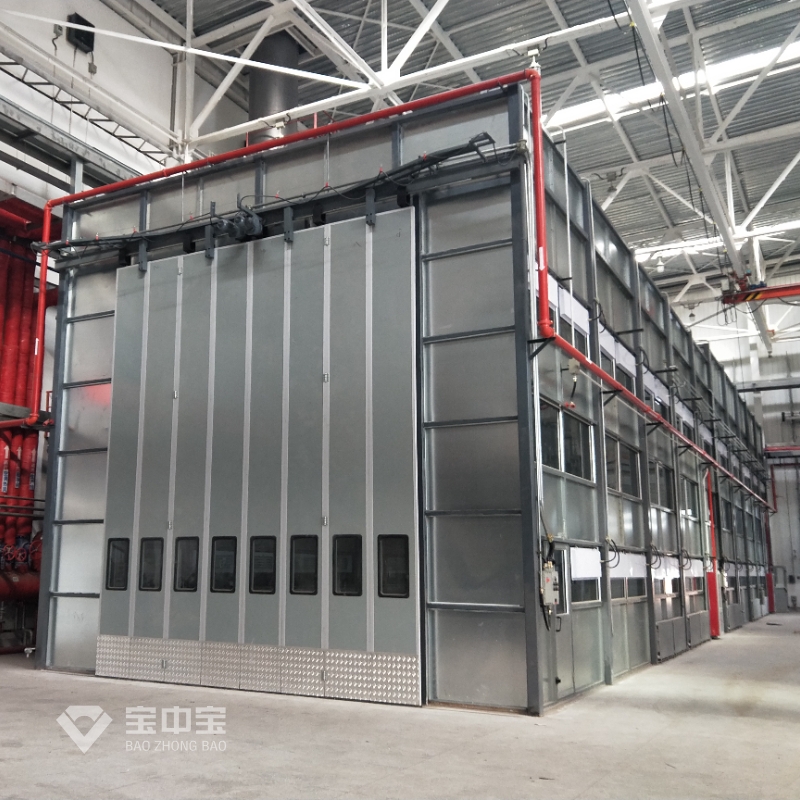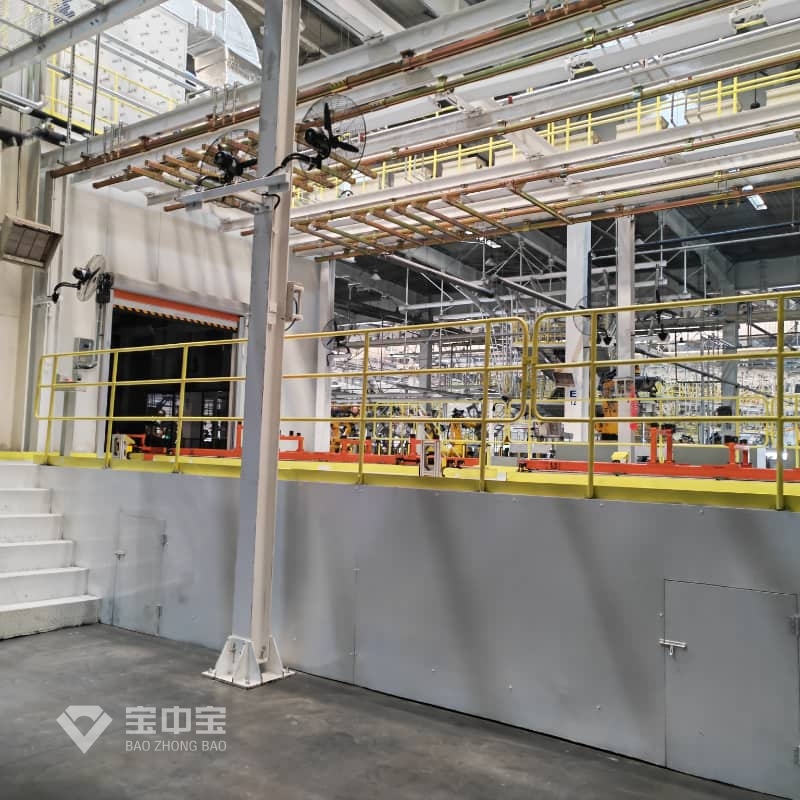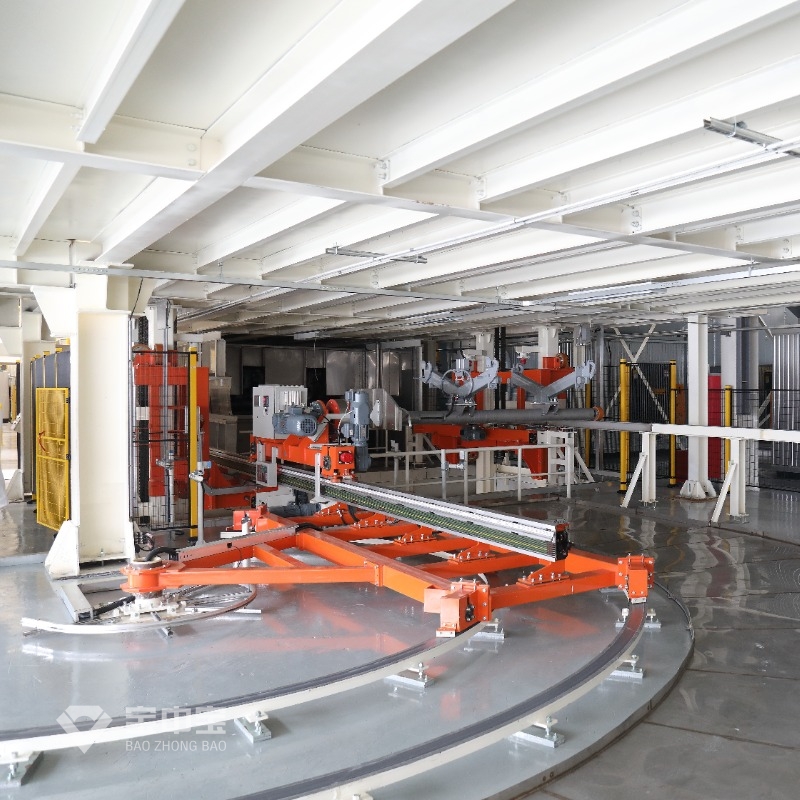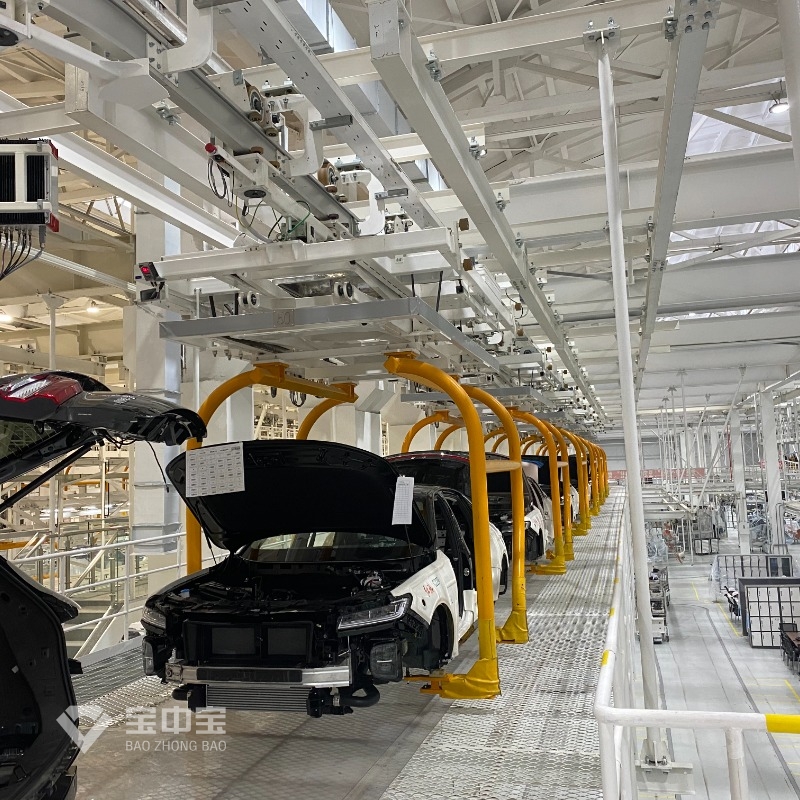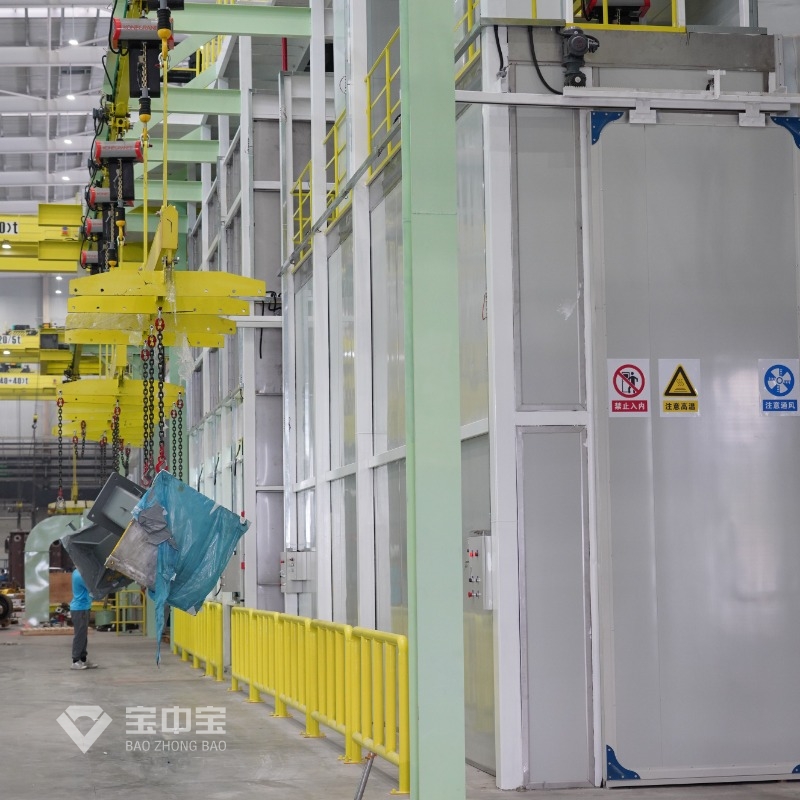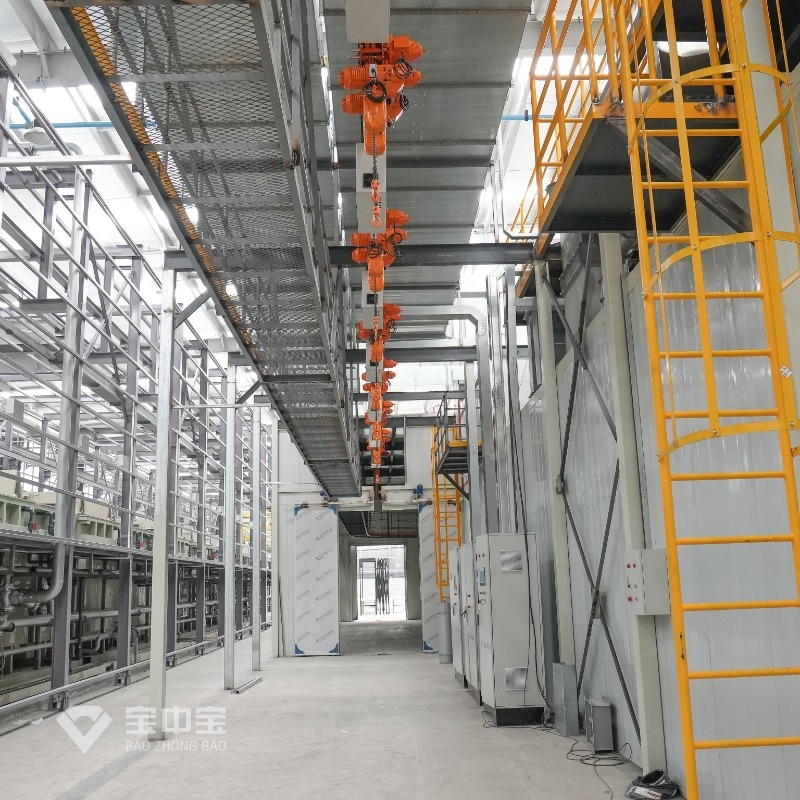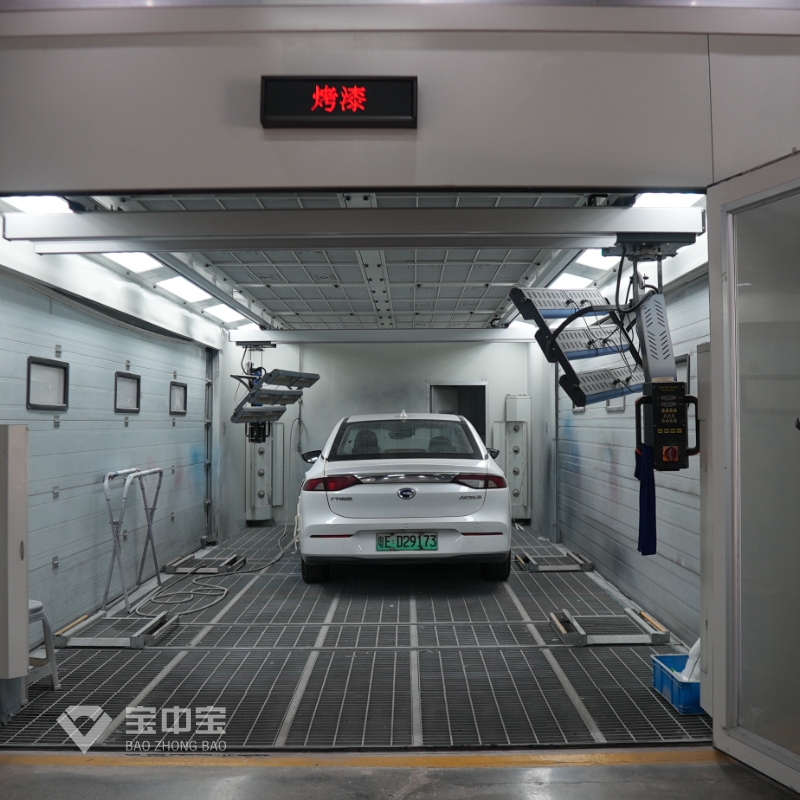

Choose an Automotive Painting System for electric vehicles by matching the booth, air handling, and curing process to your repair work, coating data sheets, and vehicle-maker procedures—not by choosing on booth size or advertised bake temperature alone. For an EV auto body paint booth, check battery isolation and work-zone controls, waterborne refinish capability, and HVLP spray equipment alongside airflow, fire protection, and VOC compliance. Those checks help a shop avoid unsafe work, paint defects, and a system that cannot handle its actual repair mix.
EV body repair can involve aluminum, mixed materials, sensitive electronics, and a high-voltage battery that must be handled under the vehicle maker’s instructions. A paint booth does not make a damaged or energized battery safe. Confirm the repair plan and required isolation before the vehicle enters the paint process, and do not apply heat beyond the limits specified by the OEM and coating manufacturers.
Case verification: A verifiable, named shop account or first-person case was not provided for this article, and I cannot independently confirm one here. To avoid inventing a result or attributing a story to a real technician, the decision walkthrough below is a clearly labeled practical example, not a claimed customer case. For a publishable real case, obtain permission and retain the shop’s work order, vehicle and repair details, coating records, and measured commissioning results.

Before requesting proposals, assemble the information that determines whether a system will fit your work. Give each bidder the same documents and operating assumptions so you can compare like with like.
- Repair profile: List the vehicle types and repair tasks you handle, such as panel refinishing, structural repairs, aluminum work, or complete resprays. Note whether battery removal or other high-voltage work is performed onsite. Have qualified EV personnel determine the required isolation and repair steps.
- Vehicle-maker information: Gather current OEM collision-repair procedures for the vehicles you service. Identify restrictions on heat exposure, component removal, masking, and battery handling. The vehicle-specific procedure takes precedence over a generic booth setting.
- Coating documentation: Obtain the technical data sheets and safety data sheets for primers, basecoats, clearcoats, cleaners, and other products you intend to use. Record each product’s approved application method, flash-off requirements, and curing conditions. Do not assume two products share the same process.
- Site information: Ask a qualified contractor to assess available floor area, ceiling height, make-up air, exhaust routing, electrical supply, compressed air, drainage where relevant, and local permitting requirements.
- Compliance needs: Check applicable occupational-safety, fire-code, environmental, and building requirements with the authority having jurisdiction and qualified local professionals. In the United States, OSHA’s spray-finishing requirements are set out in 29 CFR 1910.107; local rules and other applicable standards may add requirements.
- Budget inputs: Compare the installed cost, service access, filters, energy use, planned maintenance, training, and parts availability—not only the equipment purchase price.
Automotive Painting System Selection: What to Prepare
Use the following sequence to turn shop needs into a documented specification. The example is a planning scenario: a repair shop is comparing systems for mixed vehicle refinishing, including EVs. It does not represent a verified customer or measured outcome.
How to Choose an Automotive Painting System for Electric Vehicles
Tools: Repair-order history, vehicle list, OEM repair information, and a written process map.
Action: Separate the work into tasks such as preparation, priming, spraying, flash-off, curing, and post-repair inspection. Mark which tasks involve EVs, aluminum, composite panels, or work near high-voltage components. Identify which work is performed in the booth and which must happen in a separate controlled area.
Parameters: Use your actual work mix and the process limits in the OEM procedures and coating technical data sheets. Do not set a generic bake temperature or cycle as a universal EV value.
Check: Confirm that the proposed system supports every process you plan to perform and that the work sequence does not conflict with battery or component restrictions.
If it fails: Remove unsupported repairs from the proposed scope, plan a qualified subcontract route, or request a revised equipment and workflow proposal before purchasing.
Step 1: Define the EV Automotive Painting System Work Scope
Tools: Site survey, booth drawings, airflow and filtration specifications, and a commissioning plan.
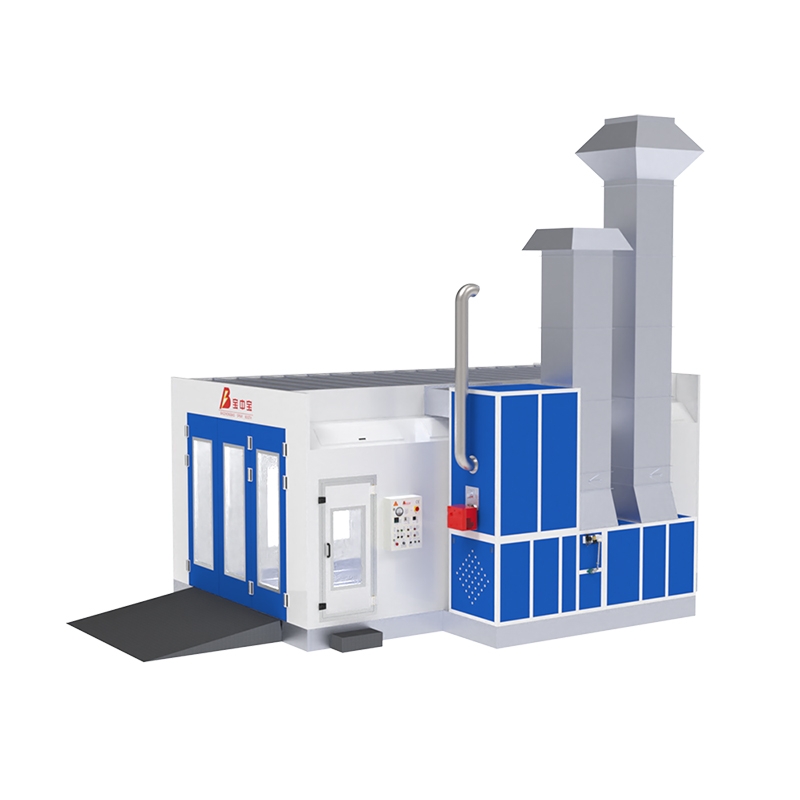
Action: Compare downdraft, semi-downdraft, and crossdraft configurations against the site layout and the shop’s expected throughput. Ask the supplier to explain how the booth’s air supply, extraction, filtration, and exhaust path are designed to control overspray and contaminants for the proposed installation.
Parameters: Put the required airflow and pressure conditions in the supplier’s engineered specification and commissioning documents. The correct values depend on the booth design, installation, and applicable rules; do not substitute a generic online number.
Check: Require documented commissioning measurements and confirmation that doors, filters, fans, and control interlocks operate as specified. Verify filter access and replacement instructions.
If it fails: Do not treat poor airflow as a paint-quality adjustment. Stop spraying, investigate blocked or incorrectly installed filters, fan or duct issues, and installation defects, then have a qualified technician retest the system.
Step 2: Specify the EV Paint Booth and Airflow
Tools: Coating technical data sheets, approved spray-gun documentation, air-quality requirements, and a test-panel process.
Action: Confirm compatibility with your chosen waterborne or solventborne products and application equipment. If using HVLP equipment, verify the gun and air supply meet the coating maker’s recommendations. Include clean, dry compressed air, mixing and measuring equipment, and a controlled area for preparation.
Parameters: Follow product-specific mixing ratios, gun setup, application conditions, flash times, and recoat windows exactly as published by the coating manufacturer. Those values vary by product and cannot safely be generalized.
Check: Run a representative test panel and assess coverage, appearance, adhesion where specified, and the full documented process. Keep the product batch details and settings with the job record.
If it fails: Check material preparation, air quality, gun condition, booth cleanliness, and compliance with the product data sheet. Change one controlled variable at a time and repeat the test rather than compensating with an unapproved thinner or cure cycle.
Step 3: Match the Automotive Painting System to Coatings and Application Equipment
Tools: Current OEM service procedures, the shop’s high-voltage safety program, approved isolation equipment, and a written vehicle handoff checklist.
Action: Define who may assess, isolate, remove, or reinstall high-voltage components and where that work occurs. Establish a handoff between EV-qualified personnel and paint technicians. Keep battery condition, isolation status, and heat restrictions visible in the repair record.
Parameters: Use the vehicle-maker’s procedure for isolation and component handling, and use the most restrictive applicable OEM or coating temperature and time limit for the repair. A booth controller’s maximum setting is not proof that a vehicle or battery can tolerate that condition.
Check: Before curing, verify the repair plan permits the selected process, the required components are in the specified condition, and the technician responsible has signed off.
If it fails: Stop the process. Do not guess at battery condition or lower the risk by relying on distance alone. Escalate to qualified EV personnel and follow the OEM procedure.
Step 4: Verify EV Battery, Heat, and Work-Zone Controls
Tools: Safety data sheets, fire-protection design documents, environmental permits or guidance, and a written review from qualified local professionals.
Action: Ask how the proposed spray area addresses ignition sources, ventilation, electrical equipment, fire protection, and safe storage and handling of coatings and solvents. Confirm the system design and products fit local environmental requirements.
Parameters: Use the applicable regulations and product-specific VOC information for your location and coating category. Requirements can vary by jurisdiction and product; a supplier’s general statement is not a substitute for a compliance review.
Check: Obtain written confirmation of the applicable design requirements and required inspections from the responsible professionals or authorities.
If it fails: Resolve the design or permitting issue before installation or operation. Do not bypass an interlock, ventilation control, or fire-protection feature to keep production moving.
Step 5: Compare Fire Protection, VOC Controls, and Facility Compliance
Tools: A comparison sheet, supplier scope of work, warranty, maintenance schedule, and references you can independently contact.
Action: Compare the booth, air handling, controls, installation, commissioning, training, warranty, service response, filter availability, and ongoing energy needs as one system. Request clear exclusions and identify who is responsible for permits, foundations, ductwork, and final testing.
Parameters: Compare proposals against the same written performance requirements, operating schedule, product range, and local compliance assumptions. Ask suppliers to distinguish measured values from estimates.
Check: Confirm that the contract includes commissioning records, operator training, maintenance instructions, and a process for resolving failed acceptance tests.
If it fails: Ask for a revised, itemized proposal. If claims cannot be supported by drawings, specifications, test records, or references, treat them as unverified and do not use them as the basis for selection.
Step 6: Evaluate the Complete Automotive Painting System Proposal
Tools: Commissioning checklist, calibrated test instruments used by qualified personnel, booth and coating documentation, and operator training records.
Action: Test the installed system against the approved specification before production use. Train operators on startup, shutdown, alarms, filter changes, cleaning, emergency procedures, and the limits of their role around high-voltage vehicles.
Parameters: Use acceptance criteria in the contract, equipment documentation, coating instructions, and applicable regulations. Record the actual measured results and instrument details required by the commissioning plan.
Check: Retain test reports, training sign-offs, maintenance schedules, and approved process settings. Review the first jobs for process compliance and finish defects.
If it fails: Document the failure, pause affected work, and require correction and retesting by the responsible supplier or qualified contractor. Do not mark the system accepted based on a visual walkthrough alone.
Step 7: Commission and Document the EV Automotive Painting System
Automotive Painting System Mistakes and How to Fix Them
- Choosing by booth dimensions alone: A booth that fits the vehicle may still be unsuitable for the work process or site services. Compare the engineered airflow, exhaust, access, and installation requirements before ordering.
- Assuming every EV needs the same bake setting: Vehicle and coating limits differ. Use the relevant OEM procedures and product data sheets for each repair; never infer a safe cycle from another model.
- Treating a paint booth as a battery-safety measure: The booth does not replace high-voltage assessment, isolation, or qualified handling. Follow the vehicle-maker’s instructions and the shop’s safety program.
- Accepting airflow claims without test records: Ask for commissioning measurements tied to the installed system. If performance is outside the agreed criteria, correct and retest before spraying.
- Ignoring compressed-air quality: Water or oil contamination can affect finish quality. Follow equipment and coating requirements, inspect filtration and drains, and investigate defects before changing paint formulation.
- Buying on purchase price rather than lifecycle needs: Include installation, energy, filters, maintenance, training, service, and downtime in the comparison.
- Relying on unsupported supplier claims: Request drawings, specifications, test methods, and written scope. When comparing suppliers such as Jingzhongjing Group, apply the same evidence checklist and avoid assuming a brand name alone confirms compliance or performance.
Automotive Painting System Selection: Summary and Recommendations
The right automotive painting system for electric vehicles is the one that fits your documented repair scope, site, coating products, OEM restrictions, and local rules—and can prove its performance through commissioning records. Start with the vehicle and process requirements, then evaluate airflow, application equipment, heat controls, fire protection, VOC obligations, service, and total operating needs.
Before signing, ask for an itemized design, written acceptance criteria, installation responsibilities, operator training, maintenance instructions, and documented testing. Keep a job-level record of the vehicle procedure, product data, process conditions, and approvals. These records support repeatable work and help distinguish an actual, verifiable shop result from a marketing claim.
Useful references: OSHA, ; the vehicle maker’s current collision-repair and service information; and the technical and safety data sheets for each coating product used. Confirm the standards and regulations applicable to your location with qualified professionals.