News
Oct. 28, 2026
Choosing an Automotive Painting System for a new factory means coordinating product quality, production capacity, plant design, environmental controls, and long-term operating cost. Purchasing teams need more than an equipment list: they need a step-by-step selection process that connects engineering requirements with business goals. This guide covers the questions commonly raised in search results about paint-shop equipment, system selection, costs, supplier evaluation, and project risks, while addressing the practical concerns of purchasing, production, engineering, quality, and environmental teams.
Jingzhongjing Group works with customers on painting system planning and equipment solutions. Use this guide to structure your project discussions and prepare a clear technical brief. 
A new paint shop affects several departments, and each group may define success differently. Bring their requirements together before requesting quotations.
People researching an Automotive Painting System commonly need to understand what equipment is required, how to match capacity to production, what the installation will demand from the building, how to compare suppliers, and which costs are easy to overlook. Convert each question into a written requirement with an owner and a way to verify it. This prevents a technically impressive proposal from missing an essential business or operating need.
List the vehicle models, components, substrate types, dimensions, weights, and surface conditions expected at launch and during future expansion. Record whether the system must handle steel, aluminum, plastic, or mixed materials. Identify coating chemistry, color range, appearance expectations, corrosion protection requirements, and any customer-specific specifications. Do not assume that one process recipe will suit every product.
State required annual and peak output, shifts per day, operating days per year, planned downtime, and expected product mix. Define the target takt time and identify the bottleneck process. Ask the supplier to show how the proposed line meets the required throughput under the stated product mix, rather than relying on a maximum-speed figure that may not reflect normal production.
Make quality and performance requirements testable. Depending on the product and applicable specifications, define coating thickness ranges, appearance limits, adhesion or corrosion tests, first-pass yield targets, rework limits, and line availability expectations. Agree in advance on the measurement methods, sample sizes, test conditions, and records required for factory acceptance and site acceptance.
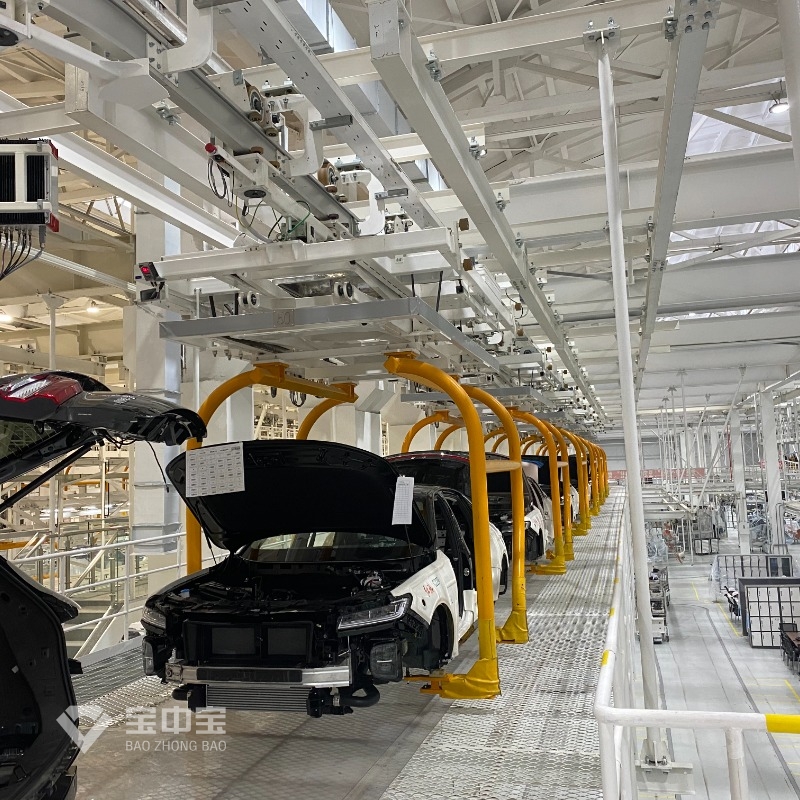
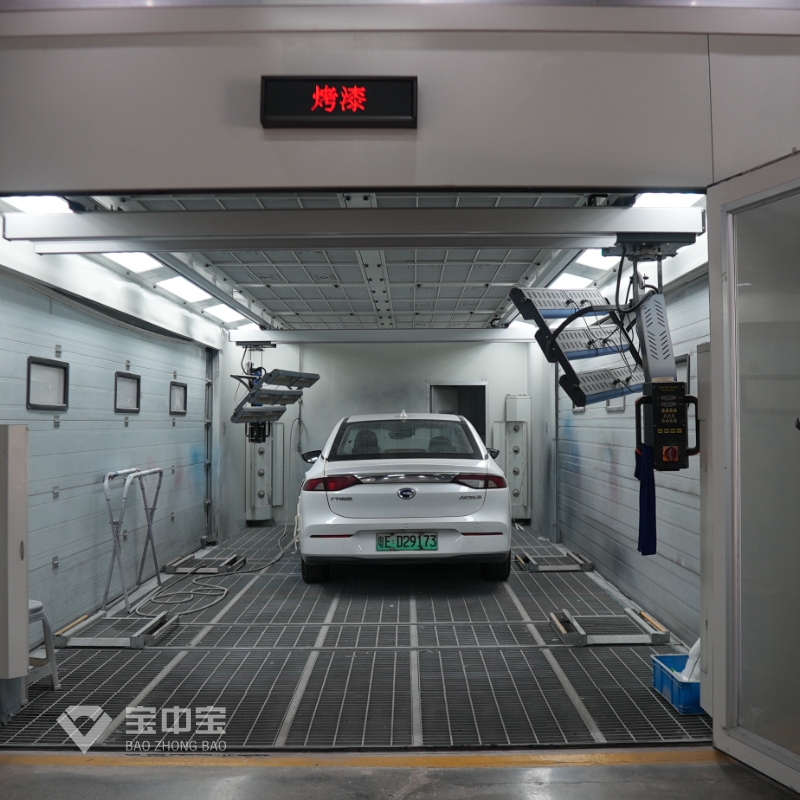
A typical automotive paint process may include surface preparation, pretreatment, drying, electrocoat where required, intermediate coating, topcoat, curing, cooling, inspection, and repair. The actual sequence depends on the substrate, product, coating specification, and local regulations. Ask the process engineer and coating material supplier to confirm the proposed sequence before the equipment scope is fixed.
Compare conveyor speed, booth dwell time, oven capacity, loading and unloading rates, color changes, maintenance access, and product spacing. Confirm that the slowest process can support the production target. Ask how the system will respond to a short stoppage, a blocked carrier, a product mix change, or a planned maintenance task. A line sized only for ideal conditions may not deliver the required output in daily operation.
Evaluate each proposed configuration against product compatibility, quality, capacity, flexibility, floor space, energy use, labor needs, maintenance, and environmental controls. Request the same information from every bidder so the comparison is fair. A lower purchase price is not a reliable indicator of value if the design requires more energy, frequent manual intervention, or expensive future modifications.
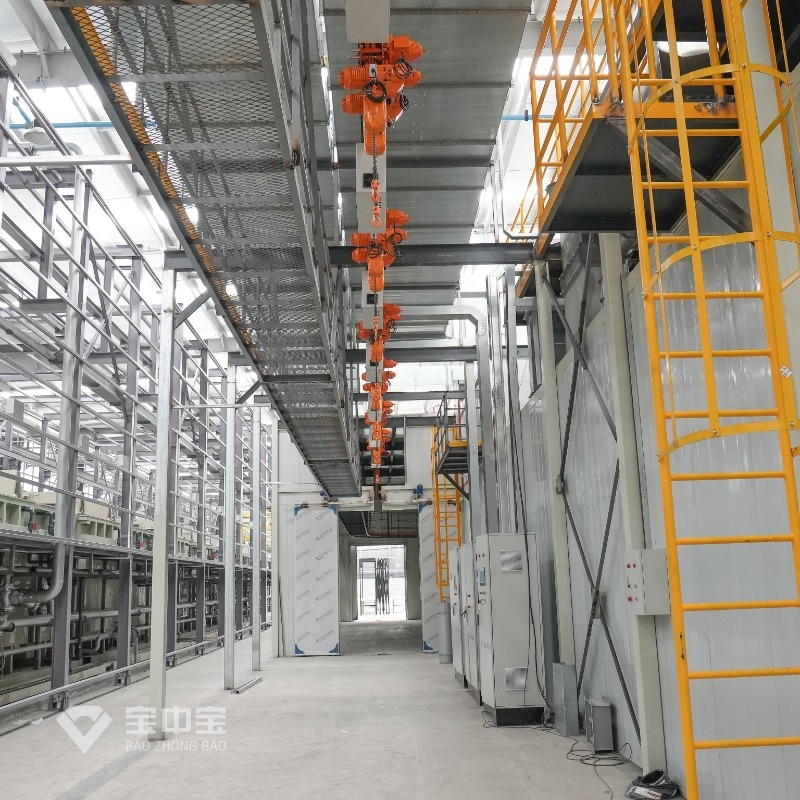
Ask for a coordinated layout showing equipment footprints, product flow, operator routes, maintenance access, fire exits, chemical storage, loading zones, and space for future expansion. Review how parts enter and leave the paint shop and how rejected or rework parts are handled. Check that the layout does not create cross-contamination risks or make routine service work difficult.
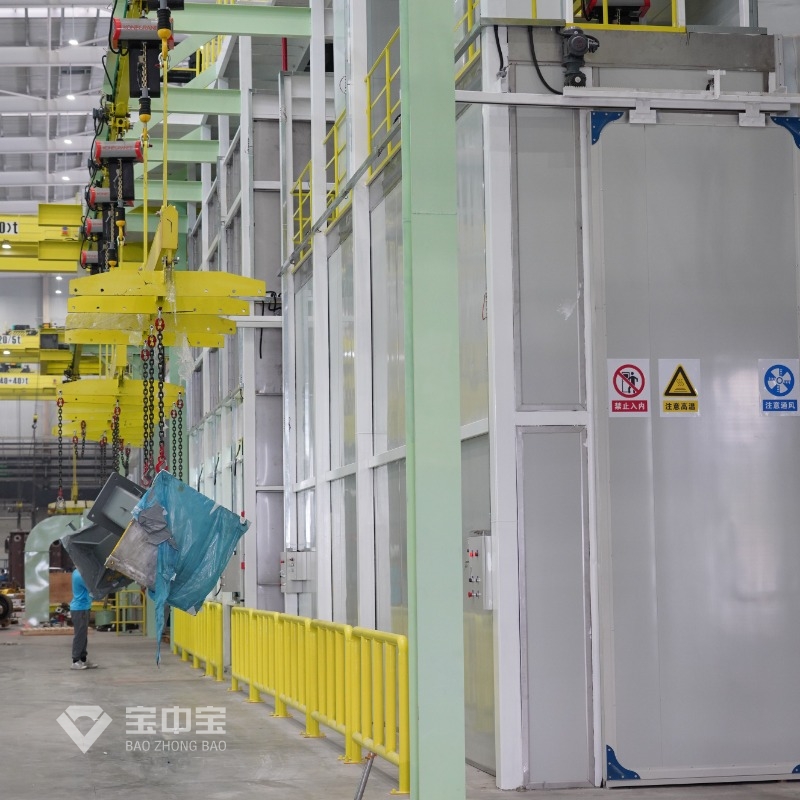
Request a utility schedule covering electrical demand, gas or other heat sources, compressed air, water, drainage, ventilation, and network connections. Verify that the building structure, floor loading, ceiling height, foundations, and available service routes can support the design. Confirm which party is responsible for each connection, permit, and building modification.
Issue a written request for quotation with product data, output assumptions, process requirements, layout constraints, utility conditions, acceptance criteria, delivery milestones, and required documentation. Ask suppliers to list inclusions, exclusions, assumptions, optional items, and customer responsibilities. Resolve gaps before comparing prices.
Build a common cost model for all offers. Include equipment, engineering, shipping, installation, building work, utility upgrades, permits, commissioning, training, spare parts, energy, water, chemicals, labor, waste handling, maintenance, and expected downtime. State the analysis period and assumptions. Ask bidders to explain major differences in consumption or staffing rather than accepting estimates without supporting data.
Create a schedule covering design reviews, long-lead equipment, building readiness, delivery, installation, utility connections, controls integration, dry runs, wet commissioning, production trials, and handover. Assign an owner and completion evidence to each milestone. Identify dependencies such as permits, coating material availability, operator recruitment, and access to the factory site.
Agree on how the supplier will demonstrate safe operation, required throughput, process repeatability, product quality, utility performance, alarms, interlocks, and data collection. Specify the test products, coating materials, line conditions, duration, sampling plan, and response to failed tests. Keep factory acceptance tests and site acceptance tests distinct, and define which issues must be closed before final handover.
Require operating manuals, maintenance schedules, parts lists, electrical and controls documentation, safety procedures, process settings, and training records. Plan hands-on training for operators, maintenance staff, quality personnel, and supervisors. Confirm who owns recipe approval, parameter changes, process troubleshooting, and ongoing performance reporting after the supplier leaves the site.
The project team should assemble a practical toolkit before reviewing detailed proposals. Select measurement instruments suitable for the work and use qualified personnel to conduct regulated or specialized tests.
Record the latest product data, approved drawings, supplier responses, meeting decisions, test results, and change requests in a shared document system. Identify the revision and approval status of each item. This simple discipline reduces the risk of purchasing against an outdated layout or commissioning against an unclear requirement.
A low initial quotation can omit building work, integration, commissioning, or environmental equipment. A high stated line speed may not account for color changes, maintenance, product spacing, or process dwell time. Compare complete scope and validated operating assumptions instead.
A successful Automotive Painting System selection connects the factory's production target with a verified process, a complete supplier scope, and a realistic operating plan. Use the steps and checklists above to compare options consistently, document decisions, and reduce avoidable project risk. Jingzhongjing Group can be included in the project discussion when evaluating painting system requirements. Keep the final decision focused on the Automotive Painting System that can meet your quality, capacity, compliance, and lifecycle goals.