News
Nov. 19, 2026
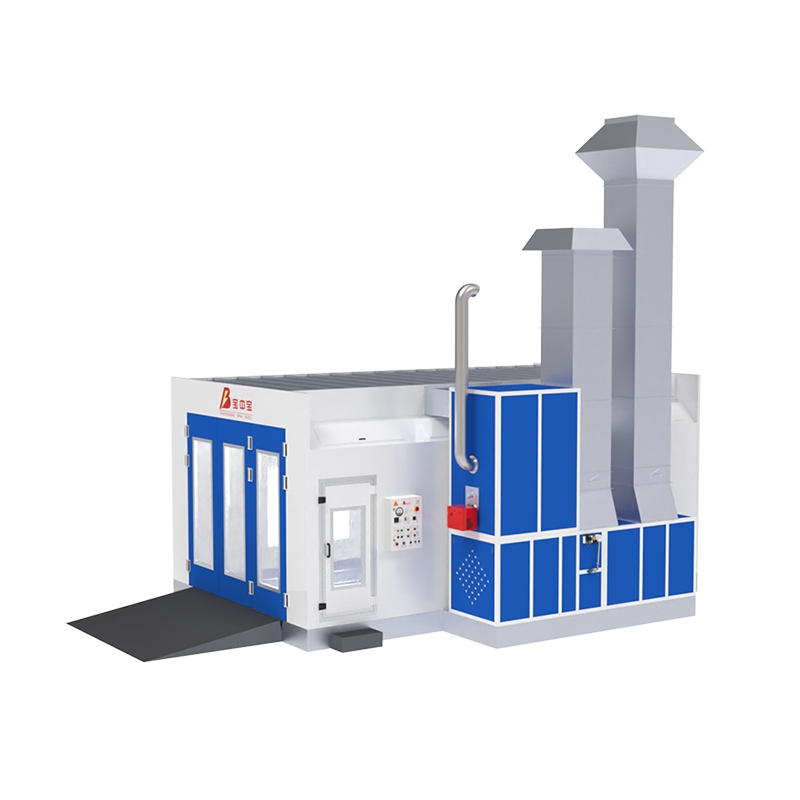
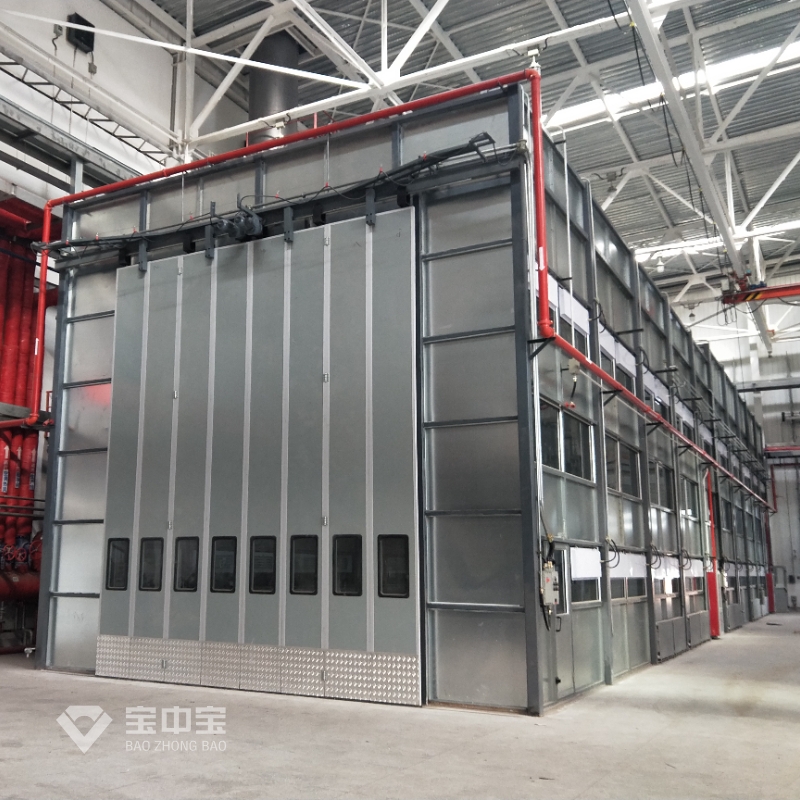
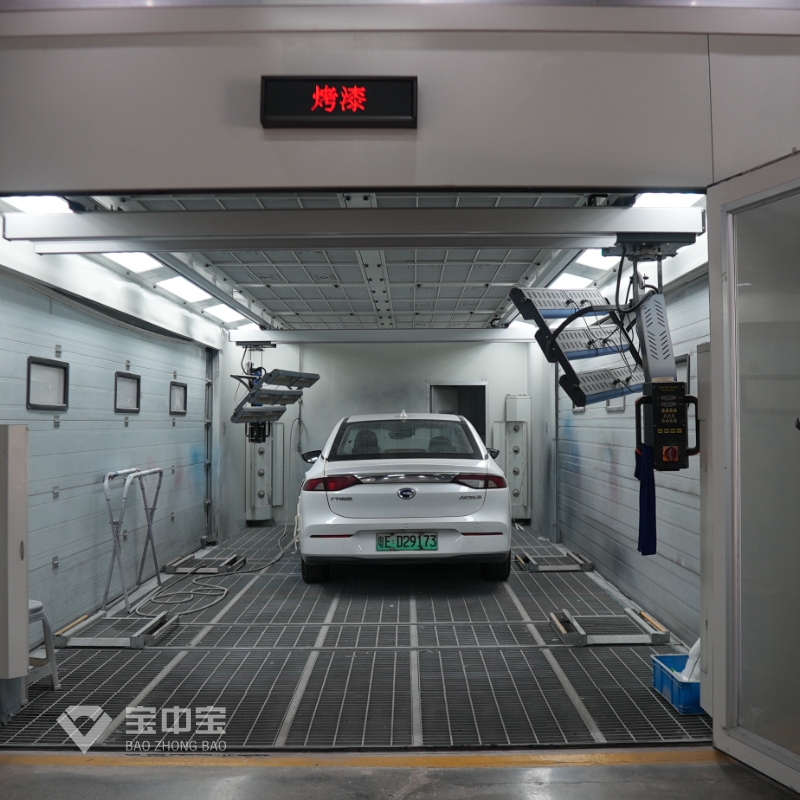
Choosing the right ventilation system for a Standard Spray Booth can protect workers, improve finish quality, and reduce costly rework. In this guide, we at Jingzhongjing Group walk you through a straightforward process: identify your coating requirements, calculate design airflow, size the fan and filters, check safety requirements, and verify performance before production.

A ventilation system does more than remove visible overspray. It controls airflow through the work zone, carries airborne paint particles toward the exhaust filters, helps manage heat and humidity, and supports a consistent coating environment. Poorly balanced airflow can contribute to dry spray, uneven film build, contamination, longer cleanup, and worker exposure.
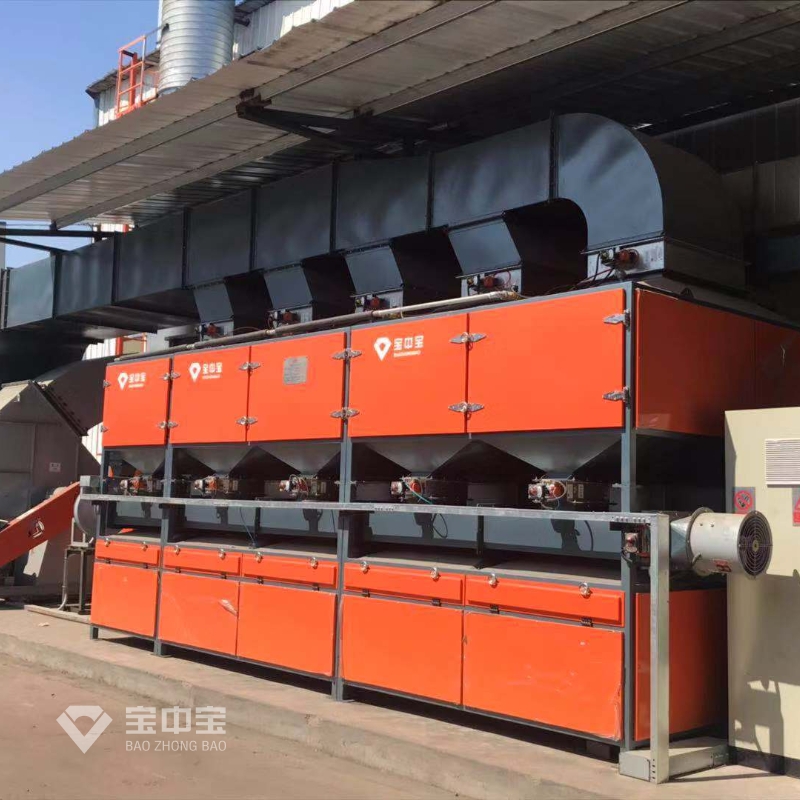
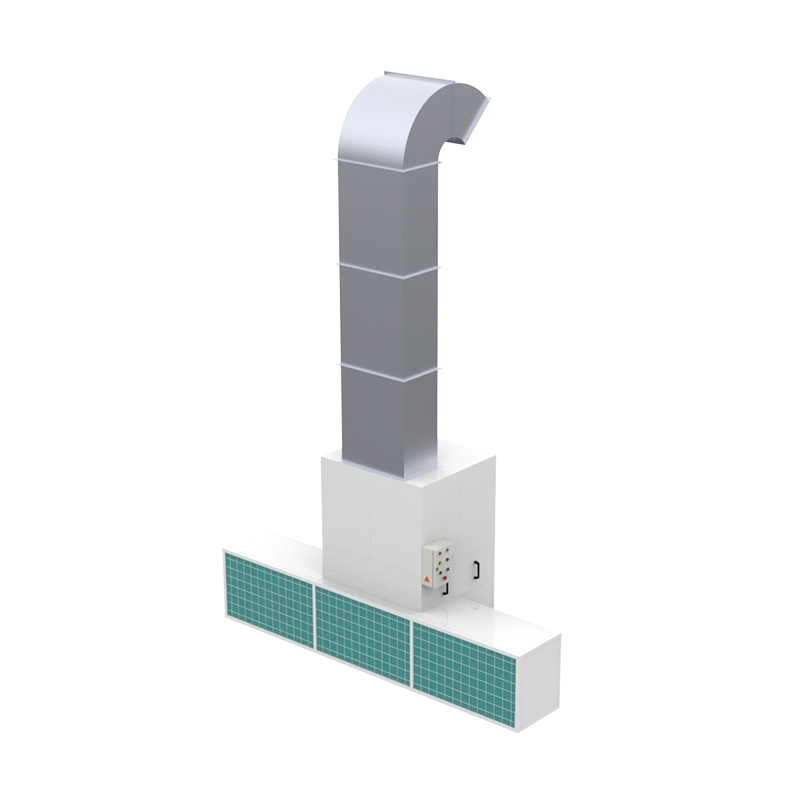
When considering how to choose a ventilation system for a Standard Spray Booth, treat the booth, make-up air unit, filters, ductwork, exhaust fan, and controls as one system. Selecting a fan based only on its free-air rating can lead to low airflow once filters and duct resistance are included.
Start by documenting what the booth must handle. A system designed for occasional small parts may not suit continuous production of large vehicles or fabricated components.
These details determine whether the system needs heated or conditioned make-up air, variable-speed controls, a larger filter bank, or a specific fan and motor arrangement.
Airflow requirements depend on booth geometry, coating process, applicable regulations, and the manufacturer’s design. Do not use a generic air-change figure as the sole sizing method. Confirm the required airflow and face velocity with the booth supplier and a qualified ventilation or fire-protection professional.
For a simple opening-based estimate, multiply the effective booth face area by the specified design velocity:
Airflow (m³/s) = effective opening area (m²) × design velocity (m/s)
For example, if an opening is 4 m wide by 2.5 m high, its area is 10 m². At an illustrative design velocity of 0.3 m/s, the preliminary airflow is 3 m³/s, or 10,800 m³/h. This is a calculation example, not a universal design target. The required velocity must be confirmed for the booth type, material, process, and local code.
For a more reliable specification, account for the actual airflow path, open doors, filter loading, workpiece blockage, and any openings that change during operation. A ventilation engineer can confirm whether the selected measurement plane and calculation method are appropriate.
Airflow direction affects how overspray moves past the workpiece and toward the filters. The best configuration depends on the product, finish requirements, booth footprint, and budget.
| Configuration | Typical consideration | What to verify |
|---|---|---|
| Crossdraft | Air moves horizontally across the work zone toward an exhaust wall. | Check airflow distribution across the full booth width and the potential for paint to travel over the workpiece. |
| Semi-downdraft | Air enters from above and moves toward a lower or rear exhaust area. | Confirm the supply plenum and exhaust layout avoid stagnant zones around the part. |
| Downdraft | Air moves downward through the work zone toward floor-level exhaust. | Review pit or basement requirements, floor filters, service access, and installation cost. |
Choose filter media for the intended duty and confirm its initial and final pressure-drop data. Paint-arrestor filters capture overspray; they do not remove all solvent vapor or replace required respiratory protection and exposure controls. If the process creates a vapor-control requirement, have a specialist assess the appropriate treatment technology and exhaust arrangement.
After airflow is established, calculate the total system static pressure. Include resistance from loaded filters, duct length, elbows, transitions, dampers, stacks, and discharge fittings. Then select a fan whose performance curve delivers the required airflow at that pressure—not simply at free air.
For fan-performance documentation, ask whether testing follows AMCA 210/ASHRAE 51 or ISO 5801, as applicable to the equipment and supplier. These standards relate to fan testing; they do not by themselves certify that the complete spray booth installation complies with local safety rules.
Exhaust air must be replaced with an appropriate volume of make-up air. If supply air is insufficient, doors may become difficult to open, airflow can become unstable, and the building may experience unwanted pressure changes. If supply air is excessive or poorly directed, it can disturb the booth’s intended flow pattern.
Work with the supplier to establish the booth’s intended pressure relationship with adjacent spaces. Include interlocks so spraying cannot proceed when required ventilation is unavailable, and consider alarms for fan failure or excessive filter pressure drop. Heating or cooling make-up air may also be necessary for operator comfort and coating consistency.
Requirements vary by country, jurisdiction, coating chemistry, and booth design. In the United States, review applicable OSHA requirements, including 29 CFR 1910.107 for spray-finishing operations, and NFPA 33, Standard for Spray Application Using Flammable or Combustible Materials, where adopted. Other locations may require different building, fire, environmental, and occupational-safety rules.
Have qualified professionals confirm electrical classification, grounding and bonding, fire protection, exhaust discharge, and hazardous-area equipment selection. Do not assume that a booth specification or a fan test standard alone establishes compliance.
Commissioning confirms that the installed system performs under realistic operating conditions. Ask for documented measurements rather than relying only on fan nameplate data.
Agree on acceptance criteria before installation. A written test plan makes it easier to identify whether a shortfall comes from fan selection, filter loading, duct losses, leakage, or supply-air imbalance.
To make the selection and verification process more efficient, prepare these resources:
Jingzhongjing Group can use these inputs to help scope a Standard Spray Booth ventilation solution around the process and site. Request the proposed airflow basis, fan duty point, filtration arrangement, control sequence, and commissioning scope in writing. For project confidence, specify documented inspection criteria—such as 100% inspection of agreed critical components—rather than assuming an unverified quality claim.
When deciding how to choose a ventilation system for a Standard Spray Booth, follow this sequence: define the coating process, confirm the booth configuration, establish airflow with the applicable design basis, account for filter and duct resistance, coordinate make-up air and controls, review safety requirements, and commission the installed system.
Taking these steps before purchase helps reduce rework, stabilize airflow, and make maintenance more predictable. Start by gathering your booth dimensions, coating data, and site constraints, then ask Jingzhongjing Group and your local qualified professionals to review the design basis before you place an order.