News
Nov. 10, 2026
To choose a Standard Spray Booth for automotive parts, match the booth’s working dimensions and airflow to the largest part, coating process, and production rate—not just the available floor space. Compare an automotive parts spray booth by its airflow, overspray filtration, and make-up air; then verify face velocity, hazardous-area electrical requirements, and local fire-code approval. This guide explains how to choose a spray booth for auto parts, what to prepare, and how to check a supplier’s proposal without relying on a sales claim alone.

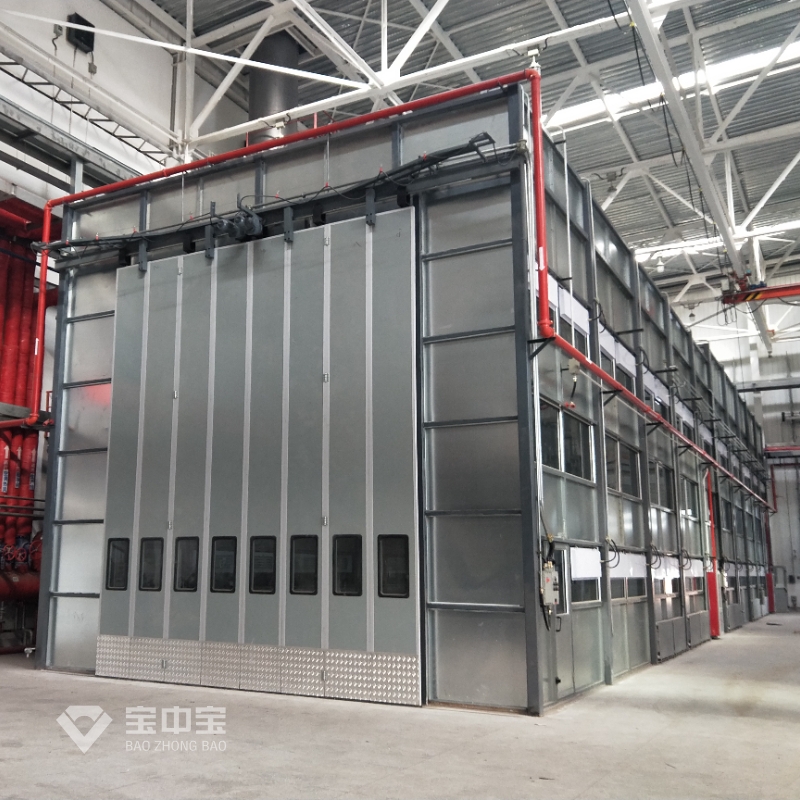
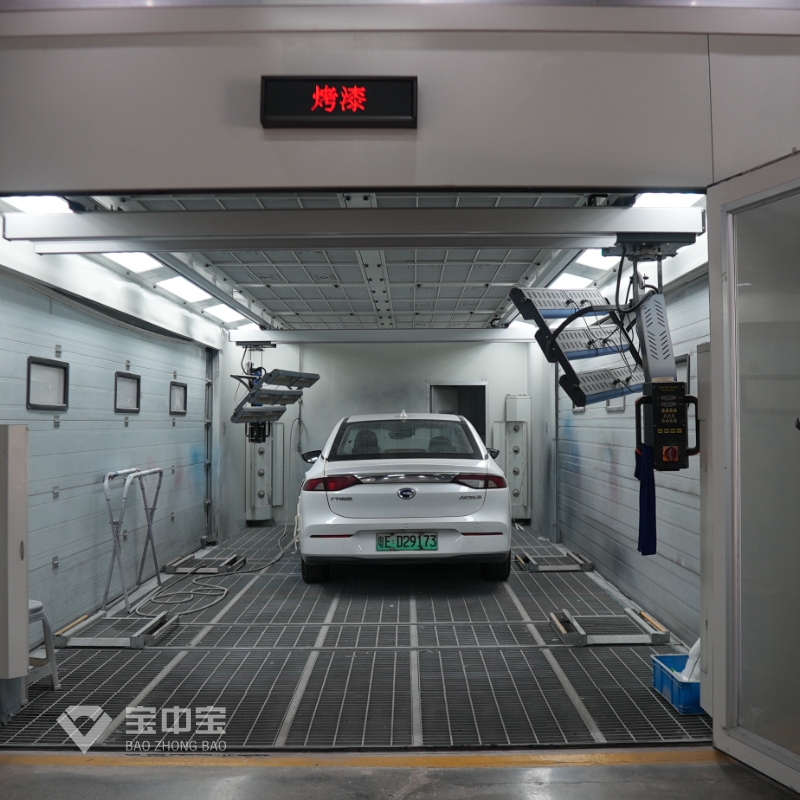
A standard spray booth is an engineered enclosure that controls the movement of spray mist and exhaust air while providing a defined work area. It does not automatically include every feature a shop may need: heating, baking, curing, a pit, an air makeup unit, or a particular filter system may be optional or part of a separate model. Confirm the exact configuration in the quotation and equipment documentation.
Start with the parts and coating process. A booth for brackets, wheels, and small panels may have different loading and access needs from one used for bumpers, frames, or long trim pieces. Consider part dimensions, racks and carts, operator reach, gun movement, coating manufacturer instructions, color changes, and daily throughput. A booth that fits a part but leaves too little room to spray around it can create inconsistent coverage and difficult cleaning.
Airflow is a safety and process requirement, not a brochure feature. In the United States, OSHA’s spray-finishing standard, 29 CFR 1910.107, includes ventilation provisions for covered spray booths. Its specified average velocity values differ by booth and exhaust arrangement; for example, the standard gives 100 feet per minute for conventional dry-type booths and 60 feet per minute for water-wash booths in the applicable provisions. Do not apply either figure blindly: confirm the booth type, the relevant rule, the adopted code, and the authority having jurisdiction (AHJ) for your site.
Do not choose booth dimensions from the part alone. Include the largest cart or fixture, operator stance, spray-gun movement, door swing, filter access, and maintenance access. Ask the supplier to show these items on a dimensioned layout before approving the order.
Tools: Part list, tape measure, coating SDSs, and production logs. Action: Record the largest part and loaded rack dimensions, coating type, application method, color changes, and actual shift volume. Separate routine work from occasional oversize parts. Parameters: Use measured dimensions and documented process requirements; ask the coating manufacturer for its specified application and cure conditions. Check: Confirm that every part can be loaded, rotated if needed, sprayed, and removed without contacting walls, filters, lights, or the operator. If it fails: Rework the rack or handling method, select a larger working envelope, or plan a separate process for exceptional parts.
Tools: Floor plan, tape or laser measure, level, and site photographs. Action: Measure usable floor area, ceiling height, doors, columns, obstructions, exhaust route, and access for delivery and future filter replacement. Mark the booth outline and service clearances on the floor plan. Parameters: Use the manufacturer’s installation drawing and required maintenance clearances; do not substitute the booth’s outside dimensions for its required installation space. Check: Have the installer and relevant trades review the layout, exhaust discharge, and utility routes. If it fails: Relocate the booth, revise the duct route, or ask the manufacturer for an alternate configuration before ordering.
Tools: Part layout, rack plan, booth drawings, and process description. Action: Compare crossdraft, semi-downdraft, and downdraft arrangements based on part shape, operator position, overspray path, building constraints, and finish requirements. Parameters: Require the supplier to document the intended airflow path and design airflow for the exact booth configuration. Check: Confirm that air moves from the clean-air supply across the work zone toward the exhaust without obvious dead zones around typical loads. Ask how airflow performance is verified at commissioning. If it fails: Reposition the work, revise the air supply or exhaust design, or compare a different booth configuration; do not assume a booth label guarantees uniform flow.
Tools: Booth data sheet, fan curve, duct layout, applicable code, and a qualified ventilation contractor. Action: Request the design airflow, static-pressure assumptions, fan selection, exhaust route, and make-up-air arrangement in writing. For a simple open-face calculation, airflow in cubic feet per minute (CFM) equals average face velocity in feet per minute (FPM) multiplied by open face area in square feet. This is a planning calculation, not a substitute for the manufacturer’s engineered design or code review. Parameters: Verify the requirement for the specific booth type and jurisdiction. OSHA 29 CFR 1910.107 contains spray-booth ventilation requirements, including the applicable 100 FPM and 60 FPM provisions noted above; have a qualified reviewer determine which provision applies. Check: Confirm that the proposal accounts for filter resistance, duct losses, exhaust discharge, and replacement air, and that commissioning includes measured airflow or velocity checks appropriate to the design. If it fails: Request a revised fan and duct calculation or design review. Do not resolve low airflow by changing fan speed without confirming the system remains within its design and safety limits.
Tools: Coating SDSs, filter specifications, and maintenance log template. Action: Identify whether the proposal uses dry filters, water-wash collection, or another approved arrangement, and ask which filter stages serve intake and exhaust. Parameters: Obtain the filter’s intended use, replacement criteria, pressure-drop limits, and disposal guidance from its manufacturer and applicable environmental rules. Check: Confirm that filters are accessible, correctly sized for the booth, and compatible with the coating process. Ensure the proposal includes a pressure indicator or another documented way to identify loading where required by the design. If it fails: Ask for compatible filter documentation and a written inspection and replacement schedule. Never keep a loaded filter in service merely to reduce operating cost.
Tools: Coating technical data sheets, process sequence, and equipment specification. Action: Separate spray application, flash-off, and curing needs. Ask whether the proposed unit is spray-only or designed and listed for a heated or baking mode. Parameters: Use the coating manufacturer’s stated time and temperature requirements and the booth manufacturer’s permitted operating modes. Check: Confirm how heating is controlled, what interlocks are provided, and whether the intended coating process and installation are accepted by the AHJ. If it fails: Do not use a spray-only booth as an improvised oven. Request a correctly designed system or use a separate approved curing process.
Tools: Booth drawings, equipment manuals, SDSs, site hazard assessment, and code review. Action: Have qualified professionals review fire protection, electrical classification, bonding and grounding, lighting, exhaust fan arrangements, emergency procedures, and required clearances for the actual installation. Parameters: Apply current local requirements and the standards adopted by the jurisdiction; OSHA 29 CFR 1910.107 is a key U.S. workplace reference, but it is not the only applicable requirement. Check: Obtain written confirmation of required approvals, permits, and inspection points before installation. Include appropriate respiratory protection and training in the workplace program. If it fails: Pause procurement or operation until the design is revised and the responsible authorities or qualified professionals resolve the issue. A vendor statement alone does not replace approval.
Tools: A common specification sheet, supplier quotations, warranty terms, and acceptance checklist. Action: Send each supplier the same part envelope, site plan, coating process, production needs, airflow basis, utilities, and requested options. Parameters: Compare working dimensions, design airflow, fan and filter details, make-up air, heat options, controls, installation scope, delivery, service access, consumables, and exclusions. Check: Require drawings and commissioning records that show what will be measured, who will perform the work, and what documentation will be handed over. If it fails: Request a revised, itemized quotation rather than comparing headline prices that include different equipment or installation scopes.
Evidence note: No independently verifiable customer interview, shop record, or named user case was supplied for this article. To avoid presenting an invented testimonial as fact, the example below is a hypothetical planning exercise, not a reported installation or personal result.
A shop considering a booth for mixed automotive components would first measure its largest routine rack, then compare that envelope with the proposed usable booth dimensions. It would document the coating products and application instructions, measure the available room, and ask the supplier for the booth’s airflow basis, fan data, filter details, and installation drawing. The shop would then have qualified reviewers check code and utility requirements and include airflow verification in commissioning. This process does not predict a specific output or cost; those depend on the actual parts, equipment, site, and operating practices.
For a genuine case study, collect the facility’s name or an approved anonymized description, the equipment model and configuration, the measurement method, the before-and-after operating data, and permission to publish. Do not state production gains, defect reductions, energy savings, or payback unless records support them. When requesting a proposal from Jingzhongjing Group or another supplier, give every bidder the same technical brief so their configurations can be compared fairly; this mention is not an endorsement or a claim about a particular model.
The right standard spray booth for automotive parts is the one whose working envelope, airflow design, filtration, utilities, and safety features fit the actual coating process and site. Measure parts and racks, document production needs, verify the applicable code with qualified reviewers, compare complete quotations, and plan commissioning before placing an order. Treat supplier specifications as items to verify, not substitutes for site review or regulatory approval.
For a practical next step, prepare a one-page brief with the largest part and rack dimensions, coating information, site drawing, utility details, and required approvals. Share the same brief with each bidder, including Jingzhongjing Group if you are requesting its proposal, and ask for drawings, airflow documentation, installation scope, and commissioning criteria. This makes the selection process more transparent and helps prevent avoidable layout, compliance, and operating problems.