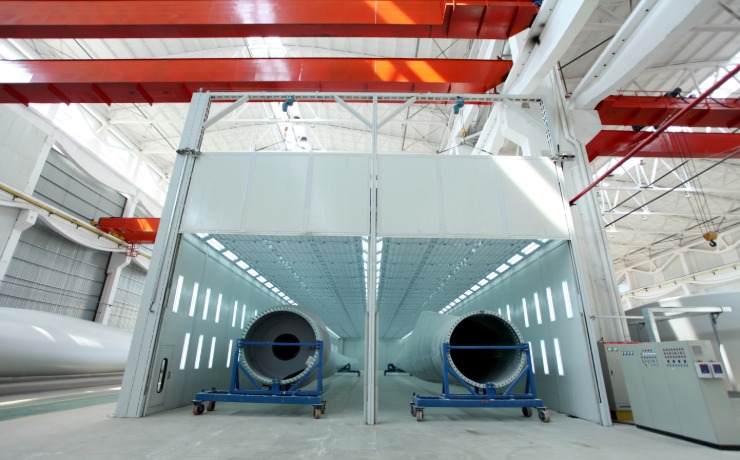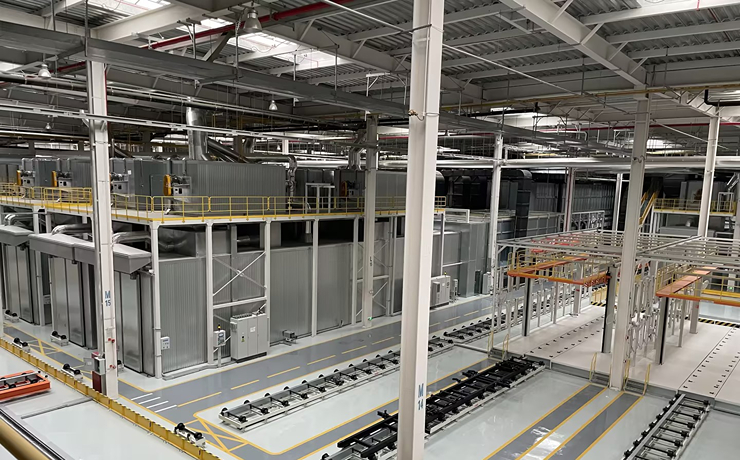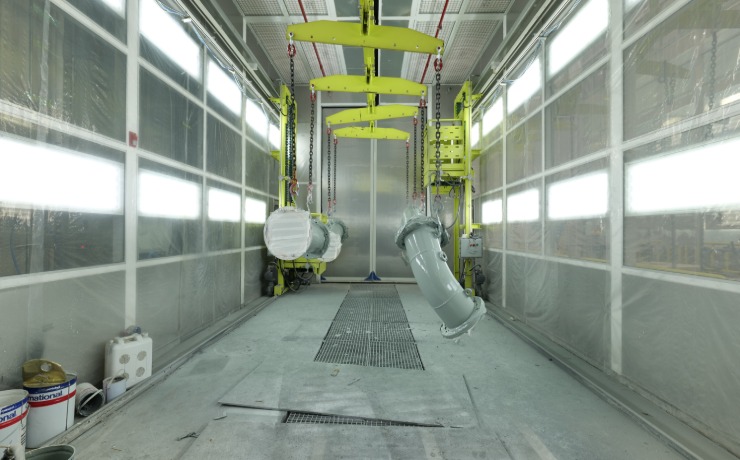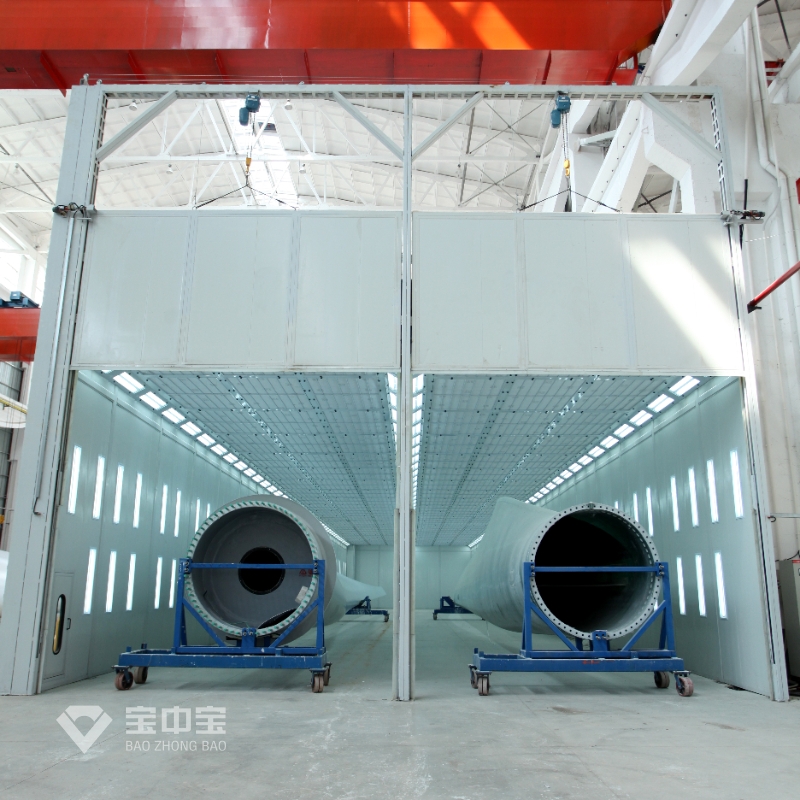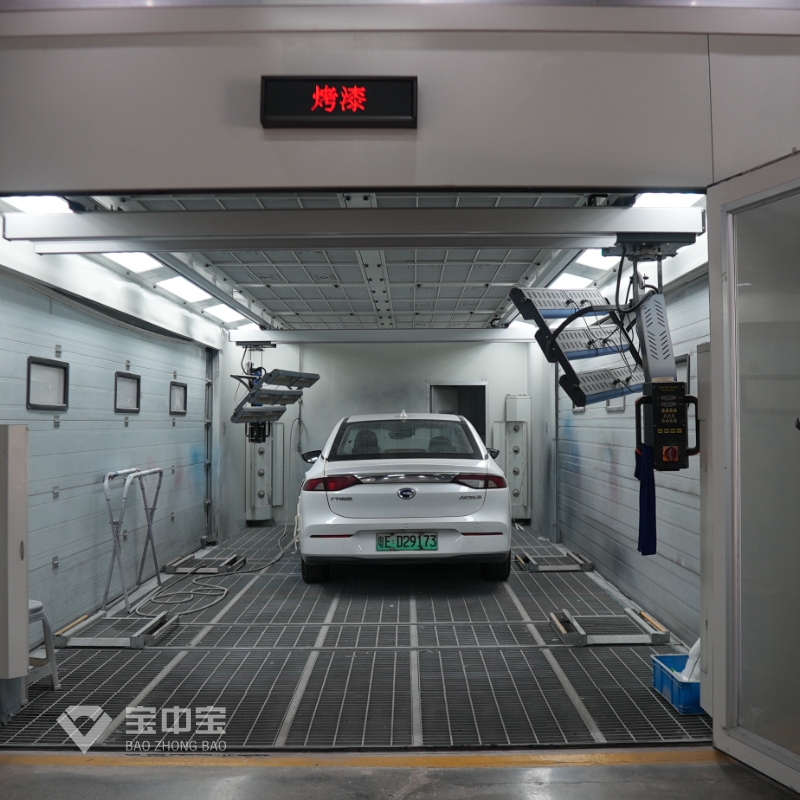

Before buying, verify that a Standard Spray Booth fits your work, meets the rules for your location, and has documented performance—not just an attractive brochure. Compare the spray booth airflow requirements with your coating and booth layout, check the paint booth dimensions and exhaust filtration, and ask for measured face velocity, fan data, and electrical classifications. This guide explains how to choose a spray booth, what to request from a supplier, and how to check the details before signing a purchase order.
A booth that is too small can restrict workpiece handling; an underspecified exhaust system can compromise capture and create compliance problems. Requirements depend on the coating, process, building, and jurisdiction, so treat the checklist below as a way to evaluate a design—not as a substitute for approval by your authority having jurisdiction (AHJ) or a qualified fire-protection and ventilation professional.
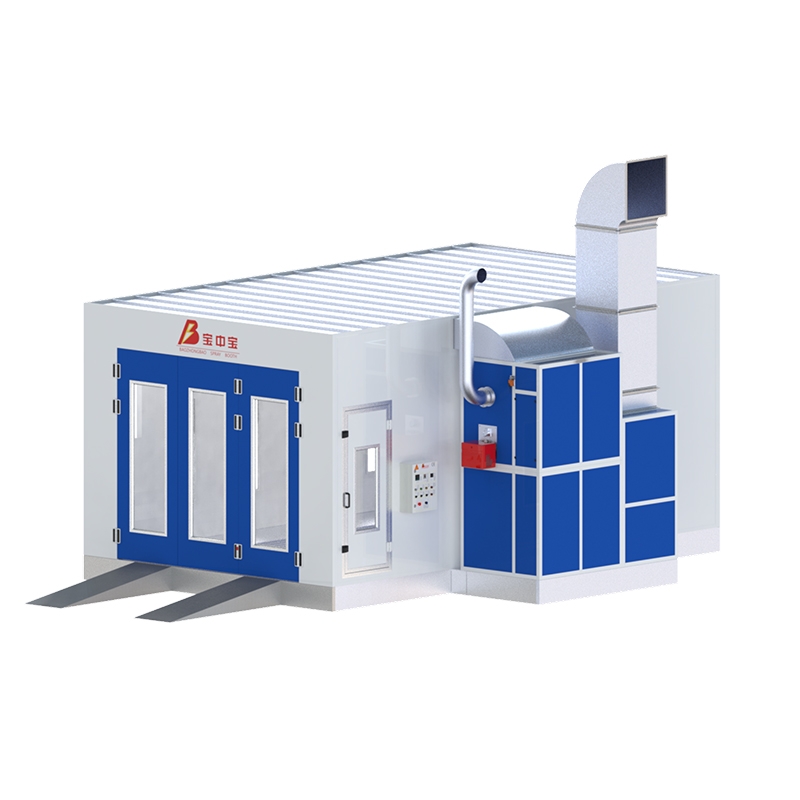
A useful specification describes the complete installation, not only the enclosure. It should identify the intended process, operating conditions, design airflow, exhaust path, filter arrangement, fan and motor, lighting, controls, fire-protection provisions, utilities, and applicable standards. Ask the supplier to state what is included and excluded, including ductwork, make-up air, installation, permits, testing, and commissioning.
- Process and coating: Identify the materials to be sprayed, application method, expected duty cycle, and whether drying or curing equipment is part of the project. Supply current safety data sheets (SDSs) for coatings, thinners, and cleaners to the designer.
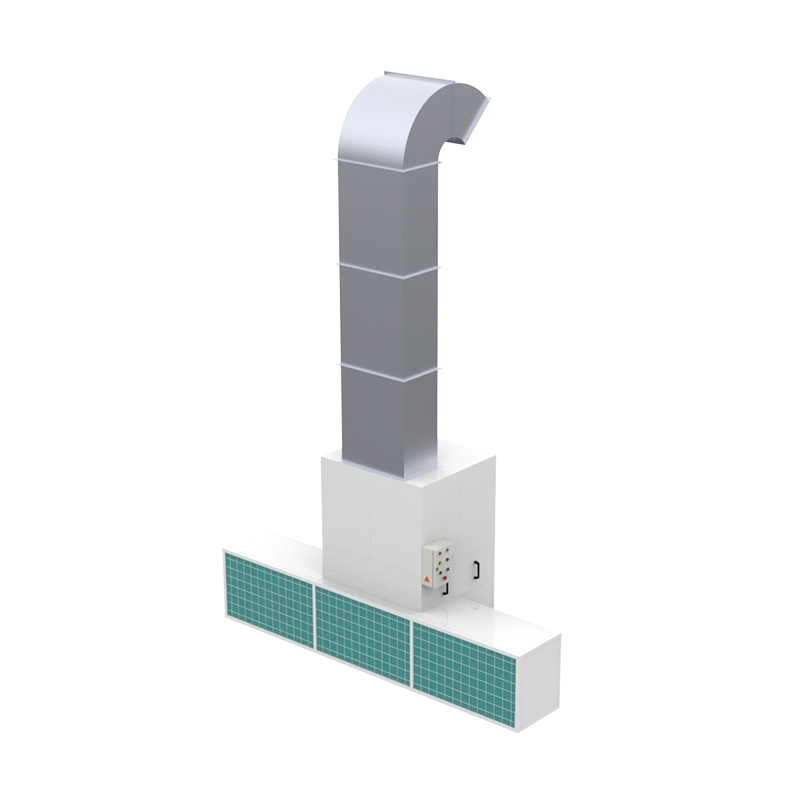
- Booth configuration: Confirm whether the design is crossdraft, semi-downdraft, downdraft, or another arrangement. Ask for a drawing showing airflow direction and the location of supply and exhaust filters.
- Performance: Request design airflow, the specified measurement locations, fan operating point, filter pressure-drop limits, and the commissioning method. A fan nameplate or motor horsepower alone does not establish booth airflow.
- Safety and compliance: Request the code and standard list used for the design, electrical area-classification information, fire-protection scope, and required interlocks. Confirm the applicable editions and local amendments with the AHJ.
- Serviceability: Check access for replacing filters, inspecting fans and ducts, cleaning surfaces, and maintaining fire-protection equipment.
What Standard Spray Booth Specifications Should Cover
Gather the information below before requesting quotations. Incomplete process details can make otherwise comparable bids impossible to assess.
Preparation: Information and Tools for Checking a Standard Spray Booth
- Workpiece dimensions, including the largest item and its method of loading, turning, and unloading.
- Required clearances for the operator, spray gun, hoses, carts, and doors. Mark the planned booth footprint and the routes for moving workpieces.
- Coating and solvent SDSs, application method, expected work schedule, and any special process such as electrostatic spraying.
- Available building details: ceiling height, structural constraints, electrical supply, compressed-air supply, heating or make-up-air provisions, and proposed exhaust discharge location.
- Site jurisdiction, building and fire-code requirements, environmental-permit requirements, and the contact details of the relevant AHJ or permitting office.
- Written scope requirements, including installation, ductwork, controls, testing, operator training, warranty, and maintenance documentation.
Standard Spray Booth information to prepare
For a document review, use a specification comparison sheet, marked-up layout drawing, SDSs, and the applicable code references. For site or commissioning checks, qualified personnel may use a calibrated anemometer or approved airflow instrument, a manometer for pressure measurements, and electrical test instruments suited to the task. Use instruments according to their instructions and the approved test procedure. Do not open energized panels, enter ducts, or test a potentially hazardous atmosphere unless trained, authorized, and following site safety procedures.
Standard Spray Booth inspection tools
Step-by-Step Standard Spray Booth Specification Checks
Tools: SDSs, process description, workpiece list, and a simple production-flow sketch.
Action: Tell each supplier what will be sprayed, how it will be applied, the largest workpiece, and how often the booth will operate. Include cleaning and color-change tasks. Ask the designer to confirm that the proposed booth is suitable for the stated materials and process, and to identify any assumptions.
Parameters: Record workpiece length, width, and height; loading orientation; operator position; coating information; and planned operating schedule. Do not accept a design based only on a generic booth size.
Check: Compare the supplier’s written design basis with your actual process and SDS information. Confirm that the drawing leaves room for safe handling and maintenance.
If it fails: Pause the comparison and send all bidders the same corrected process information. Ask for a revised design basis rather than accepting a verbal assurance that the booth is suitable.
1. Define the process before comparing Standard Spray Booth quotes
Tools: Site measurements, a floor plan, and the supplier’s general-arrangement drawing.
Action: Measure the available footprint and height, then check door openings, columns, overhead services, duct routes, exhaust discharge, and the path used to bring the booth into the building. Review access for filter changes and maintenance as well as access for the workpiece.
Parameters: Compare the drawing’s internal working dimensions—not just outside dimensions—with the largest part and its handling equipment. Confirm any required clearances against the design documents and local requirements rather than assuming a universal clearance.
Check: Overlay the booth drawing on the site plan. Verify that doors can open, the part can be loaded and removed, and service panels remain accessible.
If it fails: Request a revised layout or a site survey. Do not plan to solve a clearance or exhaust-routing conflict after the booth has been delivered.
2. Confirm Standard Spray Booth dimensions and building fit
Tools: Design drawings, fan curve, airflow schedule, filter data, and—during approved commissioning—calibrated airflow instruments and a manometer.
Action: Ask the supplier to state the design airflow and where it will be measured. Review how air moves from the supply side through the work zone and into the exhaust. Check the fan selection against the system resistance, including ductwork and clean and loaded filters. Ask how make-up air is provided and how the system responds as filters load.
Parameters: Request the design airflow, fan operating point, filter pressure-drop information, and the specified face-velocity measurement method where applicable. Face velocity is air speed measured across a defined opening; static pressure is pressure relative to the surrounding air and helps assess system resistance. Neither a motor rating nor a filter’s appearance proves that the installed booth meets its design airflow.
Check: Compare the supplier’s calculations and test plan with the intended booth configuration and the governing rules. In the United States, OSHA 29 CFR 1910.107(b)(5)(ii) states an average air-velocity requirement for the open face of covered spray booths; applicability and exceptions depend on the specific installation. Do not apply a single open-face figure as a universal target for every enclosed booth or jurisdiction. Have the designer and AHJ confirm the applicable criteria. Reference: .
If it fails: Ask for a corrected airflow calculation, fan selection, or duct and make-up-air design. If commissioning measurements miss the approved design criteria, have the installer investigate fan rotation, obstructions, filter condition, dampers, leakage, and system resistance, then retest and document the correction.
3. Verify Standard Spray Booth airflow and exhaust design
Tools: Filter schedule, technical data sheets, booth drawings, and the proposed maintenance instructions.
Action: Identify each filter stage and its function. Confirm the specified filter type, size, installation direction, retention method, and replacement procedure. Ask whether the design includes a pressure indicator or another way to determine when a filter needs attention.
Parameters: Compare the filter specification and pressure-drop limits with the fan design. Ask the supplier to state the permitted replacement type and how filter loading affects airflow. Do not treat a filter efficiency claim as proof of overall booth performance; the complete system and its intended use matter.
Check: Make sure filters are accessible without unsafe workarounds, fit the frames, and can be replaced without bypass gaps. Confirm how used filters must be handled under site rules and applicable waste requirements.
If it fails: Obtain a revised filter schedule and maintenance procedure before ordering. If the selected filter raises system resistance beyond the fan design, request an engineering review rather than substituting a different filter without approval.
4. Check Standard Spray Booth filters and replacement plan
Tools: Code list, electrical drawings, control narrative, SDSs, and fire-protection submittals.
Action: Ask which adopted standards and local code provisions apply. Have a qualified designer identify any hazardous (classified) locations and specify suitable electrical equipment for those locations. Review fire-protection scope, emergency stops, fan and spray interlocks, and the response to a fault or loss of required ventilation.
Parameters: Confirm the specified devices, ratings, locations, and sequence of operation against the approved design and applicable rules. LEL means lower explosive limit; it is a property used in evaluating flammable vapor hazards, not a substitute for an engineered ventilation and fire-safety design. Do not accept a generic claim that a booth is “explosion-proof” without equipment documentation and a classification basis.
Check: Compare the control narrative with the electrical drawings and fire-protection documents. Obtain AHJ review where required, and confirm who supplies, installs, inspects, and maintains each component.
If it fails: Hold the purchase approval until the design team resolves conflicting drawings, missing interlocks, unclear equipment ratings, or unassigned fire-protection scope. Never bypass a safety device to keep production running.
5. Review Standard Spray Booth fire, electrical, and interlock provisions
Tools: A bid-comparison table and the complete technical submittals from each supplier.
Action: Compare each quotation line by line: booth panels, doors, lights, filters, fan and motor, ductwork, make-up air, controls, fire-protection interface, installation, permits, testing, training, and warranty. Ask suppliers to list exclusions and options explicitly.
Parameters: Compare the same internal dimensions, design airflow, filter arrangement, operating assumptions, and included services. Record the specified fan operating point and the stated commissioning deliverables rather than comparing price alone.
Check: Confirm that each bidder has answered the same questions and that every important claim is supported by a drawing, calculation, test procedure, or product document.
If it fails: Issue a clarification request to all bidders or obtain revised bids. Do not treat an omitted item as included.
6. Compare Standard Spray Booth quotations on the same scope
Tools: Approved submittals, commissioning checklist, calibrated instruments, and the agreed test report template.
Action: Agree in writing on the tests to be completed after installation, who performs them, and what records you receive. The plan may address airflow measurements, fan rotation, controls and interlocks, filter installation, lighting, and fire-protection interfaces, as appropriate to the approved design.
Parameters: Use the acceptance values and test locations stated in the approved design and applicable requirements. Do not invent a pass value after installation or rely on an unrecorded visual check.
Check: Require dated results, instrument identification and calibration status where applicable, a list of deficiencies, and evidence that corrections were retested. Train operators on normal operation, alarms, shutdown, and filter maintenance.
If it fails: Keep the system out of service for the affected operation until the responsible professionals assess the issue and document an acceptable correction. Obtain final drawings, manuals, inspection records, and maintenance schedules before closing out the project.
7. Set Standard Spray Booth acceptance and commissioning criteria
Standard Spray Booth Buying Case: Use Evidence, Not an Unverified Testimonial
A named customer story should be included only when its source and measurements can be checked. No independently verifiable buyer record was supplied for this article, so it would be misleading to claim that a particular shop reduced defects, improved production, or achieved a stated airflow result. Instead, use this clearly labeled worked example: a buyer receives two quotes for the same planned paint operation. One lists only booth size and fan motor rating; the other also provides a design airflow basis, fan curve, filter data, layout, code assumptions, and a commissioning plan. The buyer can request the missing documents from the first bidder and compare both proposals on equal evidence. This example illustrates a review method; it is not a report of an actual customer installation.
Common Standard Spray Booth Buying Errors and Fixes
Choosing by outside dimensions alone
Problem: The booth may not provide enough working space once the largest part, operator, and handling equipment are inside.
Fix: Verify internal dimensions on a drawing and check the real loading route, operating position, doors, and maintenance access before ordering.
Using fan horsepower as proof of airflow
Problem: Motor power does not show the airflow delivered at the installed system resistance.
Fix: Request the fan curve and design operating point, then require the agreed commissioning measurements.
Assuming one airflow number applies everywhere
Problem: Airflow criteria depend on booth design, process, adopted rules, and jurisdiction.
Fix: Have the designer identify the exact applicable requirement and measurement method. Treat the OSHA open-face requirement as a US regulatory provision for covered installations, not a universal specification.
Ignoring make-up air and exhaust discharge
Problem: A booth exhaust system needs a suitable air supply and a compliant exhaust arrangement; building pressure and discharge location can affect the installation.
Fix: Include make-up air and duct routing in the design review, and confirm environmental and building requirements with the relevant authorities.
Accepting undocumented safety claims
Problem: Phrases such as “code compliant” or “explosion-proof” are not a substitute for design documents and equipment details.
Fix: Request the applicable code list, area-classification basis, equipment ratings, control sequence, and fire-protection documents for review by qualified professionals.
Leaving commissioning until after delivery
Problem: Without agreed acceptance tests, disputes can arise over whether the installed booth meets the promised performance.
Fix: Include test methods, acceptance criteria, responsibilities, corrective work, and report requirements in the purchase documents.
Questions to Ask a Standard Spray Booth Supplier
- What exact process and coating assumptions were used to size this booth?
- What are the internal working dimensions, design airflow, and specified measurement locations?
- Can you provide the fan curve, system calculation, filter data, and make-up-air details?
- Which codes and standards apply to this design, and which local approvals remain the buyer’s responsibility?
- What electrical classification and equipment documentation apply to the proposed installation?
- What fire-protection devices and interlocks are included, and who supplies and commissions them?
- Which installation, ductwork, testing, training, permits, and maintenance items are excluded from the quote?
- What commissioning records and final documents will be delivered?
When assessing a supplier such as Jingzhongjing Group, apply the same evidence-based questions you would use for any manufacturer: request project-specific drawings, performance documentation, scope details, and commissioning terms. Verify every technical and compliance claim against your process and local approvals rather than relying on brand statements alone.
Summary: Buy a Standard Spray Booth by Verified Specifications
A sound Standard Spray Booth purchase starts with a clear process description, a checked layout, and a documented design basis. Compare airflow, fan performance, filters, electrical and fire-safety provisions, service access, and full project scope. Confirm the applicable rules with qualified professionals and the AHJ, then set commissioning criteria in writing. These checks make it easier to compare proposals, identify missing information, and buy a booth suited to the actual job—with spray booth airflow requirements, exhaust filtration, face velocity, LEL considerations, and static pressure addressed in the proper design context.