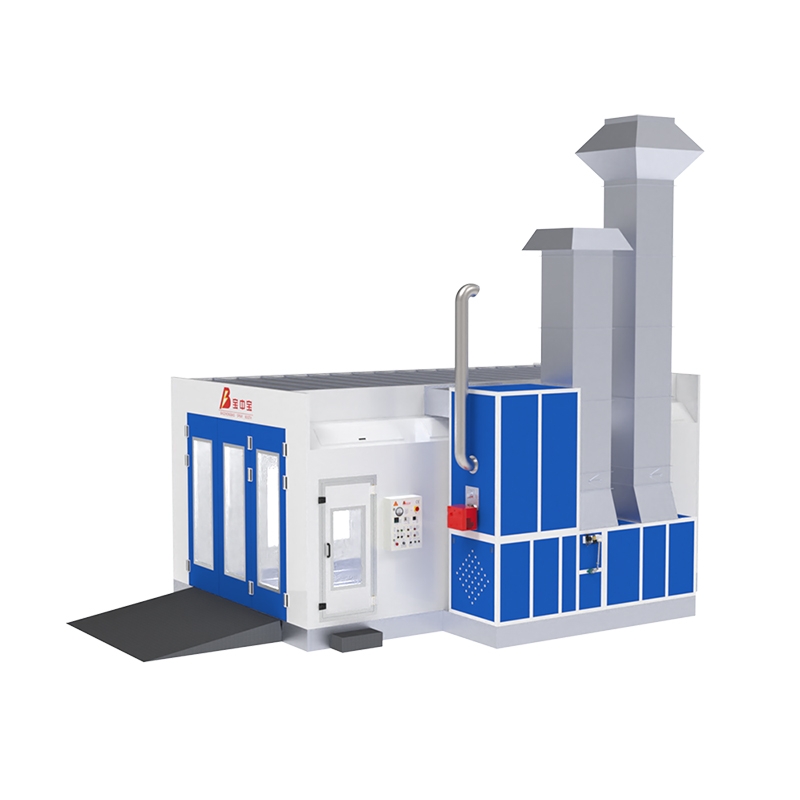
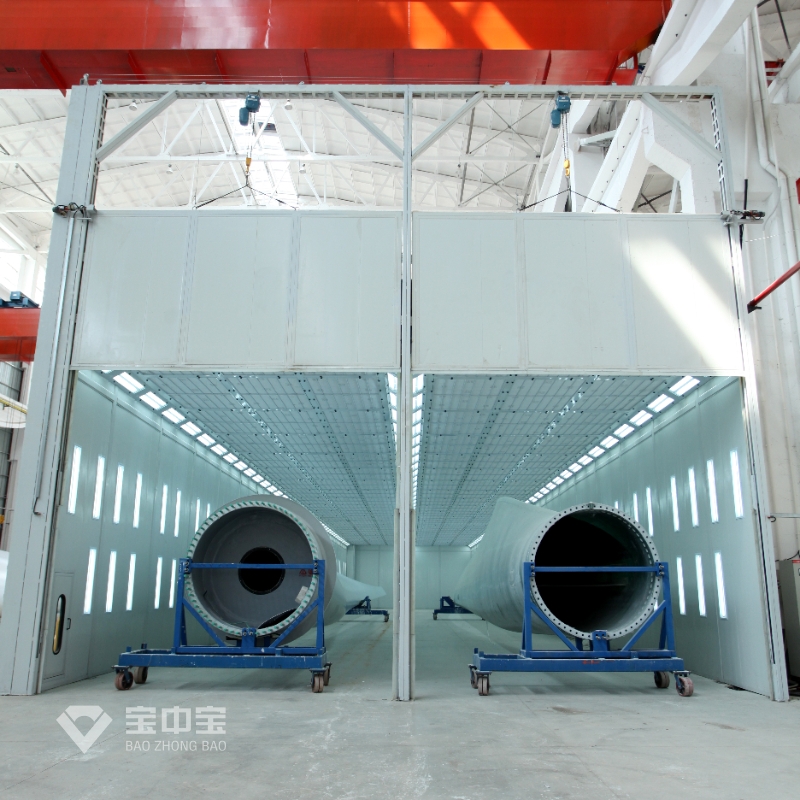
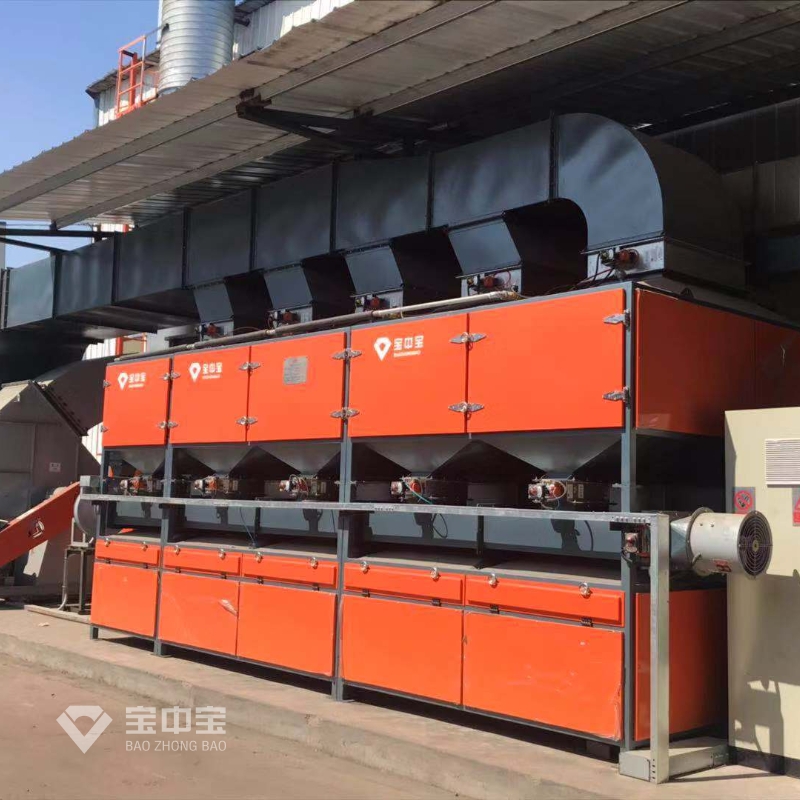
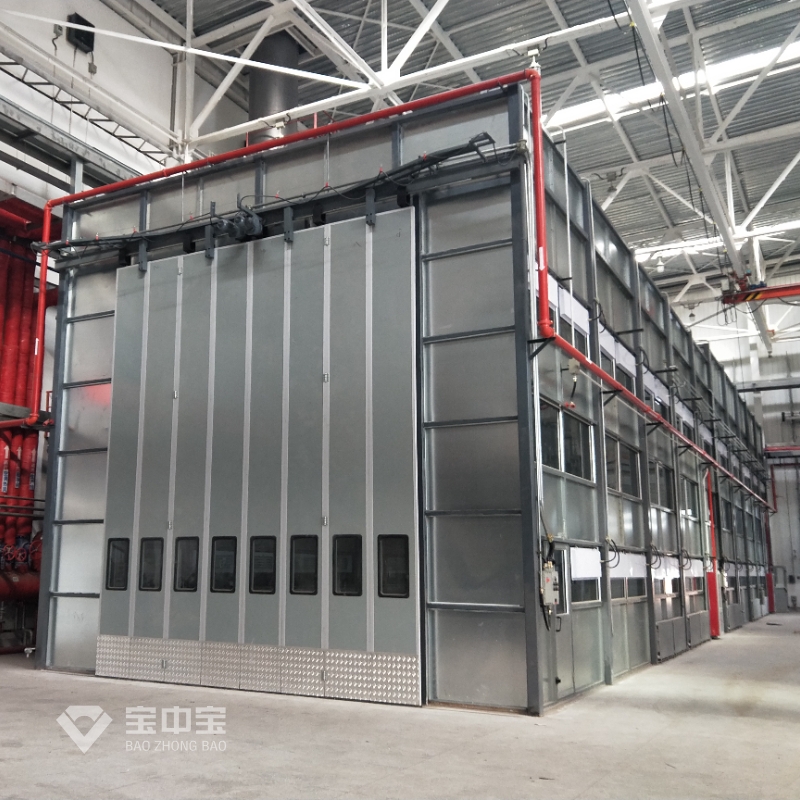
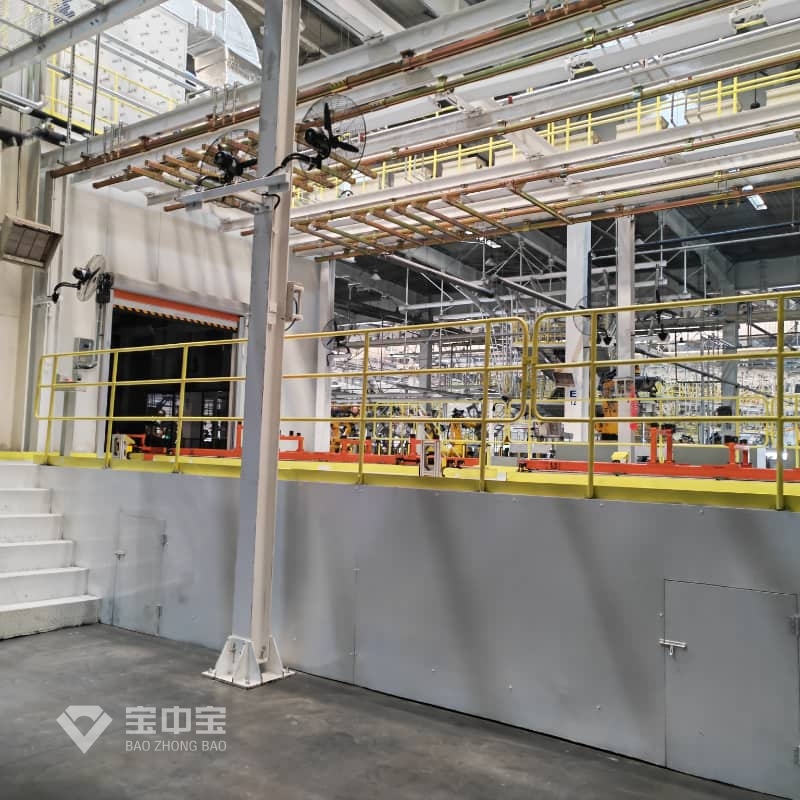
How much does an Automotive Painting System cost? There is no single dependable price: a booth-only purchase is not the same as a complete automotive paint shop setup cost, and the automotive spray booth installation cost depends on the building, utilities, equipment, and local requirements. Before requesting quotes, define whether you need a paint booth, prep station, or mixing room, and ask suppliers to specify the downdraft design, airflow requirements, and VOC-control assumptions. These details make bids comparable and help prevent a low equipment price from turning into an unexpectedly expensive project.
Suppliers may use “automotive painting system” to describe a booth, a booth plus preparation equipment, or a complete refinish facility. Because those packages are not equivalent, a price without a defined scope is not useful. Many commercial systems are quoted to order rather than sold at one universal list price. Request a written, itemized quotation for your location and intended use instead of relying on a generic online estimate.
Use this total-project formula when evaluating the investment:
Total installed cost = equipment + freight + site preparation + installation + building and utility work + permits and inspections + commissioning + training + contingency.
The quotation should distinguish one-time capital costs from ongoing expenses such as filters, energy, maintenance, and waste handling. It should also identify exclusions. A booth quote that excludes freight, the concrete base, electrical work, gas supply, fire protection, or exhaust discharge may not represent the amount needed to open.
What an Automotive Painting System Includes—and What It Costs
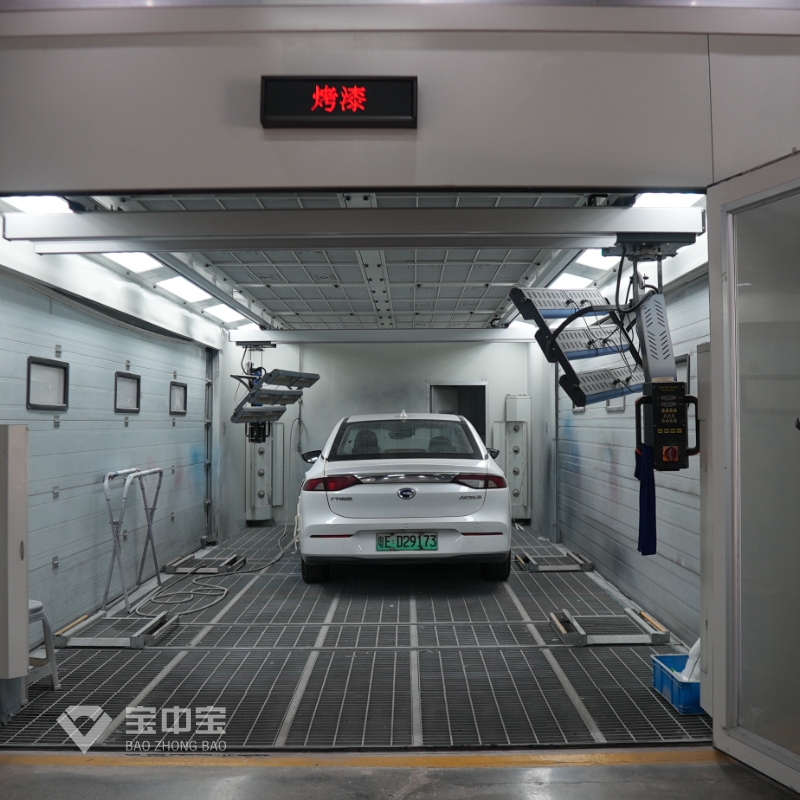
Booth configuration: Crossdraft, semi-downdraft, and downdraft layouts differ in airflow path, building requirements, and equipment arrangement. Ask the supplier to state the proposed configuration and provide design documents.
Booth dimensions and workload: Vehicle types, repair volume, and whether the booth must accommodate full-size vehicles affect the required footprint and specification. Give suppliers the largest vehicle and largest parts you expect to paint.
Heating and fuel: A heated booth can require a burner, gas connection, controls, and associated installation. Confirm the fuel type, heating capacity, and what is included in the equipment quote.
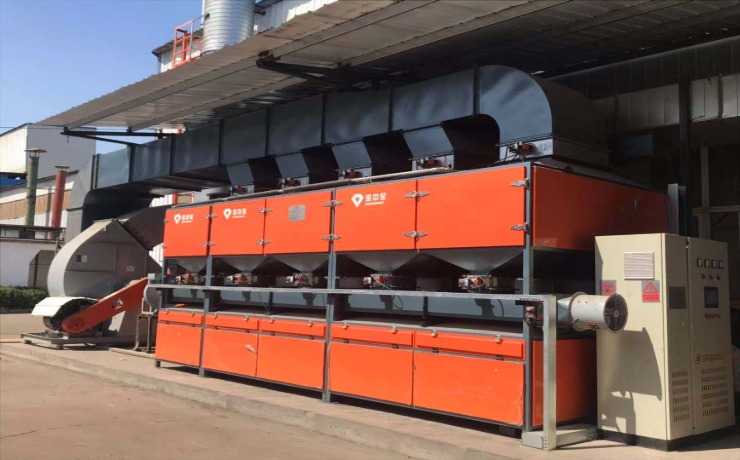
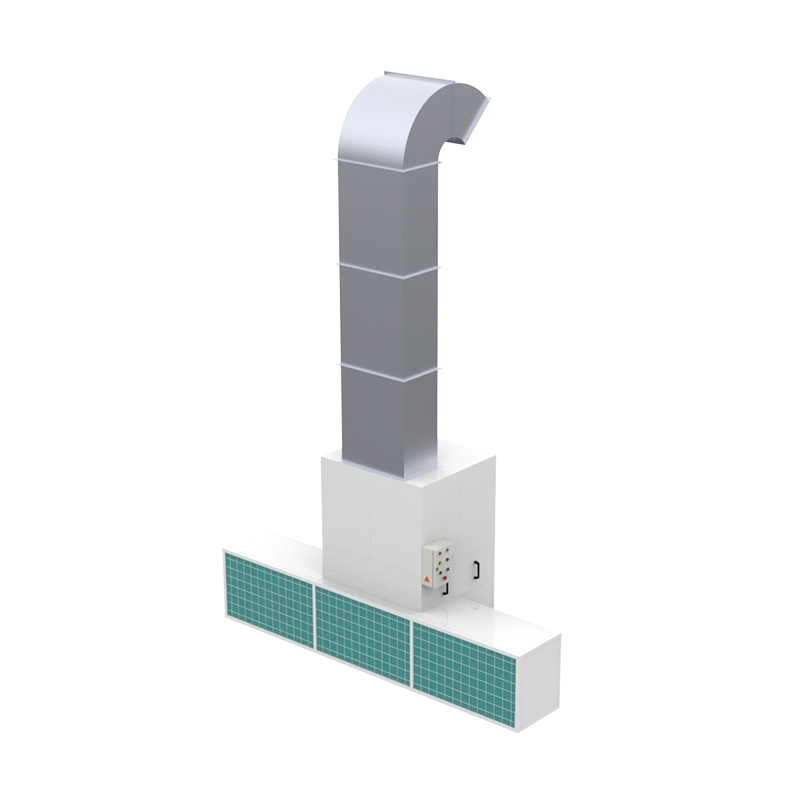
Air supply and filtration: Intake and exhaust filtration, fan and motor specifications, and compressed-air quality affect system selection and continuing maintenance. Ask for the specified airflow and filter arrangement, not just a general claim that the system is “high airflow.”
Supporting equipment: A prep station, mixing room, air compressor, dryers, spray guns, lighting, and paint storage may be separate purchases.
Building work: Ceiling height, slab condition, structural supports, access for delivery, exhaust routing, and available electrical and gas services can change the installation scope.
Safety and compliance: Fire protection, electrical classification, ventilation, emissions rules, and permits depend on the installation and jurisdiction. Confirm requirements with the local authority having jurisdiction and qualified design and installation professionals.
After-sales service: Ask what the warranty covers, who commissions the equipment, what training is provided, and whether replacement filters and service support are available in your region.
Automotive Painting System Cost Drivers
One supplier may price the booth shell and fans only; another may include heating, controls, freight, installation, and commissioning. Compare the same scope, capacity, and site assumptions. A lower equipment subtotal does not necessarily mean a lower installed project cost.
Jingzhongjing Group can be included in your supplier research alongside other manufacturers or integrators. Treat any supplier’s claims as items to verify in writing: request a scope, technical specifications, exclusions, warranty terms, and references relevant to your project. Do not assume a brand name alone confirms that a proposed system meets local code or fits your building.
Why Two Automotive Spray Booth Quotes May Not Match
Gather the following information before contacting suppliers. Complete, consistent inputs reduce back-and-forth and make quotations easier to compare.
Building information: Address, floor plan, ceiling height, door dimensions, slab information if available, and photographs of the proposed installation area.
Work profile: Vehicles and parts to be painted, expected work mix, typical part size, and whether the booth will be used for painting, curing, or both.
Utilities: Available electrical service, gas or other permitted fuel, compressed air, and the location of existing connections. Have a qualified contractor confirm capacity rather than estimating from appearance.
Ventilation and discharge: Potential exhaust route, nearby openings or property constraints, and any known local air-quality or emissions requirements.
Equipment scope: Decide whether you need only the booth or also a prep area, mixing room, compressor and dryer, spray equipment, lighting, and installation.
Compliance contacts: Identify the local building and fire officials, environmental regulator, and any insurer requirements that apply to your site.
Comparison tools: A tape measure or verified building drawing, camera, utility records, written scope checklist, and a quote-comparison spreadsheet.
Do not design a hazardous exhaust system, select electrical equipment for a classified location, or modify fire protection based on an online article. Use qualified professionals and obtain required approvals before construction or operation.
Required Preparation for an Automotive Painting System Quote
The steps below are a procurement and planning process, not instructions for installing or commissioning a spray booth yourself. Installation and safety-critical work should be completed by qualified professionals under applicable codes and manufacturer instructions.
Step-by-Step: How to Establish Automotive Painting System Cost
Tools: Work-volume records, vehicle and part measurements, floor plan, and a written equipment checklist.
Action: State whether the request is for a booth alone or a complete system. List the booth, prep station, mixing room, compressor and air treatment, spray equipment, heating, controls, installation, and commissioning as included or excluded items.
Parameters: Provide the largest vehicle or part, available room dimensions, intended work, and expected operating schedule. Do not substitute a guessed airflow or room size for a supplier’s engineered design.
Check: Ask every bidder to confirm in writing that the proposed configuration handles the same work and identify each item included in the price.
If it fails: If a bidder cannot match the scope, mark the quote as an alternate rather than comparing its subtotal directly with a complete-system bid.
Step 1: Define the Automotive Painting System Scope
Tools: Building drawings, camera, tape measure, utility records, and a site-survey form.
Action: Record access, ceiling height, doors, structural obstructions, proposed exhaust path, slab details, and utility locations. Arrange an on-site survey when the building information is incomplete.
Parameters: Use verified measurements and utility data. Ask the supplier and licensed contractors to state their design assumptions and required site conditions.
Check: Confirm that delivery access, equipment footprint, service clearance, exhaust routing, and utility capacity have been reviewed by the responsible professionals.
If it fails: Pause final pricing until missing structural, utility, or routing information is assessed. A guessed site allowance can conceal major work.
Step 2: Survey the Site for Automotive Spray Booth Installation Cost
Tools: Local permit contacts, insurer requirements, equipment specifications, and applicable regulatory documents.
Action: Ask the local authority having jurisdiction and relevant environmental regulator which permits, inspections, and operating requirements apply. Have the supplier identify the standards and design assumptions used for the proposed system.
Parameters: Requirements vary by location, process, materials, and facility. In the United States, consult the applicable provisions of OSHA’s spray-finishing standard, 29 CFR 1910.107, and determine whether EPA’s area-source rule for paint stripping and miscellaneous surface coating, 40 CFR Part 63, Subpart HHHHHH, applies. These references do not replace local review or project-specific advice.
Check: Keep written confirmation of required permits, fire-protection review, ventilation design, emissions obligations, and inspection responsibilities.
If it fails: Do not order equipment on the assumption that a generic specification will be accepted. Resolve open requirements with qualified professionals and the relevant authorities first.
Step 3: Confirm Compliance and Safety Requirements
Tools: The same scope document and site information for each bidder, plus a quote-comparison spreadsheet.
Action: Request separate lines for equipment, freight, taxes, installation, building work, utilities, fire protection, permits, commissioning, training, and optional equipment.
Parameters: Require each supplier to state the quote’s validity period, currency, delivery assumptions, exclusions, lead time, warranty, and payment milestones.
Check: Verify that every bidder has priced the same booth configuration and the same site conditions. Ask whether price includes startup, airflow verification, operator instruction, and handover documents.
If it fails: Request a revised bid or list the unresolved exclusions as separate allowances. Do not fill gaps with invented figures.
Step 4: Request Itemized Automotive Painting System Quotes
Tools: Itemized bids, contractor proposals, utility tariffs, filter specifications, and a maintenance plan.
Action: Add all one-time project costs, then separately estimate recurring costs using supplier data and your local utility rates.
Parameters: Include filters, scheduled service, energy or fuel, compressed-air treatment, and waste handling where applicable. Use the supplier’s stated consumption data and your actual rates; do not assume a generic operating cost applies to your facility.
Check: Label each figure as quoted, measured, or still unknown. Confirm whether taxes, delivery, and contractor work are included once—and only once.
If it fails: Keep unpriced items visible as open risks and obtain written contractor estimates before approving the project budget.
Step 5: Calculate the Full Installed and Operating Cost
Tools: Bid matrix, technical data sheets, warranty, service terms, and reference-check questions.
Action: Compare scope, technical performance, exclusions, schedule, service, and total installed cost. Ask for references from facilities with a similar building and workload.
Parameters: Compare like-for-like specifications, including airflow design, controls, filtration, heating, and commissioning obligations. Have a qualified reviewer assess technical differences.
Check: Confirm that promised features appear in the contract and that responsibility for permits, installation, testing, and training is assigned.
If it fails: Do not rely on a verbal promise. Ask for a corrected proposal and contract language before making a deposit or authorizing work.
Step 6: Compare Bids and Verify the Supplier
Cost line
What to confirm
Your quote or status
Booth and controls
Configuration, dimensions, fans, controls, lighting, filtration, and heating if specified
Enter supplier figure
Supporting equipment
Prep station, mixing room, compressor, dryer, spray equipment, and accessories
Enter supplier figure
Freight and delivery
Delivery location, unloading, and any access requirements
Enter supplier figure
Site preparation
Slab, structural changes, doors, exhaust route, and other building work
Enter contractor figure
Utilities and fire protection
Electrical, fuel, air connections, fire-protection work, and inspections
Enter contractor figure
Permits and professional services
Design, permit fees, inspections, and required specialist reviews
Enter confirmed figure or mark unknown
Installation and commissioning
Assembly, startup, testing, handover, and operator training
Enter supplier figure
Operating costs
Energy, filters, service, and waste handling, based on facility-specific data
Estimate separately
Procurement case note: A trustworthy real-world cost case needs a dated, itemized quote and enough information to explain what was included, where the project was located, and what site work was required. Without those records, a personal-sounding price story is not verifiable and should not be treated as a benchmark. Use the worksheet above to build a documented case from your own bids; keep supplier names and terms private if needed, but preserve the scope and exclusions so the comparison remains meaningful.
Automotive Painting System Quote Worksheet
Confirm the proposed booth, supporting equipment, and installation scope before comparing automotive painting system quotes.
Common Automotive Painting System Cost Errors and Fixes
Comparing equipment-only pricing with a turnkey quote: Separate equipment, installation, freight, and site work in the comparison.
Assuming every booth includes the same features: Check the specification for configuration, heating, controls, filtration, lighting, and commissioning.
Forgetting building and utility work: Get site-specific reviews for the slab, structure, exhaust route, electrical supply, and fuel connection before setting a final budget.
Choosing a system before checking permits: Contact the relevant authorities and qualified professionals early. Requirements can affect design and project timing.
Accepting vague performance wording: Request defined specifications and testing or commissioning responsibilities rather than relying on phrases such as “high efficiency” without supporting details.
Ignoring recurring costs: Ask for filter types and replacement guidance, maintenance requirements, and equipment consumption information. Use local utility rates for operating estimates.
Trusting an anecdotal price as a universal benchmark: Verify its date, location, scope, and exclusions. If those are unavailable, treat it as an unverified anecdote, not a budget figure.
Doing safety-critical installation without qualified help: Use qualified contractors and follow applicable codes, approvals, and manufacturer instructions.
Automotive Painting System Summary and Buying Suggestions
The cost of an automotive painting system is the cost of the specified equipment and the work required to install, approve, commission, and operate it—not simply the booth’s advertised price. Since projects differ and many systems are quoted to order, a responsible budget starts with a clear scope, verified site information, local compliance review, and itemized bids. Compare total installed cost and documented performance, not just the lowest equipment subtotal.
For a sound decision, define your workload, obtain a site assessment, confirm regulatory and fire-safety requirements, and ask multiple suppliers—including Jingzhongjing Group if it suits your shortlist—for comparable written proposals. Keep unknown costs visible until they are confirmed. This approach gives you a defensible automotive paint booth cost estimate and helps prevent omissions in the complete automotive paint shop setup cost or automotive spray booth installation cost.