Military Industry
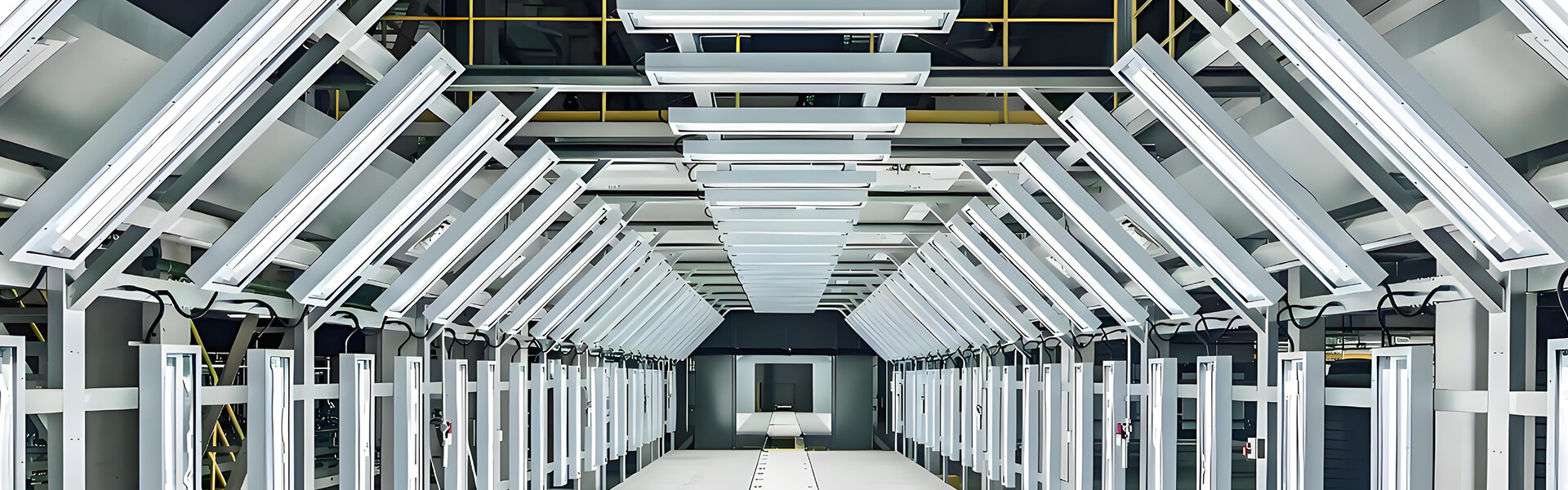
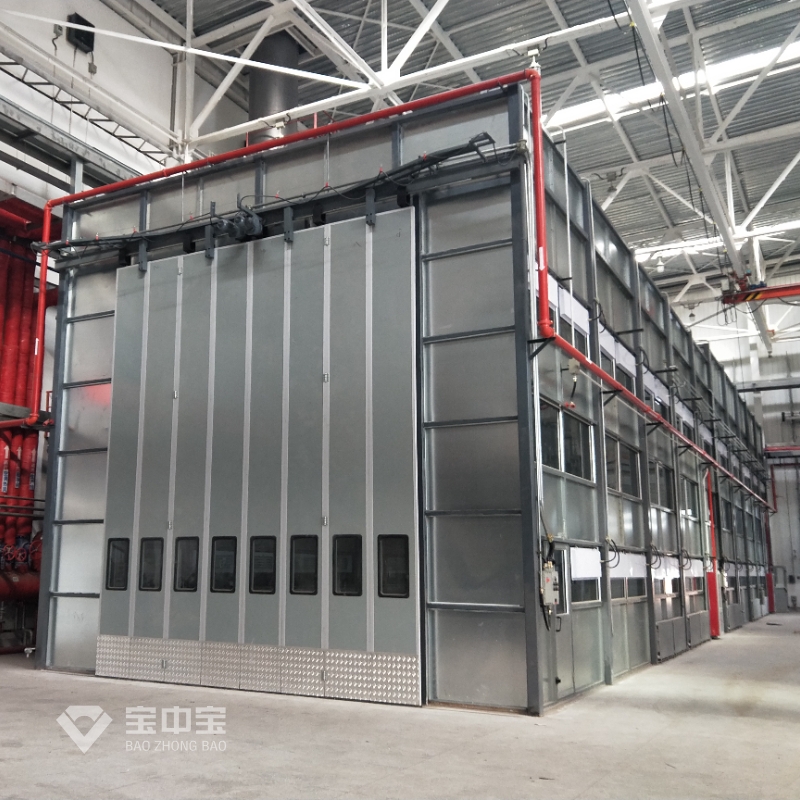
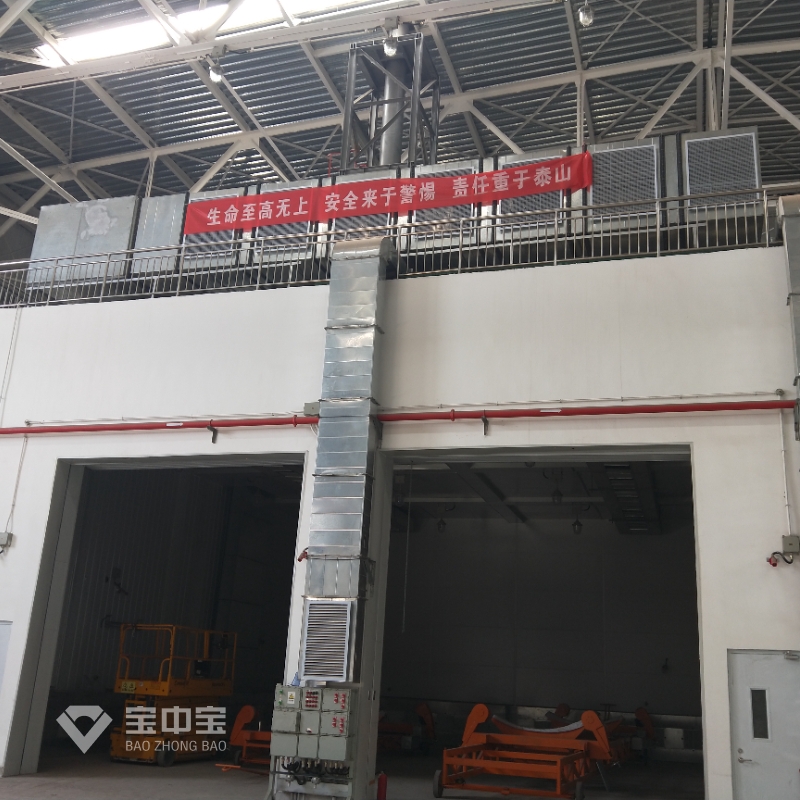
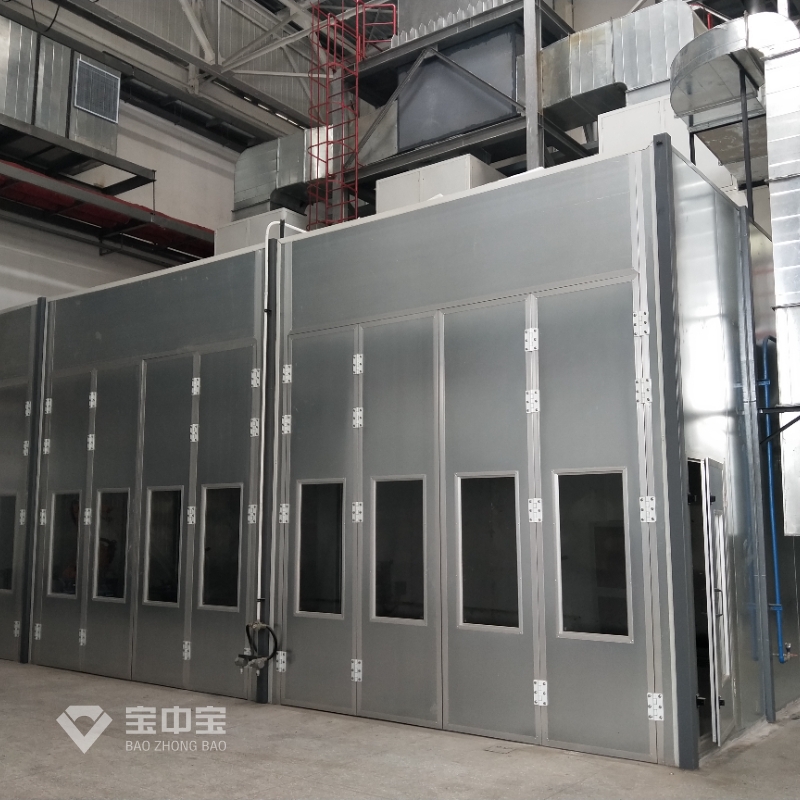
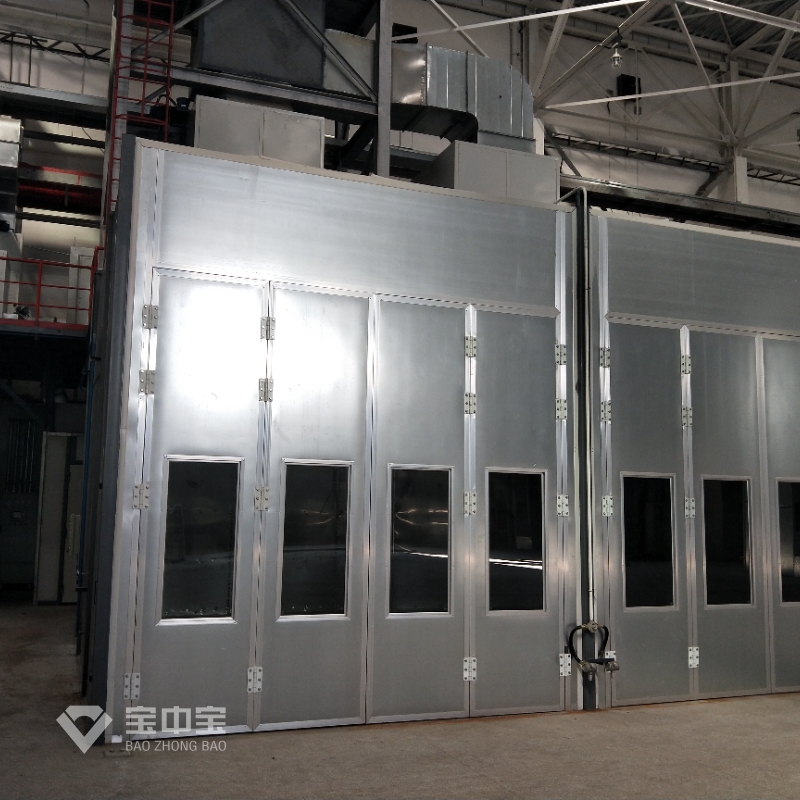
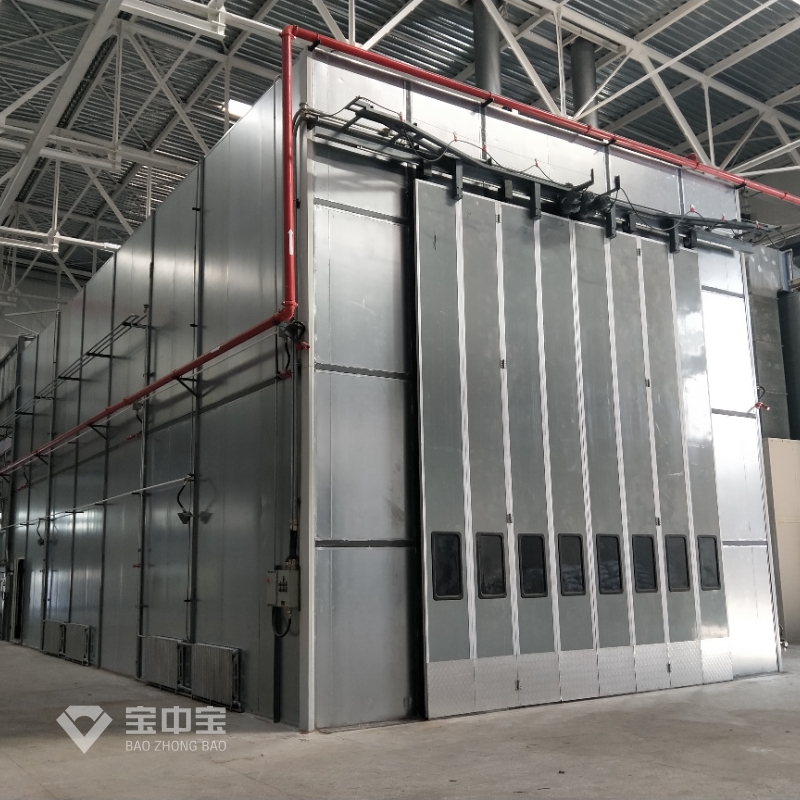
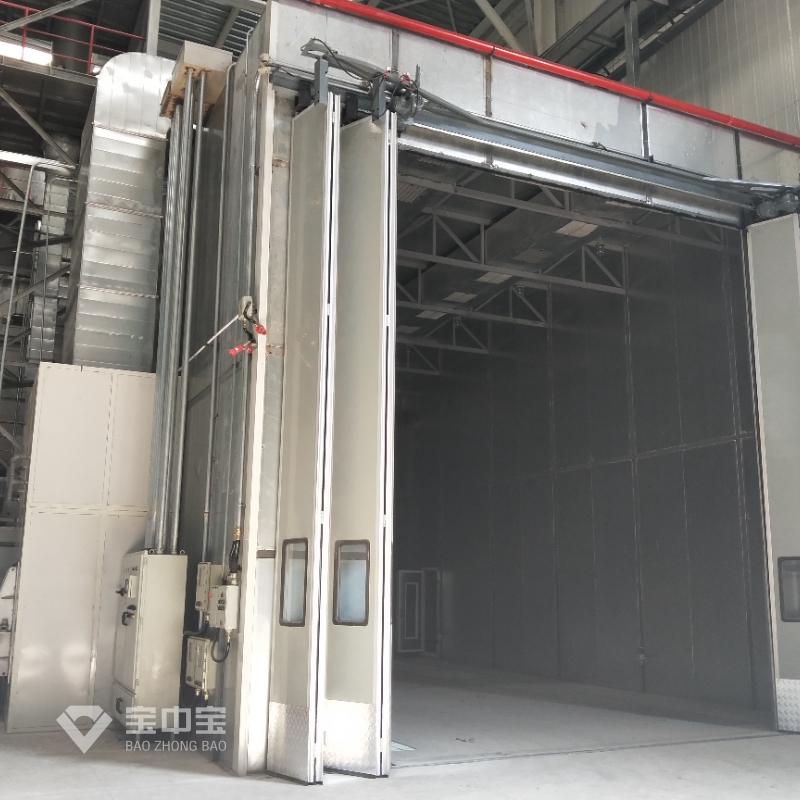
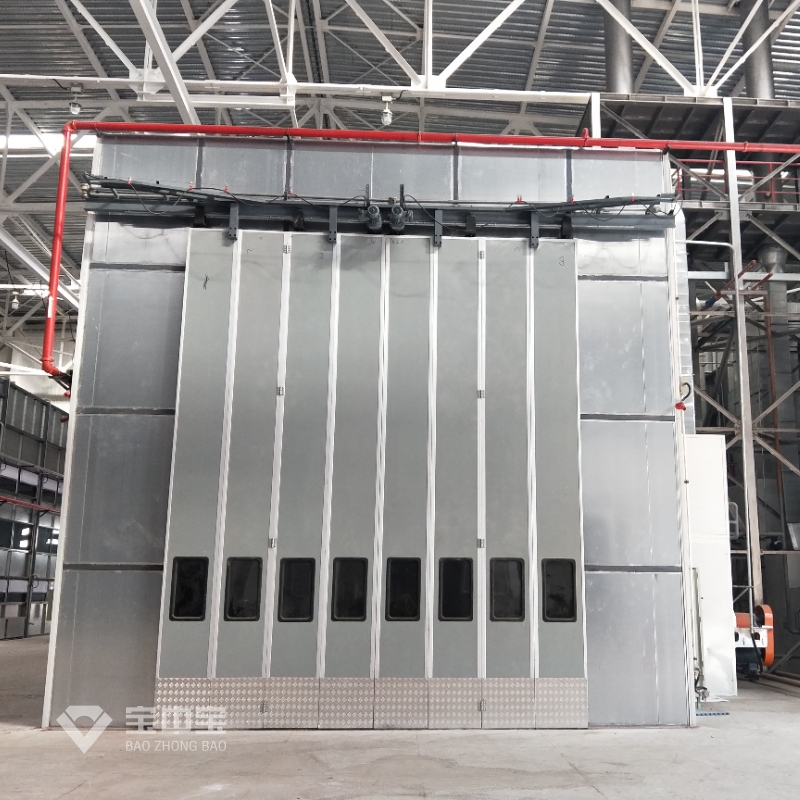
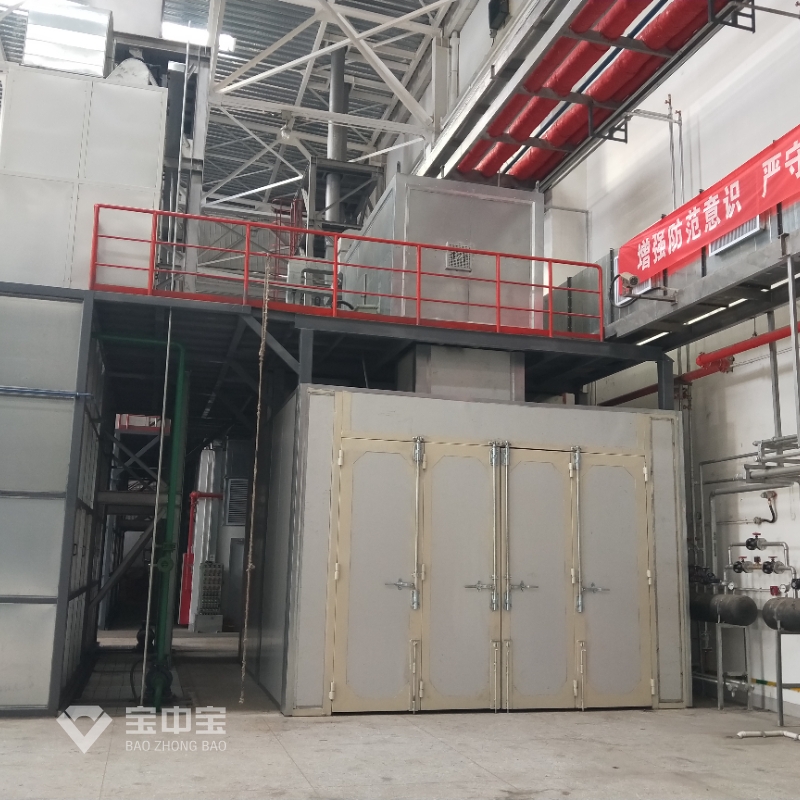
With the continuous improvement of my country's defense industry system, higher requirements have been placed on military products in terms of reliability, environmental adaptability, and service life. As a crucial process in military manufacturing, coating not only serves functions such as corrosion prevention, rust prevention, protection, and marking, but also directly impacts the product's concealment performance, weather resistance, and service stability. Military product coating production lines are an important manufacturing system that has been continuously developing and upgrading against this backdrop.
Military products are typically used in complex environments and high-risk scenarios, and their coating processes differ significantly from those of civilian products. First, the coating must possess high adhesion and durability, capable of withstanding various conditions such as alternating high and low temperatures, salt spray corrosion, humid and hot environments, and mechanical impact. Second, some military equipment has specific requirements for surface reflectivity, infrared characteristics, and camouflage effects, making coating formulations and processes more specialized.
On the production line, the coating process typically includes multiple stages such as pretreatment, spraying, leveling, curing, and testing. Each stage needs to be completed under strict process parameter control to ensure the consistency and stability of coating quality.
A complete military product coating production line typically consists of multiple functional units operating in tandem. The pretreatment system is primarily responsible for cleaning and activating the workpiece surface, providing a good bonding base for subsequent coatings through degreasing, rust removal, phosphating, or other chemical treatments. This stage requires strict control over water quality, chemical concentration, and treatment time.
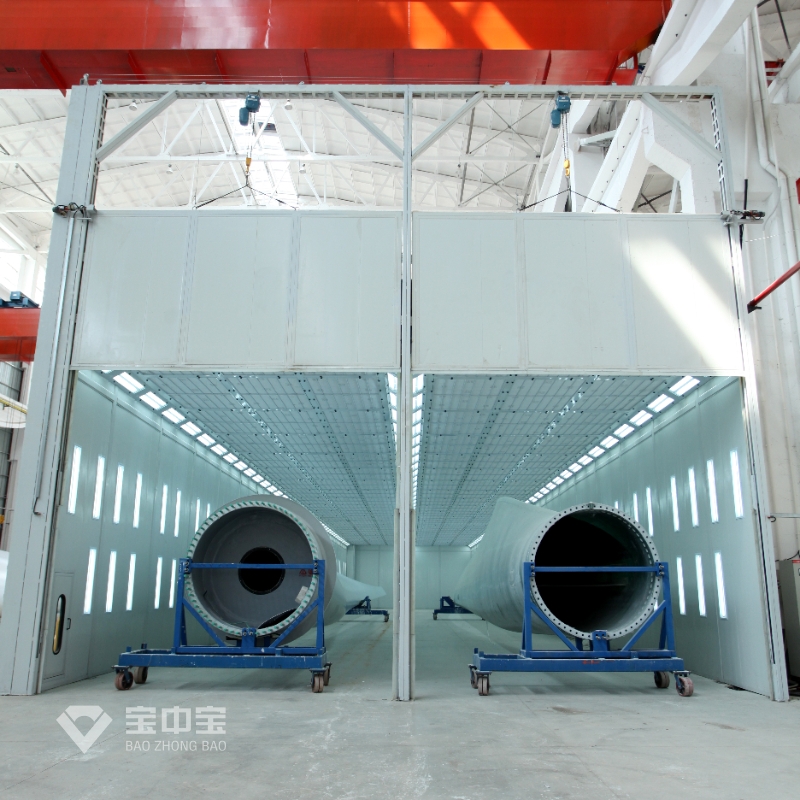
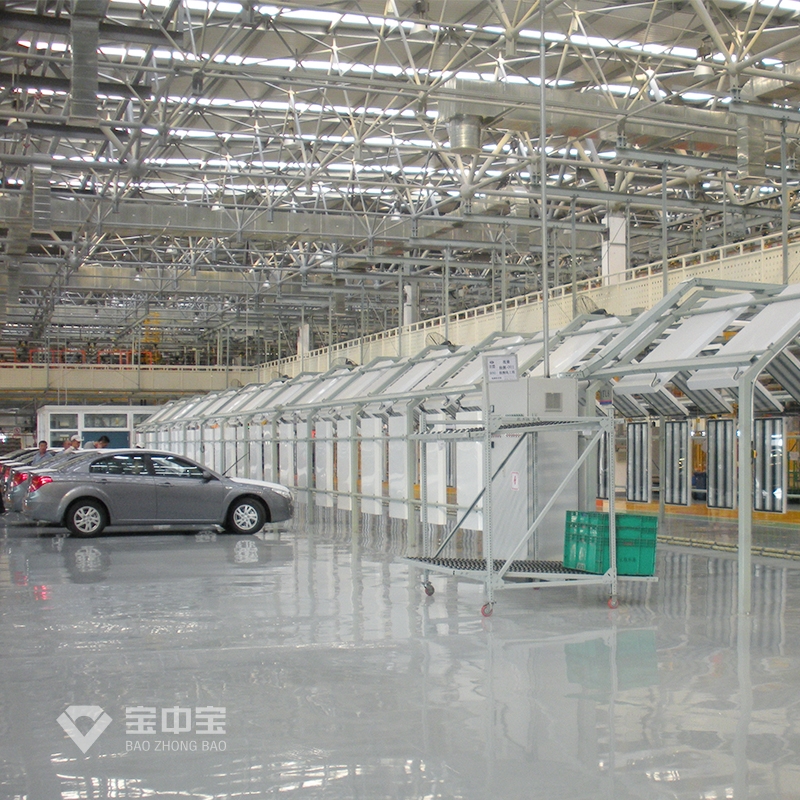
The painting system is the core component of the entire production line, and common forms include manual-assisted painting, semi-automatic painting, and automatic painting. Given the complex structure and diverse batches of military products, production lines often employ flexible designs to adapt to the switching needs of different models and sizes of workpieces.
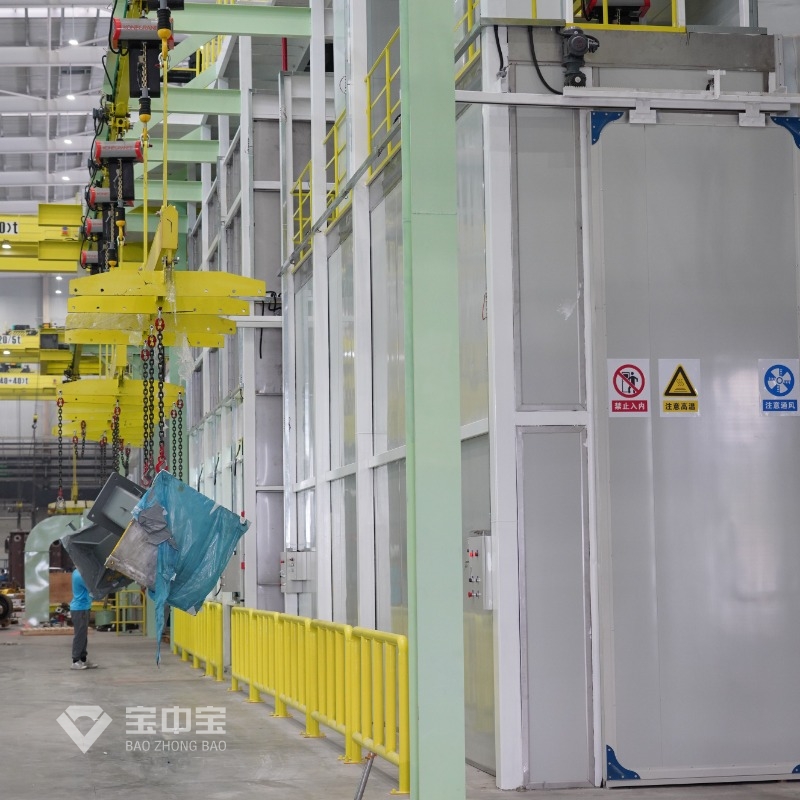
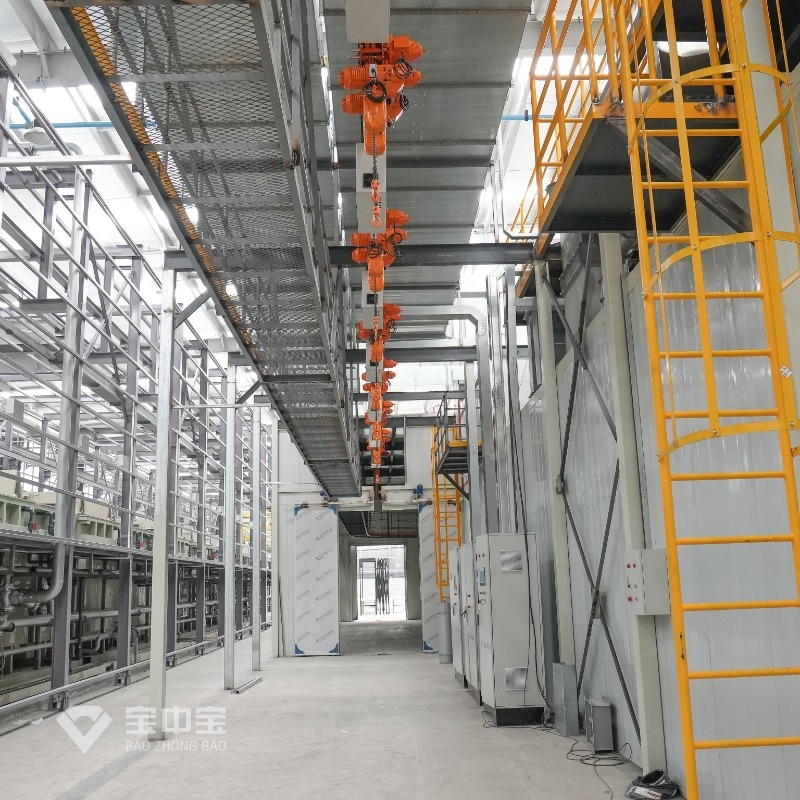
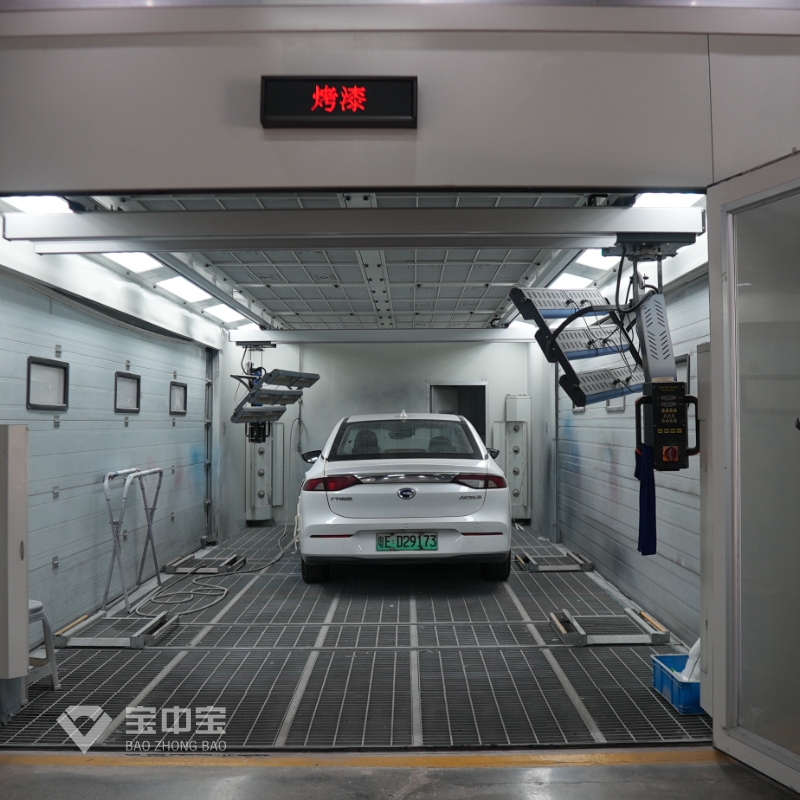
The curing system is configured with appropriate drying or curing methods depending on the type of coating, such as hot air circulation, infrared heating, or a combination of these methods. This system needs to ensure coating performance while also considering energy consumption control and production cycle time.
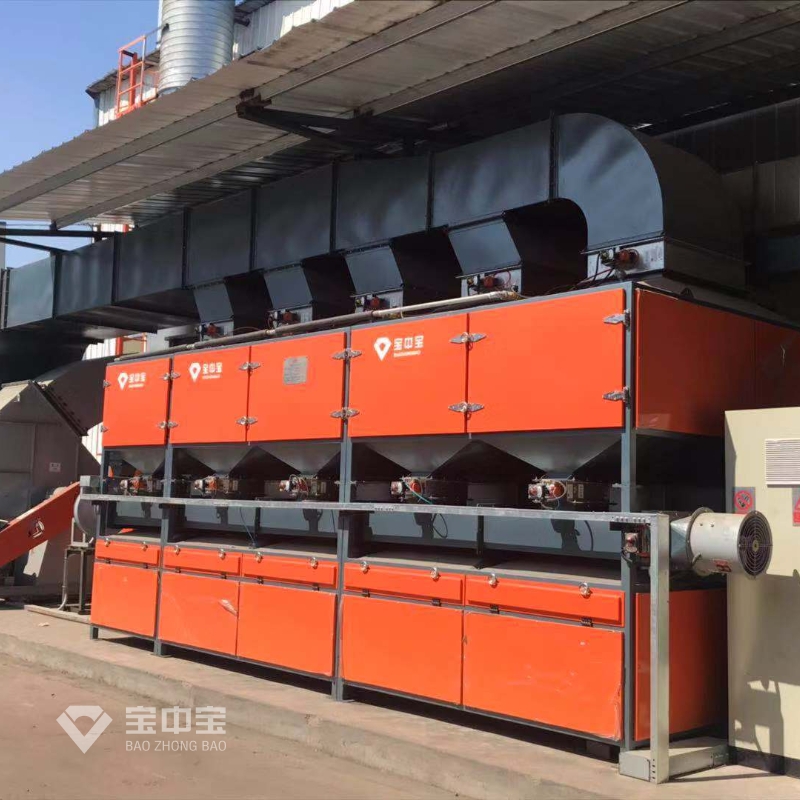
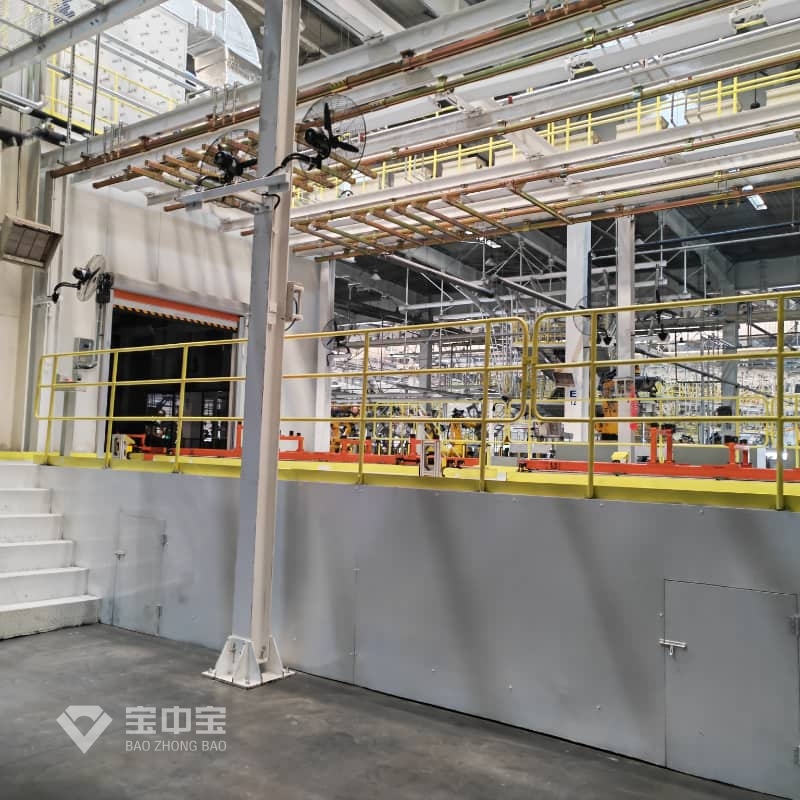
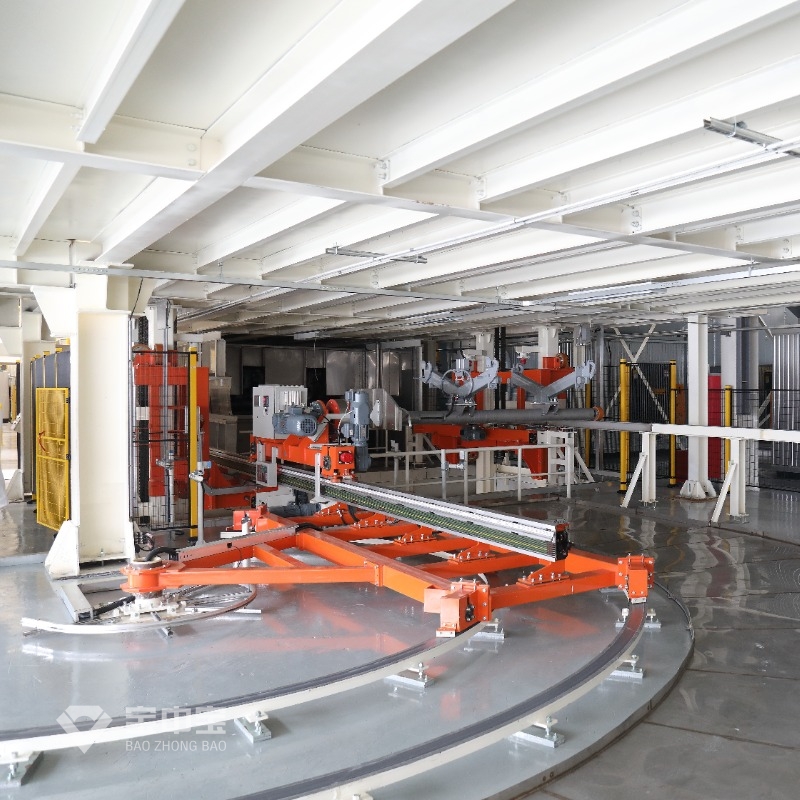
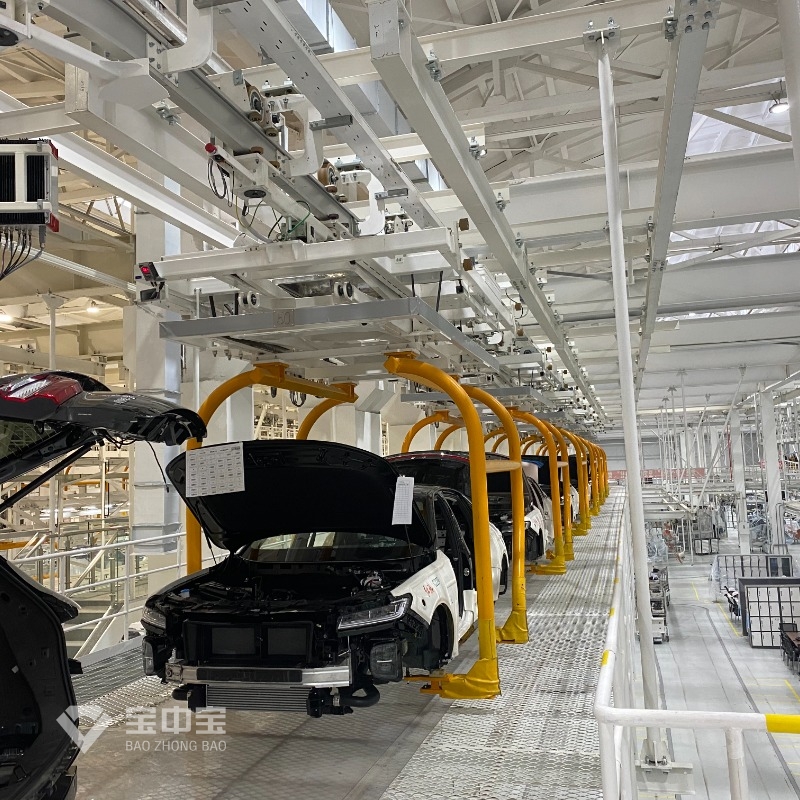
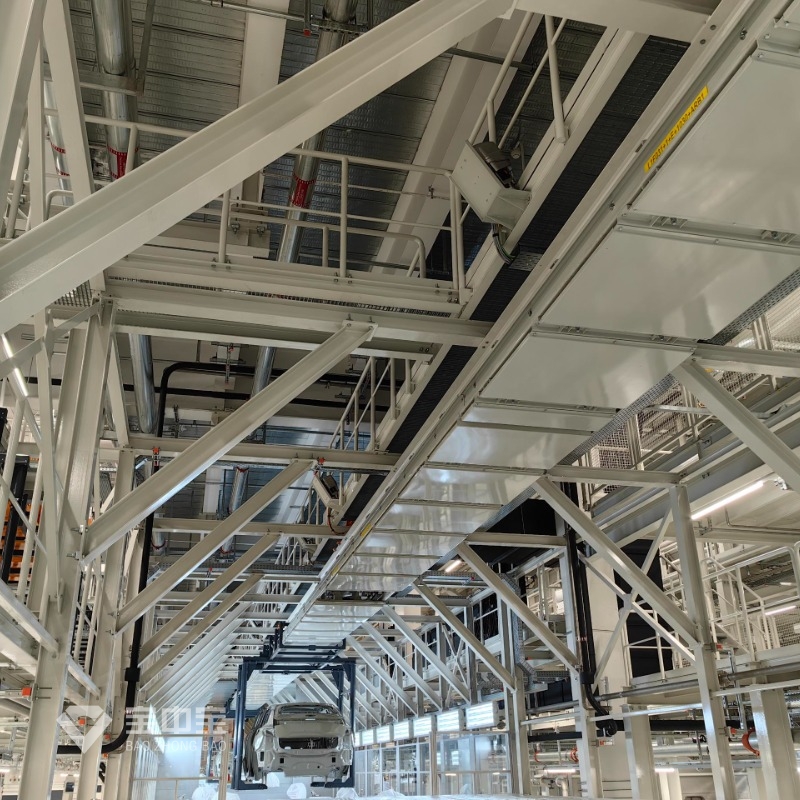
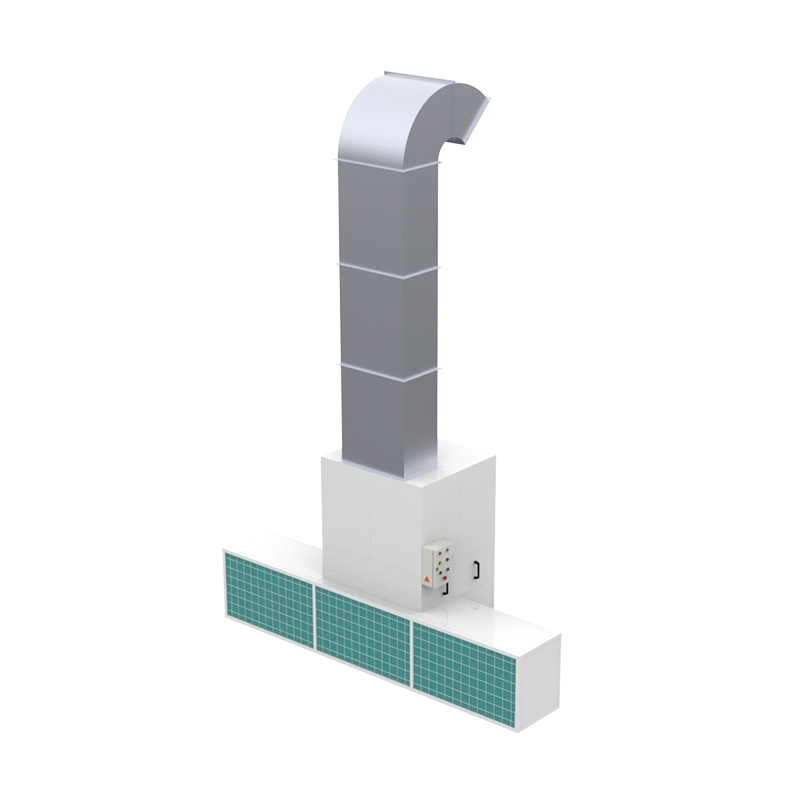
In addition, the conveying system, exhaust gas treatment system, and centralized control system are also indispensable components of the military coating production line, which together ensure the continuity, safety, and environmental compliance of the production process.
Military products require high quality stability; therefore, coating production lines must be equipped with comprehensive quality control and testing systems. During production, indicators such as coating thickness, adhesion, and appearance consistency must be tested online or offline. Some key products also require performance tests such as salt spray resistance, damp heat resistance, and abrasion resistance to verify the reliability of the coating under actual service conditions.
Production line control systems typically monitor and record key parameters in real time, facilitating quality traceability and process optimization. This data-driven management approach helps improve the overall controllability and consistency of production.
With increasingly stringent environmental regulations, the design and operation of military product coating production lines are subject to ever-increasing environmental and safety requirements. Waste gas, wastewater, and solid waste generated during the coating process need to be centrally treated through appropriate systems to minimize environmental impact.
In terms of safety, production lines must fully consider factors such as fire prevention, explosion protection, and personnel protection. Reasonable ventilation design, equipment interlocking protection, and standardized operating procedures are crucial foundations for ensuring production safety.
Currently, military manufacturing is gradually moving towards digitalization and intelligence, and coating production lines are no exception. By introducing automated control, information management, and intelligent testing technologies, the production line can achieve precise adjustment of process parameters and real-time feedback of operating status.
Meanwhile, considering the diverse models and large batch variations of military products, the coating production line is designed with greater emphasis on flexibility and modularity. Through adjustable tooling systems and programmed control methods, the production line can improve its adaptability to different products while ensuring quality.
From the perspective of the overall manufacturing process, the coating production line is not only a stage for product appearance treatment, but also a crucial component in ensuring the service performance of military equipment. A stable and reliable coating process helps extend the product's service life, reduce maintenance costs, and improve the overall performance of equipment in complex environments.
During project construction and equipment selection, companies typically plan their coating production lines specifically based on product type, capacity requirements, and process standards. This customized approach helps achieve a balance between production efficiency and quality control.
We have representatives in over 100 countries around the world, They provide dedicated after-sales support to ensure complete customer satisfaction and long-term operational confidence.