Conveying Equipment
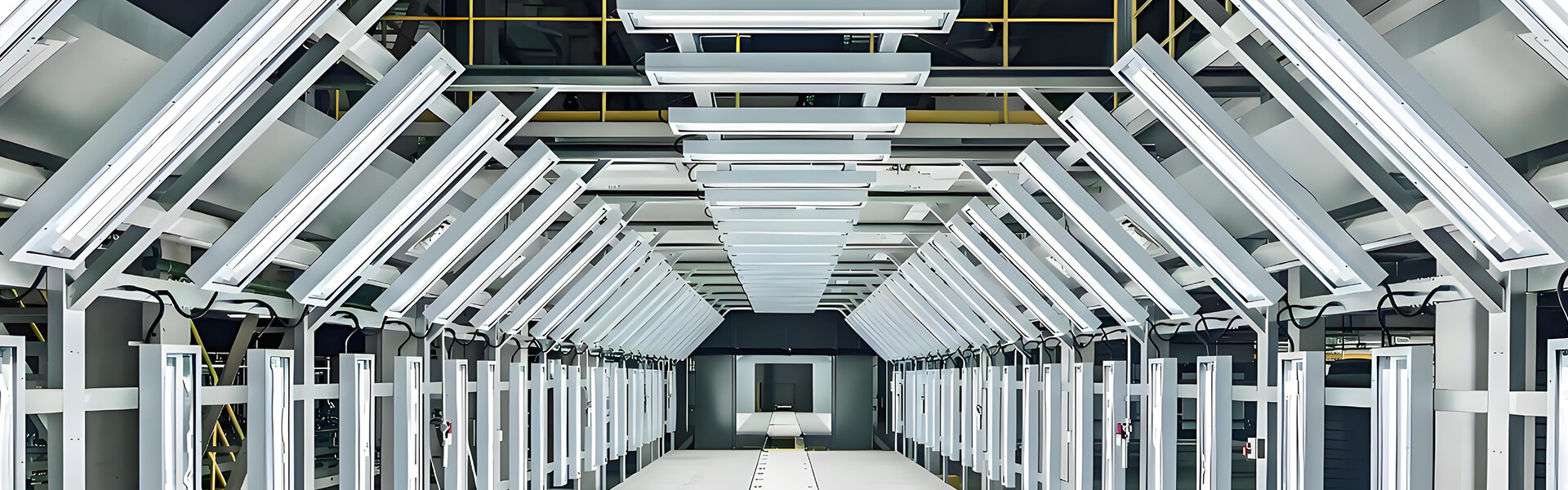
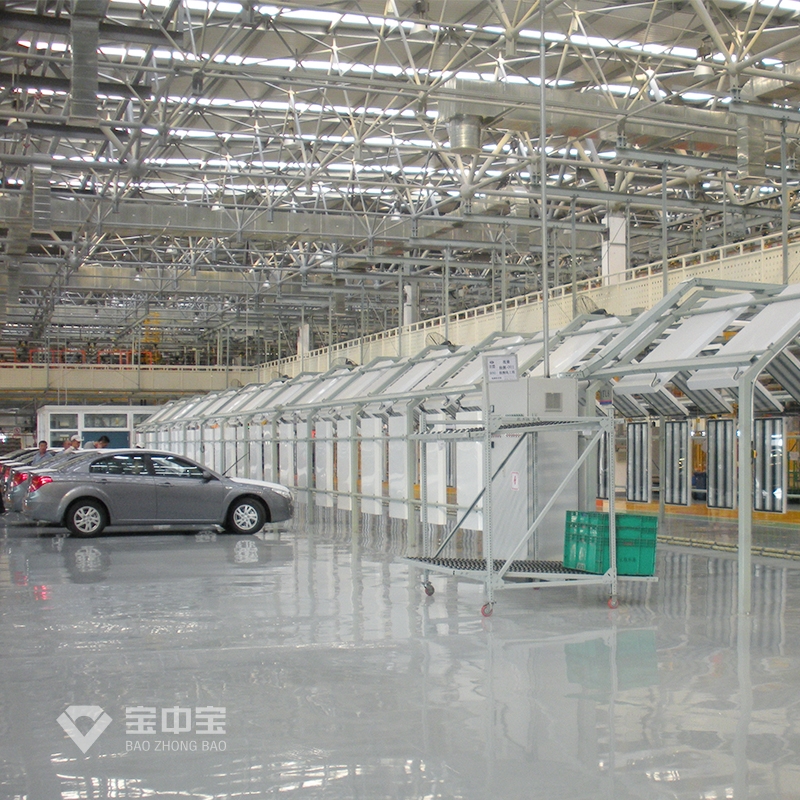
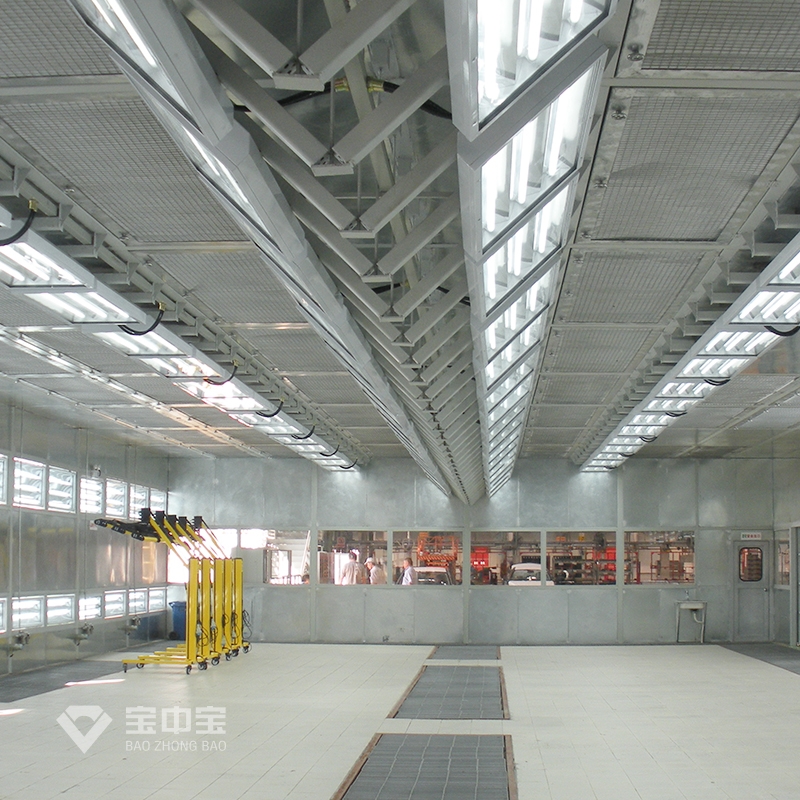
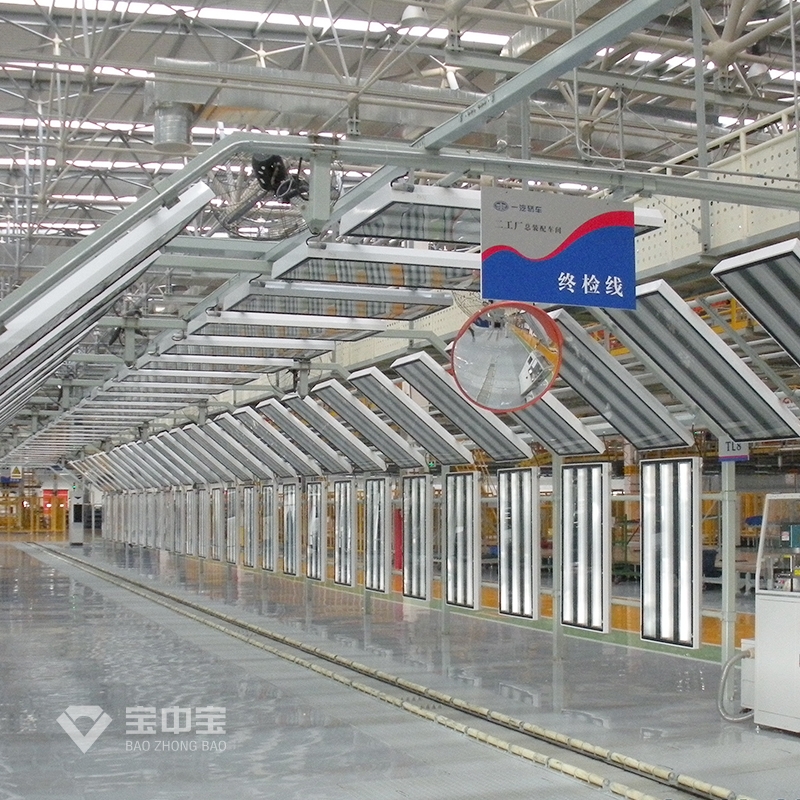
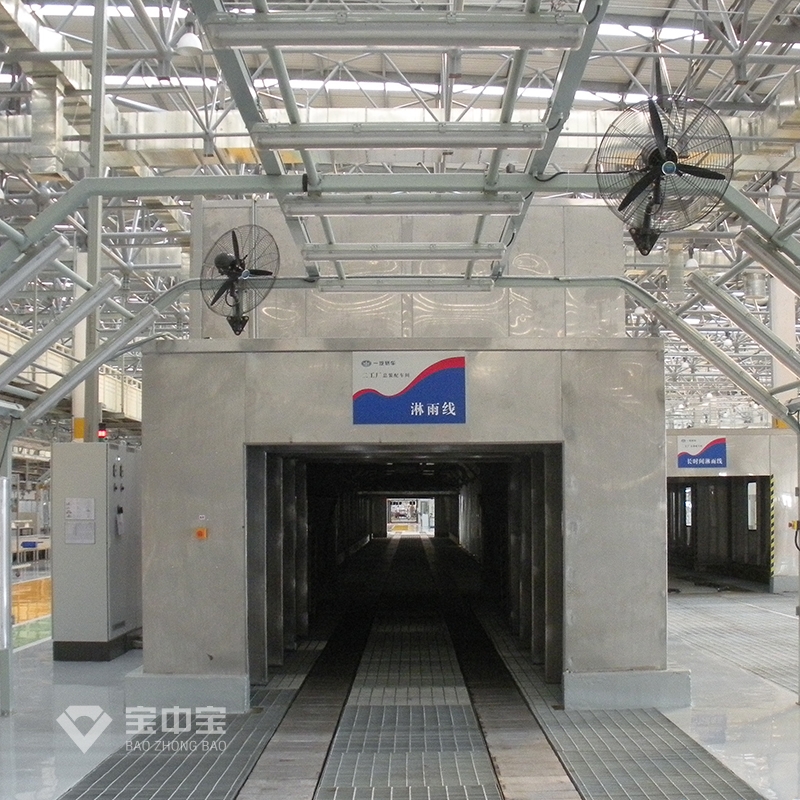
With the rapid development of the automotive industry, the painting quality of vehicle components directly affects the aesthetics, durability, and market competitiveness of the entire vehicle. Traditional manual painting methods suffer from low efficiency, poor coating uniformity, and high labor intensity. Therefore, automated painting production lines for vehicle components have gradually become a focus of industry attention. Automated painting production lines can achieve stable and consistent painting quality through precise control, while improving production efficiency and reducing resource waste.
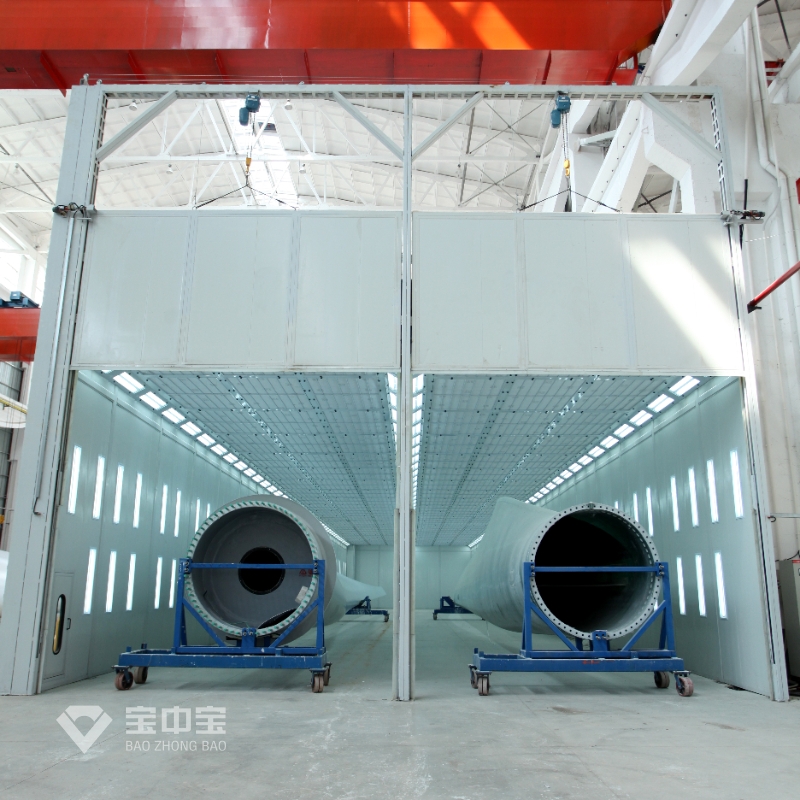
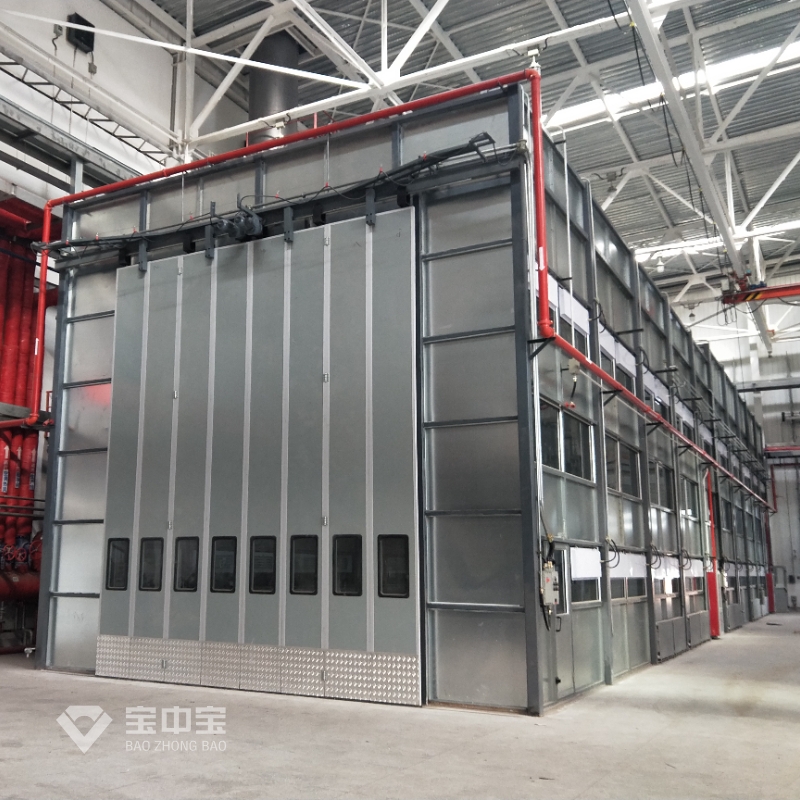
The automated painting production line for vehicle parts is mainly suitable for surface treatment of metal or plastic parts such as automotive interior and exterior trim, engine housings, chassis parts, door panels, and dashboards. It integrates processes such as surface cleaning, primer spraying, intermediate coating, topcoat spraying, and drying and curing. The intelligent control system completes the automated operation, reducing human intervention and improving the reliability and consistency of production.
An automated painting production line for vehicle parts typically includes the following core components:
1. Pretreatment System
The pretreatment system is a crucial step in the coating process. Its main purpose is to remove oil, dust, and oxide layers from the surface of parts, enhancing coating adhesion. Common pretreatment methods include spray cleaning, acid washing, alkaline washing, and electrochemical treatment. Automated pretreatment ensures that each part's surface is uniform and clean, providing a good foundation for subsequent spraying.
2. Automated Spraying System The
automated spraying system is the core component of the entire production line, including a spraying robot, spray guns, spraying tracks, and a control system. The spraying robot can automatically adjust the spray gun angle and spraying speed according to the geometry of the parts and the spraying requirements, achieving precise coating coverage. Modern spraying systems can also be equipped with high-pressure airless spraying or electrostatic spraying technologies to improve paint utilization while reducing environmental pollution.
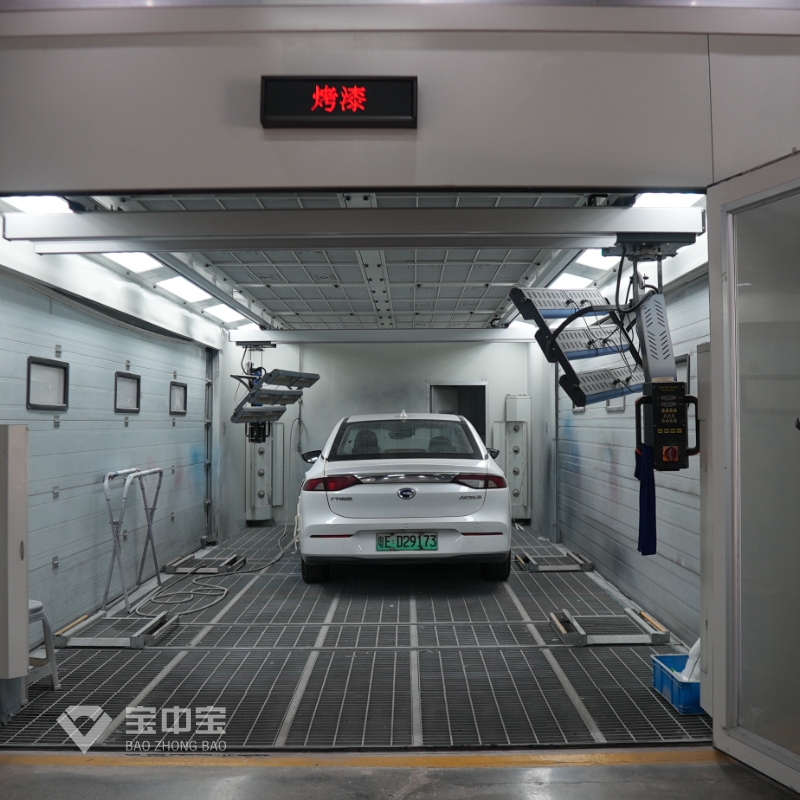
3. Drying and Curing System:
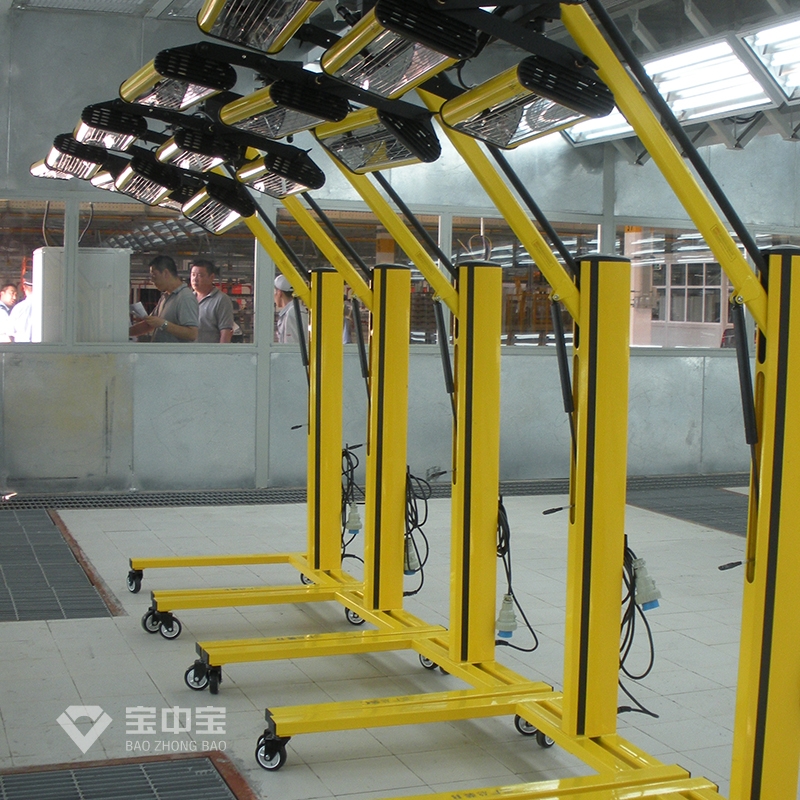
After coating application, components need to be dried or cured to ensure the coating is tough, wear-resistant, and corrosion-resistant. Drying systems typically employ methods such as infrared heating, hot air circulation, or ultraviolet curing. Automated drying equipment can intelligently adjust temperature and baking time according to coating thickness and coating type, ensuring consistent coating results.
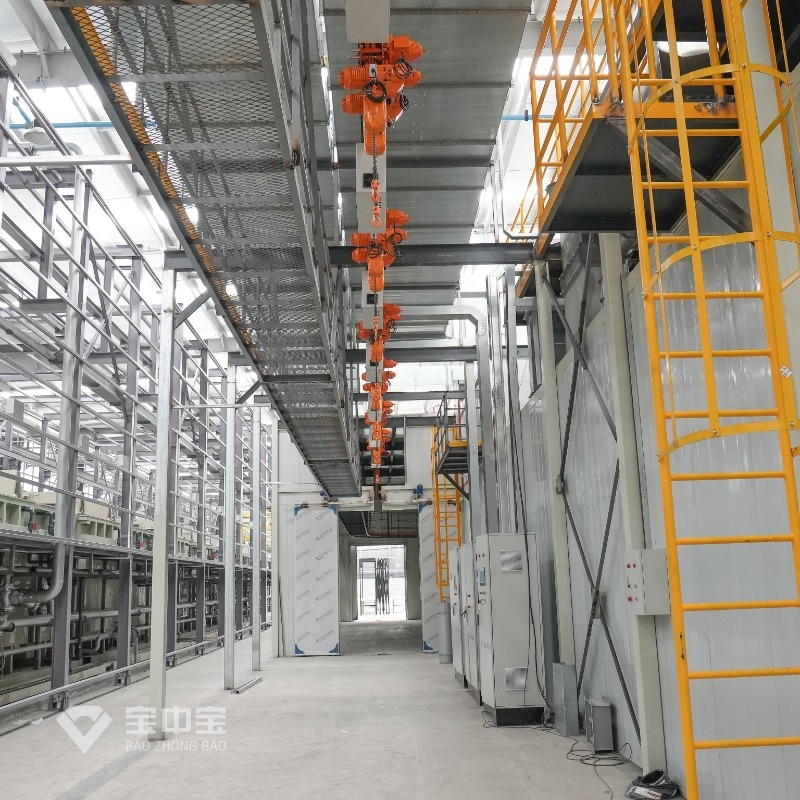
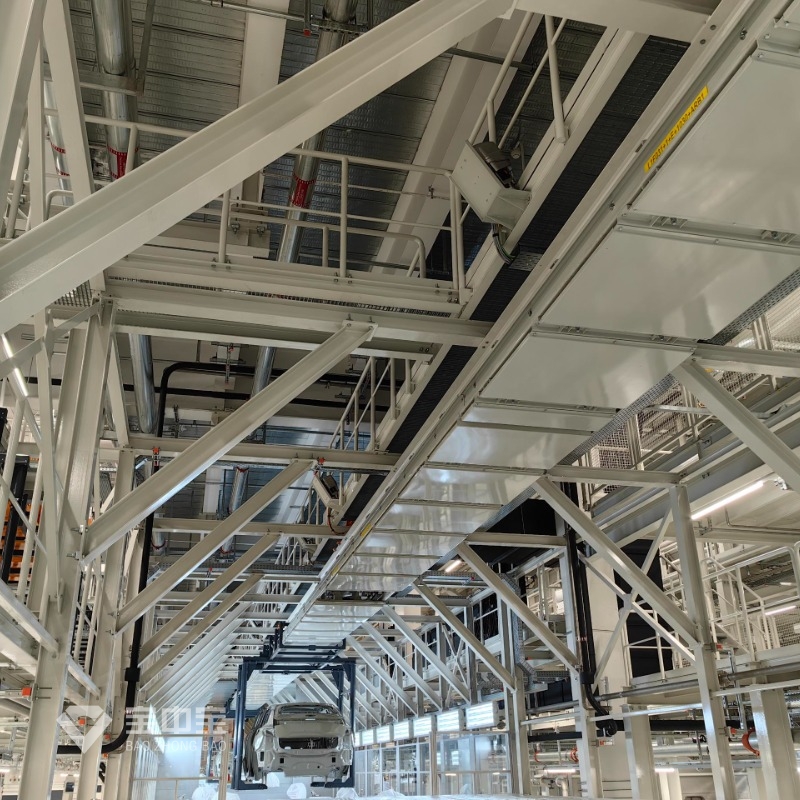
4. Conveying and Positioning System
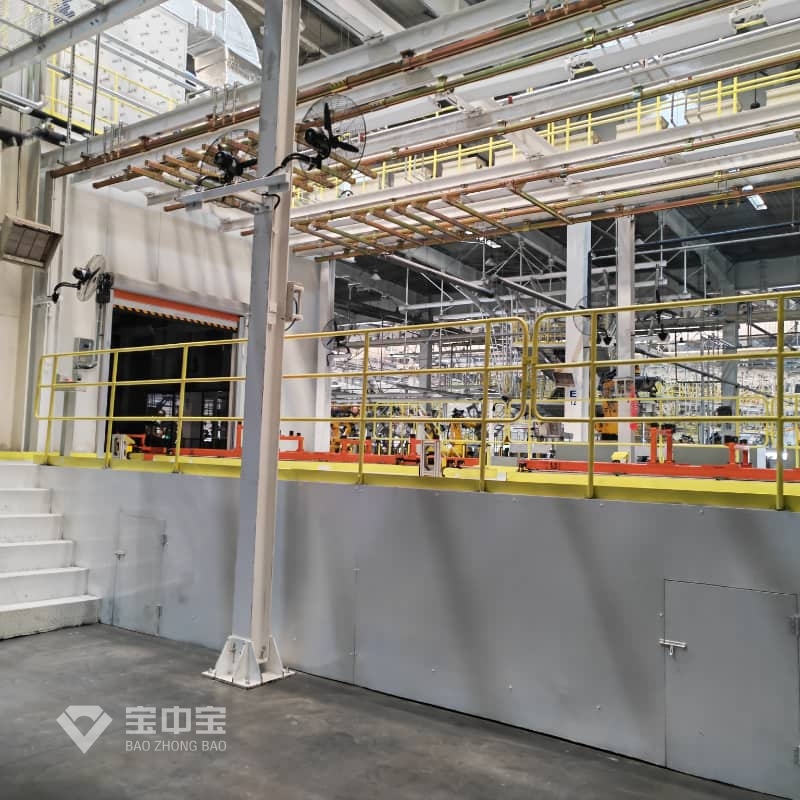
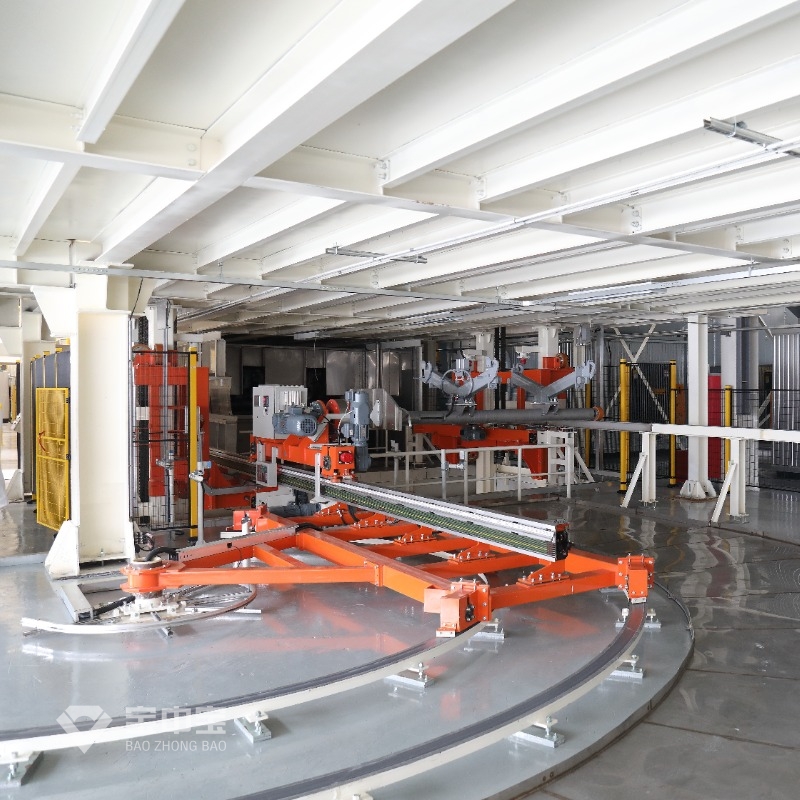
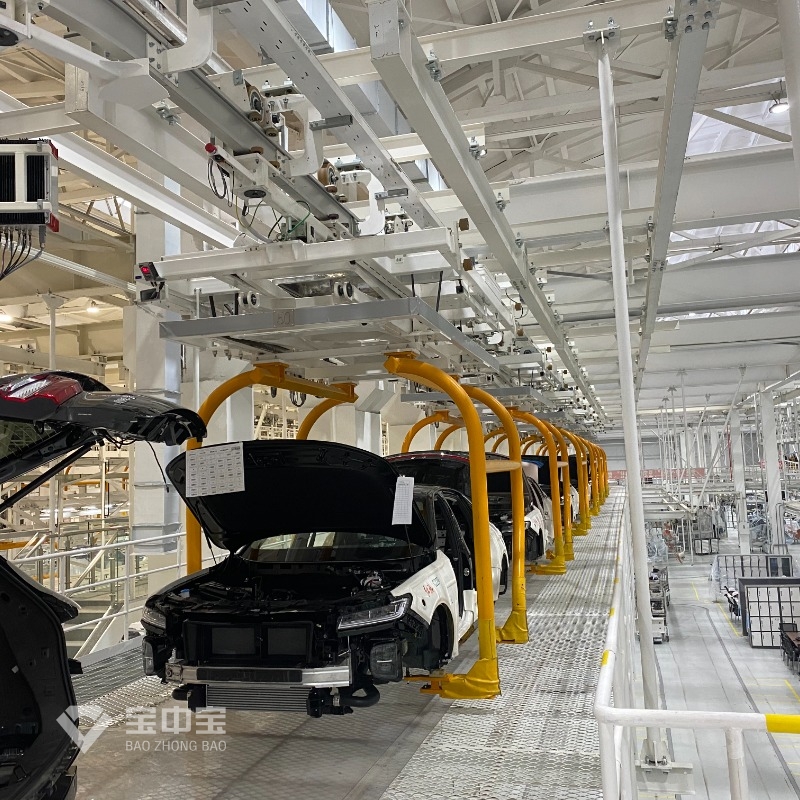
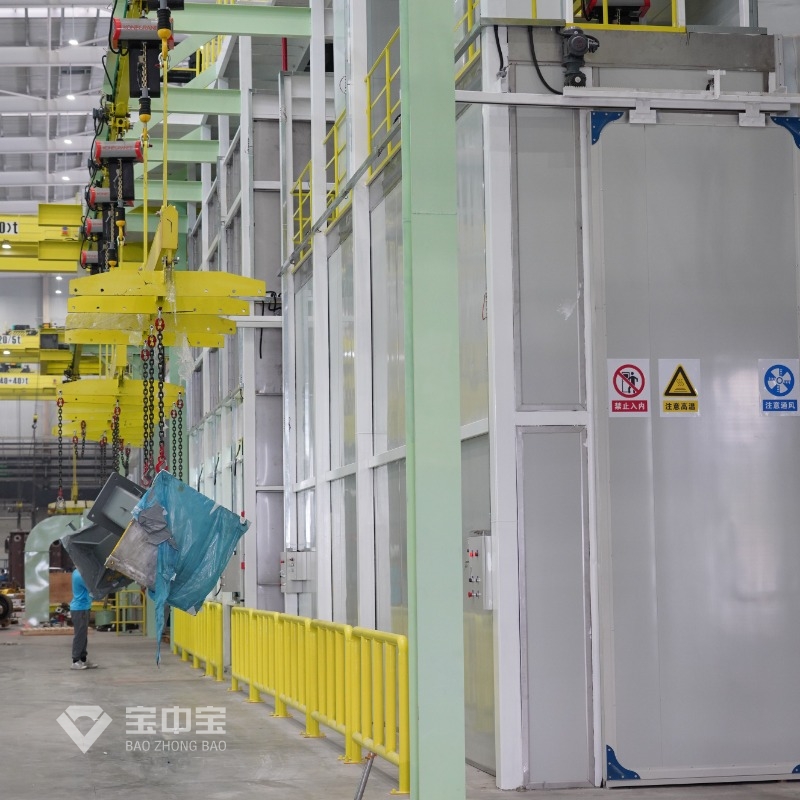
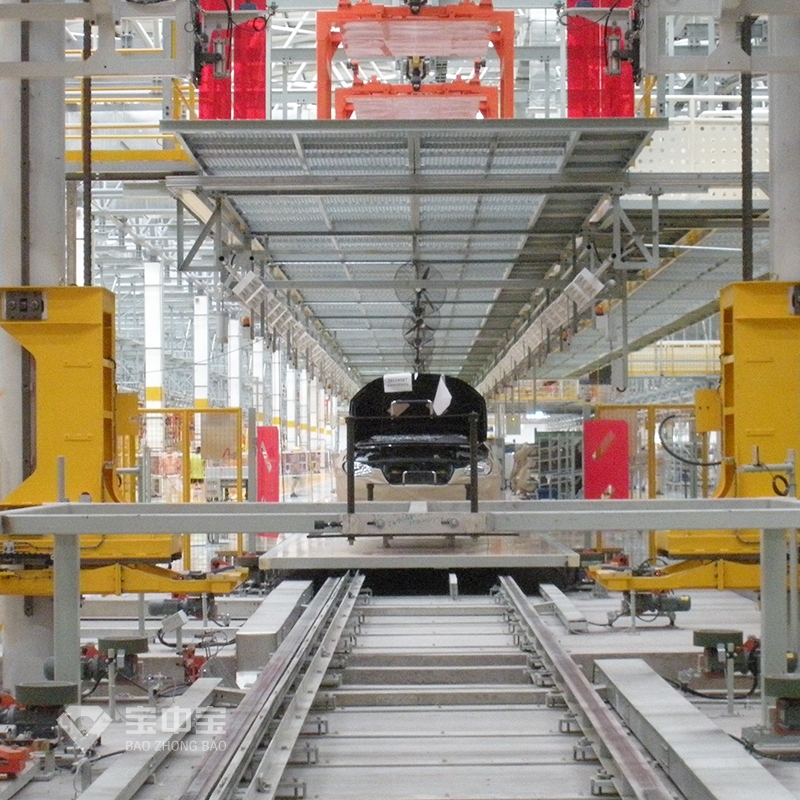
To achieve continuous production, automated coating production lines are equipped with efficient conveying systems, including chain conveyors, roller conveyors, or overhead conveyors. These systems precisely position each component, allowing the painting robot to operate along a pre-set path, reducing spraying omissions and waste. Furthermore, automatic detection and correction functions can promptly identify component positional deviations, improving the reliability of the production line.
5. Control and Monitoring Systems:
Modern automated coating production lines are equipped with advanced control and monitoring systems. Through industrial control software, operators can precisely control spraying parameters, coating thickness, spraying speed, and drying time. Simultaneously, the monitoring system can collect production data in real time, enabling process optimization, quality tracking, and equipment maintenance alerts. Intelligent management not only improves production efficiency but also helps reduce energy and material consumption.
Compared with traditional manual spraying, automated coating production lines have significant advantages:
Improve production efficiency
by operating continuously with a stable and uniform spraying speed and precise control of production cycle, thereby significantly increasing output per unit time.
That ensures consistent coating quality
can precisely control spraying parameters and coating thickness, avoiding the instability of manual operation and ensuring that the coating on each component surface is uniform and has strong adhesion.
Paint-saving and resource-saving
spraying robots with electrostatic spraying technology can effectively improve paint utilization and reduce waste. At the same time, the automatic control system can adjust the spraying volume according to production needs, optimizing resource consumption.
Improving the working environment
through automated production lines reduces workers' direct contact with solvents and coatings, lowers the risk of exposure to hazardous substances, and also reduces noise and labor intensity.
Intelligent management and tracking
of production data enable real-time collection and analysis, achieving traceability of the production process and facilitating quality management and equipment maintenance.
As automobile manufacturing moves towards high-end, personalized, and environmentally friendly directions, automated painting production lines are also constantly being upgraded. Future development trends are mainly reflected in the following aspects:
1. Highly intelligent
coating production lines will further integrate artificial intelligence, machine vision, and IoT technologies to achieve fully automated monitoring, process optimization, and predictive maintenance. Through data analysis, the production line can automatically adjust its spraying strategy to improve coating quality and efficiency.
2. Environmental protection and energy
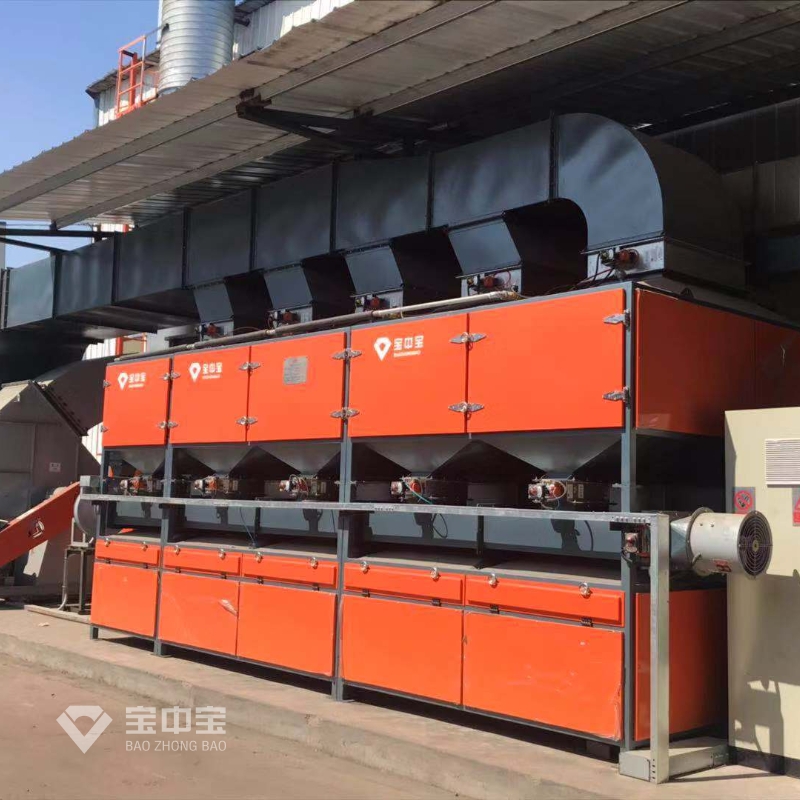
conservation: The application of environmentally friendly coatings and efficient recycling systems will become a trend. Production lines will be equipped with waste gas collection, coating recycling, and energy-saving drying equipment to reduce environmental pollution and energy consumption, meeting the requirements of green manufacturing.
3. Modular and Flexible Design:
To adapt to different vehicle models and component specifications, the automated painting production line will adopt a modular design. Modular production lines facilitate quick workstation changes and production layout adjustments, while also supporting small-batch, multi-variety production modes to meet the personalized needs of automobiles.
4. Refined Process Control:
Future production lines will place greater emphasis on the precise control of key indicators such as coating thickness, gloss, and adhesion. High-precision sensors and control algorithms will enable refined management of the painting process, improving the overall appearance and performance quality of the vehicle.
5. Data-driven intelligent decision-making
automated coating production lines will not only be production tools, but also platforms for data collection and analysis. Through real-time analysis of production data, equipment status, and quality indicators, intelligent decision-making will be achieved, improving production flexibility and responsiveness.
In practical applications, many domestic and international automobile manufacturers have adopted automated painting production lines for vehicle components. Taking car doors, dashboards, and engine housings as examples, automated painting robots complete the application of primer, intermediate coat, and topcoat, ensuring coating uniformity and significantly shortening the production cycle. Some production lines are equipped with online inspection systems that can monitor coating thickness and defects in real time and automatically adjust painting parameters to ensure products meet quality standards.
In the field of new energy vehicles, due to the widespread use of plastic components and lightweight materials, automated coating production lines achieve efficient coating of different materials through multi-station flexible spraying technology, while simultaneously ensuring surface aesthetics and corrosion resistance. In the future, with the deepening of intelligent and green manufacturing concepts, automated coating production lines for vehicle components will further expand their application scope, including high-end customized vehicles, commercial vehicles, and construction machinery parts.
We have representatives in over 100 countries around the world, They provide dedicated after-sales support to ensure complete customer satisfaction and long-term operational confidence.