Construction Machinery
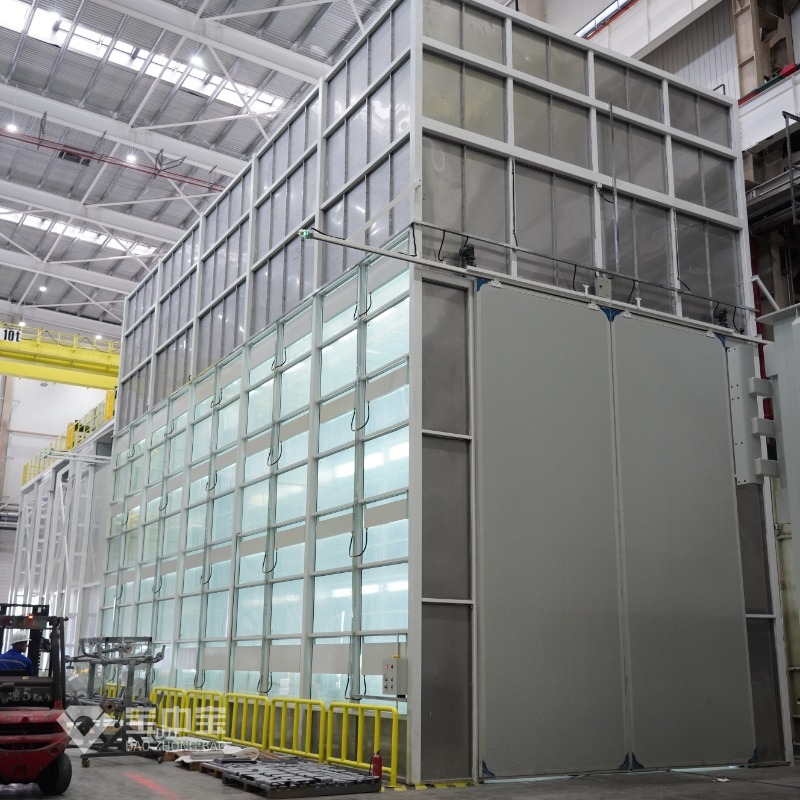
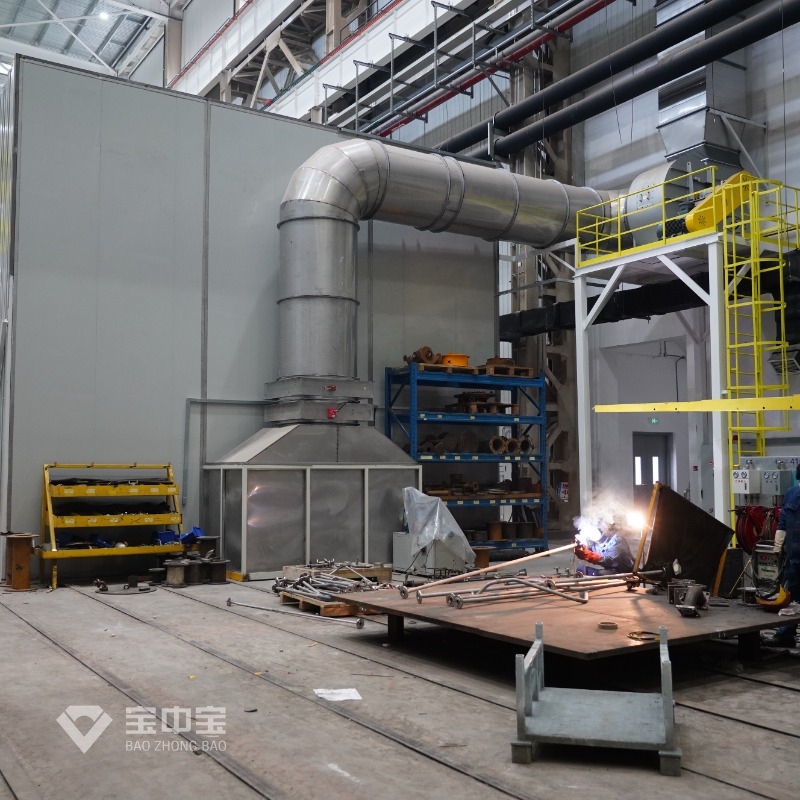
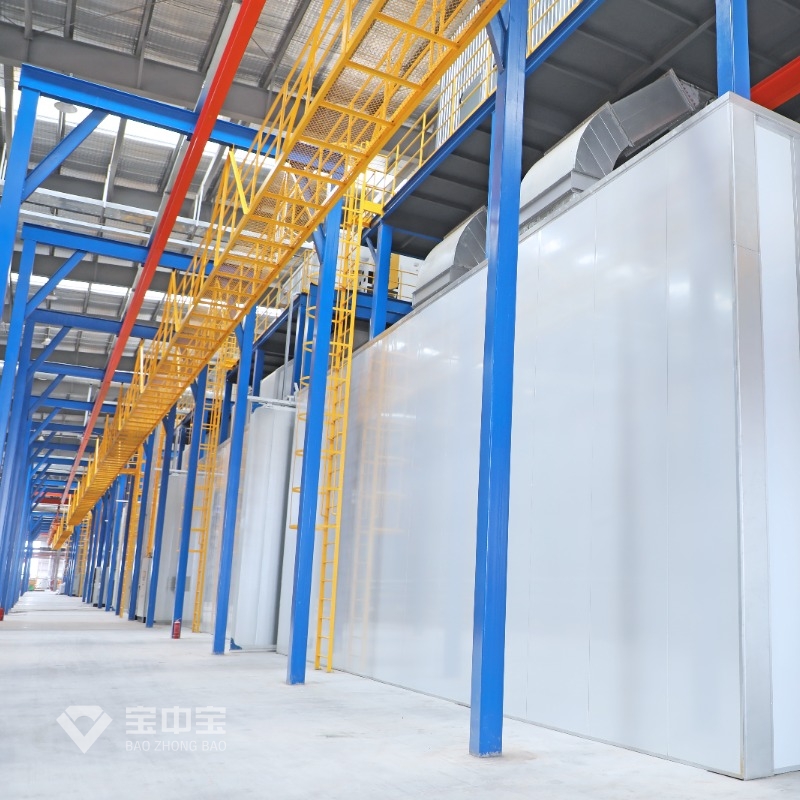
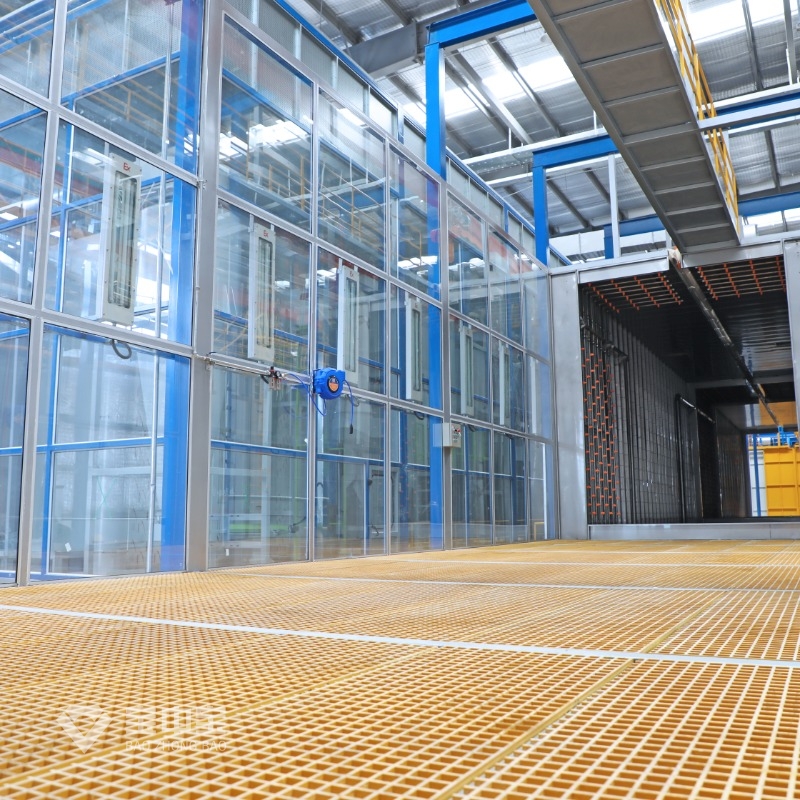
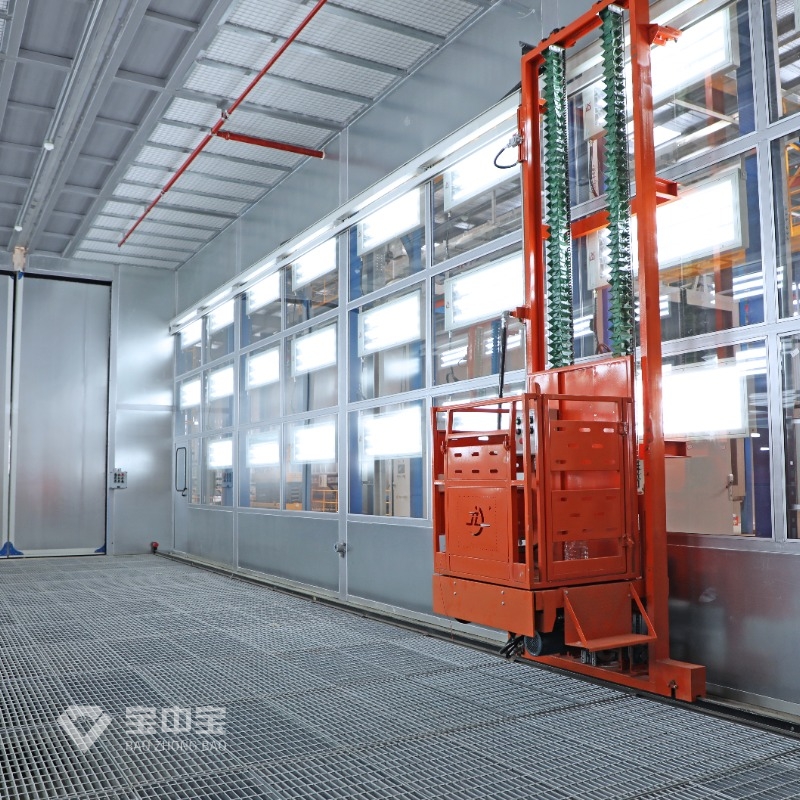
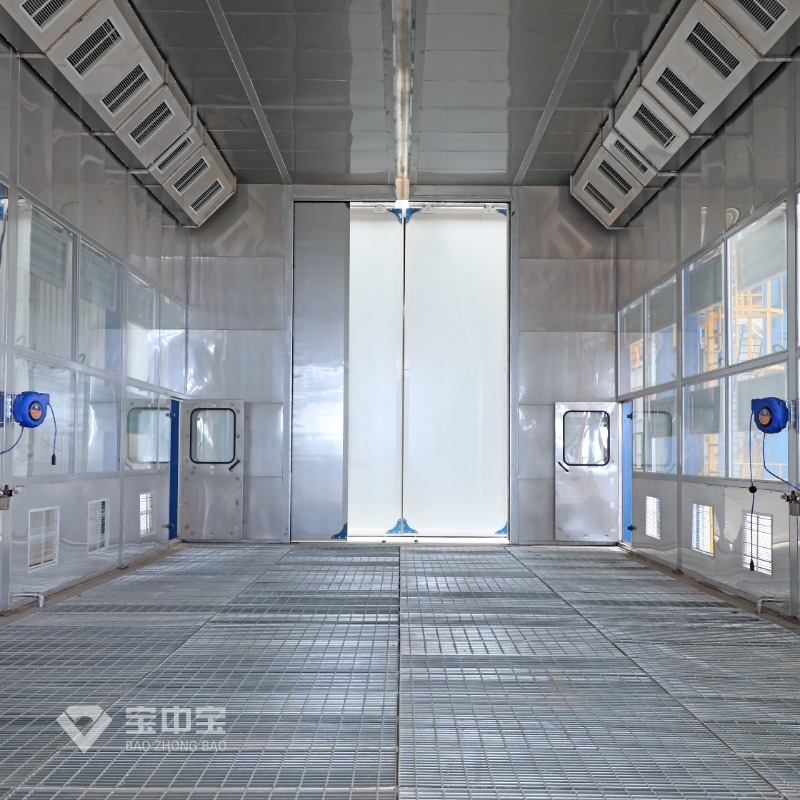
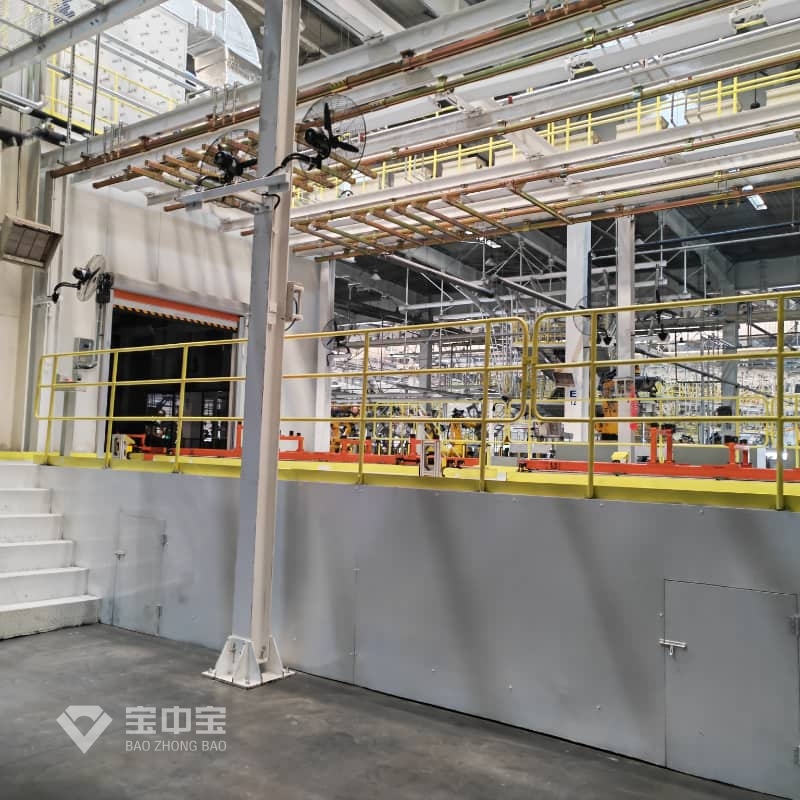
As a crucial support for modern industry and infrastructure construction, the performance and appearance quality of construction machinery directly affect its service life and market competitiveness. Coating processes play a vital role in construction machinery manufacturing, not only providing an aesthetically pleasing appearance but also offering protection against corrosion and wear. With the continuous development of industrial automation, construction machinery coating production lines have gradually evolved from traditional manual spraying towards intelligent and automated processes.
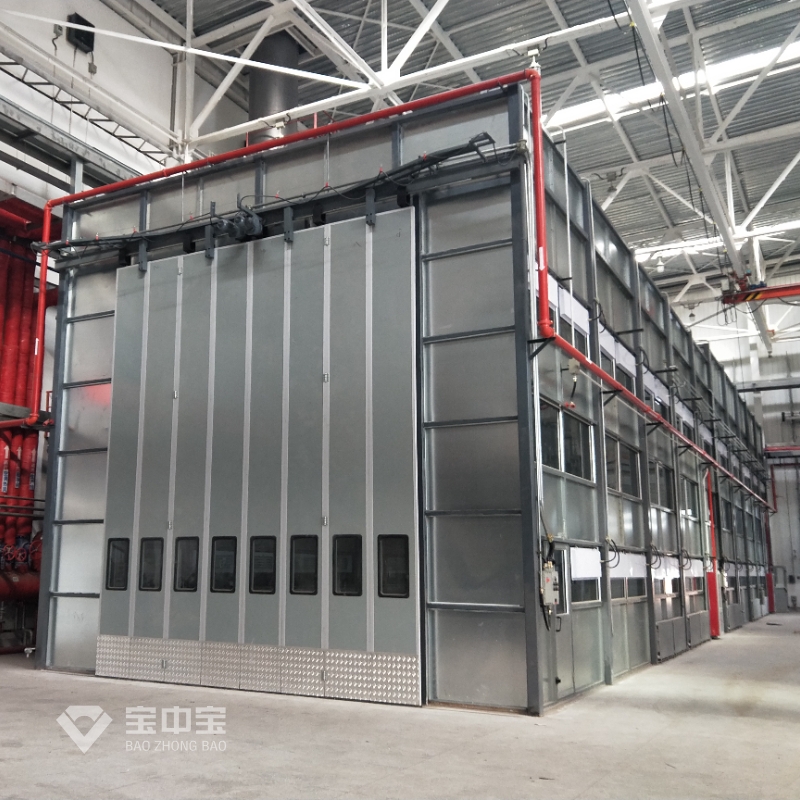
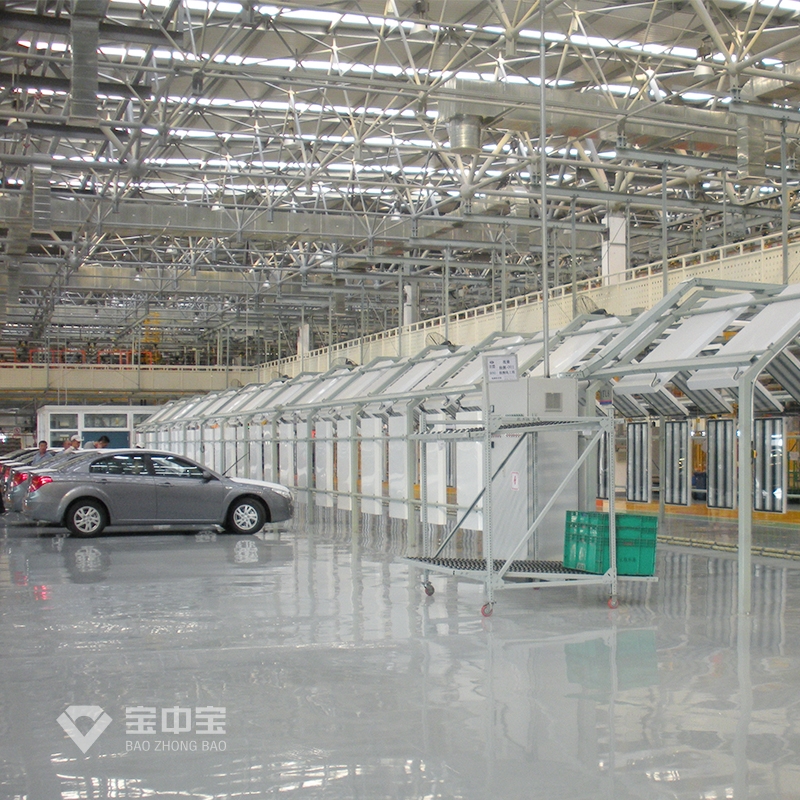
Construction machinery coating production lines primarily target excavators, loaders, cranes, and their components. Through scientific processes and advanced equipment, they achieve fully automated operations from pretreatment and primer spraying to topcoat spraying and drying/curing. Compared to traditional spraying methods, automated coating production lines not only improve production efficiency but also ensure coating uniformity and quality stability, while reducing raw material waste and environmental pollution.
A complete engineering machinery painting production line typically includes the following key stages:
1. Pre-processing system
Pretreatment is a fundamental step in ensuring coating adhesion and corrosion resistance, and mainly includes cleaning, degreasing, rust removal, and phosphating. Modern pretreatment systems employ automated spraying and immersion methods, combined with circulating water treatment and wastewater recycling technologies, which not only improves processing efficiency but also meets environmental protection requirements. Through pretreatment, oil, rust, and impurities on the workpiece surface are effectively removed, providing a stable foundation for subsequent coating.
2. Primer Coating Process
The main function of primer is to improve coating adhesion, increase corrosion resistance, and provide a uniform surface for the topcoat. Construction machinery coating production lines use automated spraying robots or electrostatic spraying equipment to achieve uniform primer coverage. By precisely controlling the spraying pressure, spray gun angle, and spraying speed, defects such as runs and missed areas can be effectively avoided, ensuring consistent coating thickness and laying a solid foundation for the topcoat.
3. Application of intermediate and topcoat paints
Intermediate coat and topcoat are crucial steps in enhancing a product's appearance, texture, and wear resistance. The intermediate coat increases coating thickness and strengthens corrosion resistance, while the topcoat determines the product's color and gloss. Modern production lines employ automated spraying control systems that can adjust spraying parameters according to the workpiece's shape and material, achieving precise spraying. Simultaneously, the application of electrostatic spraying technology reduces paint mist waste, improves paint utilization, and lowers environmental pollution.
4. Drying and curing system
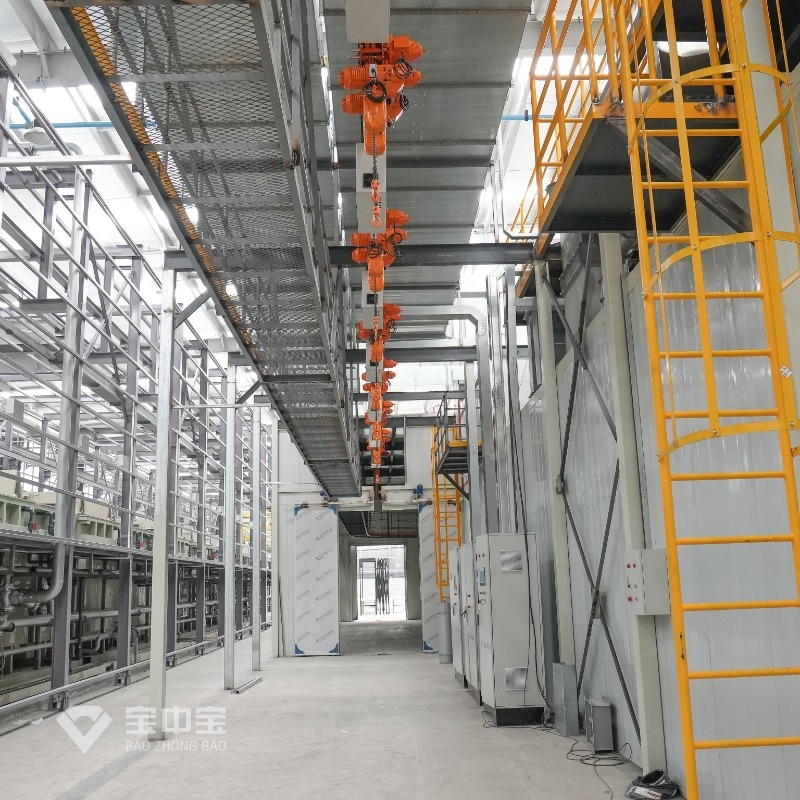
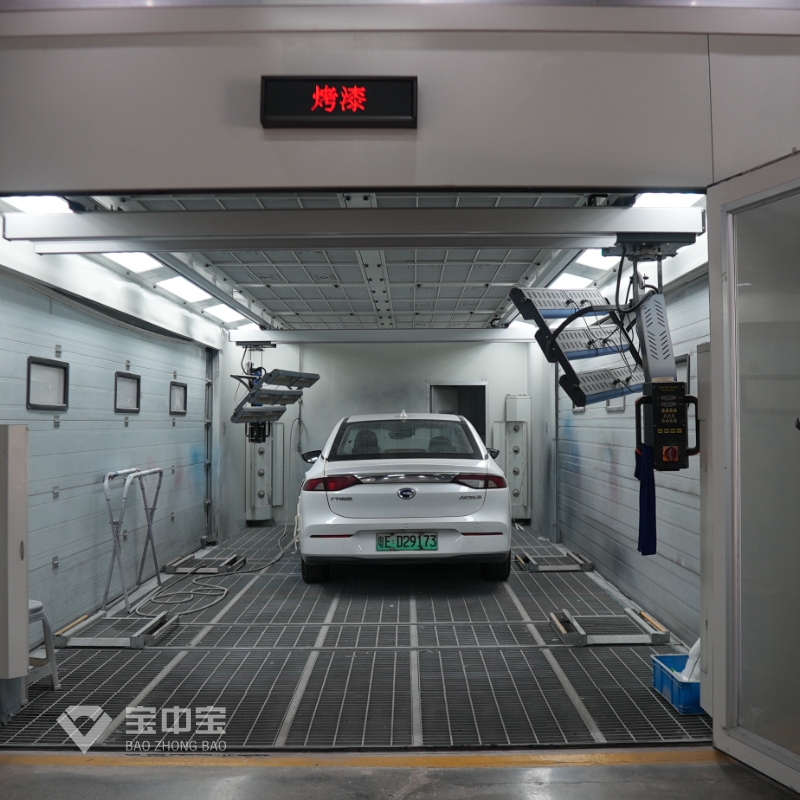
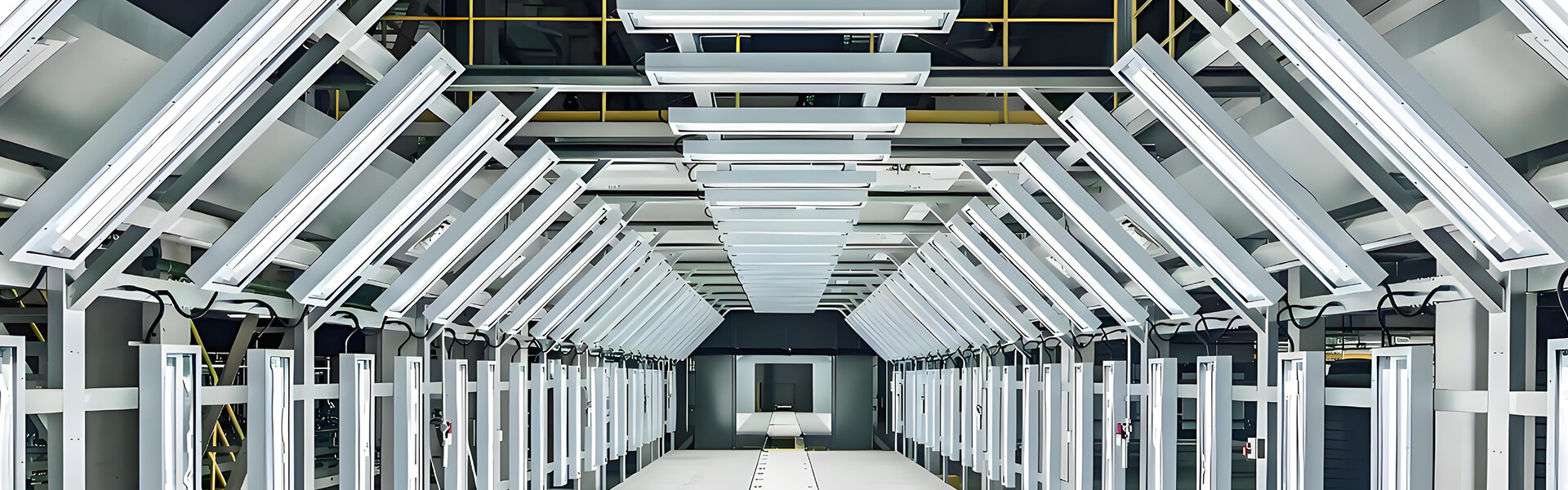
After coating is applied, drying and curing are necessary to solidify the coating's properties. Drying systems typically employ far-infrared radiation, hot air circulation, or high-temperature ovens, adjusting temperature and time according to the coating type to achieve rapid curing and high adhesion. A proper drying process not only ensures uniform drying of the coating but also reduces the formation of bubbles and cracks, improving product surface quality.
5. Transportation and Suspension System
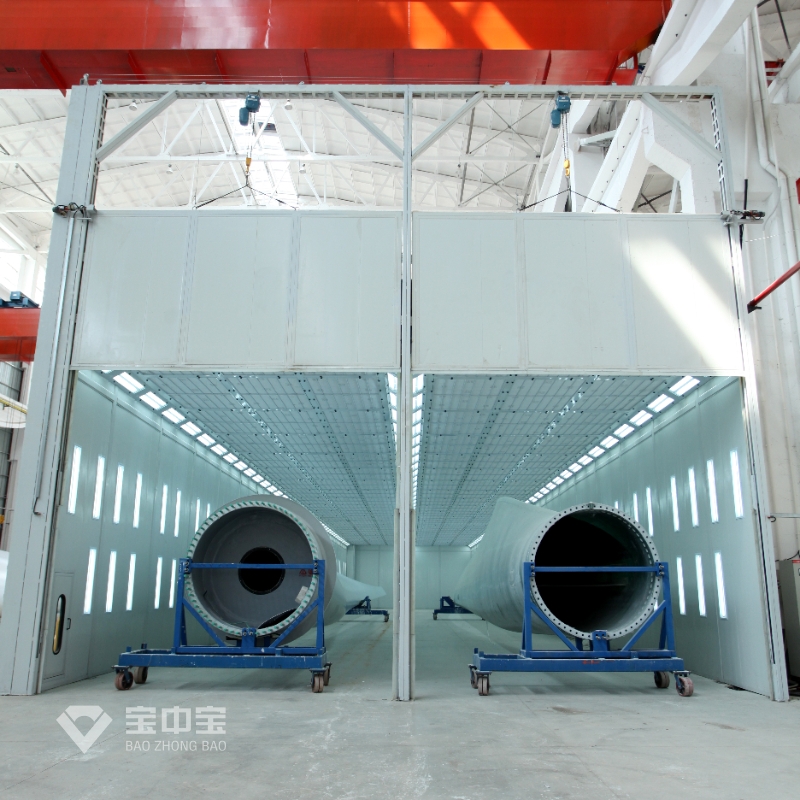
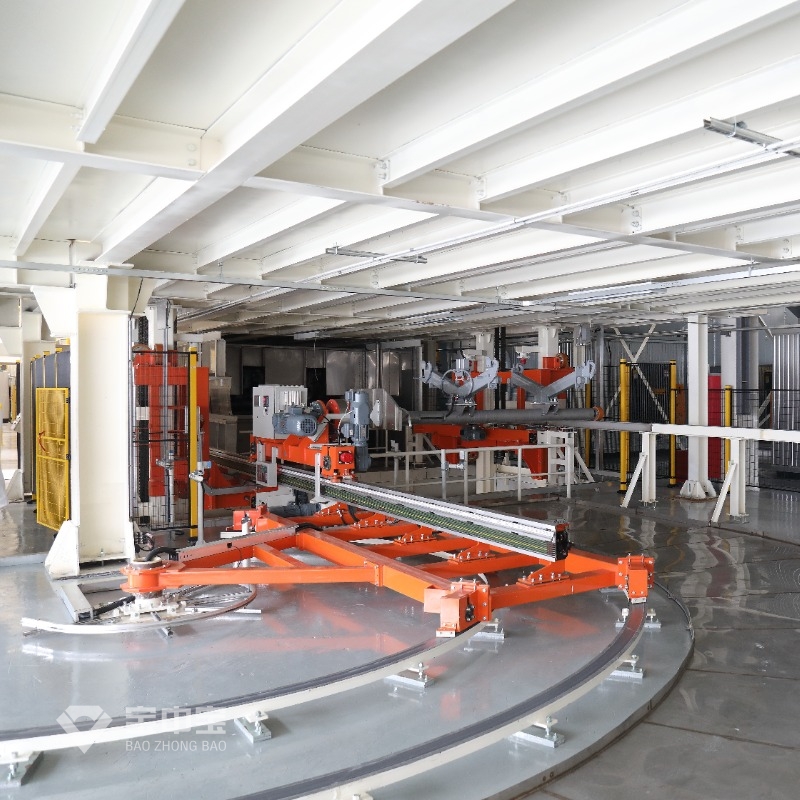
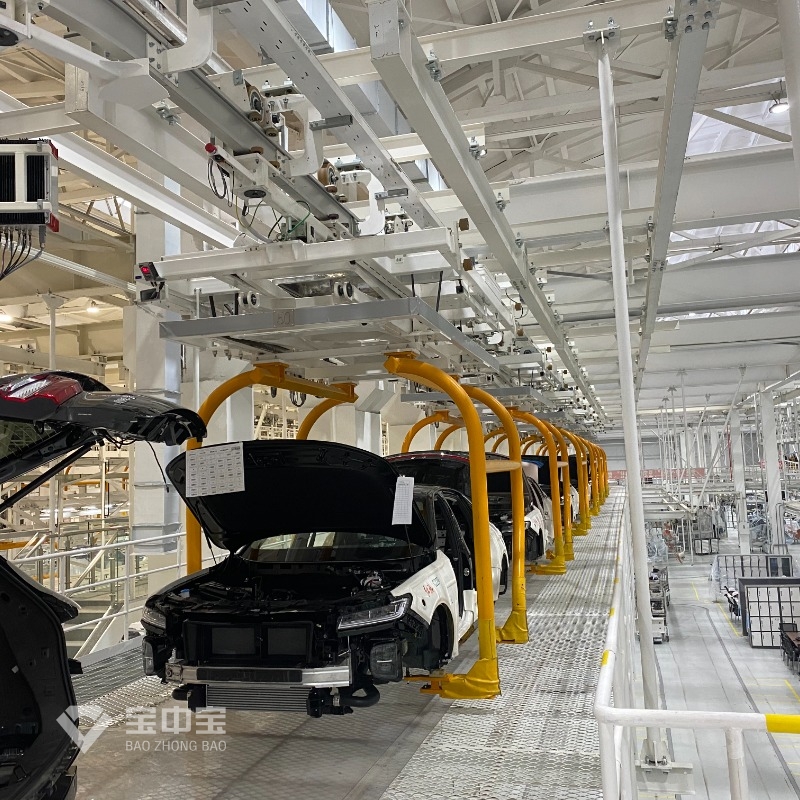
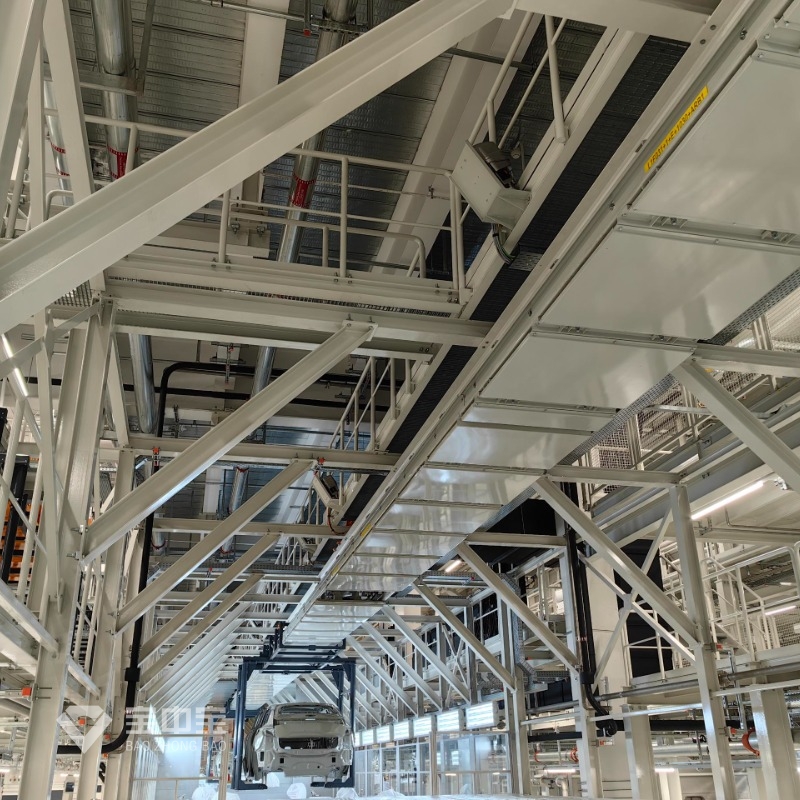
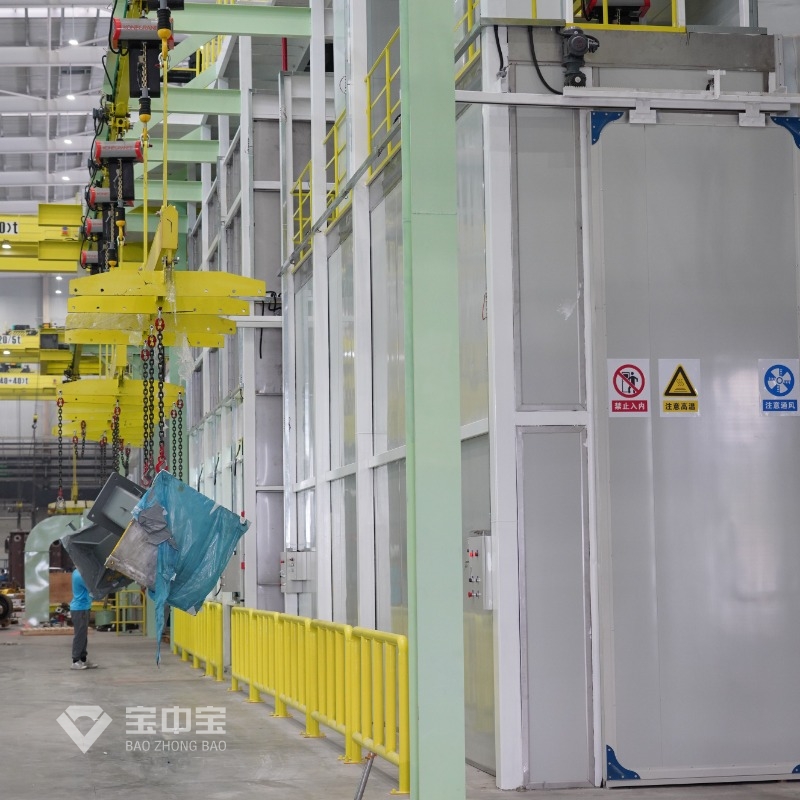
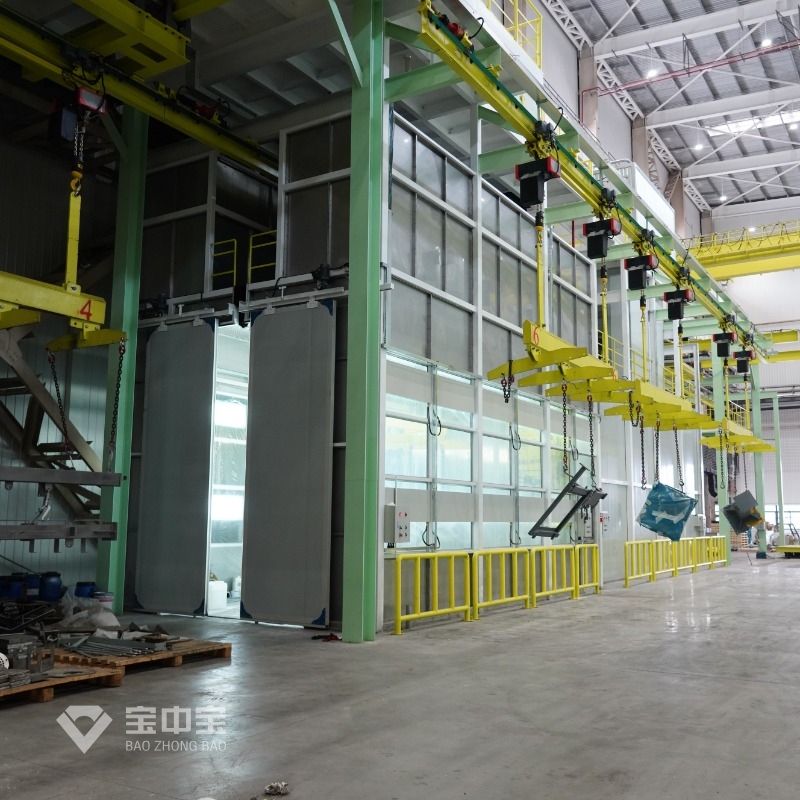
Construction machinery components are large and complex in shape, placing high demands on transportation and suspension systems during the painting process. Overhead chain conveyor systems and roller conveyor systems can stably transport workpieces to each process stage, enabling continuous operation, reducing manual handling, and improving production efficiency. The suspension system can also automatically adjust according to the height and weight of the workpiece to ensure uniform spraying.
Automated coating production lines reduce manual operations and enable 24-hour continuous operation through robotic spraying and automatic conveying. Compared to manual spraying, production efficiency can be increased several times, while reducing the risk of rework due to human error.
Stable coating quality
The automated control system can precisely adjust spraying parameters, including spray gun speed, pressure, spray width, and spray path, ensuring uniform coating thickness and reducing sagging and paint gaps. Coating adhesion and corrosion resistance are stably controlled, meeting long-term usage requirements.
Environmental protection and energy conservation
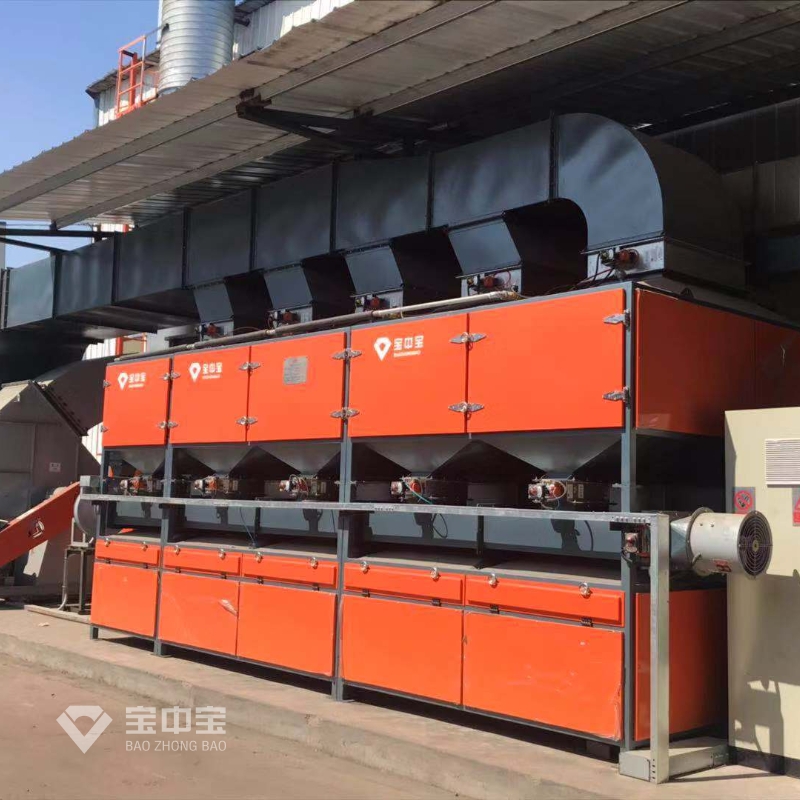
Modern coating production lines widely adopt high-solids content coatings, electrostatic spraying technology, and circulating spraying systems to reduce paint mist and harmful emissions. Meanwhile, the drying and heating systems employ efficient heat recovery technology to reduce energy consumption and comply with environmental regulations.
Flexible adaptation to various workpieces
The construction machinery painting production line is flexibly designed, and parameters can be adjusted according to different vehicle models and components. The suspension system and painting robot can adapt to workpieces of different shapes and sizes, enabling single-piece or batch production to meet diverse manufacturing needs.
In domestic construction machinery manufacturing enterprises, painting production lines have been widely used in the production of complete machines and parts. For example, excavator manufacturers have achieved uniform appearance, smooth paint film, and good adhesion through automated painting lines. Loader manufacturers have significantly improved corrosion resistance and reduced paint consumption by adopting electrostatic spraying and high-temperature drying processes. The painting of cranes and large construction machinery components also relies on the cooperation of suspended conveyor systems and robotic spraying to achieve high-efficiency production.
Future coating production lines will be more intelligent, utilizing sensors, the Internet of Things (IoT), and artificial intelligence (AI) technologies to achieve automatic workpiece identification, spray path planning, and real-time quality monitoring. The intelligent system can automatically adjust parameters during the spraying process to ensure the coating quality of each product.
Energy-saving and environmentally friendly technologies
With increasingly stringent environmental regulations, production lines will increasingly adopt low-VOC coatings, water-based coatings, and efficient recycling systems to reduce environmental impact. Simultaneously, energy management systems will optimize drying, heating, and circulating spraying processes to achieve energy conservation and emission reduction.
Customization and flexible production
Construction machinery products come in a wide variety of models, and future painting production lines will place greater emphasis on flexible design, enabling rapid switching between production modes to meet the needs of small-batch, multi-variety production. Modular equipment design and adjustable suspension systems will become trends, allowing for personalized, customized painting.
Data-driven management
Through data collection and analysis, manufacturing companies can monitor the entire coating process, including quality, efficiency, and energy consumption, enabling lean production and continuous optimization. Data-driven management can also assist in the development of new processes and improve overall production capacity.
We have representatives in over 100 countries around the world, They provide dedicated after-sales support to ensure complete customer satisfaction and long-term operational confidence.