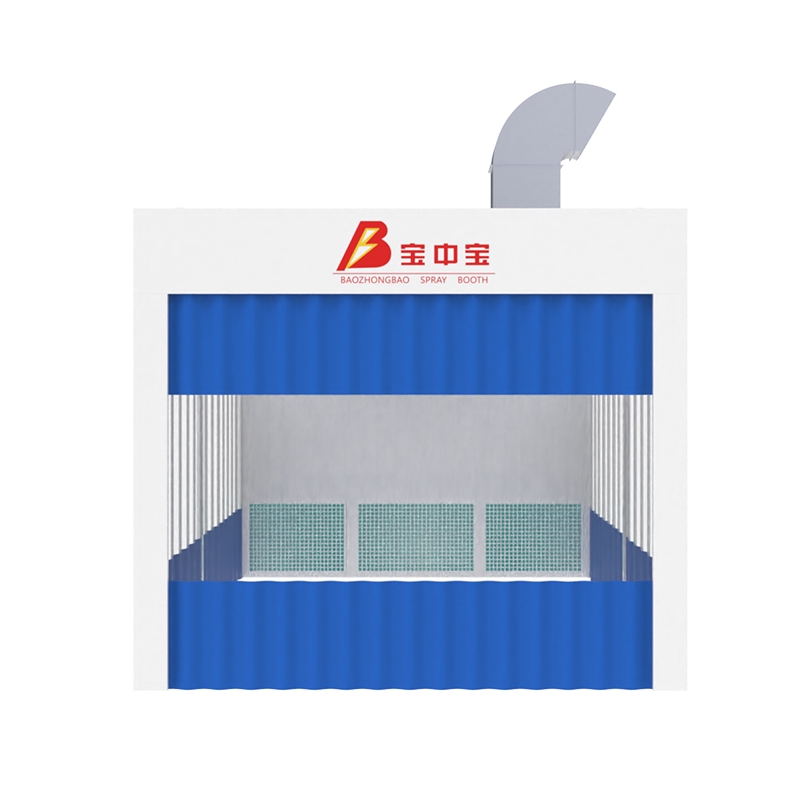
Aircraft Painting Line
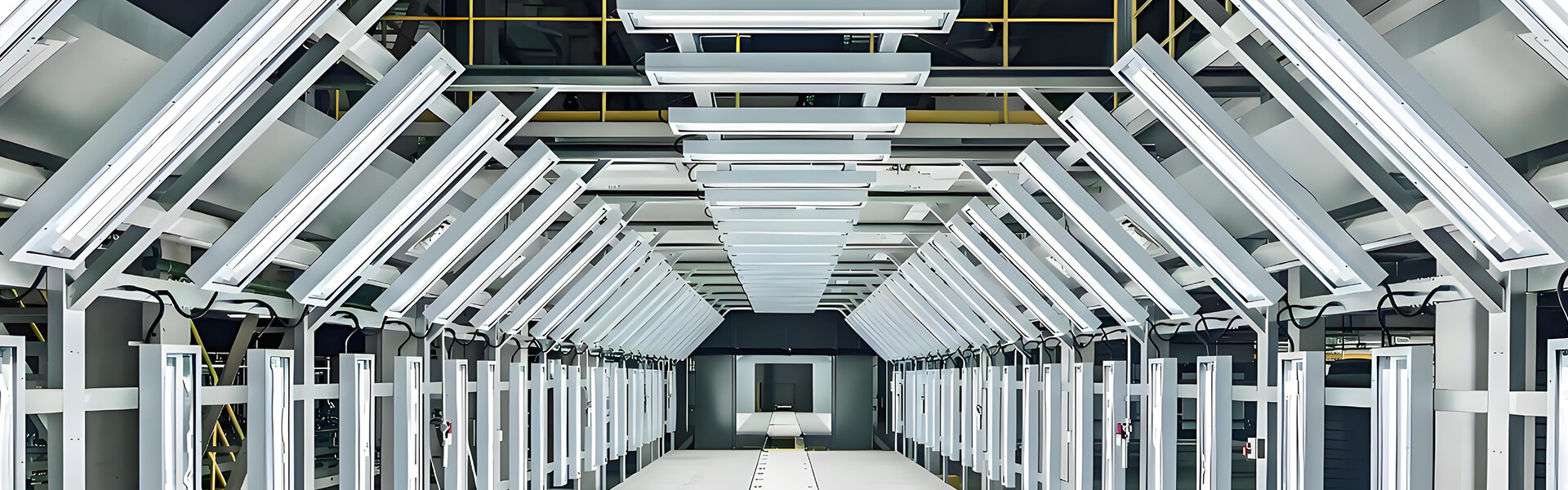
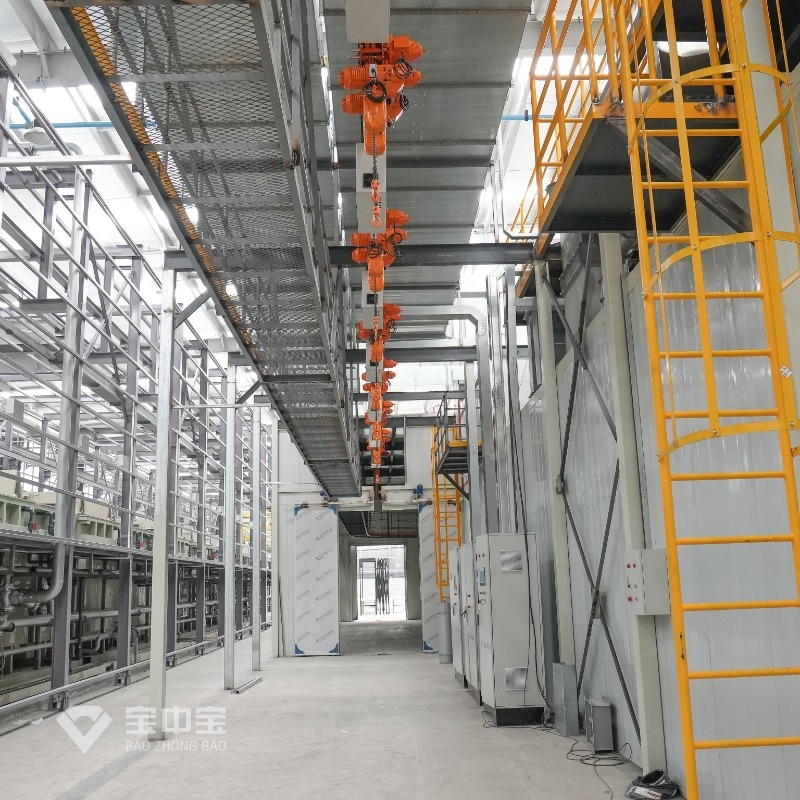
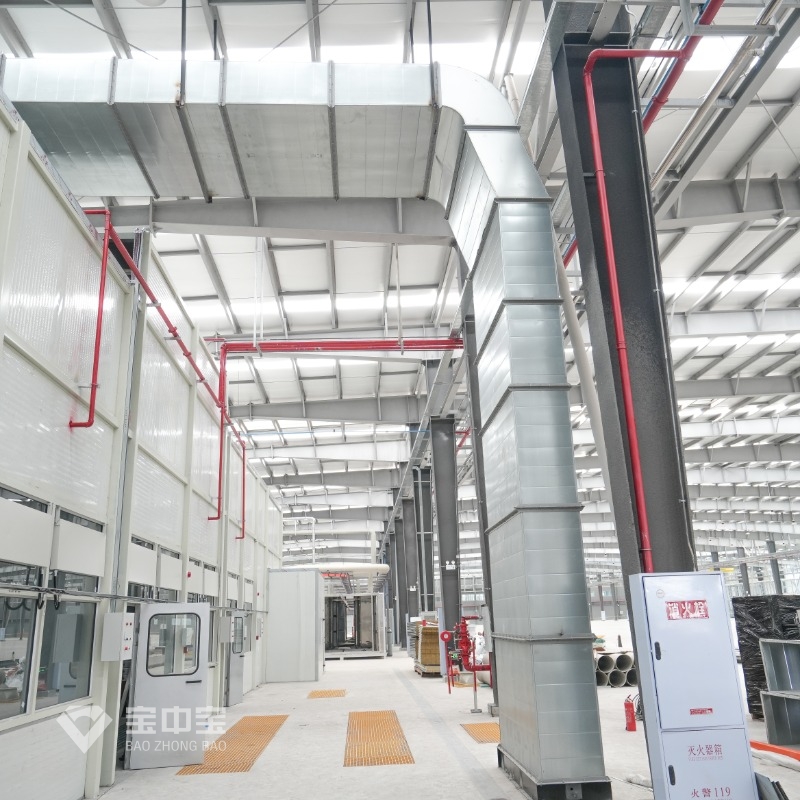
Key aspects of creating protective and precise coatings for aviation applications
The aircraft component painting production line is the final surface treatment process in aerospace manufacturing that determines appearance, corrosion resistance, and functionality. After pretreatment such as fluorescent penetrant testing and anodizing, parts enter the painting section. There, they undergo dust removal, robotic automatic painting, leveling, drying, and strong cooling processes to form a uniform, dense, and highly adhesive protective coating. This process, centered on robotic automatic painting and combined with precise paint supply and environmental control, ensures that the coating quality fully meets airworthiness and durability requirements.
Before spraying, dust removal is performed to remove surface particles and electrostatic adsorption substances, providing a clean substrate and avoiding coating inclusion defects.
The robotic automatic painting system uses a multi-axis explosion-proof robot and an automatic spray gun to achieve precise contour painting on complex curved surfaces and internal cavities, ensuring uniform coating thickness and clear boundaries.
The leveling process allows the solvent in the paint film to evaporate slowly, eliminating spraying stress and forming a smooth surface, avoiding defects such as pinholes and orange peel.
Drying and curing cause the paint film to undergo a cross-linking reaction, achieving the designed hardness, adhesion and environmental resistance. After strong cooling, it is easy to inspect the next part.
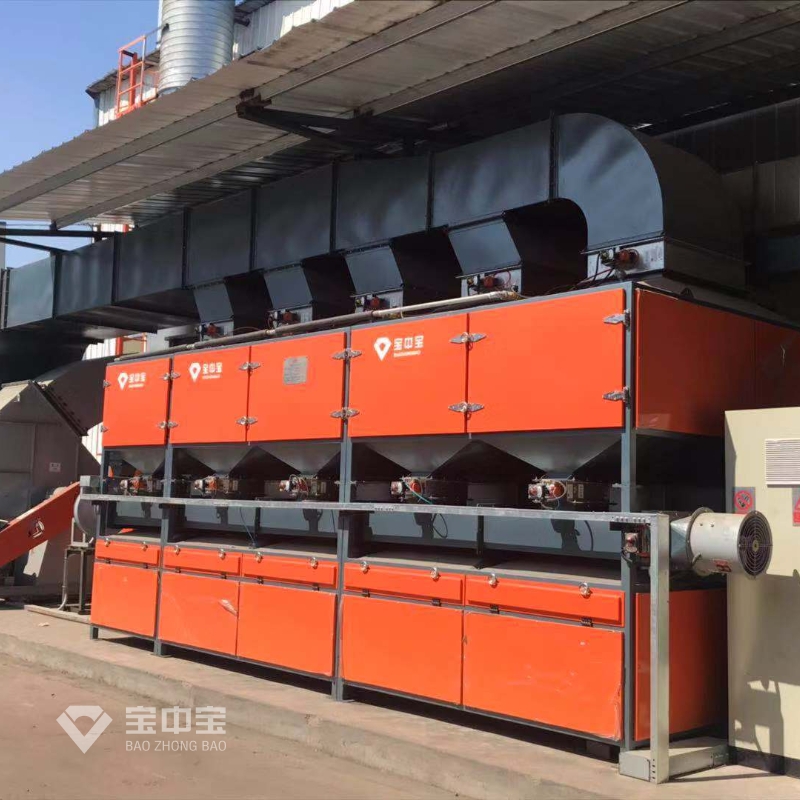
The entire production line adopts a closed cleanroom and constant temperature and humidity control, combined with an exhaust gas treatment system, to ensure quality while meeting environmental protection requirements.
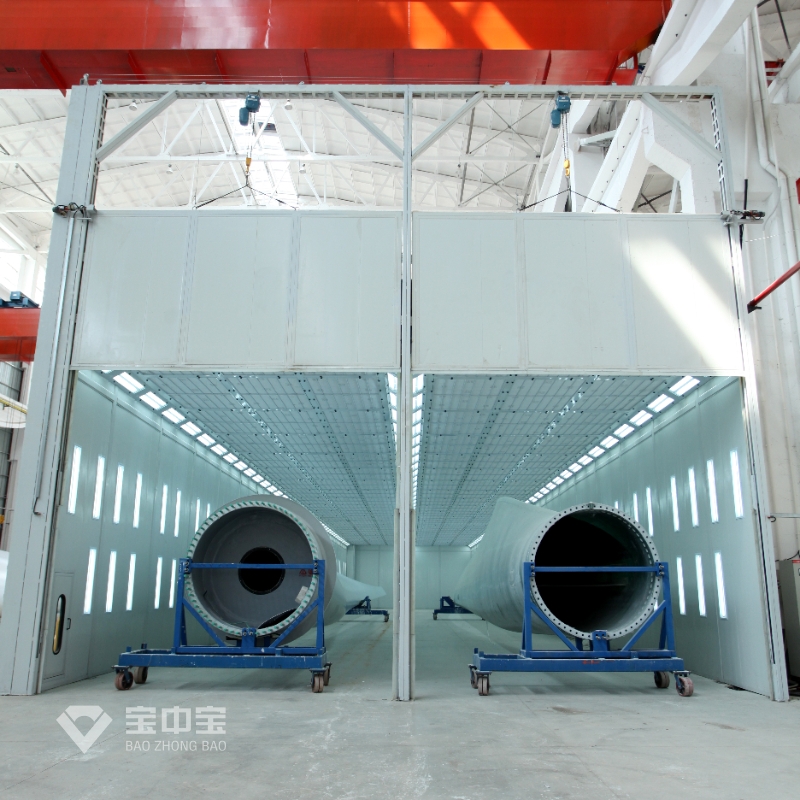
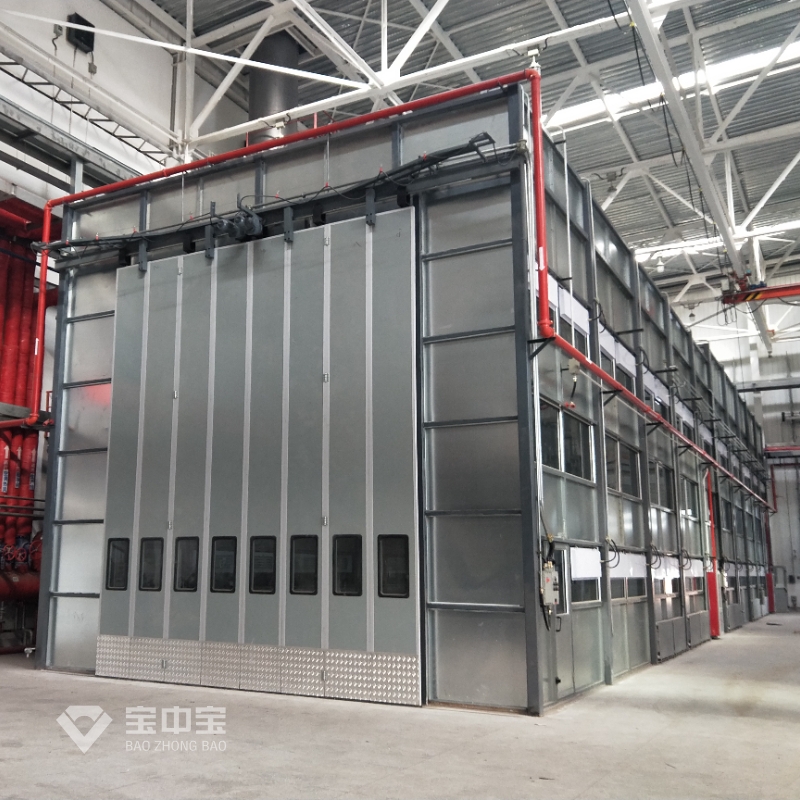
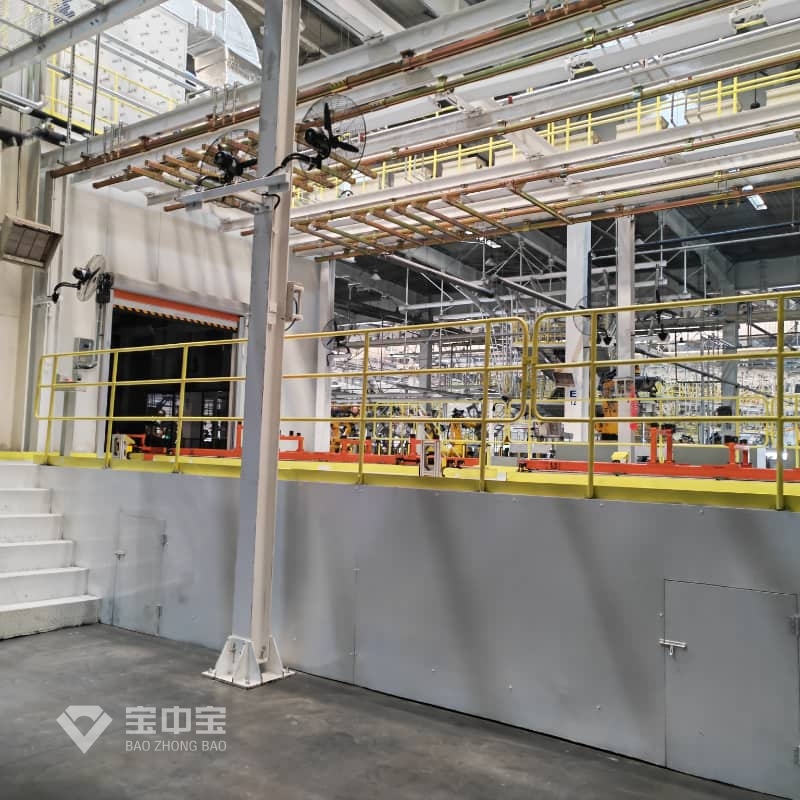
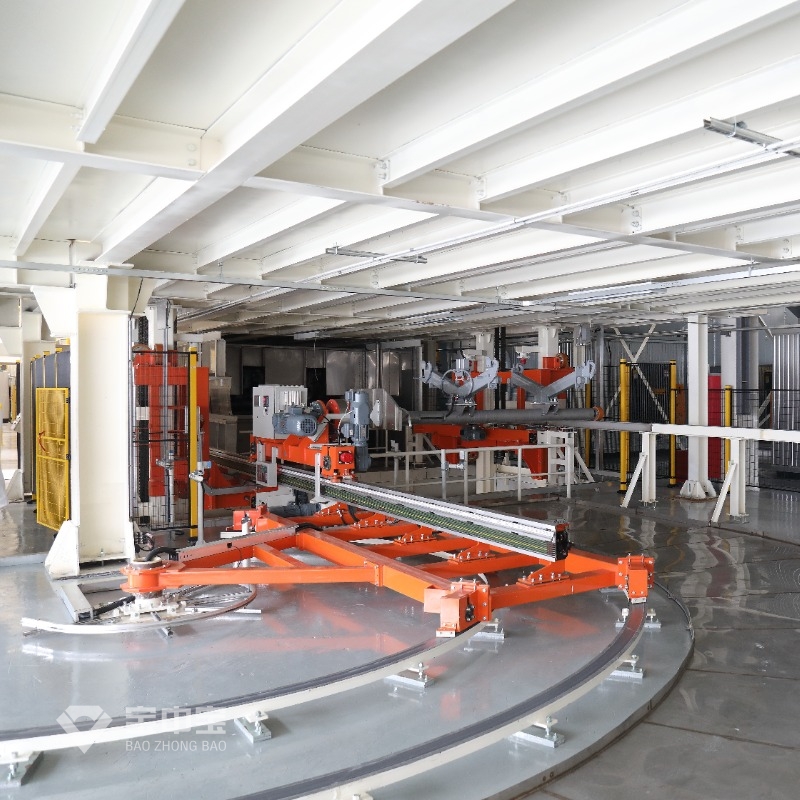
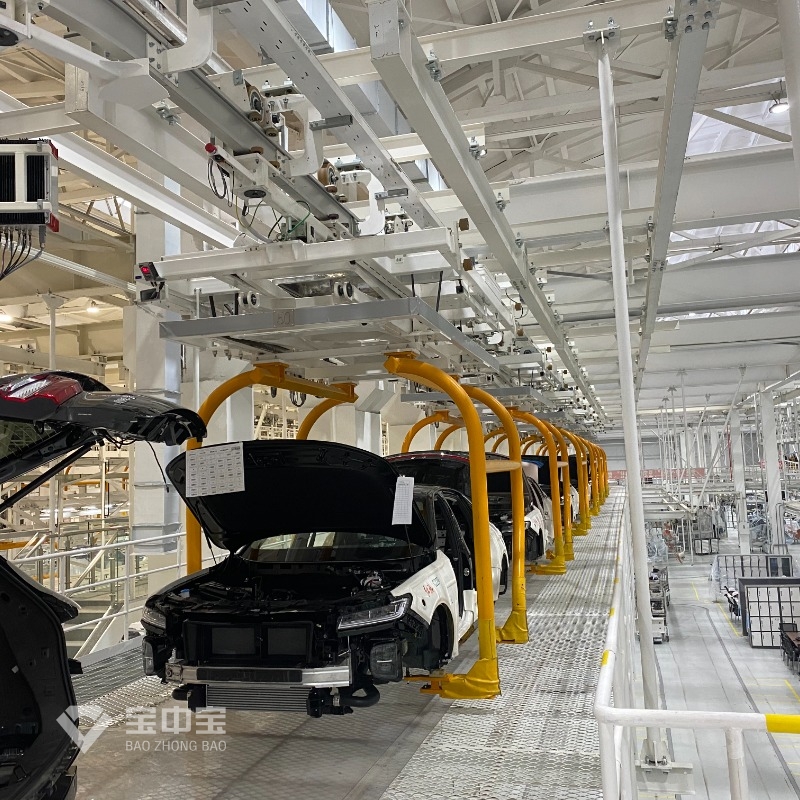
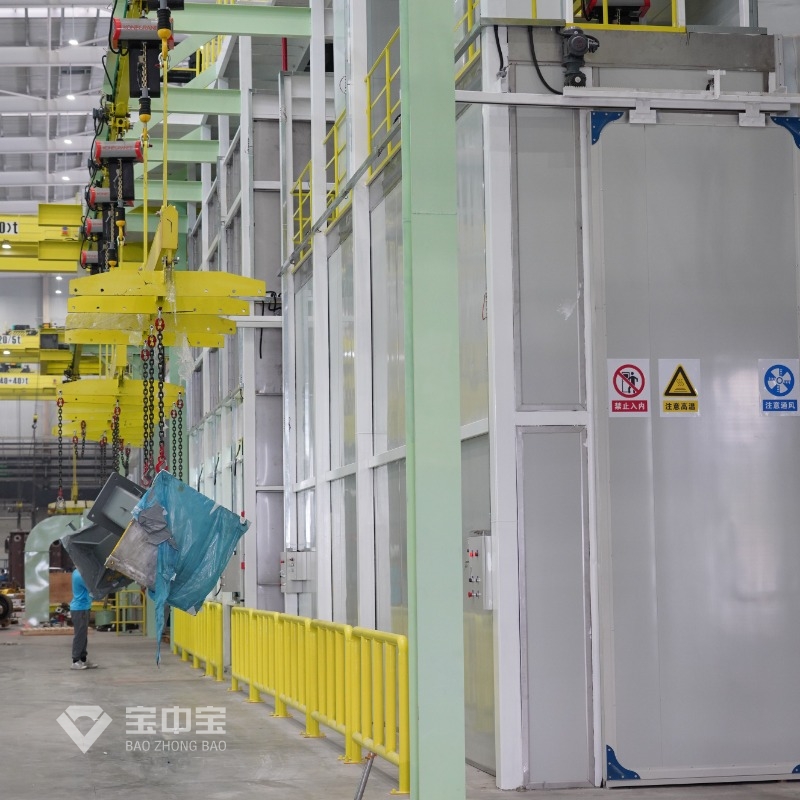
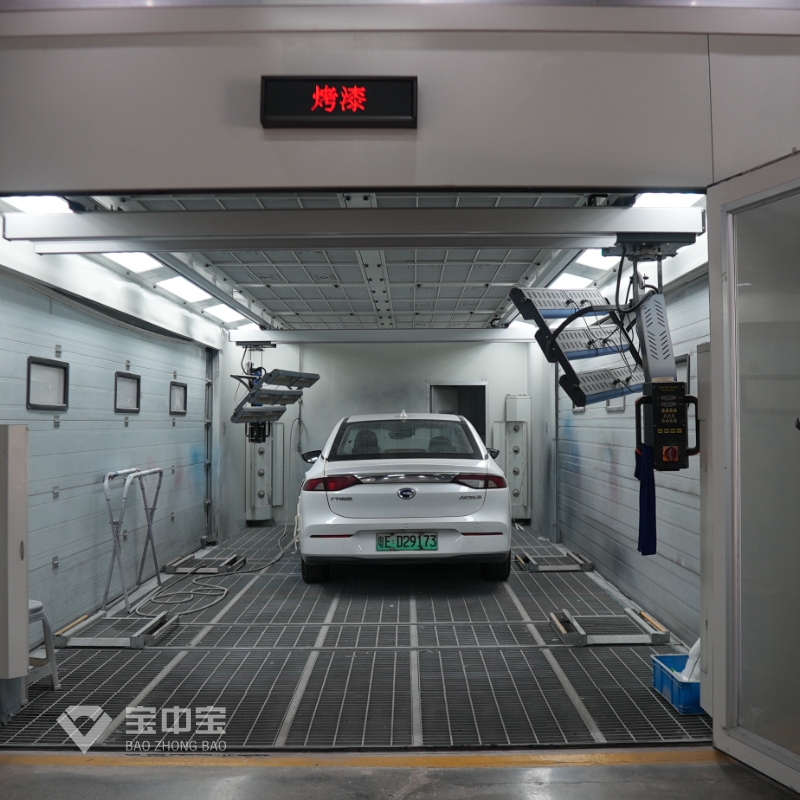
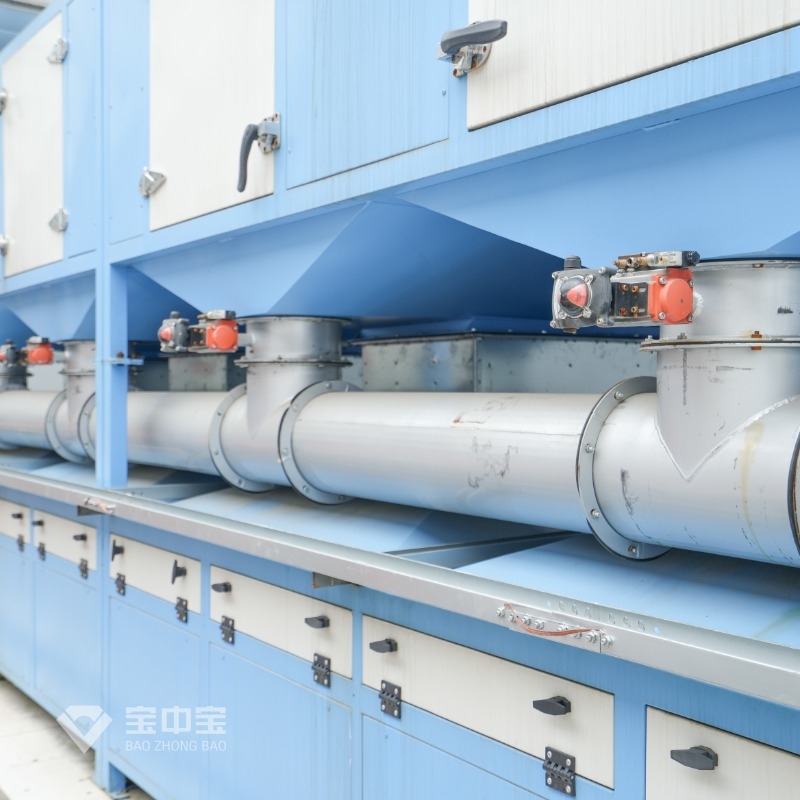
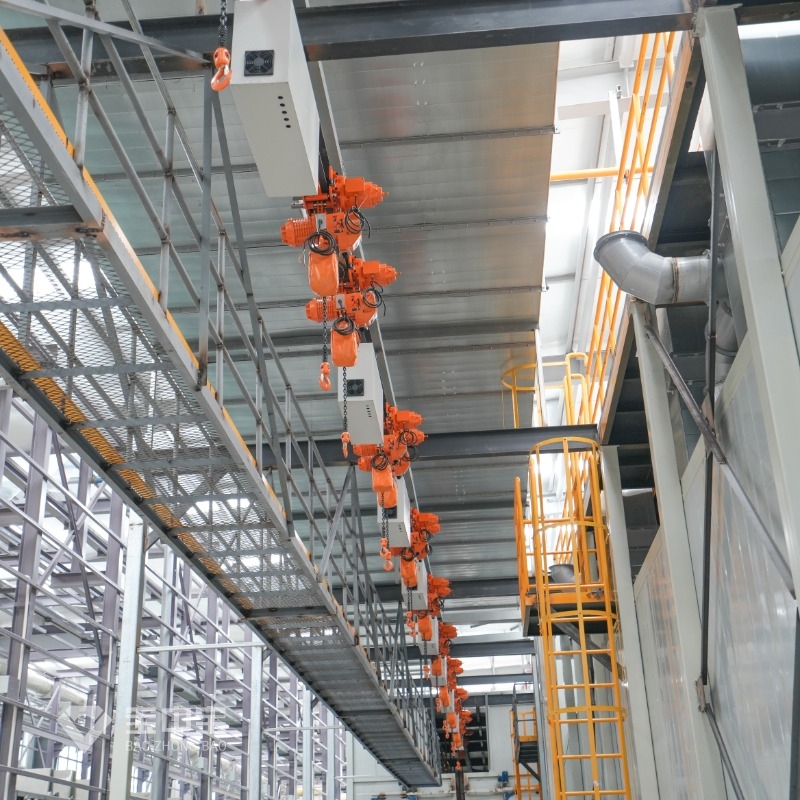
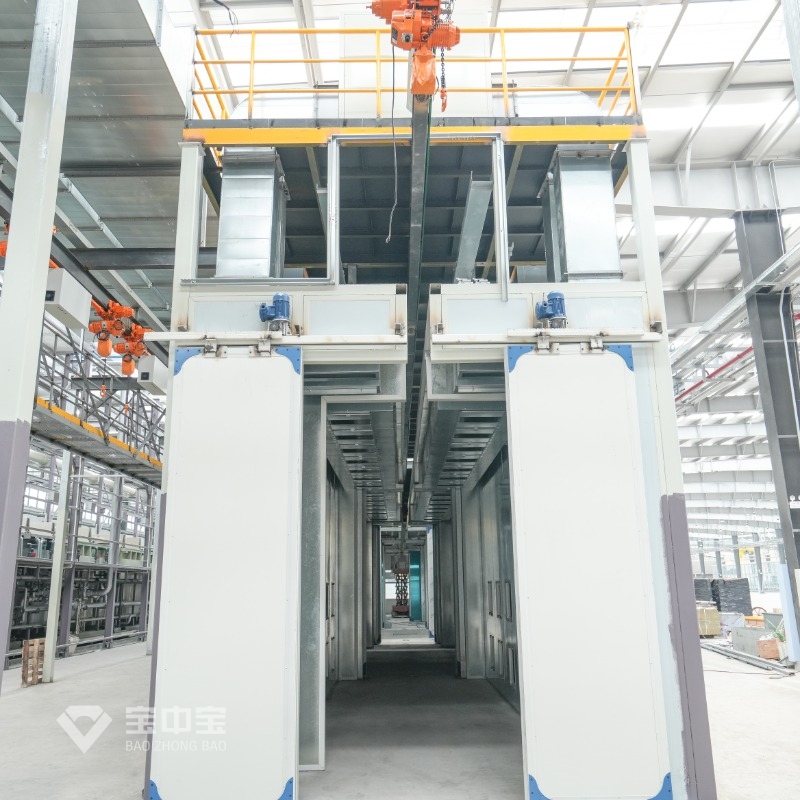
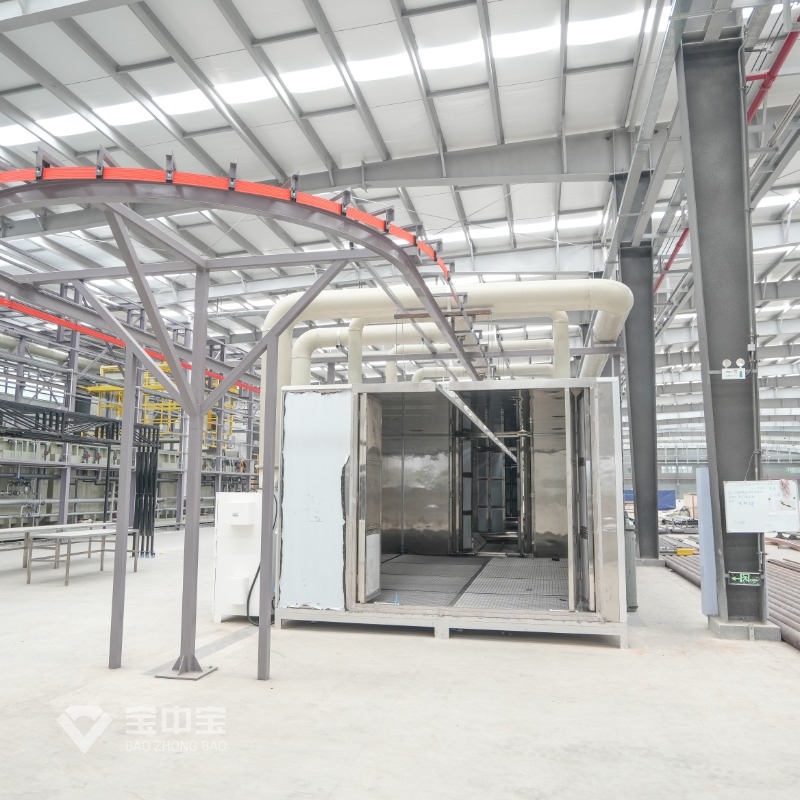
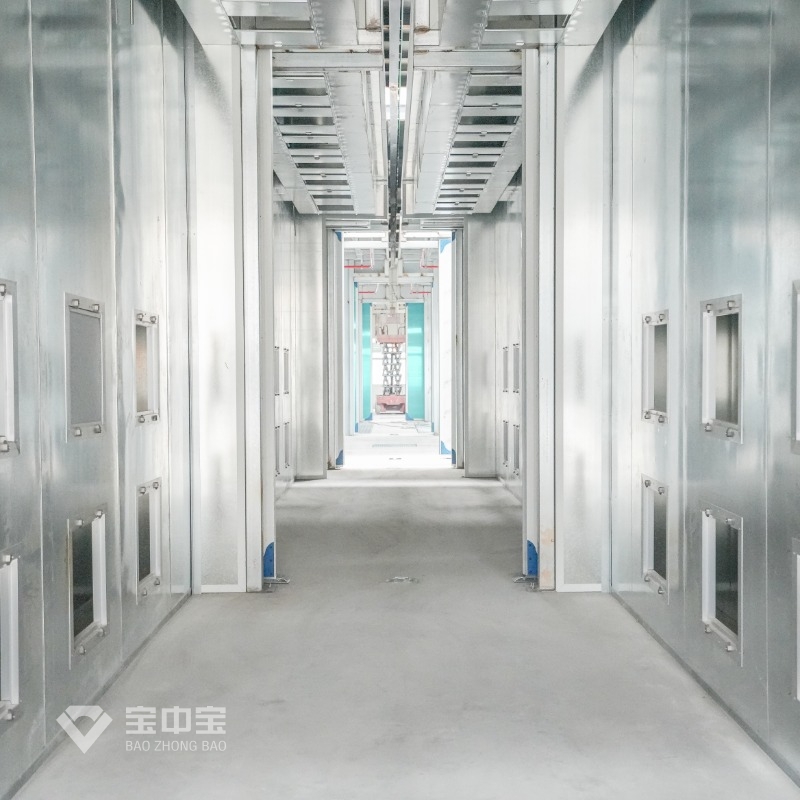
The entire line consists of a dust removal room, a robotic painting room, a leveling room, a drying room, and a strong cooling room. It adopts self-transportation by ground or air, and each room is separated by an automatic sealing door to form a one-way clean passage.
The robotic spray booth is equipped with explosion-proof spraying robots. These robots use a vision system to capture the appearance of workpieces and automatically generate spraying trajectories, enabling contour following of complex curved surfaces. The spraying process control system monitors paint flow rate, forming air pressure, and static...
Electrical parameters are adjusted in a closed loop to ensure precise and controllable film thickness and uniform coating.
The paint supply system adopts a two-component automatic mixing and circulation pipeline to ensure constant paint viscosity and mixing ratio, and has an automatic color change and cleaning function to shorten production changeover time.
The entire PLC and MES system work in tandem, automatically calling up the corresponding process parameter package by scanning part barcodes, and monitoring temperature and humidity, robot trajectory, and coating thickness detection data in real time to achieve full-process quality traceability and closed-loop parameter optimization.
We have representatives in over 100 countries around the world, They provide dedicated after-sales support to ensure complete customer satisfaction and long-term operational confidence.